Source eco-friendly irregular wavy perfume bottle for Cosmetics, Personal Care, and Gift
Compare 30 listings for the eco-friendly irregular wavy perfume bottle featuring glass construction and pump sprayers. Buyers can evaluate models like BTL2631 and LYH-2509 with capacities under 100ml for cosmetics and personal care applications.
Key considerations
Products List


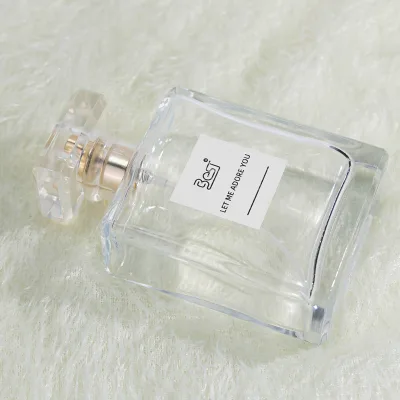
High-End Perfume Bottle Perfume Bottle Modern Spray Bottle for Perfumes
$0.25 - $0.39
MOQ: 10000 Pieces


Comprehensive Sourcing Guide
Strategic Sourcing Guide for Eco-Friendly Irregular Wavy Perfume Bottles
Procuring specialized packaging for the fragrance industry requires a nuanced understanding of material science, regulatory compliance, and supply chain logistics. When the core keyword focuses on an eco-friendly irregular wavy perfume bottle, buyers must navigate a landscape where aesthetic uniqueness intersects with sustainability mandates. The irregular shape, often described as wavy or non-standard, presents specific manufacturing challenges compared to traditional cylindrical or square vessels. This guide provides a structured approach to sourcing these items, grounded in observed market data and technical realities. The following sections detail the technical specifications, compliance frameworks, cost structures, and quality assurance protocols necessary for a successful procurement strategy.
Technical Specifications and Material Composition
The foundation of any sourcing decision lies in the precise definition of technical specifications. For irregular wavy perfume bottles, the primary material is typically glass, specifically melt glass, which offers the necessary rigidity and clarity for premium fragrance presentation. The observed market data indicates that these vessels are frequently categorized under "Glass Bottle" with a specific "Melt Glass" type, ensuring high-quality transparency. The shape is a critical differentiator; while standard bottles are square or cylindrical, the target product features an "Irregular Shape" or "Wavy" profile, which may also include rectangular or custom geometric forms.
Volume capacity is another vital specification. The supply chain data reveals a range of capacities, with common standards including 50ml, 100ml, and 200ml options. However, for specific eco-friendly applications, volumes under 100ml are frequently observed, aligning with the "Capacity: 51-100 ml" and "Volume: <100 Ml" attributes. The closure mechanism is equally important; most irregular glass bottles for perfumes utilize a "Pump Sprayer" or "Spray Pump" with a "Narrow Mouth Bottle" design to ensure precise dispensing and minimize leakage. Surface handling often involves "Screen Printing" to apply branding or decorative elements directly onto the glass, though the irregular surface may require specialized tooling.
| Attribute Category | Observed Specifications | Procurement Consideration |
|---|---|---|
| Material | Melt Glass, Glass | Verify thickness and clarity for light protection. |
| Shape | Irregular, Wavy, Square, Rectangular | Confirm mold availability for custom wavy profiles. |
| Capacity | 50ml, 100ml, 200ml, <100ml | Ensure compatibility with specific fragrance formulas. |
| Closure | Pump Sprayer, Spray Pump | Check thread compatibility and pump actuation force. |
| Surface | Screen Printing, Transparent | Assess print durability on curved/wavy surfaces. |
Compliance and Certification Verification
When sourcing "eco-friendly" products, the term itself requires rigorous verification rather than passive acceptance. The observed product attributes list features such as "Recyclable" and "Degradable," which are essential claims for sustainability-focused buyers. However, these attributes must be backed by verifiable data. Buyers should not assume that a glass bottle is automatically eco-friendly; the entire lifecycle, including the production of the pump sprayer and the packaging materials, must be evaluated.
The sourcing process must include a request for specific certifications. While the provided data mentions "Export Standard Packaging" and general "Standard" compliance, it does not list specific environmental certifications like ISO 14001 or specific recycling codes. Therefore, buyers must explicitly request documentation proving the recyclability of the glass and the biodegradability of any non-glass components. The "Glass" material is inherently recyclable, but the "Pump Sprayer" often contains mixed materials (plastic, metal, rubber) that complicate recycling. Procurement teams should verify if the supplier offers mono-material pumps or specific recycling programs for the closure components. Additionally, the "Surface Handling" via screen printing must use inks that comply with international safety standards, ensuring no heavy metals or harmful solvents leach into the environment or the product.
Cost Drivers and Pricing Dynamics
Understanding the cost structure of irregular wavy perfume bottles is essential for budgeting. The observed price range in the market spans from $0.14 to $2.00 USD per unit. This significant variance is driven by several factors, primarily the complexity of the mold and the volume of the order. Irregular shapes require custom molds, which are more expensive to manufacture and maintain than standard cylindrical molds. Consequently, the unit price for a wavy bottle will likely be higher than a standard square or round bottle unless the order volume is substantial.
Minimum Order Quantity (MOQ) is a critical cost driver. The data indicates a wide range of MOQs, from as low as 2 units to as high as 30,000 units, with a common high-confidence threshold of 10,000 to 20,000 pieces. For a buyer seeking a custom irregular shape, the MOQ will likely be on the higher end to amortize the mold costs. The "Export Standard Packaging" and "Paper Pack" or "Carton" options also influence the final landed cost. Buyers must factor in the shipping method, which ranges from express couriers (TNT, DHL, FedEx, UPS) to sea and air freight, depending on the urgency and volume. The "Lead Time" is another cost variable, with observed times around 35 days, which impacts inventory planning and cash flow.
Typical Applications and Market Segmentation
The application of eco-friendly irregular wavy perfume bottles extends beyond standard retail. The observed data highlights "Personal Care," "Cosmetics," and "Gift" as primary usage categories. The irregular, wavy design is particularly suited for luxury fragrances, limited edition collections, or boutique brands that wish to differentiate their products on the shelf. The "Adult" age group specification suggests these are not intended for children's products, aligning with the nature of perfumes and high-end cosmetics.
Furthermore, the "Disposable" feature mentioned in the attributes suggests a potential use case for travel-sized samples or promotional items where the bottle is part of a single-use kit. However, the "Recyclable" and "Degradable" claims push the application toward sustainable luxury markets. Brands targeting environmentally conscious consumers will find these bottles ideal for marketing campaigns that emphasize zero-waste or circular economy principles. The "Custom Logo" and "OEM/ODM" acceptance further support their use in private label scenarios where brands need unique packaging to establish identity without manufacturing their own molds.
Supplier Evaluation and Selection Criteria
Selecting the right supplier for irregular glass bottles requires a multi-faceted evaluation process. The supplier must demonstrate capability in handling complex shapes, as evidenced by the "Irregular Shape" and "Wavy" attributes. Buyers should verify the supplier's history with "OEM/ODM" projects, as customizing a wavy shape often requires significant engineering collaboration. The "Customer Service" attribute, noting a "Reply in 12 Hours," is a positive indicator of responsiveness, which is crucial when resolving technical issues related to mold design or production delays.
Quality assurance capabilities are paramount. The supplier should have a robust system for "Screen Printing" on irregular surfaces, ensuring that the print does not smear or fade. The "Sample" availability is a critical step in the evaluation process; the data indicates that samples are "Free" or "Provided," allowing buyers to physically inspect the wavy profile, the seal integrity of the pump, and the print quality before committing to a large order. Buyers should also assess the supplier's "Packaging" methods, ensuring that the "Export Standard Packaging" protects the fragile glass during long-distance shipping, especially for irregular shapes that may be prone to chipping.
Quality Control and Long-Term Procurement Strategy
Implementing a rigorous quality control (QC) protocol is non-negotiable for glass packaging. The QC process should include visual inspections for defects such as bubbles, cracks, or uneven glass thickness, which are more common in irregular molds. Dimensional checks are necessary to ensure the "Narrow Mouth Bottle" threads align perfectly with the "Spray Pump" to prevent leakage. The "Surface Handling" must be tested for adhesion and resistance to abrasion, particularly for "Screen Printing" on wavy surfaces where ink thickness can vary.
For long-term procurement, buyers should consider the scalability of the supply chain. The "MOQ" of 10,000 to 30,000 pieces suggests that these orders are best suited for established brands with steady demand. Buyers should negotiate terms that allow for volume discounts as production scales up. The "Lead Time" of 35 days requires careful inventory management to avoid stockouts. Additionally, the "Shipping Way" options, including "Sea Shipping" and "Air," should be evaluated based on the carbon footprint of the logistics, aligning with the "eco-friendly" ethos of the product.
Finally, the "Customization" aspect should be leveraged for future product lines. As the market evolves, the ability to modify the "Shape" or "Color" (observed as "Transparent" or "Multicolor") allows brands to refresh their offerings without changing suppliers. The "OEM/ODM" support ensures that the supplier can adapt to new design trends, maintaining a competitive edge. By focusing on these strategic elements, buyers can secure a reliable supply of high-quality, eco-friendly irregular wavy perfume bottles that meet both aesthetic and sustainability goals.
FAQs
What materials are used for eco-friendly irregular wavy perfume bottles?
These bottles are primarily made from melt glass, which is inherently recyclable and transparent. The closure often includes a pump sprayer, though buyers must verify if non-glass components meet specific biodegradability standards for full eco-compliance.
Can I order samples of irregular wavy perfume bottles before bulk purchase?
Yes, samples are available and can be provided free of charge or at a nominal cost depending on the supplier. This allows buyers to inspect the wavy profile, print quality, and seal integrity before committing to large orders.
What is the typical minimum order quantity for custom wavy glass bottles?
The minimum order quantity typically ranges from 10,000 to 30,000 pieces for custom irregular shapes. Lower MOQs may exist for standard models, but custom molds usually require higher volumes to amortize tooling costs effectively.
How long does it take to manufacture irregular wavy perfume bottles?
The standard lead time for production is approximately 35 days from order confirmation. This duration accounts for mold creation, glass forming, and surface handling like screen printing on the complex wavy surfaces.
Which capacities are available for these irregular glass perfume bottles?
Common capacities include 50ml, 100ml, and 200ml, with many options falling under the 100ml mark. Buyers should confirm specific volume compatibility with their fragrance formulas, as the narrow mouth design requires precise pump matching.
Are these bottles suitable for personal care and cosmetic applications?
Yes, they are designed for adult personal care, cosmetics, and gift applications. The irregular shape and transparent glass make them ideal for luxury fragrances, provided the pump sprayer ensures leakage prevention for liquid cosmetics.
How are these glass bottles packaged for international shipping?
They are packed using export standard packaging, often in cartons or paper packs to prevent breakage. The packaging method must be robust enough to protect the fragile irregular shapes during sea, air, or courier transport.