Source Eco-Friendly Iron-On Embroidered Label for garments, bags, and caps
Compare 30 listings for Eco-Friendly Iron-On Embroidered Label options including custom sizes, shapes, and colors. Buyers can evaluate suppliers from Guangdong for promotional events, gifts, and fashion accessories with varying production times and MOQs.
Key considerations
Products List


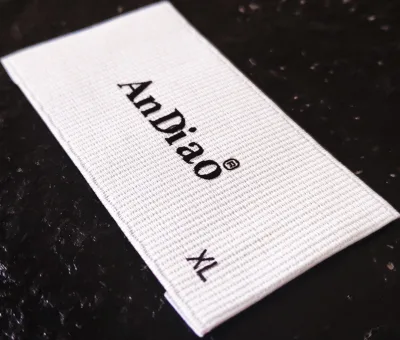
Custom Iron on Large Design Woven Patches Embroidery Logo Embroidered Patch
$0.22 - $0.30
MOQ: 100 Pieces




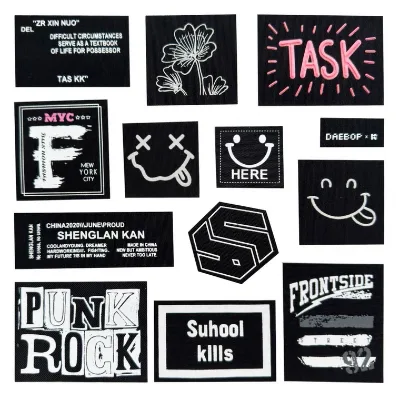
Custom Embroidery Woven Iron-on Logo Patch Badge for Clothing Accessories
$0.30 - $1.00
MOQ: 50 Pieces




Comprehensive Sourcing Guide
Sourcing Guide for Eco-Friendly Iron-On Embroidered Labels
Understanding Product Specifications and Material Composition
When sourcing eco-friendly iron-on embroidered labels, buyers must first establish a clear understanding of the technical specifications that define the product's quality and functionality. The core product type identified in the market data is the "Patch," specifically designed for application on garments, bags, and caps. These items are categorized under "Garment Accessory" and "Home Textiles," indicating their versatility across various industries. A critical specification to verify is the fabric type. The available data highlights "Twill" and "Chenille" as primary materials, with "Cotton" also appearing as a viable option. Twill offers a durable, diagonal weave structure often preferred for its texture, while Chenille provides a soft, fuzzy surface that is highly visible and tactile. The production technique is consistently listed as "Embroidered," which is essential for the durability and aesthetic appeal of the label.
The physical attributes of these labels are highly customizable. Buyers should note that "Custom Size" and "Custom Shape" are standard offerings, allowing for unique branding opportunities. The "Iron on" style is a dominant feature, suggesting a heat-activated adhesive backing that facilitates easy application without the need for sewing. This method is particularly useful for promotional events, gifts, and company identification purposes. The design capabilities extend to "Geometric" patterns and "Custom" decorations, with suppliers often offering design assistance before production begins. Furthermore, specific features such as "3D" effects and "Flashing" capabilities are available, adding a layer of visual distinction to the labels. The "Eco-Friendly" attribute is a recurring and critical specification, signaling that the materials and production processes align with sustainability goals. However, buyers must verify how this claim is substantiated, as the term can be applied broadly without specific regulatory backing unless confirmed.
Compliance Verification and Certification Standards
In the realm of eco-friendly textiles, compliance and certification are paramount to ensuring that the "Eco-Friendly" claims are legitimate and meet international safety standards. While the provided data explicitly lists "RoHS" (Restriction of Hazardous Substances) as a certification, it is crucial to understand that RoHS primarily focuses on limiting hazardous materials in electrical and electronic equipment, though its principles regarding material safety often influence textile supply chains. The data also references "OEKO-TEX" and "GOTS" (Global Organic Textile Standard) in the low-confidence background section. Buyers should treat these as verification targets rather than confirmed attributes of every listed product.
To ensure genuine eco-compliance, procurement teams must request specific test reports. The presence of "Nickel-Free" is a specific, high-confidence attribute mentioned in the data, which is vital for preventing skin irritation and aligning with safety standards for wearable items. Buyers should verify if the "Eco-Friendly" designation extends to the thread, the backing adhesive, and the dyeing processes used. Since the data does not confirm GOTS certification for all items, buyers should not assume organic fiber content without direct evidence. Instead, the procurement strategy should involve asking suppliers for documentation that proves the absence of toxic chemicals, heavy metals, and allergens. The "Custom" standard listed in the data suggests that while the product can be tailored, the environmental standards must be explicitly defined in the purchase order to avoid ambiguity.
Cost Drivers and Pricing Dynamics
The pricing structure for eco-friendly iron-on embroidered labels is influenced by several dynamic factors, including material selection, customization complexity, and order volume. The observed price range in the market spans from $0.02 to $30.00 USD. This wide variance indicates that the cost is heavily dependent on the specific attributes chosen by the buyer. A basic, small, geometric patch made from standard twill will likely fall at the lower end of this spectrum, whereas a large, 3D chenille patch with flashing features and custom design work will command a premium price.
Material costs play a significant role, with Chenille and specialized Eco-friendly threads typically costing more than standard cotton or synthetic blends. The "Customization" aspect is a major cost driver; while "No MOQ" (Minimum Order Quantity) is listed as a high-confidence fact, the unit price will inevitably decrease as the order volume increases. The "Sample Time" of 3-5 shipping days and "Production Time" of 5-7 days suggest that the supply chain is relatively agile, but rush orders may incur additional fees. Buyers should also consider the "Automatic Grade" and "Electric" power supply mentioned in the data, which implies a mechanized production process that can affect efficiency and cost. However, the "Handmade" feature noted in some listings suggests that certain high-end or intricate designs may still rely on manual labor, which can increase costs. Understanding these variables allows buyers to negotiate effectively and budget accurately for their specific requirements.
Typical Applications and Usage Scenarios
The versatility of eco-friendly iron-on embroidered labels makes them suitable for a broad range of applications. The data explicitly categorizes their usage under "Promotional Events," "Gifts," "Fashion Accessories," and "Company Identification." This indicates that these labels are not merely functional but serve as branding tools. For fashion brands, the "Iron on" style allows for quick application on clothing, bags, and caps, making them ideal for limited edition runs or custom orders. The "Modern" age classification suggests they are well-suited for contemporary fashion trends that value sustainability and unique design elements.
In the corporate sector, these labels are used for "Company Identification," serving as a way to brand uniforms or promotional merchandise. The ability to create "Custom Shape" and "Custom Color" labels enables companies to match their brand identity precisely. The "Geometric" design option and "3D" features add a modern aesthetic that appeals to younger demographics. Additionally, the "Home Textiles" usage category implies that these labels can be applied to items like pillows, curtains, or tote bags, expanding their utility beyond apparel. The "Flashing" feature, while less common, offers a unique option for event-specific branding or safety-related accessories. Buyers should align their product selection with the intended application, ensuring that the material durability and adhesive strength meet the demands of the specific use case, whether it is a garment that will be washed frequently or a promotional gift with a shorter lifespan.
Supplier Evaluation and Production Capabilities
Evaluating suppliers for eco-friendly embroidered labels requires a focus on their manufacturing capabilities and business structure. The data identifies the business type as "Factories & Manufacturers," which is a positive indicator of direct production control and potential cost efficiency. The "Place of Origin" is consistently listed as "Guangdong, China," a region known for its robust textile industry. Some entries specify "Guangdong. Zhongshan," providing a more granular location that may be relevant for logistics planning.
When assessing suppliers, buyers should verify their capacity for "Customisation" and their ability to handle "OEM/ODM" (Original Equipment Manufacturer/Original Design Manufacturer) orders. The "Model Number" field lists various codes like "E037," "E066," and "YYBD," which suggests a diverse product catalog. Buyers should ensure that the supplier can accommodate the specific "Custom Size" and "Custom Shape" requirements without compromising quality. The "Sample Time" of 3-5 shipping days and "Production Time" of 5-7 days indicate a responsive supply chain, but buyers must confirm if these timelines hold for large-scale orders. The "Brand Name" "Yingying" is mentioned, but buyers should not rely on a single brand and should instead evaluate the factory's overall reputation and quality control processes. The "UPS /DHL/ FedEx" packing options suggest reliable logistics partnerships, which is essential for international procurement.
Quality Control and Long-Term Procurement Considerations
Maintaining consistent quality is critical when sourcing custom embroidered labels. The "Condition" is listed as "New," which is a baseline expectation, but buyers must implement rigorous quality control measures. Key areas to inspect include the stitch density, the adhesion strength of the iron-on backing, and the colorfastness of the dyes. The "Eco-Friendly" claim must be validated through ongoing testing, especially if the supplier changes material sources. The "Handmade" aspect mentioned in some listings requires careful oversight to ensure consistency across batches, as manual processes can introduce variability.
For long-term procurement, buyers should establish clear specifications for "Custom" decorations and "Button Material" if applicable, ensuring that all components meet the required standards. The "Automatic Grade" production suggests a high level of consistency, but regular audits are necessary to maintain this standard. Buyers should also consider the "Product Type" stability; as the market evolves, suppliers may introduce new materials or techniques. Establishing a long-term relationship with a "Factories & Manufacturers" type supplier can provide better pricing and priority production slots. The "No MOQ" flexibility is advantageous for testing new designs, but for large-scale production, negotiating volume-based discounts is essential. Finally, buyers should ensure that the "Eco-Friendly" attributes are documented in every purchase order to maintain compliance and brand integrity over time.
Strategic Sourcing and Market Alignment
Aligning sourcing strategies with market trends is essential for maximizing the value of eco-friendly iron-on embroidered labels. The "Modern" age classification and the availability of "Geometric" and "3D" designs reflect current consumer preferences for unique, sustainable, and visually striking accessories. Buyers should leverage the "Customization" capabilities to differentiate their products in a crowded market. The "Eco-Friendly" attribute is a significant selling point, but it must be communicated clearly to end-users through proper labeling and marketing.
The "Usage" categories, ranging from "Promotional Events" to "Company Identification," offer diverse revenue streams. Buyers should diversify their product offerings to cater to these different segments, perhaps focusing on high-volume, low-cost items for promotional events and premium, custom-designed items for fashion brands. The "Guangdong" origin provides access to a mature supply chain, but buyers should remain vigilant about logistics and lead times. The "Sample Time" and "Production Time" data suggest a relatively fast turnaround, which is beneficial for responding to market demands quickly. By combining technical precision, compliance verification, and strategic market alignment, buyers can successfully source high-quality eco-friendly iron-on embroidered labels that meet both functional and sustainability goals.
FAQs
What materials are used for eco friendly iron on embroidered labels?
These labels are primarily made from Twill, Chenille, and Cotton fabrics. The production technique is consistently embroidered, offering durability and a soft texture. Buyers can select specific materials based on their desired tactile feel and visual appearance for the final product.
Can I get custom sizes and shapes for these embroidered patches?
Yes, custom sizes and custom shapes are standard offerings for these products. The design process allows for geometric patterns and unique decorations tailored to your brand. Suppliers often assist with design before production begins to ensure the final patch meets your exact specifications.
How long does it take to produce and ship these labels?
Production typically takes 5 to 7 days, while sample shipping requires 3 to 5 days. This timeline applies to standard orders, though rush requests may vary. The efficient production cycle supports agile supply chains for both promotional events and fashion accessories.
What certifications do these eco friendly labels hold?
The products explicitly hold RoHS certification, ensuring restricted hazardous substances are managed. Some listings also mention Nickel-Free attributes for skin safety. While eco-friendly claims are present, buyers should verify specific environmental standards like GOTS or OEKO-TEX individually as they are not universally confirmed.
Where are these embroidered label manufacturers located?
The manufacturers are located in Guangdong, China, with specific origins noted in Zhongshan. This region is known for its robust textile industry and direct factory capabilities. Buyers can expect reliable logistics through partners like UPS, DHL, and FedEx for international shipping.
Is there a minimum order quantity for these custom patches?
No minimum order quantity is required for these custom patches. This flexibility allows buyers to test designs or order small batches for gifts and promotional events. Despite the lack of MOQ, unit pricing may vary based on material complexity and customization levels.