Source Eco-Friendly Irregular Wooden Cabinet Pulls for Kitchen, Bathroom, Bedroom
Compare 30 listings for Eco-Friendly Irregular Wooden Cabinet Pulls from verified Chinese manufacturers. Buyers can evaluate materials like zinc alloy and stainless steel, customization options, and delivery terms for kitchen, bathroom, and bedroom applications.
Key considerations
Products List

Wooden Drawer Cabinet Door Closet Pull Recessed Concealed Drawer Handle Pull
$1.11 - $1.30
MOQ: 1000 Pieces


5" Length Cabinet Pulls Handles for Cabinets Compatible to Different Cabinet Style
$0.30 - $2.50
MOQ: 1000 Pieces
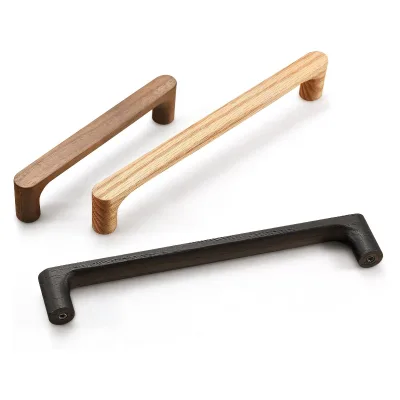
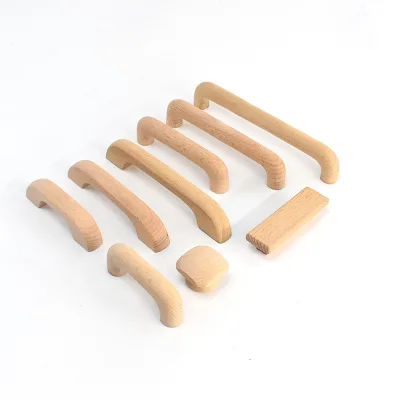
OEM Custom Kitchen Cabinets Wardrobe Wooden Handles Door Pulls for Cabinet Drawer Door
$0.61 - $0.97
MOQ: 100 pieces


Egg/Oval Shape Furniture Handle Wardrobe Cupboard Cabinet Door Drawer Pulls
$2.94 - $11.77
MOQ: 3000 Pieces


Comprehensive Sourcing Guide
Eco-Friendly Irregular Wooden Cabinet Pulls Sourcing Guide
Sourcing hardware for cabinetry requires a careful balance between aesthetic uniqueness and functional reliability. The term "eco-friendly irregular wooden cabinet pulls" suggests a niche segment of hardware that prioritizes sustainable materials and non-standard, organic designs. Buyers in this space are often looking for pieces that serve as focal points in modern, rustic, or artisanal interior designs. These pulls are not merely functional components but design elements that convey a commitment to natural aesthetics and environmental responsibility. Understanding the specific characteristics of this category is essential for procurement teams aiming to differentiate their furniture or fixture offerings in a competitive market.
The procurement process for such specialized hardware involves navigating a complex supply chain that blends traditional woodworking with modern manufacturing techniques. Unlike mass-produced metal handles, wooden pulls require specific attention to grain orientation, moisture content, and finishing processes to ensure durability. The "irregular" aspect of the design implies that these items may be handcrafted or semi-customized, which introduces variability in production times and quality control challenges. Buyers must therefore establish clear communication channels with suppliers to manage expectations regarding lead times, sample approvals, and batch consistency. This guide provides a structured approach to evaluating suppliers and products within this specific hardware category.
Product Scope and Observed Listing Signals
The current market landscape for cabinet hardware reveals a diverse range of materials and styles, though specific listings for "eco-friendly irregular wooden" pulls are less common than standard metal or composite alternatives. Observed product data indicates a strong prevalence of zinc alloy and stainless steel handles, with models such as LA-6067, LA-1176, and LV-9065 dominating the supply base. These metal options often feature die-casting and electroplating technologies, with finishes ranging from PVD to custom plating. While these products offer high durability and precise hole distances (e.g., 96mm, 128mm), they do not inherently align with the "wooden" or "eco-friendly" criteria specified in the core keyword. Buyers must carefully distinguish between suppliers offering genuine wood products and those providing metal imitations or composite materials that mimic wood grain.
Despite the dominance of metal hardware in the observed data, there are signals indicating a capacity for customization and varied material sourcing. Some listings mention "various" standards and origins in Guangdong, China, including Foshan and Jiangmen, which are major hubs for furniture hardware manufacturing. The presence of OEM services and logo customization suggests that suppliers are open to producing unique designs, potentially including wooden components if specified. However, the absence of explicit "wooden" material tags in the high-confidence facts requires buyers to verify material composition directly. The observed price range of $0.1 to $68 USD and MOQs from 10 to 3000 pieces indicate a flexible supply chain, but buyers should be cautious of low-cost options that may compromise on the sustainability claims associated with "eco-friendly" products.
Technical Specifications to Verify
When evaluating irregular wooden cabinet pulls, the first technical verification must focus on the material composition and treatment process. Buyers should confirm whether the wood is solid, engineered, or a composite, and verify the source of the timber to ensure it meets eco-friendly standards. Key specifications to request include the moisture content of the wood, which typically should be between 8% and 12% to prevent warping or cracking in indoor environments. Additionally, the type of finish applied to the wood is critical; buyers should inquire about the use of low-VOC (Volatile Organic Compounds) sealants, water-based lacquers, or natural oils that align with sustainability goals. The irregular shape of the pulls may also require specific mounting hardware or reinforced internal structures to ensure they can withstand frequent use without breaking.
Dimensional accuracy and mounting compatibility are equally important technical considerations. While standard hole distances like 96mm, 128mm, and 160mm are common in the observed data, irregular wooden pulls may require custom drilling patterns or adjustable mounting systems. Buyers must verify the total length, diameter, and height of the pulls to ensure they fit the intended cabinet doors or drawers. The observed data mentions sizes such as 12816mm and 14433mm for certain models, which provides a reference point for standard dimensions. However, for irregular designs, buyers should request detailed CAD drawings or physical samples to confirm the exact footprint and center-to-center measurements. Furthermore, the weight of the wooden pulls should be assessed to ensure that the mounting screws and cabinet structure can support the load without sagging or failure.
Compliance and Safety Documentation
Sustainability claims in the hardware industry are often supported by specific certifications that verify the ethical sourcing of materials and the environmental impact of production. Buyers should request documentation such as FSC (Forest Stewardship Council) certification for wooden components, which ensures that the timber comes from responsibly managed forests. Although FSC is listed as a low-confidence background fact in the provided data, it remains a critical standard for verifying "eco-friendly" claims. Buyers must also inquire about other relevant certifications, such as ISO 9001 for quality management or ISO 14001 for environmental management, which indicate a supplier’s commitment to consistent quality and sustainable practices. These certifications provide a layer of assurance that the supplier adheres to recognized international standards.
In addition to material certifications, buyers should verify compliance with safety and chemical regulations, particularly for products sold in regulated markets like the European Union or North America. This includes checking for REACH compliance in the EU, which restricts the use of hazardous substances in manufacturing processes, and CARB Phase 2 compliance for wood products, which limits formaldehyde emissions. Buyers should also request test reports for the finishes and adhesives used in the production of the pulls, ensuring they are free from harmful chemicals. The observed data mentions SGS and ISO certifications for some metal products, which suggests that suppliers may have the capability to provide similar testing for wooden items. However, buyers must explicitly request these documents for the specific wooden pulls they intend to purchase, as they are not automatically included in standard product listings.
Cost Drivers and Commercial Terms
The cost of eco-friendly irregular wooden cabinet pulls is influenced by several factors, including the type of wood, the complexity of the irregular design, and the finishing process. Premium hardwoods such as oak, walnut, or teak will command higher prices than softer woods or engineered wood products. The irregular shape of the pulls may also increase production costs due to the need for specialized machining or hand-finishing techniques. Buyers should expect a wider price range for these custom items compared to standard metal handles, with costs varying based on the level of customization and the quantity ordered. The observed data shows a broad price range of $0.1 to $68 USD, but this likely reflects the diversity of materials and styles available, with wooden pulls potentially falling in the mid-to-high range depending on their quality and design.
Commercial terms such as MOQ (Minimum Order Quantity), lead times, and payment terms are critical components of the procurement strategy. The observed data indicates MOQs ranging from 10 to 3000 pieces, with some suppliers offering reasonable quantity samples for free. Buyers should negotiate MOQs based on their initial order volume and potential for repeat business, as lower MOQs may come with higher per-unit costs. Lead times for irregular wooden pulls may be longer than for standard metal hardware due to the customization involved, with observed delivery details suggesting 25-35 days after deposit. Buyers should also clarify payment terms, such as the percentage of deposit required and the balance due before shipment, to manage cash flow effectively. Additionally, buyers should inquire about the supplier’s supply ability, with some listing daily outputs of up to 100,000 pieces, to ensure they can meet their project deadlines.
Supplier Qualification and Quality Control
Selecting the right supplier for eco-friendly irregular wooden cabinet pulls requires a thorough evaluation of their manufacturing capabilities and quality control processes. Buyers should verify the supplier’s experience in producing wooden hardware, including their access to raw materials and their expertise in woodworking techniques. The observed data mentions suppliers located in Guangdong, China, a region known for its robust manufacturing infrastructure. Buyers should request information about the supplier’s production facilities, including the types of machinery used for cutting, shaping, and finishing the wooden pulls. Additionally, buyers should inquire about the supplier’s quality control procedures, such as inspection stages during production and final packaging checks, to ensure that the products meet the specified standards.
Communication and responsiveness are also key indicators of a reliable supplier. The observed data highlights a 24-hour response service and long-term OEM capabilities, which suggest that some suppliers are committed to building strong relationships with their clients. Buyers should assess the supplier’s ability to provide timely updates on order status and their willingness to accommodate custom requests. It is also important to verify the supplier’s reputation through customer reviews or references, if available. Buyers should consider requesting a sample order before committing to a large purchase, as this allows them to evaluate the product quality, packaging, and overall service experience. The observed data mentions that samples are available on request, which provides an opportunity for buyers to assess the supplier’s commitment to quality and customer satisfaction.
Long-Term Procurement Checks
Establishing a long-term procurement strategy for eco-friendly irregular wooden cabinet pulls involves continuous monitoring of supplier performance and market trends. Buyers should regularly review supplier metrics such as on-time delivery rates, defect rates, and responsiveness to issues. This data can help identify potential risks and opportunities for improvement in the supply chain. Additionally, buyers should stay informed about changes in sustainability standards and regulations that may affect the sourcing of wooden materials. This includes tracking developments in FSC certification requirements and other eco-labels that may become mandatory in certain markets. By staying proactive, buyers can ensure that their suppliers remain compliant and competitive.
Another critical aspect of long-term procurement is the development of a robust risk management plan. Buyers should diversify their supplier base to mitigate the risk of supply disruptions, especially for specialized items like irregular wooden pulls. This may involve identifying alternative suppliers in different regions or with different material sources. Buyers should also consider the potential impact of raw material price fluctuations on the cost of wooden hardware and negotiate pricing agreements that provide some stability. Finally, buyers should maintain open communication with their suppliers to foster collaboration and innovation. By working closely with suppliers, buyers can drive improvements in product design, sustainability, and efficiency, ensuring a competitive advantage in the market.
FAQs
Can I request samples for Eco-Friendly Irregular Wooden Cabinet Pulls?
Reasonable quantity samples are free on request for these products. Buyers can obtain samples to verify quality before placing larger orders, ensuring the material and finish meet expectations.
What customization options are available for these cabinet pulls?
Customization is available for logos and specific client requirements. Buyers can request long-term branding or OEM services, allowing for tailored designs that match their specific furniture or hardware needs.
How long is the delivery time for these cabinet hardware items?
Delivery typically takes 25 to 35 days after the deposit is received. This lead time applies to standard production runs, ensuring sufficient time for manufacturing and quality control processes.
Which certifications do these cabinet pulls hold?
Products hold ISO and SGS certifications to ensure quality standards. These certifications verify that the manufacturing processes and materials meet international requirements for safety and reliability in hardware applications.
What is the minimum order quantity for these cabinet handles?
The minimum order quantity ranges from 10 to 3000 pieces depending on the specific model. Buyers should check the specific product details to confirm the exact MOQ required for their order size.
Where are these cabinet pulls manufactured?
These products originate from Guangdong Province, China, including cities like Foshan and Jiangmen. This location is a known hub for hardware manufacturing, offering access to established supply chains and production facilities.