Source Eco-Friendly Irregular Aquarium Ornaments for tanks, ponds, and displays
Compare 30 Eco-Friendly Irregular Aquarium Ornaments from Guangdong suppliers. Buyers can review PVC and polyresin models in various sizes for aquarium tank decoration, indoor use, and coral light setups.
Key considerations
Products List


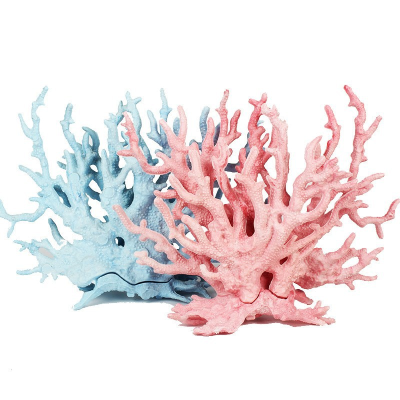
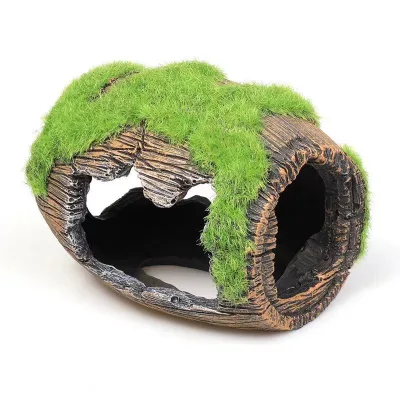
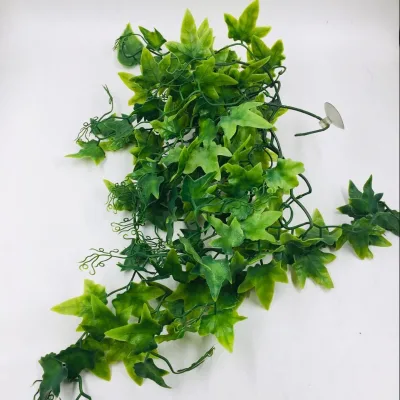
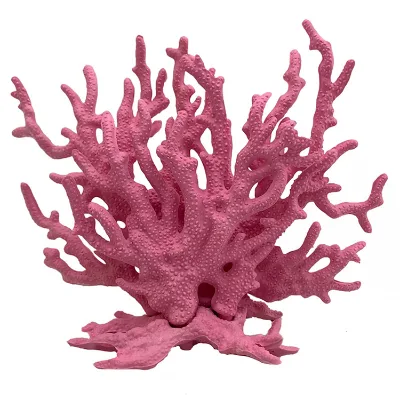
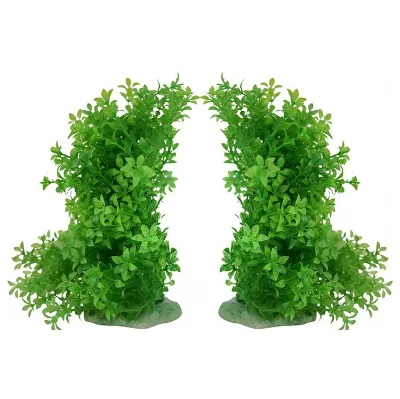
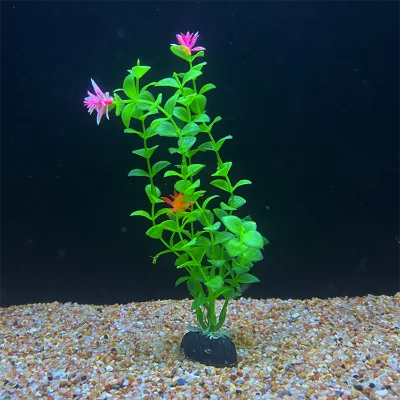
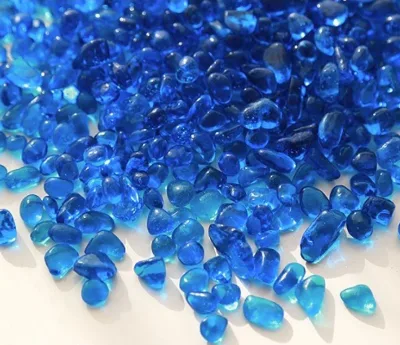



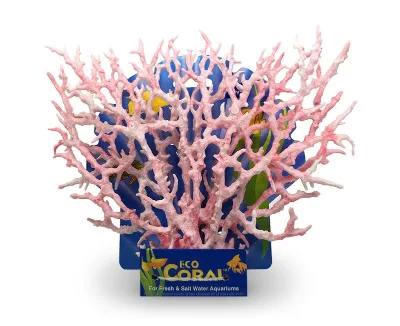


Hot Sale Elegant Aquarium Fish Tank Layout Durable Resin Craft Coral Ornament
$2.23 - $2.62
MOQ: 350 Pieces




Comprehensive Sourcing Guide
Eco-Friendly Irregular Aquarium Ornaments Sourcing Guide
Sourcing eco-friendly irregular aquarium ornaments requires a nuanced understanding of material composition, aesthetic versatility, and regulatory compliance. These decorative elements are designed to mimic natural underwater environments, providing hiding spots and visual interest for aquatic life while maintaining water quality. Buyers must distinguish between products labeled as "eco-friendly" based on material safety versus those marketed through sustainable manufacturing processes. The irregular shapes offer a more naturalistic appearance compared to geometric molds, which is often preferred by aquascapers and retail aquarium stores aiming for high-end displays.
The procurement landscape for these items is diverse, ranging from small-scale resin crafts to larger acrylic or glass structures. Observations from current market listings indicate a wide range of product models, including SH-01, RT601XL, and various FA-series plant and coral imitations. These items serve dual purposes: enhancing the aesthetic appeal of freshwater and saltwater tanks while supporting the behavioral needs of fish and invertebrates. Understanding the specific material properties, such as the use of polyresin or PVC, is critical for ensuring long-term durability and safety for aquatic inhabitants.
Product Scope and Observed Listing Signals
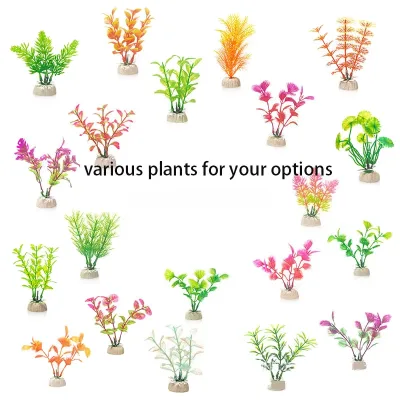
The current market offers a variety of ornament types, primarily categorized under decorations and ornaments with a focus on plant-like structures and stone imitations. Listings frequently highlight customization options, allowing buyers to request specific colors such as pink, blue, green, purple, and orange, or white, yellow, and red. These color variations cater to different tank themes, from vibrant tropical setups to more subdued, naturalistic aquascapes. The availability of both customized and non-customized options provides flexibility for bulk purchasers who may need standardized inventory as well as bespoke items for specialized clients.
Product sizes vary significantly, ranging from mini and small dimensions to middle and large configurations, accommodating different aquarium volumes. For instance, some models are specified for mini aquariums, while others are suitable for larger setups. The material composition is a key differentiator, with many items constructed from polyresin or a combination of PVC and polyresin. These materials are chosen for their ability to hold intricate details and vibrant colors while being generally inert in water. However, buyers should verify the specific material grade to ensure it is safe for prolonged submersion and does not leach harmful substances.
Technical Specifications to Verify
When evaluating technical specifications, the physical dimensions and packaging details are crucial for logistics and storage planning. Observed models include specific dimensions such as 10109cm, 15.5723cm, and 1512.512.5cm, which help in estimating the number of units that can fit into standard shipping cartons. Packaging methods also vary, with some items packed individually in PVC boxes, while others are bulk-packed in cartons with quantities like 60 PCS/CTN or 48 PCS/CTN. These packaging standards directly impact shipping costs and the risk of damage during transit, making it essential to confirm the packing integrity before placing large orders.
The structural integrity and surface finish of the ornaments are equally important. Items described as having an "eco-friendly" feature often imply a non-toxic coating or material, but this should be verified through material safety data sheets. The irregular shapes, such as those found in the "Ornament-stones" or "fluorescent soft coral series," require careful handling to prevent chipping or breakage. Additionally, the weight of the ornaments affects their stability in the tank; heavier polyresin items are less likely to be displaced by active fish, while lighter PVC items may require anchoring or strategic placement.
Compliance and Safety Documentation
Safety compliance is paramount when sourcing aquarium decorations, as any chemical leaching can harm aquatic life and disrupt the tank's ecosystem. Buyers should request documentation confirming that the materials, particularly polyresin and PVC, are free from heavy metals, phthalates, and other harmful additives. While some listings mention "eco-friendly" attributes, this term is not strictly regulated, so third-party testing reports are necessary to validate these claims. Ensuring that the ornaments are inert and do not alter the pH or hardness of the water is a critical step in the procurement process.
Furthermore, the origin of the products, often listed as Guangdong, China, or simply China, may have implications for regulatory compliance depending on the destination market. Buyers importing into regions with strict environmental standards, such as the EU or North America, must ensure that the products meet local safety regulations. This includes verifying that the manufacturing process adheres to environmental standards and that the final product does not contain banned substances. Requesting certificates of conformity or material safety data sheets from the supplier is a standard practice to mitigate legal and health risks.
Cost Drivers and Commercial Terms
The cost of eco-friendly irregular aquarium ornaments is influenced by several factors, including material quality, customization complexity, and order volume. Observed price ranges in the market vary widely, from low-cost basic items to premium, intricately designed pieces. The minimum order quantity (MOQ) also plays a significant role, with ranges observed from as low as 1 unit to as high as 3500 units. Higher MOQs often result in better unit prices, but buyers must balance this with their storage capacity and sales velocity to avoid excess inventory.
Customization options, such as specific colors or shapes, can increase production costs and lead times. Suppliers may charge additional fees for custom molds or special packaging requirements. It is important to clarify all commercial terms, including payment methods, shipping responsibilities, and return policies, before finalizing the order. Understanding the total landed cost, including freight and duties, is essential for accurate margin calculation. Buyers should also inquire about sample policies to evaluate product quality before committing to large volumes.
Supplier Qualification and Quality Control
Selecting a reliable supplier involves assessing their production capabilities, quality control processes, and track record. Suppliers located in manufacturing hubs like Guangdong often have access to a wide range of materials and skilled labor, but this does not guarantee consistent quality. Buyers should request samples to inspect the finish, color accuracy, and structural integrity of the ornaments. Checking for defects such as air bubbles, uneven coloring, or sharp edges is a basic but effective quality control measure.
Additionally, verifying the supplier's ability to meet customization requests and maintain consistent quality across batches is crucial. Suppliers with established quality control protocols, such as pre-shipment inspections and random sampling, are preferable. Buyers should also consider the supplier's responsiveness and communication skills, as these factors can impact the smooth execution of orders. Building a relationship with a supplier who prioritizes quality and transparency can lead to long-term benefits, including better pricing and priority support during peak seasons.
Long-Term Procurement Checks
Long-term procurement success depends on continuous monitoring of product performance and supplier reliability. Buyers should establish a feedback loop with their end-users, such as aquarium retailers or hobbyists, to gather insights on product durability and customer satisfaction. Issues such as color fading, material degradation, or customer complaints about safety should be addressed promptly with the supplier. Regular audits of the supplier's quality control processes can help identify and rectify potential issues before they impact the supply chain.
Furthermore, staying informed about changes in material regulations and market trends is essential for maintaining a competitive edge. As consumer preferences shift towards more sustainable and naturalistic aquarium decorations, suppliers may need to adapt their product offerings. Buyers should engage in ongoing dialogue with their suppliers to explore new materials, designs, and eco-friendly innovations. By maintaining a proactive approach to procurement, buyers can ensure a steady supply of high-quality, safe, and appealing aquarium ornaments that meet the evolving needs of their customers.
FAQs
What materials are used for Eco-Friendly Irregular Aquarium Ornaments?
These ornaments are primarily made from PVC and Polyresin materials. Some specific models also utilize Acrylic or Glass for aquarium tanks. The materials ensure durability while maintaining an eco-friendly profile suitable for various tank environments.
Can I find customized Eco-Friendly Irregular Aquarium Ornaments?
Yes, customization is available for these products. Buyers can choose between customized and non-customized options depending on their specific needs. The product attributes confirm that customization services are offered to meet diverse design requirements.
Which sizes of aquariums do these ornaments fit?
These ornaments are designed to fit Mini, Middle, and Large aquarium sizes. Specific models like SH-01 and SH cater to different dimensions. The variety ensures compatibility with various tank setups ranging from small desktop units to larger displays.
How are these ornaments packed for shipping?
Packaging varies by model, often using cartons or PVC boxes. Some items are packed as 6 pieces per carton, while others come in 60 pieces per carton. The standard packing method ensures safe transport and organization during delivery.
Where are these eco friendly ornaments manufactured?
The products originate from Guangdong, China, or mainland China regions. This location is a known hub for aquarium decoration manufacturing. Buyers can expect consistent quality standards associated with production facilities in this specific geographic area.
What colors are available for these aquarium decorations?
Available colors include Pink, Blue, Green, Purple, Orange, White, Yellow, and Red. Some items may also appear as pictured to match specific aesthetic needs. The color range allows buyers to select options that complement their tank decor themes.