Source eco-friendly minimalist melamine dinner plate for Hotels, Catering, and Retail
Find 30 eco-friendly minimalist melamine dinner plate options from Chinese manufacturers. Compare specifications including sizes from 8 to 12 inches, certifications like FDA and CE/EU, and customization features for bulk sourcing needs.
Key considerations
Products List


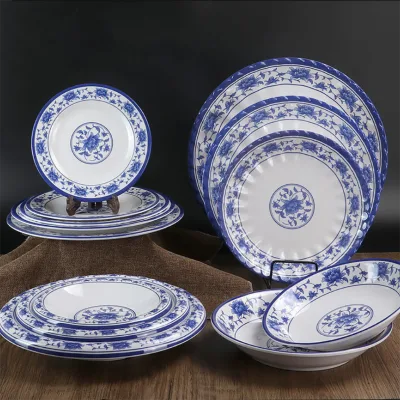
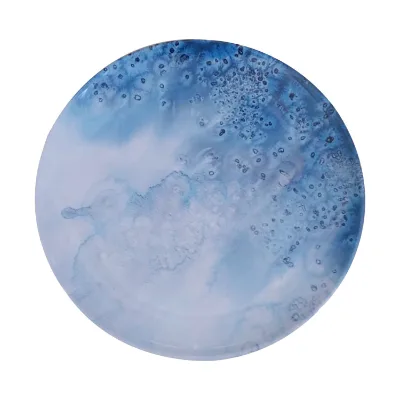
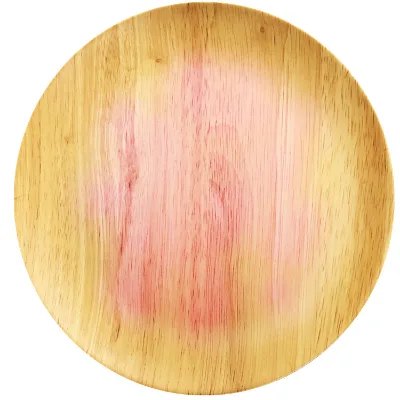


Factory Direct Supply BPA Free Melamine Dinner Plate with Rustic Design
$0.60 - $1.00
MOQ: 1000 Pieces

Comprehensive Sourcing Guide
Eco-Friendly Minimalist Melamine Dinner Plate Sourcing Guide
Sourcing eco-friendly minimalist melamine dinner plates requires a careful balance between aesthetic simplicity, material durability, and regulatory compliance. The modern hospitality and retail sectors increasingly favor tableware that combines visual restraint with functional resilience, making melamine a preferred material for high-turnover environments. Buyers must navigate a market where "eco-friendly" claims are often loosely applied, necessitating a rigorous verification of material composition and manufacturing standards. This guide provides a structured approach to evaluating suppliers, verifying technical specifications, and ensuring that the final product meets both brand identity and safety requirements.
The procurement process for these items is characterized by a wide variance in product attributes, from standard sizes to fully customized dimensions. While the core material is consistently identified as melamine, the specific formulation, color options, and packaging methods vary significantly across suppliers. Understanding these variations is critical for maintaining consistency in large-scale orders. This guide focuses on the key decision points that determine the quality, safety, and commercial viability of sourcing minimalist melamine dinner plates, ensuring that buyers can make informed decisions based on verified data rather than marketing assertions.
Product Scope and Observed Listing Signals
The observed market for melamine dinner plates reveals a diverse range of product configurations, with sizes typically spanning from 8 to 12 inches, alongside specific metric dimensions such as 228mm x 228mm. Listings frequently highlight a minimalist aesthetic, often featuring multicolor options or specific design themes like "blue and white" patterns, which cater to varied interior design preferences. The term "eco-friendly" is commonly used as a key attribute, suggesting that manufacturers are positioning these products as sustainable alternatives to ceramic or porcelain, although the exact environmental impact depends on the specific production processes and material purity.
Commercial signals indicate that customization is a primary driver in this category, with many suppliers offering tailored sizes, logos, and packaging solutions. The observed minimum order quantities (MOQs) range from 30 to 10,000 pieces, reflecting the flexibility of manufacturers to accommodate both small boutique orders and large institutional contracts. Pricing is observed within a broad range, suggesting that factors such as material purity, certification levels, and packaging complexity significantly influence the final cost. Buyers should note that while some listings claim "100% melamine," others may specify blends, which can affect durability and safety profiles.
Technical Specifications to Verify
Material composition is the most critical technical specification to verify, as the term "melamine" can refer to pure melamine-formaldehyde resin or blends with other plastics. Buyers should request explicit confirmation of whether the product is made from 100% melamine or contains fillers, as this directly impacts heat resistance and longevity. The observed data includes references to specific models and dimensions, such as 228mm x 228mm x 16mm or 290mm x 200mm x 20mm, which must be cross-referenced with the buyer’s specific operational needs. Verifying the exact thickness and weight of the plate is essential to ensure it meets the desired aesthetic of minimalism without compromising structural integrity.
Packaging and branding details are also key technical considerations that affect both product protection and brand presentation. Suppliers offer various packaging options, including standard export cartons with polybags and foam, kraft paper boxes, or inner boxes combined with master boxes. The choice of packaging can influence the product’s perceived value and its ability to withstand shipping stresses. Additionally, the acceptability of custom logos and branding should be confirmed early in the sourcing process, as this can impact production lead times and minimum order requirements. Buyers should specify the exact placement and method of logo application to ensure consistency across the order.
Compliance and Safety Documentation
Regulatory compliance is non-negotiable for melamine tableware, particularly when products are intended for use in regions with strict food safety standards. The observed listings frequently cite certifications such as FDA, CE/EU, and SGS, which indicate that the products have undergone testing for specific safety parameters. Buyers must verify that these certifications are current and applicable to the specific product model and material composition. It is crucial to request copies of the actual test reports rather than relying solely on the mention of certification marks, as these documents provide detailed evidence of compliance with migration limits and heavy metal content.
European standards, such as 2002/72/EC, are often referenced in the context of melamine tableware, indicating adherence to specific regulations regarding plastic materials and articles intended to come into contact with food. Buyers should ensure that the supplier’s documentation aligns with the regulatory requirements of their target market. For instance, products destined for the European Union must comply with REACH regulations, while those for the United States must meet FDA requirements. Verifying that the supplier has a robust quality management system in place is also essential to ensure ongoing compliance and consistency in production.
Cost Drivers and Commercial Terms
The cost of melamine dinner plates is influenced by several factors, including material purity, production volume, and packaging complexity. Pure melamine resin is more expensive than blends, and products with higher thickness or specific dimensional tolerances may incur additional manufacturing costs. The observed price range of $0.26 to $30 USD reflects the wide variety of product qualities and specifications available in the market. Buyers should be cautious of prices that seem unusually low, as they may indicate the use of lower-quality materials or incomplete certification processes.
Commercial terms, including MOQs and payment conditions, vary significantly among suppliers. The observed MOQs range from 30 to 10,000 pieces, allowing for flexibility in order sizing. However, higher customization levels, such as unique logos or specific packaging, may increase the MOQ. Buyers should negotiate clear terms regarding price breaks for larger volumes and clarify any additional costs for tooling or setup fees. It is also important to establish clear lead times and shipping terms to avoid delays and ensure that the product arrives in time for market launch or seasonal demand.
Supplier Qualification and Quality Control
Supplier qualification is a critical step in ensuring the reliability and consistency of melamine dinner plate orders. Buyers should conduct thorough due diligence on potential suppliers, including verifying their business licenses, production capabilities, and quality control processes. The observed data indicates that suppliers are located in various regions of China, such as Guangzhou, Shandong, and Fujian, each with its own industrial strengths. Buyers should consider the supplier’s location in relation to shipping logistics and potential tariffs.
Quality control measures should be explicitly defined in the purchase agreement, including inspection points during production and before shipment. Buyers should request samples for initial evaluation and consider hiring third-party inspection services for larger orders. The observed listings mention various product models and standards, which should be used as benchmarks for quality verification. Establishing a clear process for handling defects or non-conforming products is also essential to mitigate risks and ensure customer satisfaction.
Long-Term Procurement Checks
Long-term procurement success depends on maintaining consistent quality and compliance over multiple orders. Buyers should establish a regular review process to assess supplier performance, including on-time delivery rates, product quality, and responsiveness to issues. The dynamic nature of regulatory standards requires ongoing vigilance to ensure that products remain compliant with evolving laws and market expectations. Buyers should stay informed about changes in food safety regulations and material standards that may impact their sourcing decisions.
Building a strong relationship with suppliers can lead to better pricing, priority production, and improved support for custom requests. However, it is also advisable to diversify the supplier base to mitigate risks associated with single-source dependencies. Regular communication and feedback loops can help identify potential issues early and foster continuous improvement. By maintaining a disciplined approach to sourcing and quality management, buyers can ensure that their eco-friendly minimalist melamine dinner plates meet the highest standards of quality and safety.
FAQs
What certifications do these melamine plates hold?
These plates hold FDA, CE/EU, and SGS certifications. Some listings also mention Disney compliance and adherence to European standard 2002/72/EC. Buyers should verify specific certification documents for their target market requirements before ordering.
Can I request custom sizes for these dinner plates?
Yes, customized sizes are available for these melamine plates. The standard sizes range from 8 to 12 inches, but buyers can specify dimensions like 228mm or 202mm. Customization options also include logo printing and specific color selections.
What is the minimum order quantity for these plates?
The minimum order quantity varies between 30 and 10,000 pieces depending on the supplier. Some specific designs require a minimum of 3,000 pieces per design. Buyers should confirm the exact MOQ with the manufacturer before finalizing the order.
How are these melamine plates packaged for export?
Packaging options include standard export cartons with polybags and foam, kraft paper boxes, or inner boxes with master boxes. The specific packing method depends on the supplier and order volume. This ensures the plates remain protected during international shipping.
Where are these melamine dinner plates manufactured?
These plates are manufactured in various locations including Guangzhou, Shandong, and Fujian in China. The origin is listed as China for most products. Buyers can select suppliers based on their preferred manufacturing region for logistics planning.
Are these plates considered eco-friendly and reusable?
Yes, these plates are labeled as eco-friendly and are non-disposable. They are made from 100% melamine resin, which is durable for daily use. The minimalist style and material composition support sustainable dining practices for commercial and home settings.