Source Eco Friendly Modern Champagne Glasses for Wine, Cocktails, and Events
Find 30 Eco Friendly Modern Champagne Glasses from verified Chinese manufacturers. Compare features like hand-blown glass, dishwasher safety, and Nordic or luxury styles to find the right fit for wine service, cocktail bars, and special events.
Key considerations
Products List


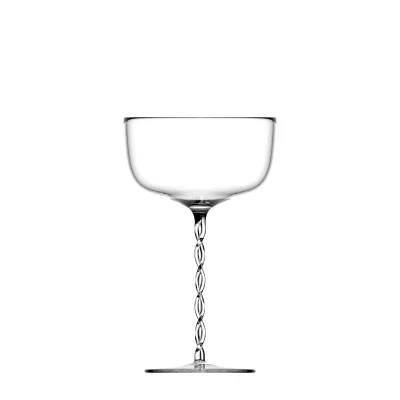
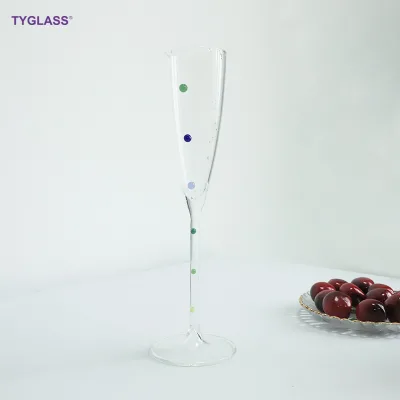


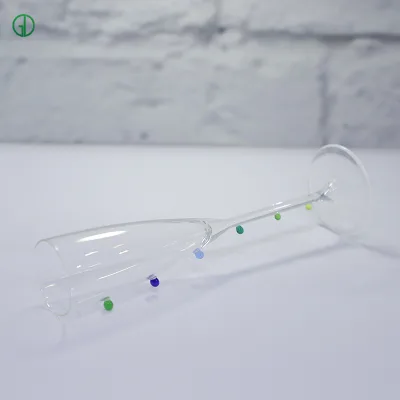


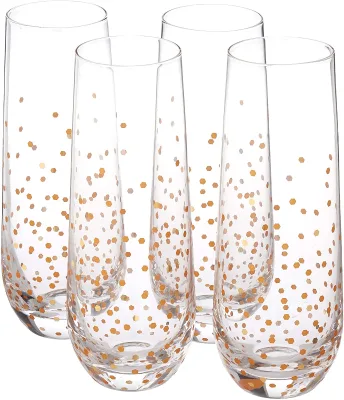
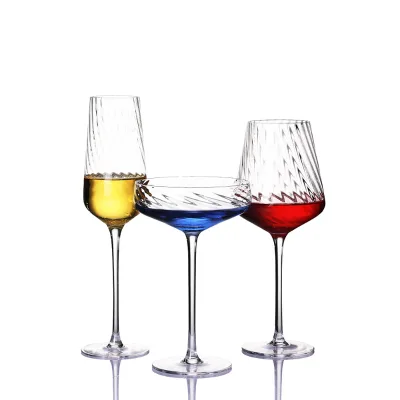
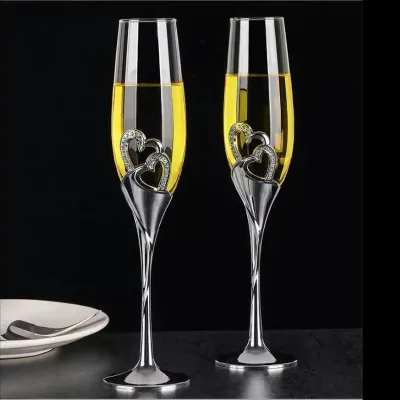

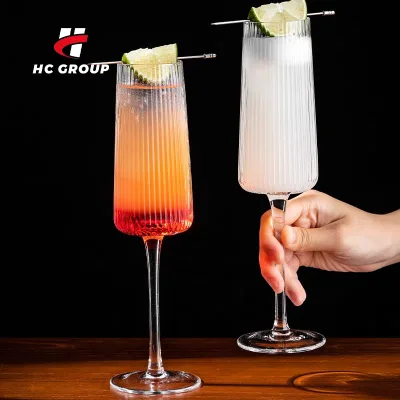
Champagne Glasses Gift Set 230ml Lead Free Wedding Glasses Champagne Glasses
$4.38 - $5.69
MOQ: 500 Pieces


Comprehensive Sourcing Guide
Eco Friendly Modern Champagne Glasses Sourcing Guide
Sourcing eco-friendly modern champagne glasses requires a careful balance between aesthetic design, material integrity, and sustainable manufacturing practices. The current market offers a diverse range of options, from hand-blown crystal glass to lightweight, unbreakable alternatives, each catering to different procurement needs. Buyers must navigate a landscape where "eco-friendly" can refer to recycled materials, energy-efficient production, or durable designs that reduce waste over time. Understanding the specific attributes of these products is essential for making informed decisions that align with both brand values and operational requirements.
This guide provides a structured approach to evaluating suppliers and products in this niche. It focuses on verifying technical specifications, ensuring compliance with safety standards, and understanding the commercial terms that impact the total cost of ownership. By adhering to evidence-based criteria, buyers can mitigate risks associated with quality inconsistencies and supply chain disruptions. The following sections detail the key considerations for sourcing high-quality, sustainable champagne glassware that meets modern design expectations.
Product Scope and Observed Listing Signals
The observed product listings reveal a wide variety of champagne glass designs, ranging from traditional cylindrical shapes to creative, irregular forms. Many suppliers offer customization options, including logo printing and tailored packaging, which are critical for brands seeking unique identity elements. The materials listed include clear glass, crystal glass, and even unbreakable alternatives, indicating a broad spectrum of durability and aesthetic choices. Buyers should pay close attention to these variations, as they directly impact the perceived value and suitability of the product for specific occasions, such as airplane service or luxury events.
Color and finish options also play a significant role in the purchasing decision. Listings indicate availability in clear, transparent, and green hues, with some products featuring subtle imperfections like tiny bubbles or watermarks that are characteristic of hand-blown craftsmanship. These aesthetic details can be a selling point for brands emphasizing artisanal quality, but they may also raise concerns about consistency for mass-market buyers. Understanding these visual signals helps buyers align their expectations with the actual product offerings, ensuring that the selected glassware matches their brand’s visual identity and quality standards.
Technical Specifications to Verify
Verifying technical specifications is crucial to ensure that the champagne glasses meet functional and aesthetic requirements. Key attributes to confirm include the glass type, such as clear glass or crystal, and the shape, which can range from cylindrical to irregular designs. The capacity of the glasses, often listed in milliliters, should be checked to ensure it aligns with standard serving sizes for champagne and other beverages. Additionally, features like dishwasher safety, lightweight construction, and eco-friendly properties should be validated to ensure they meet the buyer’s operational and sustainability goals.
Packaging and dimensions are also important technical considerations. Listings indicate various packing methods, including foam and master boxes, as well as carton packaging, which can affect shipping costs and product protection. Standard dimensions, such as 6.2176cm, provide a baseline for storage and display planning. Buyers should request detailed specifications for each product model, including single package size and base diameter, to ensure compatibility with their existing infrastructure and to minimize the risk of damage during transit.
Compliance and Safety Documentation
Compliance with international safety standards is non-negotiable for food-contact products like champagne glasses. Buyers must verify that suppliers hold relevant certifications, such as LFGB, FDA, and CE/EU, which indicate adherence to strict safety and quality regulations. These certifications ensure that the materials used are free from harmful substances and that the products are safe for consumer use. Requesting copies of these certificates and verifying their validity with the issuing bodies is a critical step in the sourcing process.
In addition to certifications, buyers should inquire about the manufacturing processes and quality control measures implemented by the supplier. Hand-blown glassware, for example, may have unique characteristics that require specific handling and inspection protocols. Understanding these processes helps buyers assess the reliability of the supplier and the consistency of the product quality. It is also important to confirm that the products are suitable for their intended use, whether for commercial hospitality, retail, or promotional purposes, and that they meet any additional regulatory requirements in the target market.
Cost Drivers and Commercial Terms
The cost of eco-friendly modern champagne glasses is influenced by several factors, including material quality, production complexity, and customization requirements. Hand-blown glassware, for instance, typically commands a higher price due to the labor-intensive nature of the process. Similarly, products with unique designs, such as irregular shapes or specific color finishes, may incur additional costs. Buyers should request detailed quotations that break down these cost components to understand the true value of each product option.
Minimum order quantities (MOQs) and payment terms are also significant commercial considerations. Listings indicate MOQs ranging from 10 to 3000 units, which can impact the initial investment and inventory management strategies. Buyers should negotiate terms that align with their sales forecasts and cash flow requirements. Additionally, lead times and shipping costs should be factored into the total cost analysis to ensure that the procurement process is efficient and cost-effective. Clear communication with suppliers regarding these terms can help avoid unexpected expenses and delays.
Supplier Qualification and Quality Control
Qualifying suppliers is essential to ensure a reliable and consistent supply of high-quality champagne glasses. Buyers should conduct thorough due diligence, including verifying the supplier’s business credentials, production capabilities, and quality control systems. Requesting samples is a critical step in this process, allowing buyers to assess the product’s quality, design, and functionality firsthand. It is also important to evaluate the supplier’s responsiveness and communication skills, as these factors can impact the overall sourcing experience.
Quality control measures should be clearly defined and agreed upon with the supplier. This includes establishing acceptance criteria for product defects, such as bubbles, watermarks, or streaks, which may be inherent in hand-blown glassware but should still be within acceptable limits. Buyers should also inquire about the supplier’s return and replacement policies in case of quality issues. Implementing regular quality audits and performance reviews can help maintain high standards and ensure continuous improvement in the supply chain.
Long-Term Procurement Checks
Long-term procurement success depends on building strong, collaborative relationships with suppliers. Buyers should focus on open communication, mutual trust, and shared goals to foster a partnership that can adapt to changing market conditions and business needs. Regularly reviewing supplier performance against key metrics, such as on-time delivery, product quality, and responsiveness, can help identify areas for improvement and reinforce accountability.
Sustainability should be a core component of long-term procurement strategies. Buyers should prioritize suppliers who demonstrate a commitment to environmental responsibility, such as using recycled materials, reducing energy consumption, and implementing waste reduction practices. By aligning with suppliers who share these values, buyers can enhance their brand’s reputation and contribute to a more sustainable future. Continuous monitoring and evaluation of these factors will ensure that the procurement process remains aligned with the buyer’s strategic objectives and ethical standards.
FAQs
What certifications do these Eco Friendly Modern Champagne Glasses have?
These glasses hold LFGB, FDA, and CE / EU certifications. This ensures they meet strict safety standards for food contact and European regulations, making them suitable for commercial and professional use without additional testing.
Can I customize the logo on these champagne glasses?
Yes, customization is available for logos on these products. Buyers can request specific branding designs, and the supplier accepts OEM orders to meet unique marketing needs for events or corporate gifting purposes.
What is the minimum order quantity for these glasses?
The minimum order quantity is 100 units for this product line. While some listings show ranges up to 3000, the standard baseline for placing an order starts at this specific quantity to ensure production viability.
How are these modern champagne glasses packaged for shipping?
Packaging typically includes foam and master boxes or cartons depending on the model. This protective arrangement prevents breakage during transit, ensuring the delicate glassware arrives safely at the destination regardless of shipping distance.
Which glass types are available for these eco friendly options?
Available types include clear glass, crystal glass, and specific champagne flute styles. These options feature single wall construction and may come in various capacities ranging from 101 to 200 mL for different serving needs.
Where are these champagne glasses manufactured?
These glasses originate from China, specifically from regions like Shanxi and Hebei. This location allows for competitive manufacturing costs while maintaining the quality standards required for international export and distribution channels.