Source Eco-Friendly Modern Bone China Bowl for Home, Hotel, and Presents
Compare 30 listings of eco-friendly modern bone china bowl options featuring ceramic materials, various shapes, and food-safe coatings. Buyers can evaluate specifications like weight, size, and OEM availability for home, hotel, and gift applications.
Key considerations
Products List
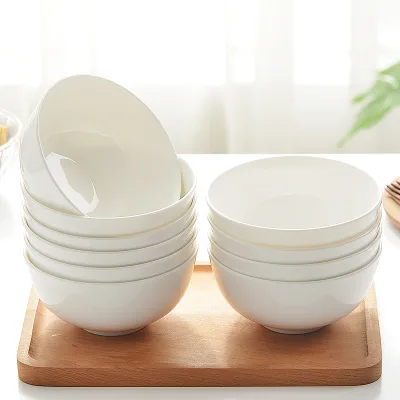
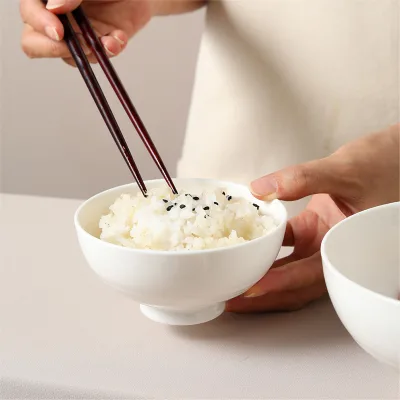
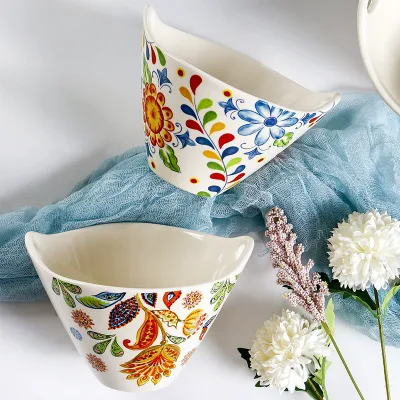
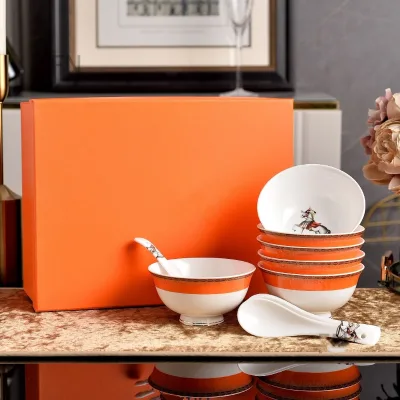
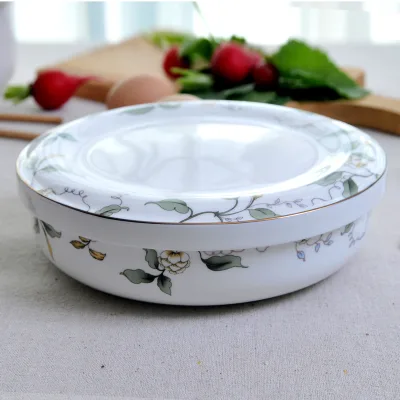
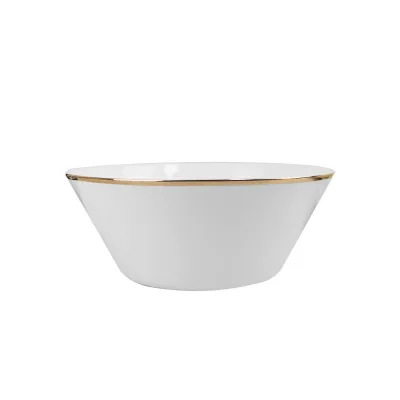
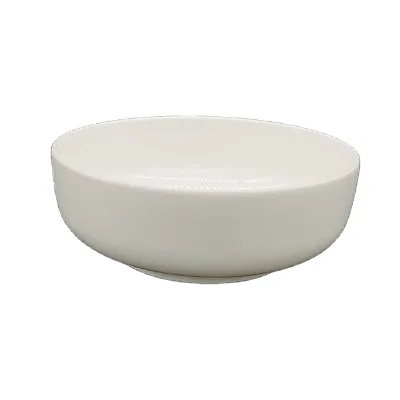


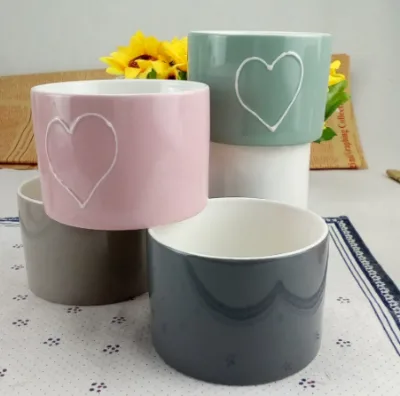
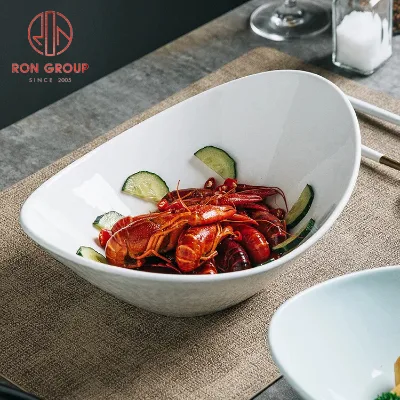
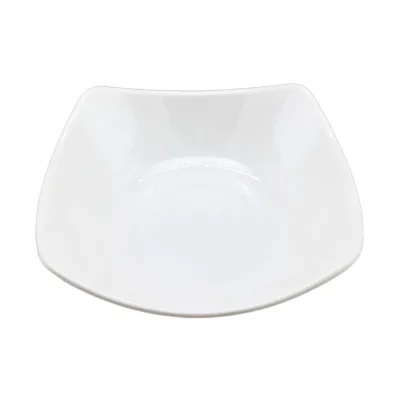
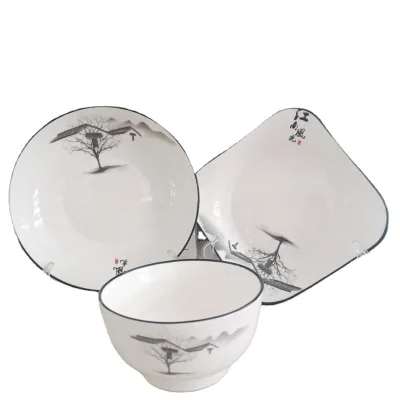
4.5 Inch Bowl Salad Color Glaze New Bone China Ceramic Porcelain Tableware
$0.22 - $0.25
MOQ: 4000 Pieces




Comprehensive Sourcing Guide
Strategic Sourcing Guide for Eco-Friendly Modern Bone China Bowls
The global demand for sustainable, high-performance tableware has elevated the profile of bone china as a premium material in the B2B procurement sector. Buyers seeking "eco-friendly modern bone china bowls" must navigate a complex landscape where aesthetic innovation meets rigorous supply chain standards. This guide provides a structured approach to sourcing these items, leveraging observed market data to inform technical specifications, compliance verification, and supplier evaluation strategies. The objective is to equip procurement professionals with the evidence-based knowledge necessary to secure high-quality inventory without relying on unverified marketing claims.
Technical Specifications and Material Composition
Understanding the precise technical attributes of bone china is the first step in defining a successful procurement strategy. Bone china is distinct from standard ceramic or porcelain due to its composition, which typically includes bone ash, kaolin, and feldspathic material. In the current market, observed product listings reveal a diverse range of specifications that buyers must categorize carefully. For instance, specific product data indicates a material classification of "Ceramic" with a technique described as "Under Glazed." This coating type is critical for durability and food safety, as it seals the porous surface of the clay body.
When evaluating modern designs, buyers should note the variance in shape and form. Market observations show products ranging from "Irregular Shape" designs to "Round Shape" configurations, with diameters specified as 6.5 inches or 6 inches. The capacity of these bowls is equally variable, with observed volumes including 350ML units. Weight is another significant technical parameter; observed single item weights range from 0.4kg to 1.6kg, while single gross weights for packaging can vary from 1.8kg to 5.0kg depending on the set configuration.
The physical dimensions of the single package are also vital for logistics planning. Data points indicate package sizes such as 40x30x12 cm and 33x25x16 cm. These dimensions directly impact shipping costs and warehouse storage efficiency. Furthermore, the design aesthetic varies from "Classic" and "Europe" styles to "American Style" and "Plant Flowers" patterns. Buyers must align these technical specifications with their target market's preferences, ensuring that the "Modern" aspect of the keyword is met through contemporary shapes and finishes rather than purely traditional forms.
Compliance Verification and Food Safety Standards
In the B2B sector, compliance is non-negotiable, particularly for items intended for food contact. While the provided data explicitly lists "Food Contact Safe" as a product feature, buyers must not accept this as a blanket guarantee for all inventory. Instead, this attribute serves as a starting point for deeper due diligence. The core keyword "eco-friendly" implies a commitment to sustainable manufacturing, which often overlaps with strict environmental and safety regulations.
Procurement teams must verify that the "Food Contact Safe" claim is backed by recognized testing standards relevant to the destination market. For example, in the United States, compliance with FDA regulations is standard, while the European Union requires adherence to specific migration limits for heavy metals and other substances. The observed "Eco-Friendly" feature suggests that the manufacturing process may utilize lead-free glazes or recycled materials, but these claims require third-party validation.
Buyers should request certificates of analysis (CoA) or test reports from independent laboratories. These documents should confirm that the "Under Glazed" technique does not introduce harmful substances and that the final product meets the safety thresholds for repeated use in commercial and residential settings. Additionally, the "Eco-Friendly" designation should be scrutinized against the "Whether there is a patent" status, which is listed as "No" in some observed listings. This indicates that while the design may be generic, the specific manufacturing processes or material blends might be proprietary or protected in other jurisdictions.
Cost Drivers and Pricing Dynamics
The pricing of bone china bowls is influenced by a complex interplay of material costs, manufacturing complexity, and order volume. The observed price range in the market spans from $0.07 to $80 USD, a disparity that reflects the vast difference between mass-produced promotional items and high-end, hand-finished sets. The lower end of this spectrum likely corresponds to basic ceramic bowls with minimal decoration, while the higher end represents intricate bone china pieces with custom branding and specialized packaging.
A critical cost driver is the Minimum Order Quantity (MOQ). The observed MOQ range is extensive, spanning from 2 to 30,000 units. Specific product data highlights an MOQ of 60 pieces for certain models, while others may require significantly higher volumes to achieve economies of scale. Buyers must balance their budget constraints with the need for inventory depth. Ordering small quantities at a higher unit price may be necessary for testing new designs, whereas large-scale orders can drastically reduce the per-unit cost.
Other factors influencing cost include the "Single package size" and "Single gross weight." Heavier items and larger packages incur higher shipping and handling fees, which can erode profit margins if not accounted for in the initial budget. Additionally, the "OEM Welcomed" and "Logo Accepted" attributes indicate that customization adds a layer of cost. Custom molding, color matching (observed in ranges like 1-7 colors or specific White/Orange options), and branding application all contribute to the final price. Buyers should request detailed breakdowns of these costs to understand the value proposition of each supplier.
Typical Applications and Market Segmentation
The versatility of bone china bowls allows them to serve a wide array of applications, from high-end hospitality to everyday home use. The observed "Usage" attributes include "Home Hotel," indicating suitability for both residential and commercial environments. In the hotel sector, durability and aesthetic appeal are paramount; the "Classic" and "Europe" styles observed in the market are particularly well-suited for upscale dining experiences where presentation is key.
For the home market, the "Design" category of "Tableware Set" suggests that these bowls are often sold as part of a coordinated collection. The "Occasion" attribute of "Presents" highlights the gift market, where packaging and visual appeal drive sales. Conversely, the "Back to School" occasion suggests a segment focused on practical, durable tableware for students or institutional settings. The "Production" attribute listing "Spoon/Fork/Knife/Chopsticks Kit" further expands the application scope to complete dining solutions.
Buyers should analyze their target demographic to determine the optimal product mix. A supplier offering "American Style" bowls with "Plant Flowers" patterns may appeal to a different customer base than one offering "Irregular Shape" modern designs. The "Applicable Scenarios" of "Other" in some listings suggest niche uses that may require specific customization. Understanding these segmentation nuances ensures that the procurement strategy aligns with the specific needs of the end-user, whether they are hotel managers, retail buyers, or direct-to-consumer brands.
Supplier Evaluation and Operational Capabilities
Selecting the right supplier requires a rigorous evaluation of their operational capabilities and reliability. The "Place of Origin" data points to Guangdong and Guangxi in China, regions known for their ceramic manufacturing expertise. However, the presence of multiple origins suggests a fragmented supply chain where quality can vary significantly between factories. Buyers must verify the specific factory location and assess their production capacity.
Key evaluation criteria include the "Brand Name" consistency and the "Model Number" specificity. For instance, models like "W01-1" and "CA0701" indicate established product lines, whereas generic names like "Bone China Bowls" may suggest a lack of standardization. The "OEM Welcomed" and "Logo Accepted" features indicate a supplier's willingness to customize, but buyers must assess their track record for maintaining quality during customization.
The "Selling Units" of "Single item" versus bulk packaging also impacts the supplier's logistics. A supplier capable of handling both single-item sales and large bulk orders demonstrates flexibility. Buyers should also inquire about the "Production" lead times and the ability to scale from small MOQs to the observed 30,000-unit range. Transparency in these areas is a strong indicator of a reliable partner.
Quality Control and Long-Term Procurement Considerations
Ensuring consistent quality is essential for maintaining brand reputation. The "Under Glazed" technique and "Eco-Friendly" claims must be validated through a robust quality control (QC) process. Buyers should implement a multi-stage QC strategy, including pre-production sample approval, in-process inspections, and final random sampling before shipment. The "Single gross weight" and "Single package size" data should be used to verify that the packaging protects the fragile bone china during transit, minimizing breakage rates.
Long-term procurement considerations involve building a sustainable supply chain. The "Eco-Friendly" attribute should be a cornerstone of the partnership, with suppliers demonstrating a commitment to reducing waste and energy consumption. Buyers should also consider the "Whether there is a patent" status to avoid intellectual property disputes. While some listings show no patent, others may have proprietary designs that require careful legal review.
Finally, the "Color" options, ranging from single hues to multi-color palettes, offer opportunities for product differentiation. However, maintaining color consistency across batches is a challenge that requires strict QC protocols. By focusing on these long-term factors, buyers can secure a reliable supply of high-quality bone china bowls that meet both functional and aesthetic requirements, ensuring sustained success in the competitive B2B market.
Comparative Analysis of Product Attributes
To facilitate decision-making, the following table summarizes key observed attributes that buyers should compare when evaluating potential suppliers:
| Attribute Category | Observed Variation | Procurement Implication |
|---|---|---|
| Material | Ceramic, Bone China | Verify composition for durability and safety. |
| Shape | Irregular, Round | Align with brand aesthetic and target market trends. |
| Size/Volume | 350ML, 6-6.5 Inch Diameter | Ensure capacity meets end-user expectations. |
| Weight | 0.4kg - 1.6kg (Item) | Impact shipping costs and perceived quality. |
| Packaging | 33x25x16 cm to 40x30x12 cm | Critical for logistics planning and damage prevention. |
| MOQ | 2 to 30,000 Units | Balance inventory risk with unit cost efficiency. |
| Customization | Logo Accepted, OEM Welcomed | Assess capability for branding and design changes. |
| Origin | Guangdong, Guangxi | Evaluate regional manufacturing strengths and logistics. |
This comparative analysis underscores the importance of detailed specification matching. By systematically evaluating these attributes against the core keyword requirements, buyers can make informed decisions that optimize cost, quality, and supply chain reliability.
FAQs
What materials are used for eco-friendly modern bone china bowls?
The observed products are classified as ceramic with bone china characteristics. They feature under-glazed techniques to ensure food contact safety and durability for home or hotel use.
Which shapes are available for these bone china bowls?
Market data shows both irregular and round shapes are available. Specific models include diameters of 6 inches or 6.5 inches with capacities around 350ML to suit various dining needs.
Can I customize the logo on these ceramic bowls?
Yes, logo acceptance and OEM services are welcomed by suppliers. Buyers can request branding on items originating from Guangdong or Guangxi, China, subject to specific minimum order quantities.
How does the MOQ affect the pricing of bone china bowls?
Minimum order quantities range from 2 to 30,000 units depending on the supplier. Specific models may require 60 pieces, while pricing spans from 0.07 to 80 USD based on volume and customization.
What are the packaging dimensions for shipping these bowls?
Single package sizes vary between 33x25x16 cm and 40x30x12 cm. Gross weights per package range from 1.8 kg to 5.0 kg, impacting logistics planning and shipping costs significantly.
Which certifications verify food safety for these ceramic products?
Products are listed as food contact safe with eco-friendly features. Buyers should request third-party test reports to validate these claims against specific destination market regulations for heavy metals.