Source Eco-Friendly Natural Rubber Yoga Mat for Home, Gym, Travel
Explore 30 verified options for the eco-friendly natural rubber yoga mat, comparing materials like TPE and cork, dimensions, and customization features. Buyers can evaluate suppliers based on MOQs, packing styles, and origin locations to find the right fit for their business needs.
Key considerations
Products List


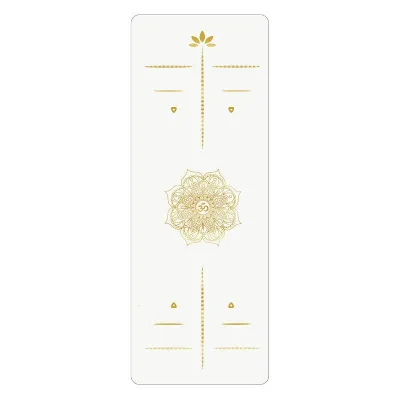


Eco-Friendly Nature Rubber Yoga Mat - Non-Slip, Durable Fitness Solution
$10.00 - $12.50
MOQ: 20 Pieces


Eco-Friendly Rubber Yoga Mat with High-Quality Print and Anti-Slip Design
$13.45 - $14.85
MOQ: 50 Pieces


Eco-Friendly Natural Rubber Yoga Mat with Non-Toxic Certification
$17.80 - $18.80
MOQ: 200 Square Meters


Comprehensive Sourcing Guide
Strategic Sourcing Guide for Eco-Friendly Natural Rubber Yoga Mats
The global demand for sustainable fitness equipment has elevated the profile of eco-friendly natural rubber yoga mats, positioning them as a premium category within the B2B procurement landscape. For buyers entering this sector, the distinction between marketing terminology and verifiable material composition is critical. Sourcing decisions must be grounded in the specific technical attributes of natural rubber, the manufacturing capabilities of suppliers, and the rigorous compliance standards required for international trade. This guide provides a structured approach to evaluating potential partners and products, ensuring that procurement strategies align with both quality expectations and sustainability mandates.
Technical Specifications and Material Composition
When evaluating natural rubber yoga mats, the primary focus must be on the raw material source and the resulting physical properties. Unlike synthetic alternatives such as TPE or PVC, natural rubber offers superior elasticity, grip, and biodegradability. In the current market, specifications vary significantly regarding dimensions and thickness, which directly impact the user experience and shipping logistics.
Based on observed product data, standard dimensions for these mats typically range from 173 cm to 183 cm in length, with widths between 61 cm and 68 cm. Thickness is a crucial differentiator; while some models are observed at 4.5 mm, others may reach 10 mm or even 15 mm for specialized cushioning. Buyers must verify that the "Natural Rubber" claim corresponds to the specific product model, as some listings may mix materials or use blends that dilute the eco-friendly claim. The presence of a "Non-Slip" feature is a standard expectation for natural rubber, yet the specific texture and performance under wet conditions should be validated through sample testing.
Furthermore, the product model codes, such as TP19-NRMT-MT 504 or ZQ-3, serve as unique identifiers for specific configurations. These codes often correlate with specific packing methods, such as paper wrap with a carry strap or a rigid box, which influences the final cost and damage rates during transit. A comprehensive technical specification sheet should explicitly state the material composition, ensuring it is 100% natural rubber or clearly defined as a blend, rather than relying on generic descriptors like "Eco-Friendly" without supporting data.
Compliance, Certification, and Verification Protocols
The term "eco-friendly" is heavily regulated and scrutinized in international trade. While background knowledge suggests certifications like GOTS, FSC, or OEKO-TEX are relevant to the broader yoga mat industry, buyers must not assume these apply to every listed product without verification. The presence of such certifications is not a universal fact for all natural rubber mats and requires specific documentation from the supplier.
Procurement teams should request valid, current certificates of analysis and third-party test reports before placing orders. The verification process must confirm that the rubber is sourced from sustainable plantations and that the manufacturing process does not involve prohibited substances. For instance, while some products are marketed as "Natural Pure Full Rubber Eco Friendly," the absence of a specific certification number in the product listing means the buyer must independently verify the claim.
Buyers should also be aware of regional compliance standards. Products originating from regions like Jiangsu or Shanghai, China, must adhere to the export regulations of the destination country. This includes checking for heavy metal limits, phthalate restrictions, and volatile organic compound (VOC) emissions. The "Customized Logo" and "OEM" capabilities mentioned in product attributes are standard, but the inks and adhesives used for these customizations must also be eco-compliant to maintain the integrity of the product's green status.
Cost Drivers and Pricing Structures
Understanding the cost structure of natural rubber yoga mats is essential for budgeting and margin analysis. The price range observed in the market, spanning from $1 to $26.91, reflects a vast disparity in quality, material purity, and order volume. This wide range indicates that low-cost options may utilize recycled rubber blends or thinner gauges, while higher-priced items likely feature premium, virgin natural rubber with enhanced durability and thickness.
The Minimum Order Quantity (MOQ) is a significant factor in total cost of ownership. Data indicates an MOQ range from 1 to 10,000 pieces, with a specific observation of 100 PCS for certain models. For buyers seeking to test the market, suppliers with lower MOQs are preferable, though the unit cost will be higher. Conversely, bulk orders of 10,000 pieces or more can significantly reduce the per-unit price, provided the supply chain can handle the volume.
Additional cost drivers include the customization level. Customized logos, specific color schemes (noted as "Solid Color" in some listings), and unique packaging requirements add to the production cost. Payment terms, such as PayPal, Western Union, TT, and Trade Assurance, also influence the financial risk and cash flow management for the buyer. Buyers should calculate the total landed cost, including shipping, duties, and insurance, rather than focusing solely on the FOB price.
Typical Applications and Market Segmentation
Natural rubber yoga mats are primarily designed for "Home Exercise" and professional studio use, catering to a demographic that values performance and sustainability. The target audience is predominantly "Adult" users, with a specific focus on "Women," although the product is generally unisex in function. The "Kind" of product is consistently identified as a "Mat," suitable for various disciplines including Yoga, Pilates, and general stretching exercises.
The application scope extends beyond simple floor covering. The "Anti-Slip," "Durable," "Washable," and "Waterproof" features observed in related product listings highlight the versatility of these mats in high-traffic environments. For example, a mat with a thickness of 15 mm might be preferred for restorative yoga or therapeutic applications where joint protection is paramount, whereas a 4.5 mm mat is ideal for dynamic practices requiring stability.
The "Rectangle" shape is the industry standard, ensuring compatibility with existing studio layouts and storage solutions. However, the specific dimensions, such as 200 cm by 90 cm for extended lengths, cater to taller practitioners or those requiring extra space for movement. Understanding these application nuances allows buyers to curate a product line that meets the specific needs of their retail partners or corporate clients.
Supplier Evaluation and Operational Capabilities
Selecting the right supplier requires a deep dive into their operational capacity and reliability. The "Supply Ability" of 100,000 pieces per month is a strong indicator of a manufacturer's capacity to handle large-scale orders without compromising quality. However, buyers must verify if this capacity is consistent year-round or subject to seasonal fluctuations.
The origin of the product, whether from Jiangsu or Shanghai, provides insights into the local supply chain ecosystem. These regions are known for their manufacturing infrastructure, but buyers should assess the specific factory's audit status, workforce conditions, and environmental management systems. The availability of "Customization" and "OEM" services is a key differentiator, allowing buyers to create branded products that stand out in a crowded market.
Payment security is another critical evaluation point. The acceptance of "Trade Assurance" offers a layer of protection for buyers, ensuring that funds are only released upon fulfillment of agreed terms. Suppliers who offer flexible payment methods like TT and Western Union demonstrate financial adaptability, but buyers should prioritize platforms that offer escrow services to mitigate fraud risks.
Quality Control and Long-Term Procurement Strategy
Implementing a robust quality control (QC) protocol is non-negotiable for natural rubber products. Given the organic nature of the material, variations in texture, color, and elasticity can occur. Buyers should establish clear acceptance criteria based on the observed specifications, such as the 183*61 cm standard size or the 4.5 mm thickness. Regular third-party inspections during production and pre-shipment checks are essential to ensure consistency.
Long-term procurement strategies should focus on building a resilient supply chain. This involves diversifying suppliers to mitigate risks associated with geopolitical tensions or raw material shortages. The "Customized Logo" feature allows for brand loyalty, but buyers must ensure that the customization process does not introduce defects or delays.
Sustainability should be a core pillar of the long-term strategy. As regulations tighten regarding plastic and synthetic materials, natural rubber mats are well-positioned for future growth. Buyers should maintain open communication with suppliers regarding their sourcing of raw rubber and their commitment to reducing carbon footprints. By aligning with suppliers who share these values, buyers can future-proof their product lines against shifting market demands and regulatory changes.
Comparative Analysis of Product Attributes
To facilitate decision-making, the following table summarizes key attributes observed in the market for natural rubber and related eco-friendly yoga mats. This comparison highlights the variations in specifications that buyers must navigate.
| Attribute | Natural Rubber Models | TPE / Synthetic Models | Cork / Hybrid Models |
|---|---|---|---|
| Primary Material | Natural Rubber | TPE (Thermoplastic Elastomer) | Cork + Rubber |
| Standard Size | 18361 cm, 18066 cm | 183*61 cm | 183*68 cm |
| Thickness Range | 4.5mm - 15mm | Variable | Variable |
| Customization | Logo, Color, Packaging | Logo, Color, Packaging | Logo, Color, Packaging |
| Key Feature | Non-Slip, Eco-Friendly | Durable, Washable | Anti-Slip, Waterproof |
| Origin | Jiangsu, Shanghai | Jiangsu, Shanghai | Jiangsu, Shanghai |
| MOQ Observation | 100 PCS | 1 - 10000 | 1 - 10000 |
This table underscores that while dimensions and customization options are often consistent across categories, the material composition remains the defining factor for the "eco-friendly" classification. Buyers must ensure that the product selected matches the specific material requirements of their target market.
In conclusion, sourcing eco-friendly natural rubber yoga mats requires a meticulous approach that balances technical specifications, compliance verification, and supplier reliability. By adhering to the guidelines outlined above, buyers can navigate the complexities of this market and secure high-quality products that meet both consumer expectations and regulatory standards. The focus on verified data and transparent communication with suppliers will ultimately lead to successful procurement outcomes and sustainable business growth.
FAQs
What customization options are available for these yoga mats?
Customization is available for logos, colors, and packaging. Buyers can request specific solid colors and custom logos on models like the Natural Rubber Yoga Mat. The supplier accepts OEM orders and offers paper wrap or box packing options to meet specific branding needs.
Which standard sizes are offered for natural rubber yoga mats?
Standard sizes typically include 180 by 66 cm, 173 by 61 cm, and 183 by 61 cm. Some specific models also offer dimensions like 183 by 68 cm or 200 by 90 cm. Buyers should verify the exact model code to confirm the precise length and width required for their inventory.
Can I order a low quantity to test the product quality?
Yes, some listings allow a minimum order quantity as low as one piece for testing purposes. However, specific models like the Natural Rubber Yoga Mat may have a standard MOQ of 100 pieces. Buyers should check the specific product model to confirm the exact minimum order requirement before placing an order.
How is the product packed for shipping to prevent damage?
Products are typically packed in paper wrap with a carry strap or inside a rigid box. The specific packing method depends on the product model, such as the TP19 series which uses paper wrap. This packaging ensures the mats remain secure during transit while allowing for easy handling by the end user.
What payment methods are accepted for these yoga mat orders?
Accepted payment methods include PayPal, Western Union, TT, and Trade Assurance. These options provide flexibility for international buyers while ensuring transaction security through Trade Assurance. Buyers should select the method that best fits their financial workflow and risk management preferences.
Which features make these mats suitable for home exercise?
These mats feature non-slip surfaces, durability, and waterproof properties suitable for home use. Specific models offer thicknesses ranging from 4.5 mm to 15 mm for varying levels of cushioning. The rectangular shape and adult sizing ensure they are practical for yoga, pilates, and general stretching exercises.
Where are these eco-friendly yoga mats manufactured?
The products originate from manufacturing hubs in Jiangsu and Shanghai, China. These regions provide established supply chains for natural rubber and TPE materials. Buyers should verify the specific origin listed for each model to understand the logistics and potential shipping times associated with the supplier's location.