Source eco-friendly paper collagen powder packaging for Supplements, Gifts, and Food
Find 30 listings for eco-friendly paper collagen powder packaging from suppliers in China. Compare options featuring Kraft paper, custom sizes, and various printing methods like hot stamping and UV coating to find the right solution for your brand; compare the available evidence and request quotations based on your requirements.
Updated
Key considerations
Products List
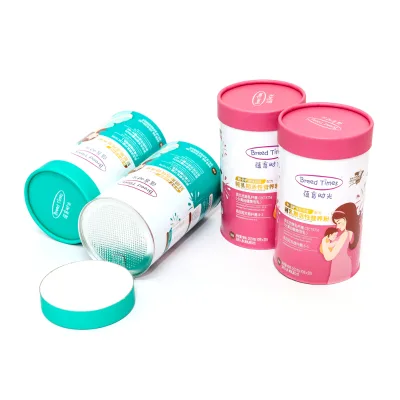
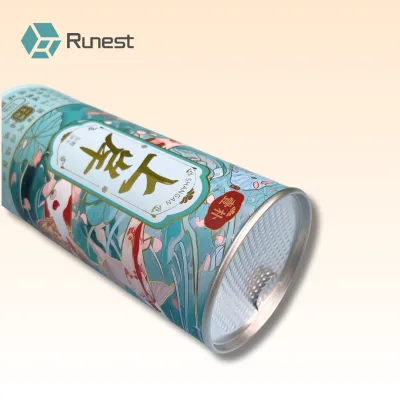
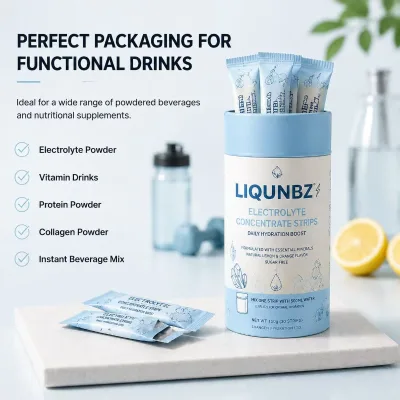
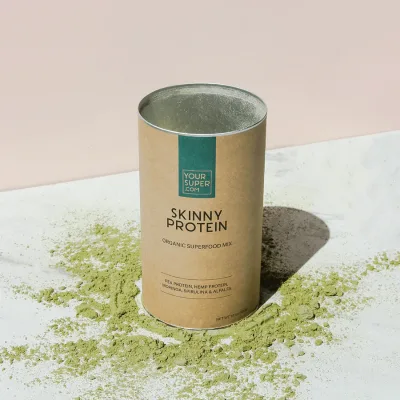
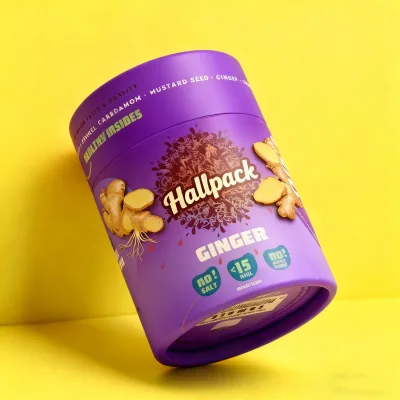
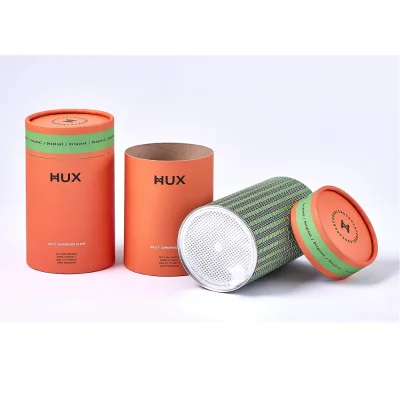
Drink Powder Packaging Cardboard Powder Packaging for Collagen Powder
$0.2094 - $0.6268
MOQ: 5000 pieces
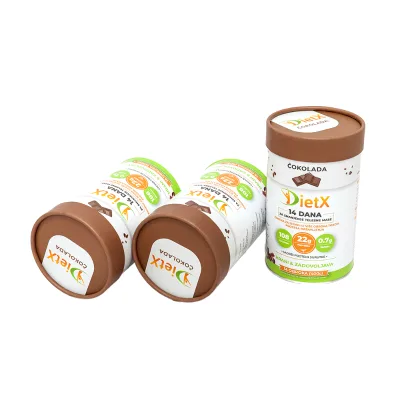
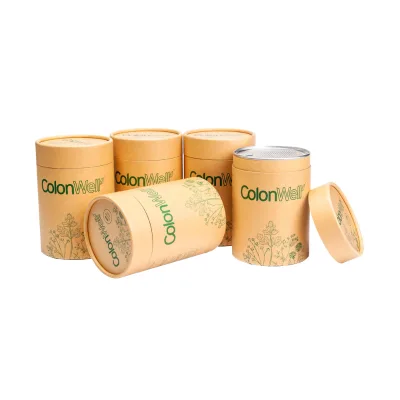
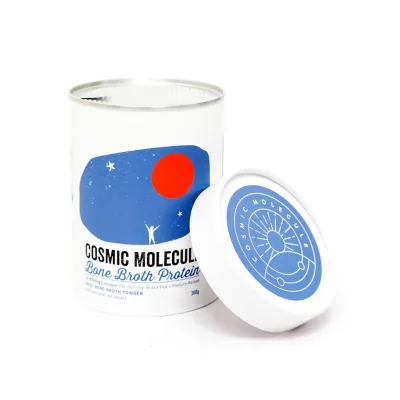
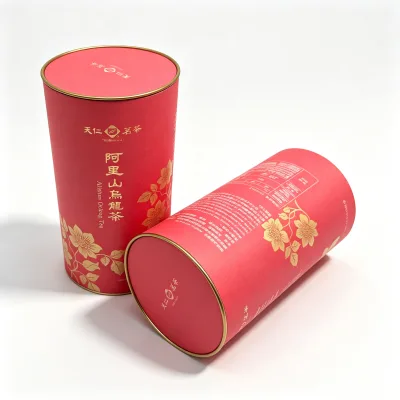
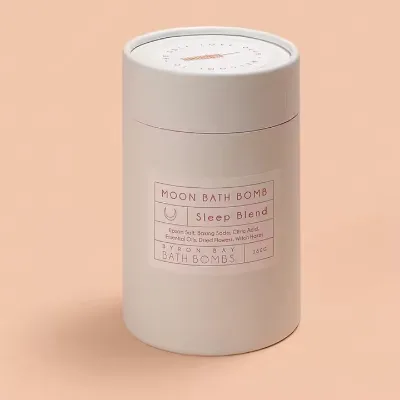
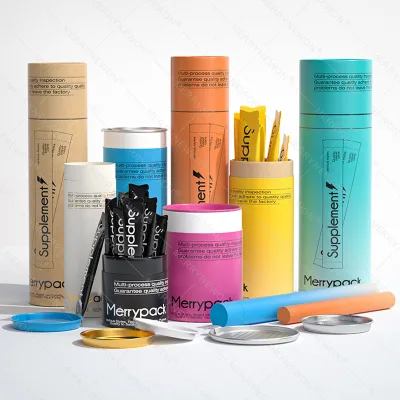
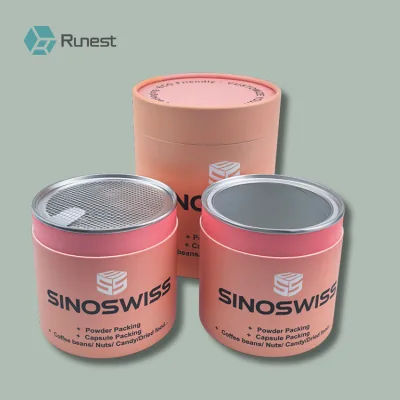


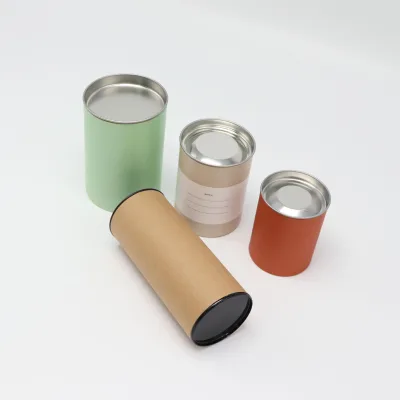
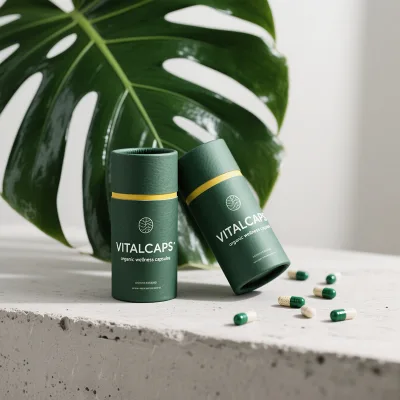
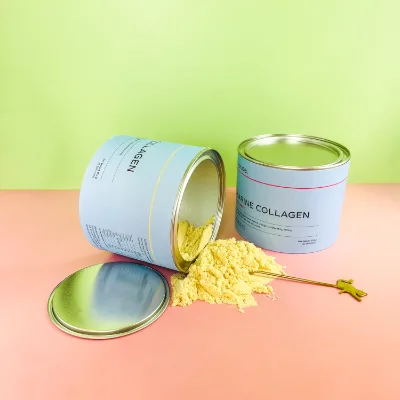

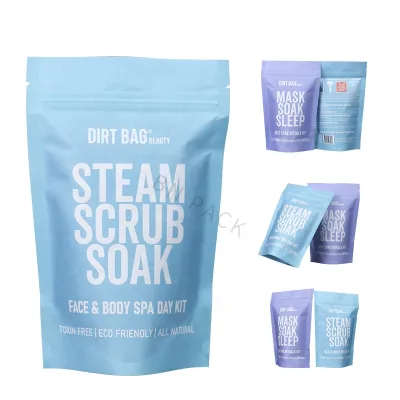
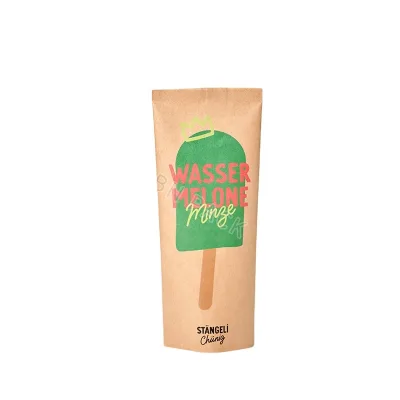


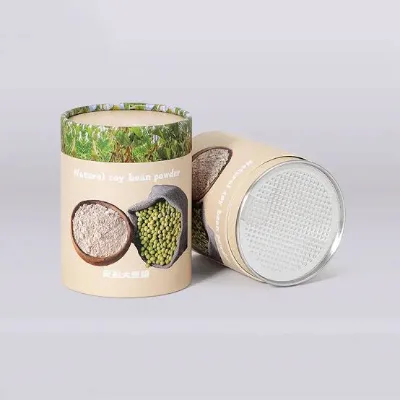
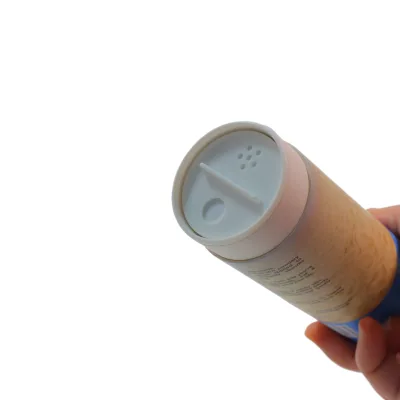
Comprehensive Sourcing Guide
Eco-Friendly Paper Collagen Powder Packaging Sourcing Guide
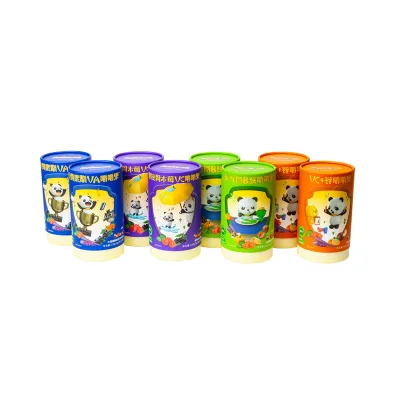
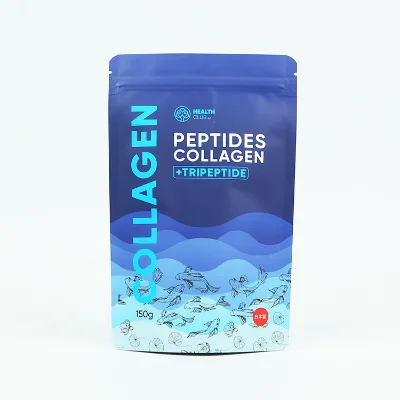
Sourcing sustainable packaging for collagen powder requires balancing aesthetic appeal with functional barrier properties. Buyers must evaluate how paper-based materials interact with hygroscopic powders to prevent moisture ingress and maintain product integrity. The observed market features mixed color options, including blue and custom shades, alongside recycled material claims. These visual attributes support brand differentiation while aligning with eco-friendly positioning. Procurement teams should verify that the paper type, such as kraft or cardboard, meets specific durability standards for shipping and storage.
Technical verification is critical when selecting paper tubes or boxes for supplement packaging. Listings indicate various printing techniques like hot stamping, UV coating, and matte lamination, which enhance visual appeal but may impact recyclability. Buyers need to assess whether these finishes compromise the sustainability claims associated with recycled materials. Additionally, custom sizing and OEM branding options allow for tailored solutions, but they introduce complexity in quality control. Understanding the interplay between decorative processes and material composition ensures that the final packaging meets both marketing goals and functional requirements for collagen powder preservation.
Product Scope and Observed Listing Signals
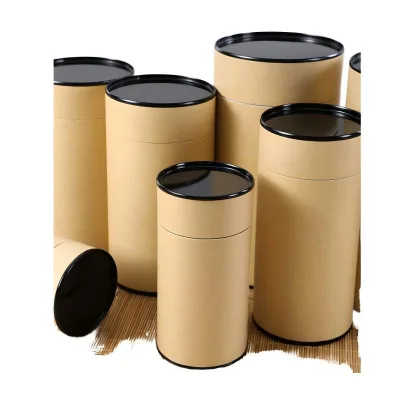
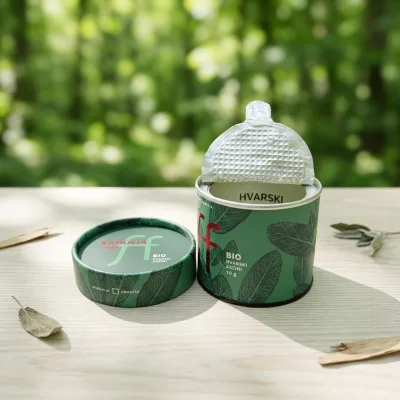
The current market landscape for collagen powder packaging includes diverse formats such as paper tubes, round-shaped cardboard boxes, and composite paper cans. Observed listings highlight specific industrial uses ranging from supplement powder packaging to general gift and craft applications. This versatility suggests that suppliers offer modular solutions adaptable to different brand identities. The presence of custom order acceptance and OEM branding indicates a flexible supply chain capable of meeting unique design specifications. Buyers should note that while the core material is often paper, the inclusion of layers like aluminum or EOE may affect the overall eco-friendly classification.
Visual and tactile features play a significant role in consumer perception of premium collagen products. Attributes such as moistureproof and mothproof characteristics are listed, suggesting enhanced protection for sensitive powders. Surface handling options include embossing, varnishing, and gold foil stamping, which add a luxurious feel to the packaging. However, buyers must critically assess whether these embellishments align with their sustainability goals. The observation of mixed colors and custom printing capabilities allows for strong brand storytelling, but it requires careful coordination with suppliers to ensure consistency across large production runs.
Technical Specifications to Verify
Dimensional accuracy and structural integrity are paramount for paper-based collagen packaging. Specifications often list custom sizes and wall thicknesses, requiring buyers to define precise internal dimensions to accommodate powder volume and headspace. The use of kraft paper cores and cardboard layers provides rigidity, but the exact wall thickness must be verified to prevent crushing during logistics. Buyers should request physical samples to test the crush resistance and seal integrity of paper tubes or boxes. Ensuring that the packaging maintains its shape under stack loads is essential for protecting the collagen powder from physical damage.
Printing and finishing specifications directly impact the shelf life and aesthetic quality of the packaging. Techniques like CMYK offset printing, UV coating, and matte lamination are commonly observed, each offering different levels of moisture resistance and visual clarity. Buyers must verify that the inks and coatings used are food-safe and do not migrate into the powder. Additionally, the compatibility of hot stamping or embossing with the chosen paper type should be confirmed to avoid delamination or cracking. Clear communication of these technical details with suppliers prevents costly rework and ensures the final product meets quality expectations.
Compliance and Safety Documentation
Food contact safety is a non-negotiable requirement for collagen powder packaging. Buyers must ensure that all materials, including adhesives, inks, and laminates, comply with relevant food safety regulations in their target markets. While FSC certification is mentioned in background contexts, buyers should independently verify the chain of custody for any recycled or virgin paper used. Documentation should confirm that the packaging does not introduce contaminants or off-flavors to the sensitive collagen powder. Requesting material safety data sheets (MSDS) and migration test results from suppliers is a critical step in mitigating regulatory risks.
Sustainability claims require substantiation to avoid greenwashing accusations. Buyers should ask for detailed breakdowns of the material composition, particularly when composite materials like aluminum or EOE are involved. Understanding the recyclability of the final product in different municipal waste streams is essential for accurate eco-friendly labeling. Certifications from recognized bodies provide credibility, but buyers must verify their validity and scope. Clear communication with suppliers regarding the end-of-life options for the packaging helps align procurement strategies with corporate sustainability goals and consumer expectations.
Cost Drivers and Commercial Terms
Pricing for eco-friendly paper packaging is influenced by material costs, printing complexity, and order volume. Observed price ranges vary significantly, reflecting differences in paper quality, wall thickness, and finishing options. Buyers should anticipate higher costs for custom sizes, specialized colors, and intricate printing techniques like hot stamping or UV coating. Minimum order quantities (MOQs) also play a crucial role in unit pricing, with lower MOQs typically commanding a premium. Understanding these cost drivers allows buyers to negotiate effectively and optimize their budget without compromising on essential quality attributes.
Commercial terms such as lead times and payment conditions vary among suppliers. Buyers should clarify production schedules to ensure timely delivery, especially for seasonal product launches. Customization processes can extend lead times, so early planning is essential. Payment terms may differ based on the order size and supplier relationship, with options ranging from upfront deposits to open account terms. Buyers should also consider logistics costs, as paper packaging can be bulky and may incur higher shipping fees. Negotiating favorable terms helps improve overall procurement efficiency and cash flow management.
Supplier Qualification and Quality Control
Evaluating supplier capabilities is essential for ensuring consistent quality in paper collagen packaging. Buyers should assess the supplier’s production facilities, focusing on their ability to handle custom orders and maintain tight tolerances. Experience in supplement or food packaging is a valuable indicator of reliability. Requesting references from other clients in the health and wellness sector can provide insights into the supplier’s performance and responsiveness. A robust quality management system is crucial for minimizing defects and ensuring that each batch meets specified standards.
Quality control processes should be clearly defined and agreed upon before production begins. Buyers should specify inspection criteria for print alignment, color consistency, and structural integrity. Third-party inspection services can be employed to verify quality before shipment, reducing the risk of receiving non-conforming goods. Establishing a clear protocol for handling defects or discrepancies is also important. Regular communication with the supplier during the production process helps identify and address potential issues early, ensuring that the final packaging meets all requirements for collagen powder protection and brand presentation.
Long-Term Procurement Checks
Sustainability performance requires ongoing monitoring and verification. Buyers should periodically review supplier certifications and material sourcing practices to ensure continued compliance with eco-friendly standards. Tracking the environmental impact of packaging choices, such as carbon footprint and recyclability rates, helps refine procurement strategies over time. Engaging with suppliers on continuous improvement initiatives can lead to innovative solutions that enhance sustainability without sacrificing performance. Regular audits of the supply chain ensure that ethical and environmental standards are maintained throughout the production process.
Market trends and consumer preferences evolve, necessitating adaptive procurement strategies. Buyers should stay informed about new materials, printing technologies, and regulatory changes that may impact packaging requirements. Building strong relationships with multiple suppliers provides flexibility and reduces dependency on a single source. Regularly reviewing cost structures and performance metrics helps identify opportunities for optimization. By maintaining a proactive approach to supplier management and sustainability, buyers can ensure that their collagen powder packaging remains competitive, compliant, and aligned with long-term business goals.
FAQs
Can I customize the size and color for collagen powder packaging?
Yes, custom sizes and colors are available for sustainable supplement packaging. The product supports OEM branding with options for mixed colors, blue, or custom CMYK and Pantone shades. You can specify exact dimensions to fit your collagen powder needs, ensuring the packaging aligns perfectly with your brand identity and product requirements.
What materials are used for the eco-friendly paper packaging?
The packaging primarily utilizes Kraft Paper and Craft Paper, emphasizing recycled materials for an eco-friendly profile. Some variants also incorporate cardboard and Alu EOE layers for enhanced protection. These materials ensure durability while maintaining the sustainable characteristics required for modern supplement and food packaging applications.
What printing and finishing options are available for branding?
Various printing and finishing techniques are supported, including hot stamping, UV coating, embossing, and matte lamination. You can apply any logo or custom design using CMYK offset printing or gold foil. These options allow for high-quality branding on the paper tube or box, enhancing visual appeal for retail display.
Is there a minimum order quantity for custom packaging?
Minimum order quantities vary by supplier, typically ranging from 1 to 5000 pieces. Some vendors accept small orders starting at just one unit, while others may require higher volumes for specific customizations. It is advisable to check individual supplier listings for their specific MOQ requirements to ensure they match your production needs.
Where are these sustainable packaging products manufactured?
These eco-friendly paper packaging products are manufactured in China, with origins in provinces such as Zhejiang, Hubei, and Guangdong. This geographic distribution allows for diverse manufacturing capabilities and logistics options. Buyers can select suppliers based on their preferred location to optimize shipping times and costs for their specific supply chain.
What features make this packaging suitable for supplements?
The packaging features moistureproof and mothproof properties, ensuring the integrity of sensitive collagen powder supplements. Made from sturdy Kraft Paper and cardboard, it offers robust protection against environmental factors. The custom design capabilities also allow for secure sealing, preserving product freshness and quality throughout the distribution and storage phases.