Source Cosmetics Plastic Body Care Pump for lotions, creams, and serums
Compare 30 Cosmetics Plastic Body Care Pump options from verified suppliers in Yuyao and Ningbo. Buyers can evaluate PP and aluminum-plastic models with ISO certifications, varying sizes, and custom features for chemical alcohol applications; compare the available evidence and request quotations based on your requirements.
Key considerations
Products List


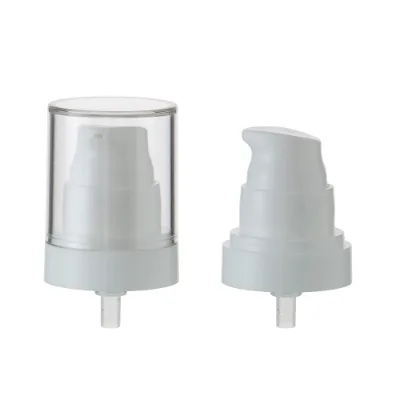
OEM Hot Selling 24mm Plastic Treatment Pump with Cap for Skin Care and Body Care
$0.13 - $0.20
MOQ: 10000 Minimum


Comprehensive Sourcing Guide
Cosmetics Plastic Body Care Pump Sourcing Guide
Sourcing high-quality plastic pumps for body care products requires a strategic approach that balances functional performance with aesthetic appeal. Buyers must navigate a complex landscape of material options, mechanical specifications, and regulatory requirements to ensure the final packaging meets both brand standards and consumer expectations. This guide provides a structured framework for evaluating suppliers and products, focusing on the critical attributes that define a reliable supply chain for cosmetic dispensing systems.
The procurement process begins with a clear definition of product scope, including the intended application, dosage requirements, and visual design elements. By understanding the specific needs of the body care market, buyers can filter through the vast array of available options to identify suppliers who specialize in the relevant technologies. This initial clarity helps in establishing realistic expectations regarding lead times, minimum order quantities, and customization capabilities, which are essential for successful long-term partnerships.
Product Scope and Observed Listing Signals
The observed market signals indicate a diverse range of pump types, including standard sprayers and specialized dispensers, with materials primarily consisting of polypropylene and aluminum-plastic composites. Listings frequently highlight features such as degradability and recyclability, reflecting the growing industry demand for sustainable packaging solutions. Buyers should note that product models vary significantly, with identifiers like LH301, LH201-10, and WL-CP003 suggesting distinct mechanical designs or nozzle configurations tailored to different viscosity levels and dispensing needs.
Visual and dimensional attributes also play a crucial role in product selection, with options ranging from small to medium sizes and shapes including oval, square, and custom forms. Colors are often customizable, allowing brands to align packaging with their identity, while standard dimensions such as 57.00cm * 38.00cm * 39.00cm provide a baseline for logistics planning. The presence of specific neck finish standards like 20/410, 24/410, and 28/415 is critical for ensuring compatibility with existing bottle molds, making it essential to verify these specifications before placing orders.
Technical Specifications to Verify
Technical verification must focus on the mechanical integrity and dispensing accuracy of the pump, particularly the dosage consistency which is often specified at 1.5cc for certain models. Buyers should request detailed specifications regarding the plastic type, ensuring it is suitable for the chemical composition of the body care product, such as resistance to alcohols or oils. The weight of the component, observed at 14G for some units, can impact overall packaging costs and shipping efficiency, so understanding these metrics is vital for accurate budgeting.
Compatibility with bottle neck finishes is a non-negotiable technical requirement, with common standards including 18/410, 20/410, and 24/410 threads. Buyers must confirm that the pump’s internal mechanism, such as the dip tube length and valve design, is optimized for the specific viscosity of their product to prevent leakage or inconsistent dispensing. Additionally, the structural integrity of the pump head and collar should be assessed to ensure it can withstand the pressure of repeated use without failure, which is critical for maintaining brand reputation.
Compliance and Safety Documentation
Compliance with international standards is paramount, with ISO certification frequently cited as a baseline for quality management systems in the supply chain. Buyers should verify that suppliers hold relevant certifications, such as ISO and CE, which indicate adherence to rigorous manufacturing and safety protocols. These certifications are not merely decorative but serve as evidence that the supplier has implemented systematic processes to control quality and reduce variability in production.
Furthermore, documentation regarding material safety and environmental impact should be thoroughly reviewed, especially if the product claims to be degradable or recyclable. Buyers must ensure that the materials used, such as polypropylene or aluminum-plastic composites, meet regulatory requirements for cosmetic packaging in target markets. Requesting test reports or statements of compliance from recognized third-party laboratories can provide additional assurance that the products are safe for consumer use and environmentally responsible.
Cost Drivers and Commercial Terms
Cost structures in the pump market are influenced by several factors, including material costs, customization levels, and order volume. The observed minimum order quantities range from 5,000 to 30,000 pieces, with some suppliers requiring a standard MOQ of 10,000 PCS, which can impact cash flow and inventory management for smaller brands. Buyers should negotiate terms that align with their production schedules, considering the lead times which typically range from 5 to 25 days, with an average of 15 days for standard orders.
Payment terms and shipping logistics also play a significant role in the total cost of ownership. Common payment structures include a 30% TT advance, which helps secure production slots, while shipping ports like Ningbo offer efficient access to global markets. Buyers should also consider the cost of packaging, which may include export cartons with shipping marks or plastic pallets, as these details affect handling and storage requirements at the destination.
Supplier Qualification and Quality Control
Supplier qualification involves assessing production capacity and quality control processes to ensure consistent supply. Observed production capacities of 10,000 units per month suggest that suppliers may have limitations on large-scale orders, so buyers should plan their procurement cycles accordingly. It is essential to verify that the supplier has robust quality assurance systems in place, including inspections for defects in molding, assembly, and functionality, to minimize the risk of receiving substandard products.
Sampling is a critical step in the qualification process, with many suppliers offering free samples to allow buyers to test the product in their specific application. Buyers should use these samples to evaluate the pump’s performance, including dispensing accuracy, ease of use, and aesthetic quality. Establishing clear quality standards and communication channels with the supplier can help prevent misunderstandings and ensure that the final products meet the buyer’s expectations.
Long-Term Procurement Checks
Long-term procurement success depends on continuous monitoring of supplier performance and market trends. Buyers should regularly review supplier delivery times, product quality, and responsiveness to issues to ensure that the partnership remains beneficial. Keeping abreast of changes in packaging regulations and consumer preferences for sustainable materials can help buyers stay ahead of the curve and adapt their sourcing strategies accordingly.
Building a diversified supplier base can mitigate risks associated with single-source dependencies, allowing buyers to negotiate better terms and ensure supply continuity. Regular audits and feedback loops with suppliers can drive continuous improvement and foster a collaborative relationship. By maintaining a proactive approach to supplier management, buyers can secure a reliable supply of high-quality pumps that support their brand’s growth and reputation in the competitive cosmetics market.
FAQs
What certifications do the cosmetics plastic body care pumps have?
The products hold ISO certification, and some variants also carry CE certification. These standards ensure quality management and safety compliance for chemical alcohol usage in the packaging industry.
Can I request customization for the pump shape and color?
Yes, customization is available for both shape and color attributes. Buyers can select from oval or square shapes and choose white or customized colors to match their specific cosmetic product branding needs.
What is the minimum order quantity for these plastic pumps?
The minimum order quantity is 10,000 pieces for standard orders. However, observed ranges indicate some listings may require between 5,000 to 30,000 pieces depending on the specific model and supplier capacity.
How long is the lead time for production and delivery?
The typical lead time ranges from 5 to 25 days for production. Some specific models list a fixed 15-day lead time, with delivery ports available in Ningbo for efficient shipping logistics.
Which materials are used to manufacture these cosmetic pumps?
The primary materials include PP plastic and Aluminum-Plastic composites. These materials ensure durability and suitability for containing chemical alcohols while offering options for recyclable or degradable features.
What packaging methods are used for shipping these pumps?
Pumps are packed in cartons, export cartons with shipping marks, or PP bags combined with paper boxes. Some specific models utilize smooth plastic or safe export packing to ensure transport safety.