Source Eco Friendly Silk Scrunchies for Daily Use, Fashion, and Occasions
Find 30 listings for Eco Friendly Silk Scrunchies suitable for girls and middle-aged users. Compare customization options, materials, and delivery times from suppliers in Hangzhou and Yiwu to meet your sourcing needs.
Key considerations
Products List


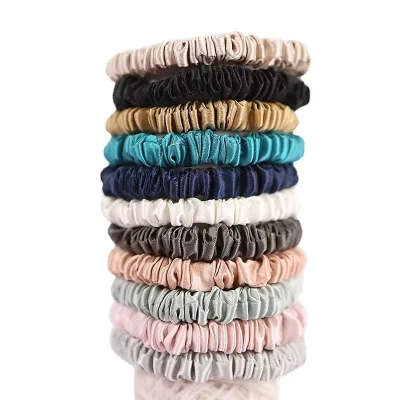
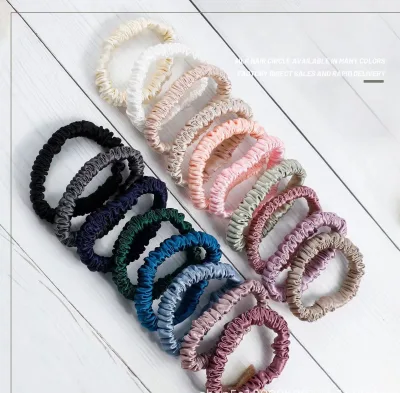
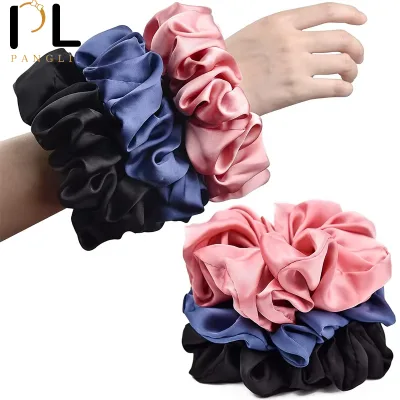
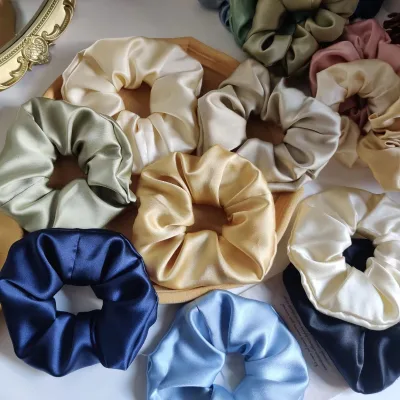
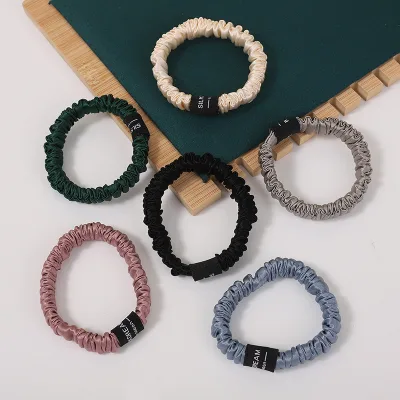
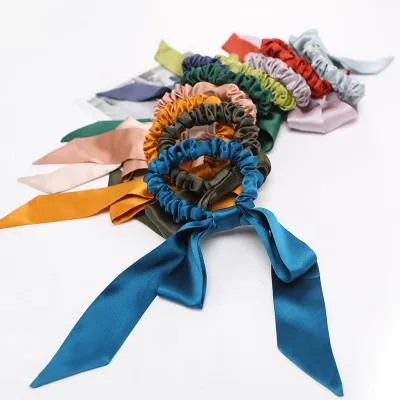


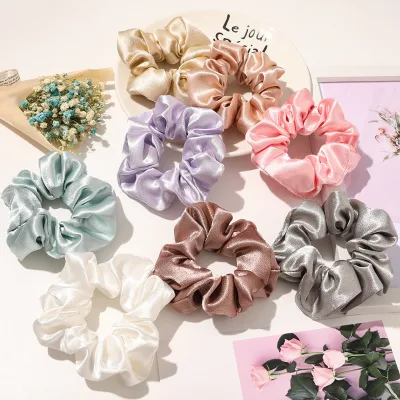
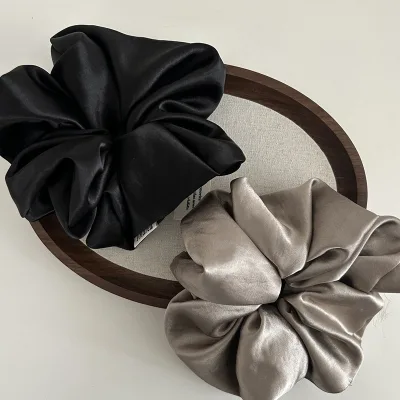
Comprehensive Sourcing Guide
Eco Friendly Silk Scrunchies Sourcing Guide
Sourcing eco-friendly silk scrunchies requires a nuanced understanding of material definitions, supply chain transparency, and the specific operational realities of textile manufacturing in key production hubs. The term "eco-friendly" is often used broadly in B2B listings, but for procurement professionals, it demands verification of fiber origin, dyeing processes, and end-of-life considerations. Buyers must distinguish between genuine natural silk fibers, which are biodegradable and renewable, and synthetic alternatives like polyester or nylon that may be marketed with vague sustainability claims. The core challenge lies in aligning the aesthetic and tactile qualities associated with silk—such as sheen, softness, and hair-friendly elasticity—with verifiable environmental standards. This guide provides a structured approach to navigating these complexities, ensuring that procurement decisions are based on observable product attributes, reliable supplier capabilities, and clear commercial terms rather than marketing ambiguity.
The current market landscape for hair accessories, particularly scrunchies, is characterized by high customization potential and diverse material offerings. While silk remains a premium choice for luxury and beauty-focused segments, many suppliers offer fabric-based alternatives that mimic silk’s appearance while offering different cost and durability profiles. Procurement teams must evaluate whether the "eco-friendly" label applies to the entire product lifecycle, including packaging and shipping methods. Furthermore, the distinction between digital print and screen print processes significantly impacts both lead times and environmental footprint, as digital printing often reduces water usage and waste compared to traditional screen printing methods. Understanding these operational differences is critical for aligning product specifications with corporate sustainability goals and delivery requirements.
Product Scope and Observed Listing Signals
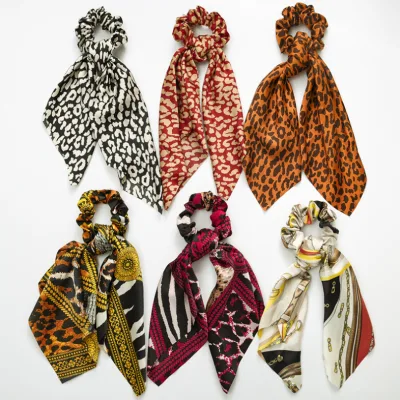
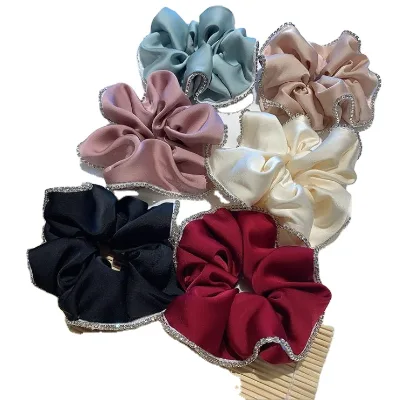
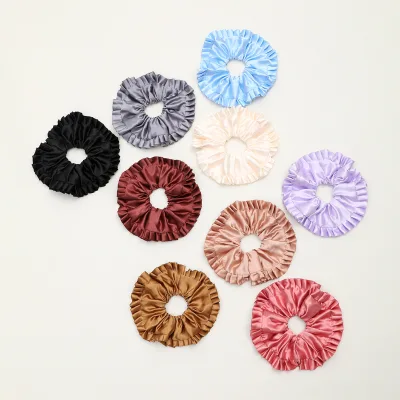
The observed product range for silk and silk-like scrunchies reveals a strong emphasis on customization and versatility in design. Listings indicate that suppliers offer a wide array of shapes, including bowknots and floral designs, catering to both daily use and specific fashion occasions. The material composition is frequently listed as "fabric," which serves as a broad category encompassing natural silk, satin-finish polyester, and other blended textiles. Buyers should note that while "silk" is a specific fiber, many products marketed under similar headings may utilize synthetic fabrics that provide similar aesthetic qualities at a lower cost point. The suitability for various demographics, including girls and middle-aged consumers, suggests a broad market appeal, but procurement teams must verify the actual fiber content to ensure it meets specific eco-friendly criteria, as synthetic options may not align with strict sustainability mandates.
Packaging and shipping methods are critical components of the product scope that influence both cost and environmental impact. Standard packaging often involves individual polypropylene (PP) bags, which, while protective, may not align with zero-waste sustainability goals. Buyers should inquire about alternative packaging options, such as recyclable paper bags or bulk shipping without individual wrappers, to reduce plastic usage. Additionally, the availability of multiple shipping methods, including express couriers like DHL, FedEx, and UPS, as well as sea and air freight, offers flexibility in managing inventory and carbon footprint. The ability to customize standard dimensions, such as 3.5x55cm or 4x12cm, allows for tailored product offerings, but buyers must confirm that these customizations do not compromise the structural integrity or eco-friendly attributes of the final product.
Technical Specifications to Verify
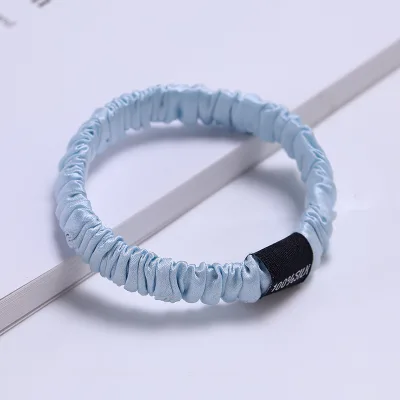
Verifying technical specifications is essential to ensure that the product meets both functional and sustainability requirements. Key attributes to confirm include the exact fiber content, with a focus on distinguishing between natural silk and synthetic imitations. Buyers should request detailed material breakdowns to understand the composition of the fabric, including any elastic components that may affect biodegradability. The shape and style of the scrunchie, whether bowknot, flower, or simple elastic band, should be validated against physical samples to ensure consistency with design expectations. Additionally, the production model numbers, such as HS-001 or zg-silk scrunchies, serve as identifiers for specific product lines, but buyers must not rely solely on these codes without confirming the underlying material and construction details.
Lead times and production methods are significant technical factors that impact supply chain reliability and environmental efficiency. Digital printing processes typically offer shorter sample delivery times of 7-10 days and bulk delivery times of 15-20 days, whereas screen printing may require 10-15 days for samples and 25-30 days for bulk production. These differences are crucial for buyers managing tight inventory cycles or seasonal launches. Furthermore, the standard dimensions provided, such as 1.5x12cm or 6x17cm, should be cross-referenced with the supplier’s capability to produce custom sizes. Buyers must verify that the elastic used in the scrunchies is of high quality to ensure durability and comfort, as poor elasticity can lead to product failure and customer dissatisfaction, undermining the value proposition of the purchase.
Compliance and Safety Documentation
Compliance and safety documentation are paramount when sourcing eco-friendly products, as regulatory requirements vary by destination market. Buyers should request certificates of conformity that verify the absence of harmful substances, such as heavy metals or toxic dyes, in the fabric and elastic components. While certifications like GOTS, OEKO-TEX, and ISO 9001 are mentioned in background contexts, their specific applicability to a given supplier must be confirmed through direct inquiry and document verification. These certifications provide assurance that the product meets recognized environmental and quality management standards, but buyers must ensure that the certificates are current and issued by accredited bodies. The absence of such documentation does not necessarily indicate non-compliance, but it requires additional due diligence to assess the supplier’s internal quality control processes.
Safety standards for hair accessories also include considerations for physical safety, such as the strength of the elastic and the security of any decorative elements like bows or flowers. Buyers should verify that the products meet relevant safety regulations in their target markets, particularly regarding small parts and choking hazards, although these are less critical for adult-focused products. Additionally, the origin of the product, whether from Hangzhou or Yiwu City in Zhejiang Province, China, may influence the applicable regulatory framework. Buyers must ensure that the supplier can provide necessary documentation, such as material safety data sheets (MSDS) or test reports, to demonstrate compliance with local and international safety standards. This documentation is essential for customs clearance and market entry, particularly in regions with strict regulatory environments.
Cost Drivers and Commercial Terms
Cost drivers for eco-friendly silk scrunchies include material quality, production volume, and customization complexity. Natural silk is inherently more expensive than synthetic alternatives, and the cost increases further with eco-friendly dyeing processes and sustainable packaging options. Buyers should anticipate a price range that reflects these factors, with observed listings indicating variability based on material and design. Minimum order quantities (MOQs) also play a significant role in pricing, with ranges observed from 5 to 2400 pieces. Higher volumes typically result in lower per-unit costs, but buyers must balance this with inventory holding costs and demand forecasts. Customization, such as specific sizes or unique designs, may incur additional setup fees or higher MOQs, which should be factored into the total cost of ownership.
Commercial terms, including payment methods and shipping arrangements, significantly impact the overall procurement cost. Common payment methods include T/T and Western Union, which offer flexibility but may involve transaction fees or currency exchange risks. Shipping costs vary based on the method chosen, with express delivery being faster but more expensive than sea or air freight. Buyers should negotiate clear terms regarding who bears the cost of shipping and insurance, particularly for large orders. Additionally, the supply type, often listed as "Make-to-Order," implies that production begins only after order confirmation, which can affect lead times and inventory planning. Buyers must align these commercial terms with their financial and logistical capabilities to ensure a smooth procurement process.
Supplier Qualification and Quality Control
Supplier qualification is a critical step in ensuring the reliability and quality of eco-friendly silk scrunchies. Buyers should assess the supplier’s production capabilities, including their experience with silk and fabric-based products, and their ability to meet customization requests. The presence of OEM services indicates that the supplier is open to branding and private labeling, which is valuable for buyers seeking unique product offerings. Quality control processes should be transparent, with suppliers providing details on their inspection procedures and defect rates. Buyers should request samples to evaluate the product’s quality, including the texture of the fabric, the strength of the elastic, and the precision of the printing or embroidery.
Ongoing quality control measures are essential to maintain product consistency across production batches. Buyers should establish clear quality standards and communicate them to the supplier, including acceptable tolerances for size, color, and material composition. Regular audits or third-party inspections may be necessary for large orders to ensure compliance with these standards. Additionally, buyers should monitor the supplier’s performance in terms of delivery times and responsiveness to issues. A reliable supplier will have robust systems in place to address defects or delays promptly, minimizing disruption to the buyer’s supply chain. Building a strong relationship with the supplier through clear communication and mutual expectations can enhance quality outcomes and foster long-term partnership.
Long-Term Procurement Checks
Long-term procurement checks involve continuous monitoring of supplier performance and market trends to ensure sustained value and compliance. Buyers should regularly review supplier certifications and documentation to ensure they remain valid and up-to-date, particularly for eco-friendly claims. Tracking changes in material costs and production technologies can help buyers anticipate price fluctuations and identify opportunities for cost savings. Additionally, staying informed about evolving sustainability standards and consumer preferences can guide product development and sourcing strategies. Buyers should also assess the supplier’s ability to innovate and adapt to new market demands, such as the introduction of new eco-friendly materials or packaging solutions.
Risk management is a key component of long-term procurement, requiring buyers to diversify their supplier base and maintain contingency plans. Relying on a single supplier can expose buyers to risks such as production delays, quality issues, or geopolitical disruptions. By maintaining relationships with multiple suppliers, buyers can mitigate these risks and ensure continuity of supply. Regular performance reviews and feedback loops with suppliers can help identify areas for improvement and strengthen the partnership. Ultimately, a proactive approach to long-term procurement checks enables buyers to secure high-quality, eco-friendly silk scrunchies while managing costs and risks effectively.
FAQs
Can I customize the size and shape of fabric hair scrunchies?
Yes, customization is available for fabric hair scrunchies. You can request specific dimensions such as 3.5x55cm or 5.5x55cm, or choose custom sizes like 1.5x12cm and 2x10cm. The product supports various shapes including bowknots and flowers, allowing you to tailor the accessory to your brand's fashion style and specific design requirements.
What are the lead times for digital and screen printing?
Sample delivery takes 7-10 days for digital print and 10-15 days for screen print. Bulk delivery requires 15-20 days for digital print and 25-30 days for screen print. These timelines apply to make-to-order production, ensuring that your specific printing preferences are met within the stated delivery windows for both samples and bulk orders.
What shipping methods are available for hair ribbon accessories?
Shipping options include express delivery via TNT, FedEx, DHL, and UPS. You can also choose to ship by sea or by air depending on your urgency and volume. These flexible logistics methods ensure that your fabric hair scrunchies and hair decorations reach your destination efficiently, supporting both small sample shipments and large bulk orders.
What is the minimum order quantity for these hair accessories?
The minimum order quantity ranges from 5 to 2400 pieces, depending on the specific product model and customization needs. This flexible MOQ allows buyers to start with small test orders or proceed directly to larger bulk purchases. The supply type is make-to-order, ensuring that production aligns with your required quantity and packaging specifications.
Where are these fabric hair scrunchies manufactured?
These hair accessories are manufactured in Hangzhou, China, and Yiwu City, Zhejiang Province, China. The products are designed for daily use and are suitable for girls and middle-aged customers. The origin ensures access to established manufacturing hubs known for producing high-quality fabric hair decorations with various styles, from simple to elegant.
How are the hair scrunchies packaged for shipment?
Packaging options include 1 piece in 1 PP bag, 1 PC in a PP bag, or 12 pieces per dozen with 50 dozens per carton. You can also request custom packaging to meet your branding needs. This flexible packaging approach ensures that your fabric hair scrunchies are protected during transit and ready for retail display or direct distribution.