Source eco-friendly sleeveless baby girl dress for parties, casual wear, and summer events
Find 30 listings for the eco-friendly sleeveless baby girl dress suitable for parties, casual wear, and summer events. Buyers can compare materials like cotton and spandex blends, styles, and supply types including OEM services.
Key considerations
Products List


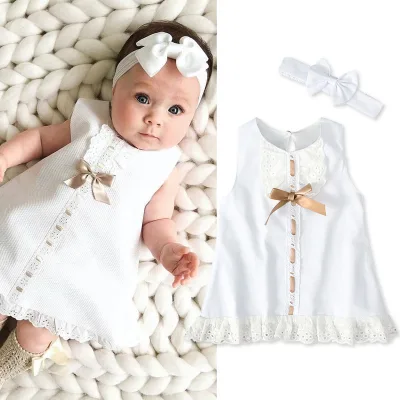
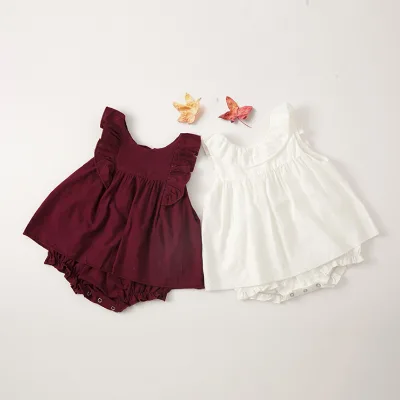
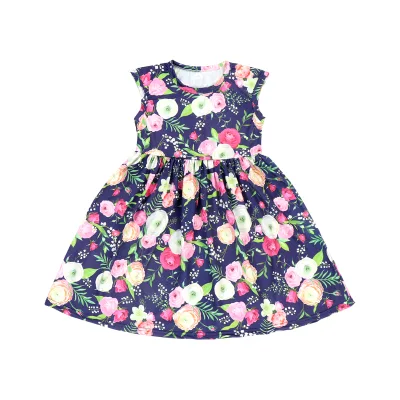
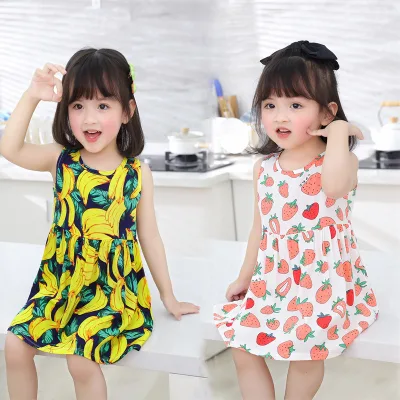


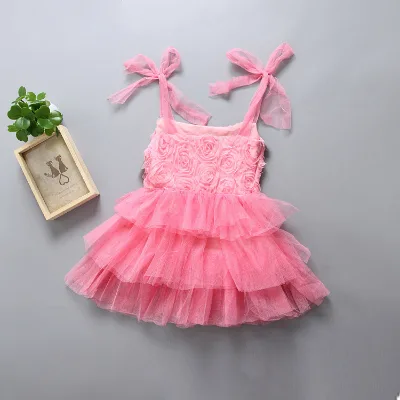
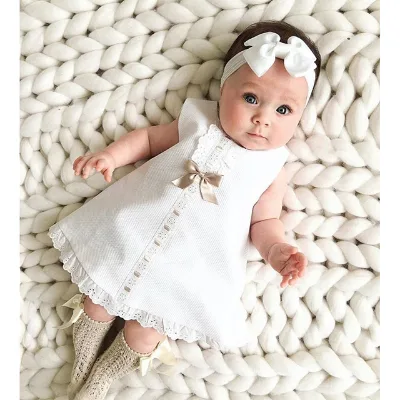
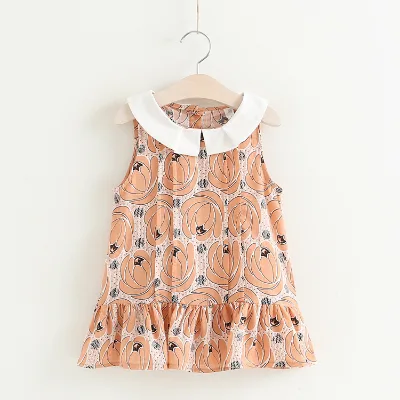


100% Organic Cotton Sleeveless Dress Girl's Knee Length Knitted Dress Summer Fit
$11.00 - $13.00
MOQ: 2 pieces
Comprehensive Sourcing Guide
Strategic Sourcing Guide for Eco-Friendly Sleeveless Baby Girl Dresses
The global market for children's apparel has seen a significant shift toward sustainable and safe manufacturing practices, with a specific demand for eco-friendly sleeveless dresses for young girls. For B2B procurement professionals, navigating this sector requires a disciplined approach that balances aesthetic requirements with rigorous safety and material standards. The core product category, defined by sleeveless construction and eco-friendly attributes, presents unique challenges regarding fabric composition, supply chain transparency, and compliance verification. This guide outlines the essential factors for sourcing these garments effectively, drawing on observed market data and established industry practices to ensure a robust procurement strategy.
Material Composition and Fabric Verification
The foundation of any eco-friendly garment lies in its material composition. In the observed market data, cotton emerges as a primary material, with specific listings indicating 100% cotton and blends such as Spandex/Cotton or Spandex/Polyester. For a product explicitly marketed as "eco-friendly," the sourcing strategy must prioritize natural fibers that minimize environmental impact. While 100% cotton is a standard benchmark for breathability and comfort, the presence of Spandex in blends suggests a need for stretch and fit retention, which is critical for active children.
Buyers must verify the specific fiber content through supplier documentation rather than relying solely on marketing claims. The distinction between 100% cotton and cotton blends is not merely semantic; it affects the garment's lifecycle, recyclability, and chemical treatment requirements. For instance, a Spandex/Cotton blend offers durability and shape recovery but introduces synthetic elements that may complicate end-of-life disposal. Procurement teams should request detailed material breakdowns and verify if the cotton is sourced from certified organic farms, which is a common prerequisite for "eco-friendly" labeling. Additionally, the technical specification of "Garment Dyed" observed in some listings indicates a process where the fabric is dyed after construction, which can reduce water usage compared to pre-dyeing processes, though it requires strict quality control to ensure colorfastness.
Technical Specifications and Design Attributes
Understanding the technical specifications of the target product is essential for defining the scope of the procurement. The observed data highlights several key attributes that define the product profile. The sleeveless design is a consistent feature, aligning with the "Summer" and "Spring Summer Autumn Winter" seasonal requirements noted in various listings. This design choice necessitates specific attention to armhole finishing and fabric weight to ensure comfort and modesty for the intended age group, which is frequently listed as "2-6 Years" or generally "Children."
The silhouette is another critical technical parameter. The "A-Line" cut is frequently observed, offering a flattering and comfortable fit that allows for ease of movement. This is often paired with a "Crew Neck" collar style, which is standard for young children due to its simplicity and lack of restrictive elements. Length variations are also significant; while some listings specify "Mini" length, others indicate "Long" or general "Dresses Length" categories. Buyers must clearly define the desired length based on the target demographic's size charts and the intended occasion, whether "Party" or "Casual."
Furthermore, the "Printed" and "Floral" pattern types are dominant in this category. The "Garment Dyed" technique mentioned in the data suggests a specific manufacturing process that can result in unique color variations. When sourcing, it is vital to establish clear tolerances for pattern alignment and color consistency. The "Ruffle" technics observed in some listings add a decorative element that requires additional labor and material, potentially impacting the cost structure and production lead time.
Compliance, Certification, and Safety Standards
In the children's apparel sector, compliance is not optional; it is a fundamental requirement for market access. The observed data references "SGS" as a standard, indicating that third-party testing is a common expectation in this supply chain. While "GOTS" (Global Organic Textile Standard) and "OEKO-TEX" are mentioned in background contexts, buyers must treat these as verification targets rather than assumed attributes. The presence of "Eco-Friendly" and "Anti-static" features in product descriptions suggests that suppliers are targeting specific safety and environmental benchmarks.
Procurement professionals should verify that the supplier has the capability to provide test reports from accredited laboratories for chemical safety, flammability, and physical strength. The "SGS" reference implies that the supplier is familiar with international testing protocols, but the specific scope of testing must be confirmed. For eco-friendly claims, the verification of organic certification is paramount. Buyers should request certificates that are valid for the specific batch of goods, ensuring that the "100% Cotton" or "Spandex/Cotton" claims are backed by traceable documentation.
Additionally, the "Anti-static" feature is a specific performance claim that requires validation. Static electricity can be uncomfortable and potentially hazardous for children, particularly in dry environments. Sourcing guides should include a checklist for verifying that the fabric treatment meets relevant safety standards for static dissipation. Similarly, the "Breathable" and "Moisture Absorption" features observed in the data must be substantiated through material testing to ensure the garment performs as advertised in humid or active conditions.
Cost Drivers and Supply Chain Economics
The pricing structure for eco-friendly sleeveless baby girl dresses is influenced by several variables, including material costs, labor intensity, and supply chain complexity. The observed price range of 0.91 to 20 USD indicates a wide spectrum of product quality and positioning. Lower-priced items may utilize blended fabrics or simpler construction techniques, while higher-priced items likely incorporate organic cotton, specialized dyes, and more intricate designs like ruffles or complex prints.
The "MOQ" (Minimum Order Quantity) range of 1 to 1000 units offers flexibility for different buyer profiles. Small buyers or those testing new designs can leverage the lower MOQs, often associated with "In-Stock Items" or "ODM" services. However, larger orders typically benefit from economies of scale, reducing the unit cost. The "Supply Type" observed includes "OEM service," "ODM," and "In-Stock Items," each carrying different cost implications. OEM services allow for custom branding and specifications but may involve higher setup costs, whereas in-stock items offer immediate availability but limited customization.
Lead times are another critical cost driver. The data indicates a "7_days_sample_order_lead_time" support, which is favorable for rapid prototyping. However, bulk production lead times are not explicitly stated in the observed facts and must be negotiated. Factors such as the "Garment Dyed" process, which can be time-consuming, and the complexity of "Printed" patterns can extend production schedules. Buyers should factor in these variables when planning inventory and managing cash flow.
Supplier Evaluation and Operational Capabilities
Selecting the right supplier requires a comprehensive evaluation of their operational capabilities and commitment to quality. The observed data lists "China" as the place of origin, with specific mentions of "Guangdong" and "Zhejiang" provinces. These regions are known for their robust textile industries, but buyers should verify the specific factory's capacity and reputation. The availability of "ODM, OEM service, and In-Stock Items" suggests a versatile supplier base, but the depth of their engineering and design support varies.
Key evaluation criteria should include the supplier's ability to handle customization, as indicated by the "Customization: Available" attribute. This includes the capacity to modify patterns, colors, and materials to meet specific buyer requirements. The "1 Set/Polybag, Packed in Carton" and "Bok" packing methods observed indicate standard packaging practices, but buyers should assess the durability of the packaging to prevent damage during transit.
Furthermore, the supplier's responsiveness to sample orders is a strong indicator of their service quality. The support for "7_days_sample_order_lead_time" is a positive sign, suggesting a streamlined sampling process. Buyers should also evaluate the supplier's inventory management, particularly for "In-Stock Items," to ensure consistent availability of popular styles and sizes. The "available_quantity" of 1000 units in some listings highlights the importance of verifying stock levels before placing large orders to avoid supply disruptions.
Quality Control and Long-Term Procurement Strategy
Implementing a robust quality control (QC) protocol is essential for maintaining product integrity and brand reputation. Given the "Eco-Friendly" and "Breathable" claims, QC must extend beyond visual inspection to include functional testing. Buyers should establish clear acceptance criteria for fabric weight, colorfastness, seam strength, and the absence of harmful substances. The "SGS" standard mentioned in the data serves as a benchmark for third-party verification, but internal QC processes should be equally rigorous.
For long-term procurement, building a strategic partnership with suppliers is more beneficial than transactional relationships. This involves collaborating on design innovation, such as incorporating new sustainable materials or improving production efficiency. The "Customization" capability allows for continuous product development, enabling buyers to differentiate their offerings in a competitive market. Additionally, maintaining open communication regarding supply chain transparency and ethical labor practices is crucial for upholding the "Eco-Friendly" promise.
Buyers should also consider the scalability of their supply chain. As demand grows, the ability to increase order volumes without compromising quality or lead times becomes critical. The observed "MOQ" flexibility suggests that suppliers can accommodate growth, but buyers must negotiate terms that protect against price volatility and supply shortages. Regular audits and performance reviews will help ensure that the supplier continues to meet the evolving standards of the eco-friendly children's apparel market.
Comparative Analysis of Sourcing Options
To assist in decision-making, the following table compares the primary sourcing models observed in the market for eco-friendly sleeveless baby girl dresses. This comparison highlights the trade-offs between customization, lead time, and cost.
| Sourcing Model | Customization Level | Lead Time | MOQ Flexibility | Ideal Use Case |
|---|---|---|---|---|
| In-Stock Items | Low | Immediate | High (1-1000) | Quick replenishment, testing new markets |
| OEM Service | High | Moderate to Long | Moderate to High | Brand-specific designs, private labeling |
| ODM Service | Very High | Long | Moderate | Innovative designs, full supply chain support |
This analysis underscores the importance of aligning the sourcing model with the buyer's strategic goals. While in-stock items offer speed, OEM and ODM services provide the differentiation necessary for long-term brand growth. By carefully evaluating these options against the specific requirements of the eco-friendly sleeveless baby girl dress category, procurement professionals can build a resilient and competitive supply chain.
FAQs
What materials are used for eco-friendly sleeveless baby girl dresses?
The dresses are primarily made from 100% cotton or blends like Spandex and Cotton. Some listings also feature Spandex and Polyester combinations to ensure stretch and durability for active children while maintaining comfort.
Can I find sleeveless dresses for girls aged 2 to 6 years?
Yes, specific models are available for the 2-6 years age group. These designs often feature crew neck collars and A-line silhouettes suitable for casual or party occasions during summer seasons.
Which certifications or standards apply to these garments?
Products may comply with SGS standards and include eco-friendly or anti-static features. Buyers should verify specific batch documentation for organic claims rather than assuming universal certification for all listed items.
How do I order samples for these sleeveless dresses?
Support for 7-day sample order lead times is available for many suppliers. This allows buyers to verify quality and customization options before committing to larger bulk orders with varying minimum quantities.
What are the typical packaging methods for these dresses?
Common packaging includes one set per polybag packed inside a carton. Some suppliers may use alternative packing methods like Bok, so buyers should confirm specific requirements during the ordering process.
Which locations supply these eco-friendly sleeveless dresses?
Products originate from China, specifically from provinces like Guangdong and Zhejiang. These regions host manufacturers capable of providing OEM, ODM, and in-stock items for various order sizes.