Source Eco Friendly Soft Anal Plug for Massage, Flirting, and Wellness
Compare 30 listings for Eco Friendly Soft Anal Plug options featuring TPE and Silicone materials. Buyers can review specifications like waterproof ratings, sizes, and functions to find suitable suppliers for personal wellness and intimate applications.
Key considerations
Products List
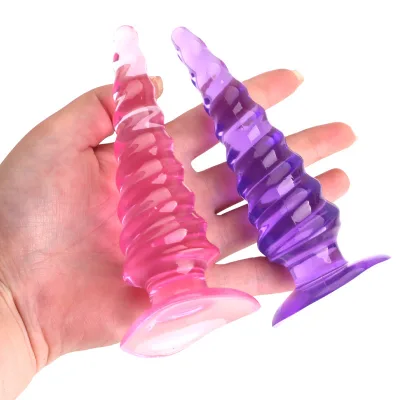
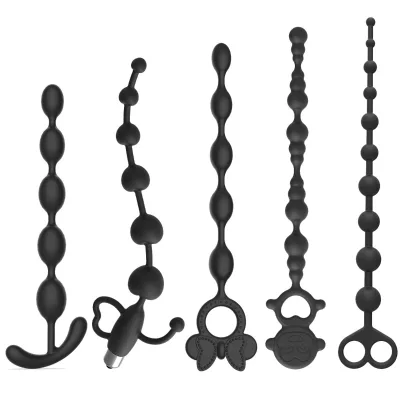
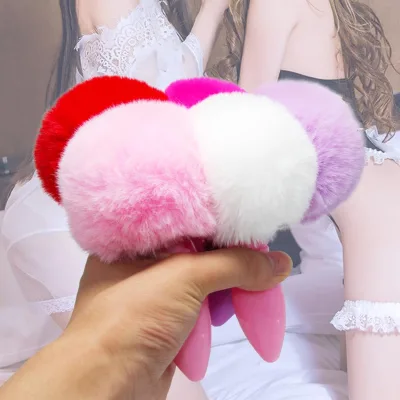
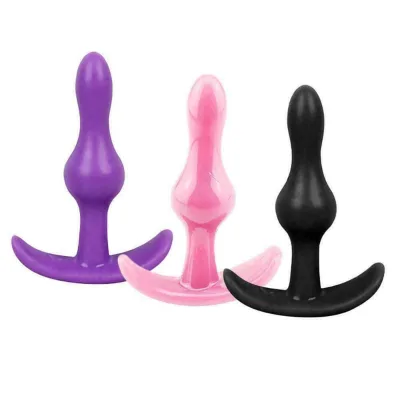
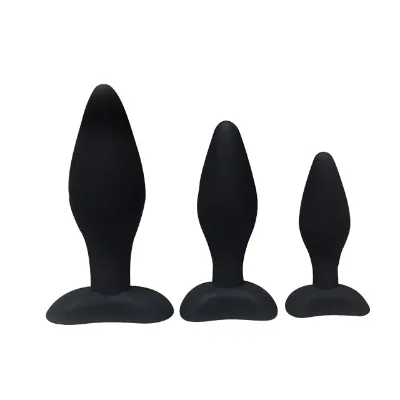
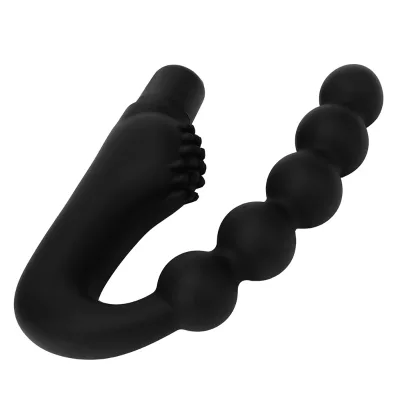
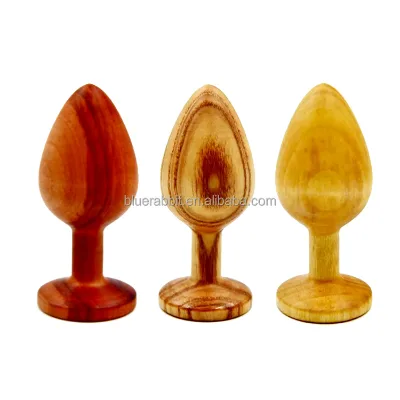
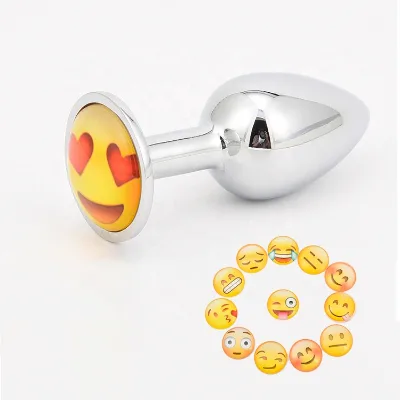


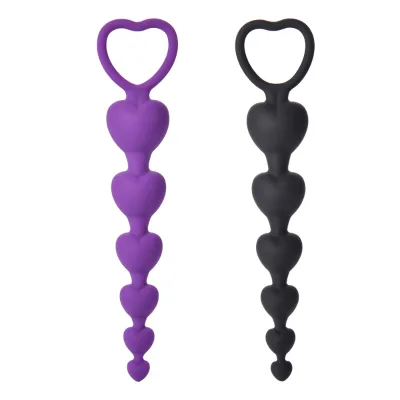
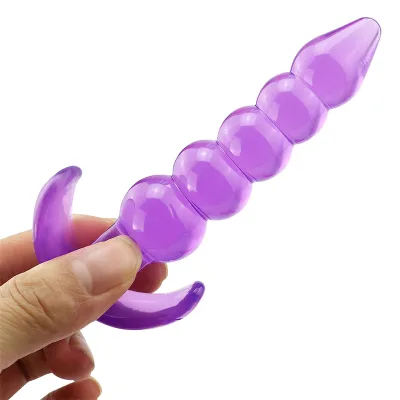
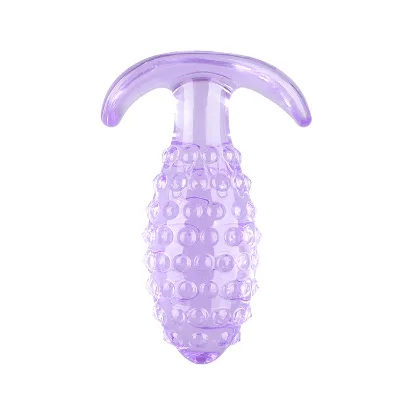

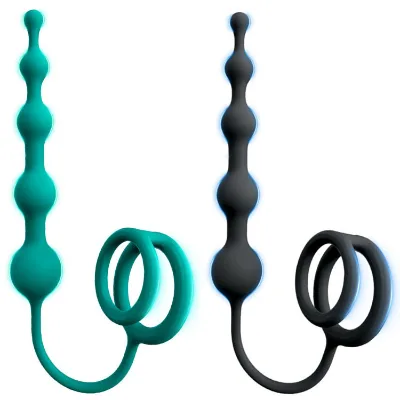


Comprehensive Sourcing Guide
Strategic Sourcing Guide for Eco-Friendly Soft Anal Plugs
Understanding Material Composition and Safety Standards
When sourcing products under the core keyword of "eco-friendly soft anal plug," the primary technical consideration is the material composition, as this directly dictates both the safety profile and the environmental footprint of the item. In the current B2B market, the term "soft" typically refers to flexible, body-safe polymers that mimic natural tissue texture. Based on available product data, the two most prevalent materials for this category are Thermoplastic Elastomer (TPE) and medical-grade Silicone. TPE is often cited for its softness and lower cost, while Silicone is generally preferred for its durability, non-porous nature, and higher resistance to degradation over time.
The distinction between these materials is critical for buyers prioritizing eco-friendly attributes. Silicone is inherently more stable and recyclable in industrial contexts compared to TPE, which can sometimes contain plasticizers that raise environmental concerns. However, the supply chain data indicates that many listings specify "Silicone" or "Silicone+ABS" combinations, with some products explicitly noting a "non-latex" feature. This non-latex attribute is a standard safety requirement for adult wellness products to prevent allergic reactions, but it does not automatically equate to eco-friendliness. Buyers must verify that the "eco-friendly" claim is supported by the absence of phthalates, heavy metals, and other toxic additives often found in lower-grade TPE formulations.
Furthermore, the "soft" characteristic is often linked to the Shore hardness of the material, though specific durometer values are rarely listed in standard product descriptions. Instead, buyers should rely on the product's tactile description, such as "Real Touch Feeling," which appears in several supplier specifications. This feature suggests a formulation designed to provide a natural sensation, which is a key selling point for end consumers. When evaluating suppliers, it is essential to request material safety data sheets (MSDS) to confirm that the "Silicone" or "TPE" used meets international safety standards for body contact, rather than relying solely on marketing terms like "eco-friendly" without third-party verification.
Technical Specifications and Functional Attributes
The technical specifications of anal plugs vary significantly based on the intended application and user preference. The product data reveals a diverse range of models, with specific model numbers such as AS-AVE15, AS-AVE71, and AS-AP040 indicating distinct design iterations. These variations often correlate with differences in size, weight, and functional capabilities. For instance, one model is listed with a size of "M" and a single package size of 11.3x8x5 cm, weighing 37.6g, while another model features a size of 16x3cm and weighs 50g. The weight difference suggests variations in density and material thickness, which directly impact the user experience and the "softness" of the plug.
Functionality is another critical technical dimension. While many products are categorized simply as "anal plugs," some listings specify advanced functions such as "Strong suction" or "vibrator" capabilities. The presence of a "vibrator" type suggests the inclusion of internal mechanisms, which requires a power source. The data indicates that some units are "Plug-In" powered, while others have "no" power source, implying they are manual or passive devices. For buyers seeking eco-friendly options, the inclusion of electronic components like motors and batteries introduces additional complexity regarding recyclability and end-of-life disposal. A purely mechanical, non-electronic plug made from sustainable silicone may offer a more straightforward eco-friendly profile than a battery-operated device containing mixed materials like ABS plastic and silicone.
Color and aesthetic options also play a role in product selection. The observed data lists colors ranging from "Pink, Purple" to "Black 1" through "Black 5," and "White, Red, Pink." The use of multiple color variants, such as the "5 styles as pictures" noted in one specification, indicates that suppliers offer customization or a wide SKU range. Buyers should note that achieving specific colors often requires the use of pigments, which must be non-toxic and compliant with safety regulations. The "Single package size" varies from compact 16x3x5 cm units to larger 28x8x2 cm packages, reflecting the physical dimensions of the product and its packaging. These dimensions are crucial for logistics planning, as they influence shipping costs and storage requirements.
Compliance, Certification, and Regulatory Verification
Navigating the compliance landscape is a non-negotiable aspect of sourcing adult wellness products. The supply data explicitly mentions certifications such as "CE ROHS," which are vital indicators of regulatory adherence. The CE mark signifies conformity with health, safety, and environmental protection standards for products sold within the European Economic Area, while RoHS (Restriction of Hazardous Substances) restricts the use of specific hazardous materials in electrical and electronic equipment. For anal plugs, these certifications are particularly relevant as they ensure the product does not contain lead, mercury, cadmium, or other toxic substances that could leach into the body.
However, the presence of a certification label on a product listing does not guarantee that every unit in a shipment meets the standard. Buyers must verify the validity of these certifications through official databases or by requesting copies of the test reports from the supplier. The data also highlights a "Sexual Wellness Product Feature" of "non-latex," which is a specific compliance requirement for products intended for users with latex allergies. This feature is a baseline safety standard, but it does not replace the need for broader material safety certifications.
In the context of "eco-friendly" claims, buyers should look for additional environmental certifications beyond the standard CE and RoHS. While the provided data does not list specific environmental standards like ISO 14001 or specific biodegradability tests, the absence of such data suggests that buyers must proactively request this information. Suppliers claiming eco-friendly status should be able to provide documentation regarding the sourcing of raw materials, the manufacturing process's carbon footprint, and the product's recyclability. The "Place of Origin" is listed as "Guangdong, China," a major manufacturing hub. Buyers should be aware that while this region has a robust supply chain, the regulatory enforcement and environmental standards can vary between factories. Therefore, independent third-party testing is essential to validate any eco-friendly assertions before placing a large order.
Cost Drivers and Pricing Dynamics
The pricing of anal plugs is influenced by a complex interplay of material costs, manufacturing complexity, and order volume. The observed price range in the market spans from $0.21 to $27.94 USD, a significant variance that reflects differences in quality, functionality, and branding. The lower end of this spectrum typically corresponds to products made from TPE with minimal features, such as the "anal plug for sex toys" listed with a "no" power source and basic packaging. In contrast, the higher price points are often associated with products featuring advanced functionalities like vibration, "Strong suction," or premium materials like high-grade silicone.
Minimum Order Quantity (MOQ) is another critical cost driver. The data shows an MOQ range from 1 to 500 units, with specific listings citing MOQs of 3 pieces or 10 pieces. This flexibility allows buyers to test the market with small orders, but it also means that unit costs will be higher for smaller quantities. As the order volume increases, the per-unit cost typically decreases due to economies of scale in production and shipping. However, buyers must balance the desire for lower unit costs with the risk of overstocking, especially for products with specific color or style requirements.
Packaging and branding also impact the final cost. The data indicates that products are often shipped in "OPP bags" or "polybags," which are cost-effective but offer minimal protection. Upgrading to custom packaging, such as branded boxes or eco-friendly materials, will increase the unit cost. Additionally, the "Brand Name" is listed as "unbrand" or "No brand" for many items, suggesting that these are generic products. Buyers who wish to establish their own brand will need to factor in the costs of private labeling and custom packaging design. The "Single gross weight" of 0.080 kg to 0.100 kg per unit also affects shipping costs, particularly for air freight, where weight is a primary determinant of freight charges.
Supplier Evaluation and Quality Assurance Protocols
Evaluating suppliers requires a rigorous approach to ensure that the products meet the specified technical and safety requirements. The data indicates that the "Place of Origin" is consistently "Guangdong, China," which suggests a concentration of manufacturing capabilities in this region. Buyers should verify the supplier's production capacity, quality control processes, and ability to meet specific customization requests. The "Model Number" variations, such as AS-AVE15 and AS-AP040, indicate that suppliers have established product lines, but buyers must confirm that the specific model they order matches the desired specifications.
Quality assurance should begin with a detailed review of the product samples. Buyers should inspect the physical attributes, such as the "Real Touch Feeling," color consistency, and material flexibility. The "Weight" and "Size" specifications should be measured to ensure they align with the product description. For example, a product listed as "M" size should be verified against the actual dimensions provided in the single package size. Additionally, the "Noise" level of 50 db for vibrating models should be tested to ensure it meets the expected performance standards.
Supplier reliability is another key factor. The "Selling Units" are listed as "Single item," which implies that the supplier is willing to sell individual units, but buyers should confirm the lead times and production capacity for bulk orders. The "Application" of the product, listed as "Massage" or "flirting," should be consistent with the marketing materials provided by the supplier. Buyers should also verify the "Packing" method, ensuring that the "OPP bags" or "polybags" are sufficient to protect the product during transit. Finally, the "Feature" of "non-latex" must be confirmed through material testing, as this is a critical safety requirement for the end consumer.
Long-Term Procurement and Market Sustainability
Sourcing eco-friendly soft anal plugs involves long-term considerations regarding market trends, supply chain resilience, and product lifecycle management. The "Frequency" of products is listed as "Custom Products," indicating that the market is dynamic and responsive to consumer preferences. Buyers should monitor trends in material innovation, such as the development of bio-based silicone or TPE alternatives that offer enhanced sustainability without compromising safety. The "Key words" associated with these products, such as "anal plug" and "male anal plug tail," suggest a growing demand for specialized designs that cater to specific user needs.
Sustainability is not just a marketing buzzword but a strategic imperative. Buyers should work with suppliers who are committed to reducing their environmental impact through energy-efficient manufacturing processes and waste reduction initiatives. The "Certification" of "CE ROHS" is a starting point, but buyers should encourage suppliers to adopt broader environmental standards. This includes exploring options for recyclable packaging and minimizing the use of single-use plastics in the supply chain.
Furthermore, the "Product Name" variations, such as "silicone rabbit tail anal plug" and "anal plug for men," highlight the importance of product differentiation. Buyers should consider how their product line can stand out in a competitive market by offering unique features, such as enhanced texture, ergonomic design, or innovative materials. The "Type" of product, whether it is a "vibrator" or a standard "anal plug," will also influence the long-term viability of the product line. Buyers should ensure that their procurement strategy aligns with the evolving needs of the market, focusing on quality, safety, and sustainability to build a loyal customer base.
Conclusion and Strategic Recommendations
In conclusion, sourcing eco-friendly soft anal plugs requires a comprehensive understanding of material science, regulatory compliance, and market dynamics. The data provided highlights a diverse range of products with varying specifications, from TPE and silicone materials to different functional capabilities and packaging options. Buyers must prioritize safety and sustainability by verifying certifications, conducting rigorous quality control, and selecting suppliers who demonstrate a commitment to environmental responsibility. By focusing on these key areas, buyers can build a robust and ethical supply chain that meets the evolving demands of the adult wellness market.
FAQs
What materials are used for eco friendly soft anal plugs?
The products primarily use TPE and Silicone materials. TPE offers a soft texture, while Silicone provides durability and non-porous safety. Some listings specify Silicone+ABS combinations for enhanced structure.
Which certifications ensure safety for these adult wellness products?
CE and ROHS certifications are explicitly listed for these items. These marks indicate compliance with health, safety, and environmental standards, restricting hazardous substances like lead and mercury in the product.
Can buyers find these plugs with specific waterproof ratings?
Yes, some units are rated as 100% waterproof while others are daily waterproof. This distinction depends on the specific model and material construction, such as the Silicone or TPE variants listed.
How do MOQ values vary for these anal plug orders?
Minimum Order Quantities range from 1 to 500 pieces depending on the supplier. Specific listings show MOQs of 3 pieces or 10 pieces, allowing for flexible testing or bulk purchasing strategies.
What is the price range for sourcing these adult toys?
The observed price range spans from 0.21 to 27.94 USD per unit. Lower prices typically correspond to basic TPE models, while higher costs reflect advanced features like vibration or premium silicone materials.
Which locations manufacture these eco friendly soft anal plugs?
All listed products originate from Guangdong, China. This region serves as a major manufacturing hub for adult wellness products, offering a robust supply chain for various models and specifications.