Source eco-friendly smocked romper for babies, toddlers, and infants
Find 30 listings for eco-friendly smocked romper options featuring organic cotton and varied designs. Buyers can compare customization, sleeve styles, and knitting gauges across suppliers in China to select suitable items for spring, autumn, or winter use.
Key considerations
Products List


Women's Striped Beach Romper Oversized Puff Sleeve Wide Leg Summer Dressy
$7.50 - $8.50
MOQ: 1000 Pieces


Baby Sleeveless Romper Baby's Halloween Orange Pumpkin Ghost Face Knitted Romper
$10.00 - $15.00
MOQ: 2 pieces

Organic Cotton Knitting Baby One-Piece Romper for Spring Autumn and Winter
$11.00 - $20.00
MOQ: 2 pieces

100%Cotton Bear Knit Button Romper Pistachio Fleck Long Sleeve Cute Ear Romper
$10.00 - $23.00
MOQ: 1 pieces


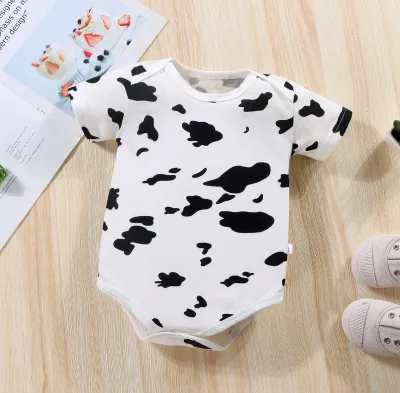


Sustainable Super Soft Lightweight Knitted Bamboo Double Zippered Footie Romper Sleeper
$1.20 - $6.64
MOQ: 100 Pieces


Eco Friendly Plain Bamboo Jersey Hooded Zippered Romper Hoodie Baby Clothes
$3.99 - $8.99
MOQ: 300 Pieces


Comprehensive Sourcing Guide
Strategic Sourcing Guide for Eco-Friendly Smocked Rompers
Defining Product Attributes and Material Composition
When sourcing eco-friendly smocked rompers, buyers must first establish a precise definition of the product attributes to ensure alignment with sustainability goals and functional requirements. The core of this category relies heavily on the material composition, which directly influences the environmental footprint and the tactile quality of the garment. Based on available market data, the primary material drivers for this category include 100% Organic Cotton and 100% Cotton. These materials are frequently cited as the foundation for eco-friendly claims, distinguishing them from synthetic blends that may rely on petroleum-based fibers.
The technical construction of these rompers often involves specific knitting or weaving techniques. The observed data indicates a variety of production methods, including yarn-dyed, knitted, woven, printed, plain-dyed, and handmade techniques. For a product described as "smocked," the knitting gauge is a critical specification. The market shows specific gauges such as 12gg for Spring applications and 7gg for Winter applications, with some variants utilizing a 7gg gauge for heavier winter wear. This variation in gauge affects the density, warmth, and drape of the fabric, which are essential considerations for seasonal procurement.
Furthermore, the design features of these rompers vary significantly. While the core keyword emphasizes "smocked," the broader category includes diverse neckline styles such as collarless, round neck, and V-neck options. Sleeve lengths range from sleeveless to short sleeve and long sleeve configurations. The fit type is often observed as wide leg, providing comfort and ease of movement, which is a standard expectation for children's wear. The pattern selection is equally diverse, encompassing solid colors, stripes, polka dots, geometric shapes, plant motifs, fruits, cosmic themes, and cartoon characters. This variety allows buyers to target specific aesthetic preferences while maintaining the structural integrity of the eco-friendly garment.
Technical Specifications and Seasonal Adaptability
Understanding the technical specifications is vital for ensuring that the procured rompers meet the functional demands of their intended use. The seasonal adaptability of the product is a primary technical driver. The market data highlights distinct seasonal categories, including Winter and Spring/Autumn. The choice of knitting gauge and fabric weight must align with these seasons. For instance, a 7gg gauge is specifically noted for Winter applications, suggesting a denser, warmer fabric construction, whereas a 12gg gauge is associated with Spring, indicating a lighter, more breathable textile suitable for milder temperatures.
The physical dimensions and packaging standards also play a role in logistics and cost estimation. Standard packaging configurations observed include 20 pieces per carton, as well as individual packaging in OPP bags followed by box packaging. The physical standards for the products vary, with some listings citing dimensions of 50x40x5cm and others referencing weight standards such as 1 KG or 0.6kgs. These variations indicate that buyers must verify the specific weight and volume of the product they intend to order, as these factors directly impact shipping costs and storage requirements.
Additionally, the customization capabilities of the supply chain are a significant technical consideration. The data confirms that customization is available for fabric, patterns, and potentially other attributes. This flexibility allows buyers to tailor the product to specific brand identities or market trends. However, the extent of customization must be clearly defined in the technical specification sheet to avoid production errors. The presence of features such as buttons, hoods with pom-poms, and specific stitch types like jersey stitch further diversifies the technical profile of the available inventory. Buyers should verify that the specific technical features required for their eco-friendly line, such as the durability of the smocking or the softness of the organic cotton, are explicitly confirmed in the product specifications.
Compliance Verification and Certification Standards
In the realm of eco-friendly textiles, compliance and certification are not merely marketing tools but essential verification steps for responsible procurement. While the provided data mentions certifications such as GOTS (Global Organic Textile Standard) and OEKO-TEX, and standards like FSC, these are listed as low-confidence background information. Consequently, buyers cannot assume that any specific product listed in a general catalog automatically possesses these certifications. Instead, the procurement strategy must focus on rigorous verification.
Buyers should treat the mention of "Organic Cotton" as a material claim that requires documentary proof. The presence of 100% Organic Cotton in the material list is a strong indicator, but without a valid certificate, this claim remains unverified. The same applies to OEKO-TEX, which certifies that the textile is free from harmful substances. To ensure compliance, buyers must request current, valid certificates from the supplier for each batch of goods. It is crucial to understand that the origin of the product, often cited as China or specific regions like Sichuan, does not inherently guarantee compliance with international environmental standards.
The verification process should extend beyond the fabric itself to the entire production chain. Buyers need to confirm that the dyeing processes, such as yarn-dyed or printed techniques, adhere to environmental regulations regarding wastewater and chemical usage. The "Handmade" and "Embroidered" techniques mentioned in the data suggest a labor-intensive process, which may also require verification of fair labor practices, although this is distinct from environmental certification. The absence of specific certification data in the core product facts means that the burden of proof lies entirely with the buyer to validate these claims before finalizing any order.
Cost Drivers and Pricing Dynamics
The pricing of eco-friendly smocked rompers is influenced by a complex interplay of material costs, production techniques, and order volume. The observed price range in the market spans from $1.1 to $23 USD, a significant variance that reflects differences in quality, complexity, and customization. Several key factors drive these costs. First, the material composition is a primary cost driver. 100% Organic Cotton typically commands a higher price point than conventional cotton due to the stricter agricultural and processing standards required. The inclusion of specialized finishes or the use of multiple colors in a single garment can also increase the unit cost.
Second, the production technique significantly impacts the final price. Handmade, embroidered, and knitted items often require more labor hours and skilled craftsmanship compared to mass-produced, plain-dyed items. The data indicates a variety of techniques, including yarn-dyed, knitted, woven, and printed. Products featuring complex designs, such as the "Pistachio Fleck Long Sleeve Cute Ear Romper" or those with specific knitting gauges for winter, may fall into the higher end of the price spectrum due to the specialized equipment and labor required.
Third, the Minimum Order Quantity (MOQ) is a critical factor in cost management. The observed MOQ range spans from 1 to 5000 units. Lower MOQs, such as 1 unit, are typically associated with higher per-unit costs, catering to small businesses or sampling needs. Conversely, larger orders approaching 5000 units generally benefit from economies of scale, reducing the per-unit price. Buyers must balance their budget constraints with their inventory requirements to determine the optimal order size. Additionally, customization costs should be factored into the pricing model. While customization is available, it often incurs additional setup fees or higher material costs, which can shift the price point within the observed range.
Supplier Evaluation and Operational Capabilities
Evaluating suppliers for eco-friendly smocked rompers requires a focus on their operational capabilities, transparency, and ability to meet specific technical and compliance requirements. The supply chain for these products is predominantly located in China, with specific mentions of regions like Sichuan. While the location is a known variable, the specific capabilities of individual suppliers must be assessed on a case-by-case basis. Buyers should look for suppliers who demonstrate a clear understanding of the "eco-friendly" label, not just in terms of materials but in their entire production process.
One of the key evaluation criteria is the supplier's ability to provide detailed product specifications. The data shows a wide range of product models, such as 2025YJ0395, SQBR173, and SP66, each with unique attributes. A reliable supplier should be able to map these models to specific technical requirements, such as the correct knitting gauge for the intended season or the specific pattern details. The availability of customization is another positive indicator, suggesting a flexible manufacturing process. However, buyers must verify the supplier's capacity to handle these customizations without compromising quality or lead times.
Packaging and logistics capabilities are also essential components of supplier evaluation. The data indicates various packaging standards, from simple OPP bags to carton packaging with specific dimensions. A supplier with robust logistics capabilities can ensure that the products arrive in good condition, minimizing waste and damage. Furthermore, the supplier's response to quality control inquiries is a critical metric. Buyers should assess how the supplier handles quality assurance, particularly regarding the consistency of the organic cotton and the durability of the smocking and stitching. The ability to provide samples for testing before bulk production is a strong indicator of a supplier's confidence in their product quality.
Quality Control and Long-Term Procurement Strategy
Implementing a robust quality control (QC) strategy is essential for maintaining the integrity of eco-friendly smocked rompers. Given the variability in materials and techniques, buyers must establish clear QC protocols before production begins. This includes verifying the material composition to ensure it matches the claimed 100% Organic Cotton or 100% Cotton. Testing for colorfastness, shrinkage, and seam strength is particularly important for garments that will undergo frequent washing, such as children's rompers. The specific stitch types, such as jersey stitch, should be inspected to ensure they meet the required durability standards.
Long-term procurement considerations involve building a sustainable relationship with suppliers who can consistently deliver high-quality products. This requires a focus on reliability and communication. Buyers should prioritize suppliers who are transparent about their production processes and willing to provide regular updates on order status. The availability of a wide range of colors, with some suppliers offering more than 1000 color options, suggests a high level of flexibility. However, buyers must ensure that this variety does not lead to inconsistencies in quality across different batches.
Sustainability should also be a long-term goal in the procurement strategy. This involves not just sourcing organic materials but also considering the end-of-life of the product. Buyers should inquire about the recyclability of the packaging materials and the potential for the garments to be recycled or composted. The use of biodegradable packaging, if available, can further enhance the eco-friendly profile of the product. Additionally, buyers should monitor market trends to ensure that the product designs remain relevant and appealing to consumers. The ability of the supplier to adapt to changing trends, such as new patterns or seasonal adjustments, is a valuable asset for long-term success.
Comparative Analysis of Product Variants
To facilitate informed decision-making, it is helpful to compare the different product variants available in the market. The following table summarizes key attributes based on the observed data, highlighting the diversity in specifications and potential applications.
| Attribute Category | Variant A (Spring/Winter) | Variant B (General) | Variant C (Specialty) |
|---|---|---|---|
| Material | 100% Organic Cotton, 100% Cotton | 100% Cotton | 100% Cotton |
| Knitting Gauge | 12gg (Spring), 7gg (Winter) | 7gg | 7gg |
| Sleeve Style | Sleeveless, Long Sleeve | Long Sleeve | Long Sleeve |
| Neckline | Collarless, Round Neck, V-neck | Round Neck | Round Neck |
| Pattern | Striped, Solid, Polka Dot, Plant | Cartoon Character, Animals | Pistachio Fleck, Bear Romper |
| Season | Spring/Autumn, Winter | Winter, Spring/Autumn | Winter |
| Packing | 20pcs/Carton | OPP Bag Then Box | OPP Bag |
| Standard Weight | 1 KG | 0.6kgs | 1 KG |
| Customization | Available | Available | Available |
This comparison illustrates that while the core material remains consistent, the technical specifications vary significantly to meet different seasonal and aesthetic needs. Buyers should use this data to select the variant that best aligns with their specific market requirements, ensuring that the product's technical attributes match the intended use case. By carefully evaluating these differences, buyers can optimize their procurement strategy to achieve the best balance of quality, cost, and sustainability.
FAQs
What materials are used for eco-friendly smocked rompers?
The primary materials are 100% Organic Cotton and 100% Cotton. These fibers form the foundation for eco-friendly claims, distinguishing them from synthetic blends while ensuring softness and durability for children's wear.
How does the knitting gauge affect the romper season?
A 12gg gauge is used for Spring applications to provide lighter breathability, while a 7gg gauge is designed for Winter to offer denser warmth. Selecting the correct gauge ensures the garment meets specific seasonal temperature requirements.
Which neckline styles are available for these rompers?
Available neckline styles include collarless, round neck, and V-neck options. This variety allows buyers to target specific aesthetic preferences while maintaining the structural integrity of the eco-friendly garment design.
Can buyers customize the fabric and patterns for orders?
Yes, customization is available for fabric, patterns, and other attributes. Buyers can tailor the product to specific brand identities or market trends, though the extent of customization must be clearly defined in the technical specification sheet.
What is the observed price range for these products?
The observed price range spans from 1.1 to 23 USD. This variance reflects differences in quality, complexity, and customization, with higher costs often associated with specialized materials like organic cotton or intricate handmade techniques.
What are the standard packaging configurations for these items?
Standard packaging includes 20 pieces per carton or individual OPP bags followed by box packaging. These variations indicate that buyers must verify the specific weight and volume of the product to accurately estimate shipping costs.
How can buyers verify organic cotton certification claims?
Buyers must request current, valid certificates from the supplier for each batch of goods. The mention of Organic Cotton requires documentary proof, as the product origin alone does not guarantee compliance with international environmental standards.
What is the minimum order quantity range for these rompers?
The MOQ range spans from 1 to 5000 units. Lower MOQs cater to small businesses or sampling needs with higher per-unit costs, while larger orders benefit from economies of scale to reduce the unit price.