Source Eco Friendly Wet Umbrella Dryer for Hotels, Offices, and Shops
Compare 30 listings for the Eco Friendly Wet Umbrella Dryer designed for commercial spaces like hotels, offices, and shops. These units feature stainless steel or cold rolled plate construction with customizable branding and various size options to suit high-end or standard commercial environments.
Key considerations
Products List


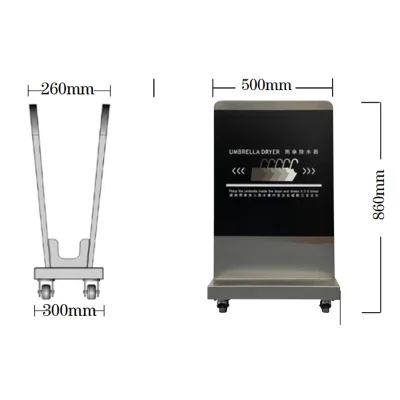
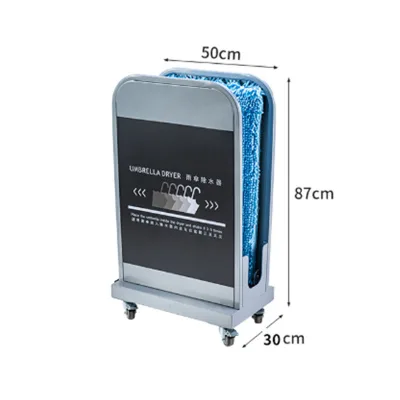
Hotel Mall Stainless Steel Wet Umbrella Drying Machine Umbrella Rainwater Remover
$220.00 - $360.00
MOQ: 50 Pieces
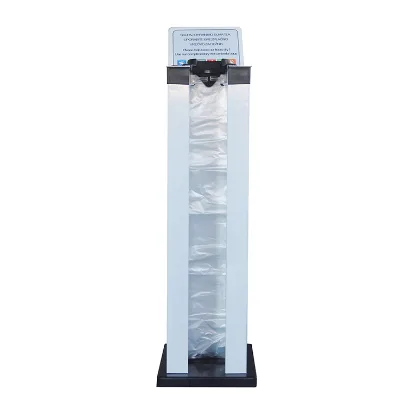
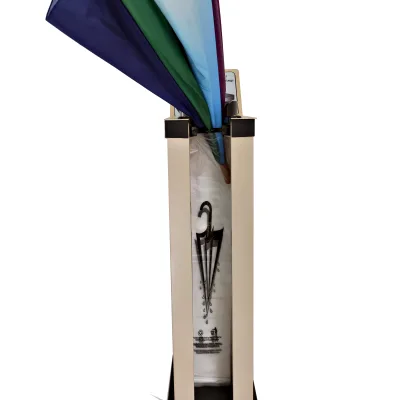
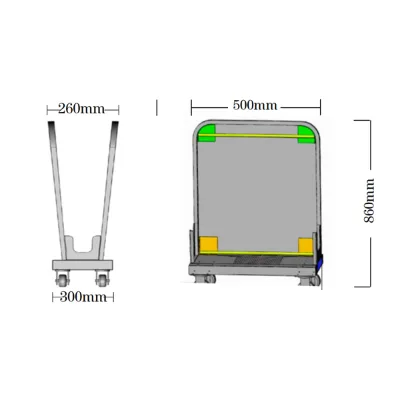
Wholesale Rapid Water Absorption Wet Umbrella Eco Manual Quick Dryer Machine
$33.00 - $300.00
MOQ: 5 Minimum
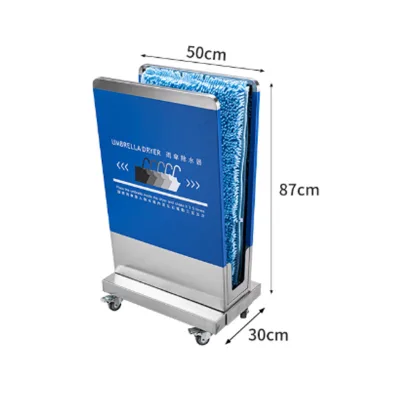


Eco-Friendly Triple Cylinder Dryer for Waste Material Recycling and Drying
$18000.00 - $20000.00
MOQ: 1 Pieces

Durable Triple Return Dryer Ideal for Wet River Sand Dehydration Work
$18000.00 - $20000.00
MOQ: 1 Pieces

Environmental Friendly Triple Pass Dryer for Wet Sand Mud Material
$18000.00 - $20000.00
MOQ: 1 Pieces

Outdoor Usable Three Return Dryer for Open Air Sand and Stone Drying
$18000.00 - $20000.00
MOQ: 1 Pieces


Horizontal Less Dust Eco-Friendly Production Line High Efficient Dryer Machine
$200000.00 - $3000000.00
MOQ: 1 line


Comprehensive Sourcing Guide
Strategic Sourcing Guide for Eco-Friendly Wet Umbrella Dryers
Understanding the Product Category and Material Composition
The procurement of wet umbrella dryers, often marketed as eco-friendly solutions for managing moisture in commercial spaces, requires a nuanced understanding of the materials and construction methods employed by manufacturers. In the current market, these units are primarily designed to handle wet umbrellas from various users, including auto-open/close, folding, and straight types, ensuring that water is contained and evaporated efficiently. The core material composition observed in high-quality units frequently includes stainless steel, which offers superior corrosion resistance and durability in high-moisture environments. However, buyers must also be aware of alternative construction materials such as cold-rolled plate, which may be used in specific models to balance cost and structural integrity.
When evaluating the physical attributes of these dryers, the thickness of the material is a critical specification. Documentation indicates that some units feature a thickness of 1 mm, a dimension that directly impacts the rigidity and longevity of the dispenser. The structural design often adheres to specific model numbers such as C6501, C6502, or UPM-12D, each potentially representing different capacity or aesthetic configurations. The "eco-friendly" aspect of these products is largely derived from their ability to reduce water spillage on floors, thereby minimizing slip hazards and reducing the energy required for floor cleaning and drying. This functional efficiency translates into long-term operational savings for facility managers.
Technical Specifications and Operational Standards
Technical due diligence is essential when selecting a wet umbrella dryer for a specific facility. The physical dimensions of the unit must align with the available floor space and the expected volume of foot traffic. Standardized sizes are common, with some models adhering to dimensions like 90.53187cm or 302479cm, while others are described as having large and small size options to accommodate varying spatial constraints. The folded state of the product is typically "unfolded" when in use, indicating a fixed or semi-fixed installation rather than a portable, collapsible design.
Capacity and throughput are governed by the internal volume and the airflow design, though specific airflow metrics are rarely standardized across all suppliers. Buyers should verify the "standard" specifications provided by the manufacturer, which may range from specific volume measurements like 9 L to general size descriptors. The weight of the unit is another vital specification; observed data suggests single gross weights ranging from 13.000 kg to 15.000 kg, which influences the installation requirements and the need for floor anchoring. The service life of these units is a significant factor in the total cost of ownership, with industry observations indicating a lifespan of 10 to 15 years when maintained correctly. This longevity is contingent upon the quality of the materials, such as the use of stainless steel versus cold-rolled plate, and the robustness of the locking mechanisms, which in some models are absent ("Without Lock") while others may offer custom branding options.
Compliance, Certification, and Safety Verification
In the B2B procurement of commercial fixtures, compliance with international and local safety standards is non-negotiable. Buyers must verify that the supplier can provide valid certification documents. Common certifications observed in this sector include CE and RoHS, which indicate compliance with European health, safety, and environmental protection standards. Additionally, the presence of a China Patent certification suggests that the design may be protected and potentially unique, offering a competitive advantage in terms of design innovation.
However, buyers should not assume that every listed product automatically possesses these certifications. It is the responsibility of the procurement team to request and validate these documents before placing an order. The "Industry" classification for these products is typically "Commercial," and they are often targeted at the "High-End" market, implying stricter quality control expectations. When evaluating a supplier, the procurement team should confirm that the manufacturing process adheres to relevant environmental standards, particularly if the "eco-friendly" claim is a primary purchasing driver. This involves checking for the absence of harmful substances in the materials used, which is often covered under RoHS compliance. Furthermore, the "Condition" of the product is expected to be "New," and buyers should ensure that the supply chain does not involve refurbished or used units unless explicitly agreed upon.
Cost Drivers and Pricing Dynamics
The pricing of wet umbrella dryers is influenced by a complex interplay of factors, including material costs, customization levels, and order volume. The observed price range in the market is exceptionally wide, spanning from $1.5 to $3,000,000. This vast disparity indicates that the market includes both basic, entry-level units and highly customized, industrial-grade solutions. The lower end of the spectrum likely corresponds to standard models with minimal customization, while the higher end reflects bespoke designs, premium materials, or bulk procurement scenarios involving complex logistics.
The Minimum Order Quantity (MOQ) is another significant cost driver, with observed ranges from 1 to 3000 units. Suppliers with lower MOQs may charge a premium per unit due to the setup costs associated with smaller production runs. Conversely, larger orders can leverage economies of scale to reduce the unit price. The "Selling Units" are typically listed as "Single item," but bulk pricing structures are often available for commercial contracts. Buyers should also consider the "Supply Ability" of the supplier, which can be as low as 1000 pieces per month for specialized manufacturers. This capacity constraint can impact the total cost if expedited shipping or production prioritization is required. Additionally, the "Customization" aspect, such as custom branding or specific color options, will invariably increase the cost. The "Packing" method, whether it is a standard carton, express package, or courier packing, also adds to the overall landed cost, especially for international shipments.
Typical Applications and Usage Scenarios
The versatility of wet umbrella dryers makes them suitable for a wide array of commercial environments. The primary usage categories include homes, offices, shops, hotels, and dining rooms. In high-traffic commercial settings such as shopping malls, schools, and hotels, these units play a crucial role in maintaining hygiene and safety. The "Used for" specifications often list hotels, shopping malls, and schools, highlighting their importance in public spaces where wet umbrellas are common.
The "Style" of the unit is often described as "Business," suggesting a sleek, professional aesthetic that complements corporate and hospitality environments. The "Sticker" type, such as outdoor stickers, may be used for branding or informational purposes, allowing businesses to customize the appearance of the unit. The "Color" is typically "Optional," giving buyers the flexibility to match the unit with their existing interior design scheme. In restaurant and bar settings, the "usage" extends to managing wet umbrellas in entryways, preventing water from tracking onto dining areas. The "Industry" classification as "Commercial" underscores the durability required for these high-traffic applications. Buyers should assess the specific needs of their facility, such as the expected volume of users and the environmental conditions, to select the most appropriate model.
Supplier Evaluation and Quality Control Protocols
Selecting the right supplier is critical for ensuring the quality and reliability of the wet umbrella dryers. The "Place of Origin" is a key indicator of manufacturing capabilities, with suppliers located in Foshan, China, Guangdong, China, and Liaoning, China. These regions are known for their manufacturing expertise, but buyers should verify the specific factory capabilities rather than relying solely on the region. The "Brand Name" of the supplier, such as Guangyuan or Love Heart, can provide insights into the manufacturer's reputation and market positioning.
Quality control should be a central part of the procurement process. Buyers must verify that the "Condition" of the product is strictly "New" and that the manufacturing process adheres to the stated standards. The "Service life" of 10-15 years is a strong indicator of quality, but it must be backed by robust testing and quality assurance protocols. Buyers should request samples to inspect the build quality, material thickness, and finish. The "Packing" method, such as "1PCS/CTN" or "Carton," should be evaluated to ensure that the units arrive in pristine condition. Additionally, the "Customized" options, including custom branding, should be tested for quality and durability. The "Supply Ability" of 1000 pieces per month should be confirmed to ensure that the supplier can meet the buyer's volume requirements without compromising quality.
Long-Term Procurement and Maintenance Considerations
Long-term procurement strategies for wet umbrella dryers should focus on total cost of ownership rather than just the initial purchase price. The "Service life" of 10-15 years suggests that these units are a long-term investment, and buyers should consider the maintenance requirements over this period. The "Material" composition, particularly the use of stainless steel, contributes to the longevity of the unit, but regular cleaning and inspection are necessary to prevent corrosion and ensure optimal performance.
The "Customization" aspect, such as custom branding, can enhance the brand visibility of the facility, but it also requires careful planning to ensure that the branding does not interfere with the functionality of the unit. The "Folded" state being "Unfolded" indicates that the unit is designed for permanent or semi-permanent installation, which simplifies maintenance but requires careful placement to avoid obstructions. Buyers should also consider the "Packing" and logistics aspects, as the "Single gross weight" of 13.000 kg to 15.000 kg may require specialized handling equipment for installation. Finally, the "Market" classification as "High-End" suggests that buyers should expect a higher level of customer support and after-sales service, which is crucial for maintaining the unit's performance over its service life. By focusing on these long-term factors, buyers can ensure a successful procurement experience that delivers value over the lifespan of the product.
FAQs
What materials are used to construct eco friendly wet umbrella dryers?
These units are primarily constructed from stainless steel or cold rolled plate to ensure durability in high-moisture environments. Stainless steel offers superior corrosion resistance, while cold rolled plate provides structural integrity at a lower cost, with some models featuring a thickness of 1 mm for added rigidity.
Can buyers request custom branding on these commercial drying units?
Yes, customization including custom branding and specific color options is available for most models. Buyers can often select from outdoor stickers or other branding methods to match their facility's aesthetic, provided the order meets the supplier's minimum quantity requirements.
Which certifications should buyers verify before purchasing these commercial fixtures?
Buyers should verify that products hold CE and RoHS certifications to ensure compliance with safety and environmental standards. Some manufacturers also provide China Patent documentation, indicating unique design protection, but these documents must be validated directly before placing any order.
How long is the expected service life of a wet umbrella dryer?
The expected service life for these units is typically between 10 to 15 years when maintained correctly. This longevity depends heavily on the material quality, such as the use of stainless steel, and the specific operating environment within hotels, shopping malls, or offices.
What are the typical dimensions and weight of these drying dispensers?
Standard dimensions vary by model, with common sizes including 90.5 by 31 by 87 cm or 30 by 24 by 79 cm. The single gross weight generally ranges from 13 to 15 kg, which influences installation requirements and the need for floor anchoring in high-traffic areas.
Can these units accommodate different types of wet umbrellas?
Yes, the units are designed to be compatible with auto-open, folding, and straight umbrella types. This versatility ensures they function effectively in diverse settings like hotels, restaurants, and schools where various umbrella styles are commonly used by visitors and staff.
Where are the manufacturing facilities for these products typically located?
Manufacturing facilities are primarily located in China, with specific origins in Foshan, Guangdong, and Liaoning provinces. These regions are known for their manufacturing expertise, but buyers should verify specific factory capabilities rather than relying solely on the regional origin for quality assurance.