Source Eco-Friendly White Air Track for Gymnastics, Training, and Play
Find Eco-Friendly White Air Track options from 30 verified listings. Compare specifications such as thickness, width, and pump accessories to select the right inflatable mat for gymnastics, physical training, and entertainment applications; compare the available evidence and request quotations based on your requirements.
Key considerations
Products List


Eco-Friendly Sandwich System Running Track for Sustainable Training
$23.00 - $33.00
MOQ: 1000 Square Meters

Eco-Friendly Sandwich System Running Track for Sustainable Athletic Training
$23.00 - $33.00
MOQ: 1000 Square Meters

Eco-Friendly Sandwich System Track for Enhanced Athletic Performance
$23.00 - $33.00
MOQ: 1000 Square Meters

Eco-Friendly Running Track with Sustainable Sandwich System Innovations
$23.00 - $33.00
MOQ: 1000 Square Meters

Eco-Friendly Running Track Featuring Durable Sandwich System Material
$23.00 - $33.00
MOQ: 1000 Square Meters

Customizable Eco-Friendly Running Track with Sandwich System Features
$23.00 - $33.00
MOQ: 1000 Square Meters


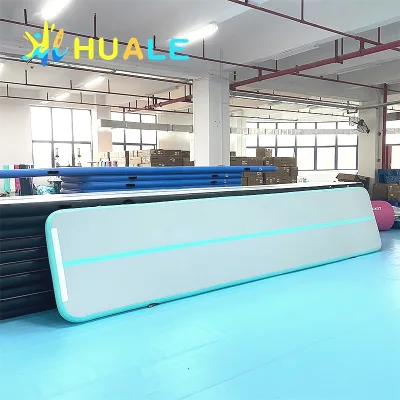
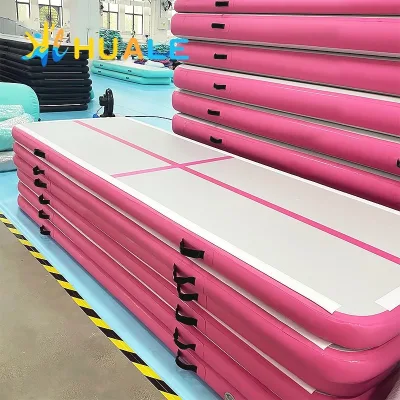
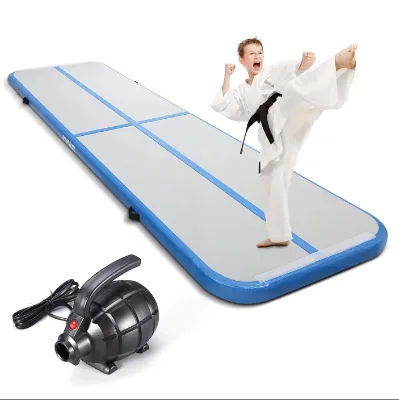
Wholesale Air Track, Inflatable Air Track and Inflatable Airmat for Sale
$200.00 - $800.00
MOQ: 1 Pieces
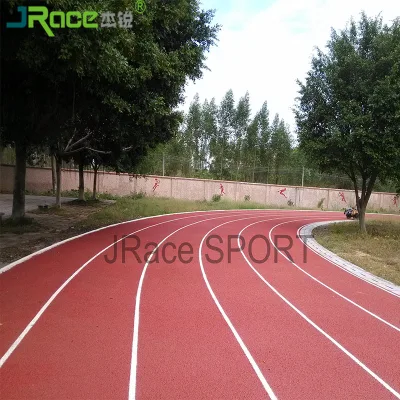



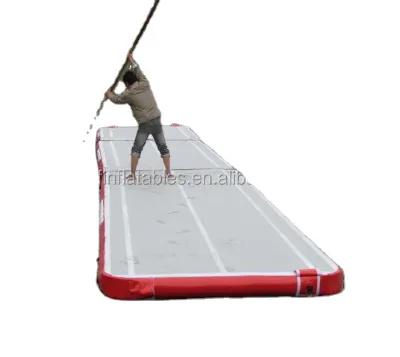
Hot Sale Eco-Friendly Permeable Running Track for Sustainable and Green Exercise Areas
$10.00 - $28.00
MOQ: 200 Square Meters


Porous Permeable Running Track, Quick-Drain and All-Weather Surface with Elasticity & Durability
$40.00 - $50.00
MOQ: 600 Square Meters



Comprehensive Sourcing Guide
Eco-Friendly White Air Track Sourcing Guide
Procuring eco-friendly white air tracks requires distinguishing between inflatable gymnastics mats and specialized running systems, as the market often conflates these distinct product categories. Buyers must verify that the "white" aesthetic aligns with the specific material composition intended for environmental safety, ensuring the PVC or TPU used meets low-VOC standards rather than relying on generic color descriptions. The observed listings indicate a wide variance in product models, from specific inflatable tracks to sandwich system running tracks, necessitating a clear definition of the intended application before engaging suppliers.
The core keyword suggests a focus on sustainability, yet the available data highlights products with varying certifications and origins, primarily from China. Sourcing teams should prioritize suppliers who explicitly document their material sourcing and manufacturing processes to validate the "eco-friendly" claim, as this attribute is not universally present across all listed inventory. Understanding the distinction between a standard inflatable air track and a fixed running system is critical, as the latter involves different structural requirements and environmental considerations that impact the final procurement decision.
Product Scope and Observed Listing Signals
The observed product landscape reveals a significant divergence between inflatable air tracks designed for racing and entertainment and fixed sandwich system running tracks. Inflation-based models typically feature accessories like pumps and repair kits, with customizable logos and colors, while fixed systems often specify hydraulic transmission or internal combustion drive types, indicating a completely different operational scope. Buyers must carefully parse listing details to ensure the product matches their specific usage needs, whether for temporary indoor events or permanent outdoor installations.
Listing signals also show a broad range of minimum order quantities, from single-piece orders for inflatable units to bulk requirements of 1000 square meters for running track systems. This disparity directly influences the commercial strategy, as small buyers may find single-unit suppliers suitable for testing, whereas large-scale projects require suppliers capable of handling substantial volume orders with specific packaging like wooden boxes or drums. The presence of customization options for logos and colors is common, but the extent of these customizations varies significantly between the inflatable and fixed product categories.
Technical Specifications to Verify
Technical verification must begin with the physical dimensions and structural integrity of the product, as specifications like thickness ranging from 10cm to 30cm are critical for shock absorption and safety. For inflatable tracks, the thickness directly correlates with the cushioning performance, while fixed running systems require precise verification of their installation methods, such as fixed mounting, to ensure stability during high-intensity use. Buyers should request detailed dimension sheets to confirm that the width and length options, such as 1m to 2m widths, align with the intended facility layout.
Material composition and durability are equally vital, particularly regarding the shock absorption rate, which some listings indicate exceeds 53%. This metric is essential for preventing athlete injuries and ensuring the product meets professional standards for racing or entertainment venues. Additionally, the environmental protection level, including waterproof functions, must be confirmed to guarantee longevity in various weather conditions. Buyers should insist on test reports that validate these performance claims rather than relying solely on marketing descriptions.
Compliance and Safety Documentation
Safety compliance is non-negotiable, with certifications like CE and ISO9001 serving as baseline indicators of quality management and product safety. While some listings explicitly mention these certifications, others may only imply compliance through general standards like EN71 or REACH, which are often associated with children's products but may not fully cover industrial-grade running tracks. Procurement teams must request valid, up-to-date certification documents for every batch to ensure the materials and manufacturing processes adhere to international safety regulations.
The warranty terms provide another layer of assurance, with observed warranties ranging from two to three years depending on the product type. A robust warranty indicates the supplier's confidence in their product's durability and their commitment to after-sales support. Buyers should scrutinize the specific terms of these warranties, including coverage for defects in materials and workmanship, to ensure they are protected against premature failure. Verifying that the warranty is backed by a reputable manufacturer is essential for mitigating long-term operational risks.
Cost Drivers and Commercial Terms
Cost structures are heavily influenced by the product type, with inflatable tracks generally offering lower entry costs and flexible MOQs compared to the high-volume requirements of sandwich system running tracks. The price range observed spans from less than one dollar to over eight hundred dollars, reflecting the vast difference in material costs, manufacturing complexity, and scale between these categories. Buyers must align their budget with the specific product requirements, understanding that higher costs often correlate with enhanced durability, better shock absorption, and more comprehensive customization options.
Commercial terms such as FOB and CIF are standard, but the lead time of 7 to 15 working days can vary based on customization levels and order volume. For customized orders involving specific logos, colors, or dimensions, the lead time may extend, requiring careful planning to avoid project delays. Buyers should negotiate clear payment terms and delivery schedules, ensuring that the supplier can meet the required timeline without compromising on quality or safety standards.
Supplier Qualification and Quality Control
Supplier qualification should focus on their manufacturing capabilities and their ability to deliver consistent quality across large orders. The presence of OEM and ODM acceptance indicates a supplier's flexibility, but buyers must verify their production capacity to handle the specific volume and customization demands of their project. Quality control processes, including in-line inspections and final product testing, are essential to ensure that every unit meets the specified technical and safety requirements before shipment.
Packaging standards also play a crucial role in protecting the product during transit, with options ranging from PVC bags for inflatables to wooden boxes for more robust equipment. Proper packaging ensures that the product arrives in pristine condition, minimizing the risk of damage and reducing the need for costly repairs or replacements. Buyers should request detailed packaging specifications and, if possible, conduct pre-shipment inspections to verify that the packaging meets the necessary protective standards for the specific product type.
Long-Term Procurement Checks
Establishing a long-term relationship with a supplier requires ongoing monitoring of product performance and supplier reliability. Regular audits of the manufacturing process and periodic quality checks on delivered goods help maintain high standards and identify any potential issues early. Buyers should maintain open communication channels with suppliers to address any concerns promptly and ensure that the product continues to meet evolving safety and performance expectations.
Sustainability practices should also be reviewed periodically to ensure that the supplier remains committed to eco-friendly initiatives. As environmental regulations tighten, suppliers may need to adapt their materials and processes to remain compliant. Buyers should encourage suppliers to provide updates on their sustainability efforts and verify that these efforts align with the buyer's own corporate social responsibility goals, fostering a partnership that prioritizes both quality and environmental stewardship.
FAQs
How long is the production lead time for an Eco-Friendly White Air Track?
Lead time is typically 7 to 15 working days after order confirmation. This may vary with order volume, customization requirements, and current production schedules. Buyers needing logos, custom colors, or non-standard sizes should allow additional time for design approval. Confirm the exact schedule with the supplier before placing your order, especially for urgent training or event dates.
What customization options are available for an Eco-Friendly White Air Track?
Customization is available for logo printing, color, and sizing. Listings show widths of 1m, 1.5m, and 2m, thickness options of 10cm, 20cm, and 30cm, and lengths in any size. Customized orders are accepted, and OEM or ODM requests are also supported. Share your artwork and dimensions early so the factory can confirm feasibility and adjust the production timeline accordingly.
What is the minimum order quantity for an Eco-Friendly White Air Track?
The minimum order quantity is 1 piece for many air track products, so single-unit trial orders are possible. Some related items, such as running track materials, have a minimum of 1000 square meters. Because requirements differ by product model, confirm the MOQ for the specific model you want before ordering. Small trial quantities let you test quality before committing to larger volumes.
What accessories and packaging come with an Eco-Friendly White Air Track?
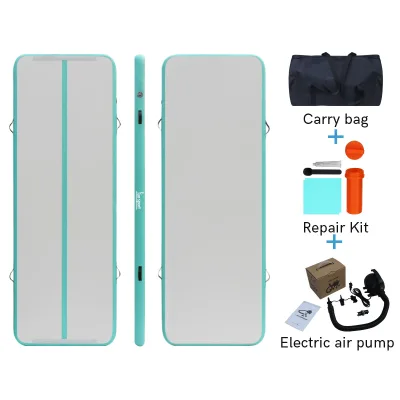
Air track products typically ship with a pump and repair kits included. Packaging consists of PVC bags for the inflatables and cartons for the blower or pump. This protects the mat during transit and keeps accessories organized. Check whether electric or manual pumps are supplied, and mention any special packaging needs when requesting a quotation so the supplier can prepare accordingly.
Which certifications should I look for when buying an air track?
Listed products carry CE certification, and some related items show ISO9001 and SGS certification. When sourcing an Eco-Friendly White Air Track, ask suppliers for valid, dated certificates covering the exact model you plan to order. Verify that material safety documentation matches the eco friendly positioning, and request test reports if you plan to use the track in schools, gyms, or public training facilities.
Can I order an Eco-Friendly White Air Track for both home and professional use?
Yes, the products are suitable for both uses, with applications covering racing, training, and entertainment. Choose thickness based on user weight and skill level, with 10cm, 20cm, and 30cm options available. Beginners and home users often prefer thinner mats, while gymnastics and professional training typically need thicker ones. Confirm your intended usage scenario with the supplier so they can recommend the right specification.
How should I evaluate air track quality before placing a bulk order?
Start with a one-piece sample order, since MOQ is 1 piece. Inspect seam welding, valve sealing, surface material, and air retention over several days of use. Ask for material specifications, warranty terms, and repair kit contents in writing. Warranties of 2 to 3 years are offered on listed products, so compare coverage carefully. Testing sample durability under your actual training conditions reduces the risk of bulk order problems.
What warranty terms apply to an Eco-Friendly White Air Track?
Warranty periods of 2 to 3 years are offered across listed products, so coverage varies by model. Confirm in writing which defects are covered, such as seam separation, valve failure, or material delamination, and whether shipping costs for warranty claims are included. Keep the supplied repair kits for minor punctures. Requesting the warranty policy before payment helps avoid disputes and clarifies your after-sales support.