Source eco-friendly white acrylic fish tank for homes, offices, and schools
Compare 30 listings for the eco-friendly white acrylic fish tank, featuring clear and transparent options with thickness ranging from 1.8mm to 500mm. Buyers can evaluate flexural strength, light transmission, and customization services from verified suppliers in China.
Key considerations
Products List

$9.00 - $15.00
MOQ: 100 KGS







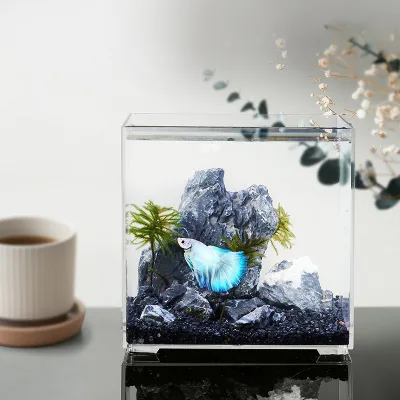
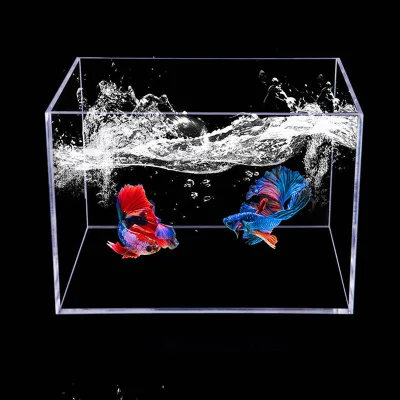
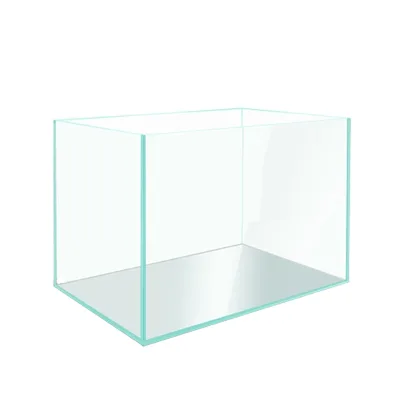
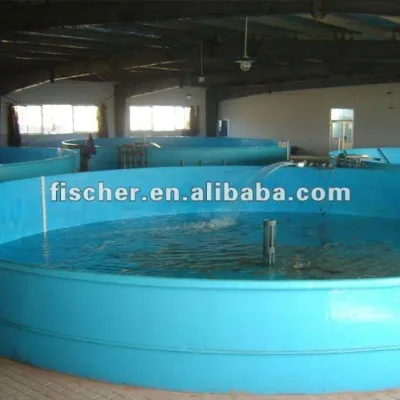
Fibregalss Fish Tank, Big FRP Fish tank for Fish Farm,Manufactural,Hot Selling
$609.85 - $965.59
MOQ: 10 Minimum
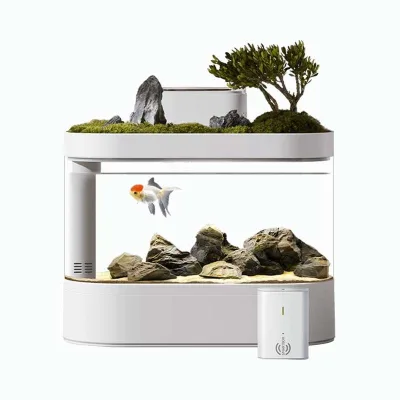
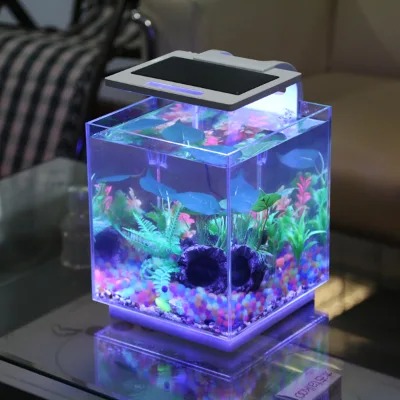
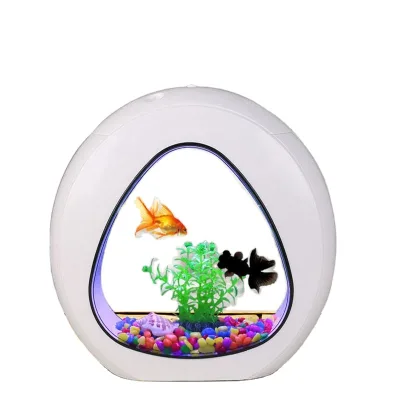
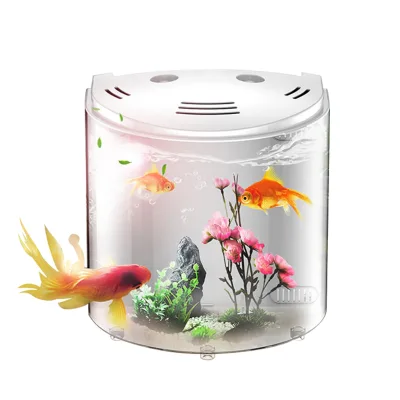
Comprehensive Sourcing Guide
Strategic Sourcing Guide for Eco-Friendly White Acrylic Fish Tanks
Understanding Material Composition and Physical Properties
When sourcing an eco-friendly white acrylic fish tank, the primary focus must be on the fundamental material properties that ensure structural integrity and optical clarity. The core material for these units is identified as 100% virgin acrylic, a specification that distinguishes high-quality tanks from those utilizing recycled or blended polymers. This virgin material is critical for maintaining the "Eco-Friendly" attribute often associated with the product, as it implies a manufacturing process that avoids the degradation of material quality found in secondary processing. The physical form of the material is described as a transparent plastic sheet, which, when processed into a fish tank, offers a diaphaneity of more than 93% and a light transmission rate of 93%. These optical metrics are essential for aquariums, as they ensure that the water and inhabitants are viewed with minimal distortion and maximum brightness.
The mechanical strength of the acrylic sheet is another vital consideration for large-scale aquariums. The material exhibits a flexural strength of 88.6MPa and a tensile strength ranging between 81 and 130MPa. These figures indicate a high resistance to bending and pulling forces, which is necessary to withstand the hydrostatic pressure exerted by large volumes of water. The thickness of the acrylic sheets available for these tanks varies significantly, with observed ranges spanning from 1.8mm up to 500mm. For large aquariums, the thickness typically falls within the 20mm to 500mm range, ensuring that the tank walls can support the weight of the water without bowing or failing. Additionally, the material demonstrates excellent resistance to weather, making it suitable for both indoor and outdoor installations where exposure to environmental elements might occur. The density of the material is recorded at 1.2kg/Cm3, and the water absorption rate is low, ranging between 0.1% and 0.3%, which prevents the material from degrading or becoming brittle over time due to moisture ingress.
Technical Specifications and Customization Capabilities
The customization capabilities of acrylic fish tanks are a defining feature for buyers seeking specific dimensions or functional requirements. The product attributes indicate that customization is available, allowing for tailored solutions that fit unique spatial constraints or aesthetic preferences. The standard model numbers associated with these tanks include "YQ01-1350," "fish tank," "acrylic aquairum," and "large acrylic fish tank," suggesting a range of configurations from standard sizes to bespoke large-scale units. The size classification is often denoted as S, M, and L, but the actual physical dimensions are driven by the thickness and the specific design of the tank. For large aquariums, the thickness specification is explicitly noted as 20mm-500mm, providing the necessary structural depth for heavy-duty applications.
The surface finish of the acrylic sheets is characterized by high surface hardness and a glossy appearance. This finish not only enhances the aesthetic appeal of the white or transparent tank but also contributes to ease of cleaning and maintenance. The packaging details for these units are rigorous, often involving a PE film masking on both sides to protect the glossy surface during transit, along with Kt Board and Angle protection to prevent impact damage. The packing standard is described as "Export Standard," with items typically shipped as one set per carton. This level of packaging detail is crucial for maintaining the pristine condition of the acrylic, which can be susceptible to scratching if not handled with care. The color options observed include clear, transparent, white, and yellow, allowing buyers to select a finish that matches their specific design requirements. The "white" variant of the acrylic fish tank is particularly noted for its ability to provide a clean, modern aesthetic while maintaining the high light transmission properties inherent to the material.
Compliance, Certification, and Environmental Standards
In the realm of B2B procurement, verifying compliance and certification is non-negotiable, especially when the product is marketed as "eco-friendly." The supply chain for these acrylic tanks includes certifications such as SGS, RoHS, and CE. These certifications serve as third-party validations that the product meets specific safety, environmental, and quality standards. SGS certification typically indicates that the material has been tested for various physical and chemical properties, ensuring it meets international quality benchmarks. RoHS (Restriction of Hazardous Substances) compliance is particularly relevant for the "eco-friendly" claim, as it confirms that the acrylic does not contain restricted hazardous materials that could leach into the water or harm the environment during disposal. CE marking indicates conformity with health, safety, and environmental protection standards for products sold within the European Economic Area, suggesting a high level of regulatory adherence.
Buyers must verify that the specific batch of tanks they order carries these certifications, as they are not automatically guaranteed for every unit in a general catalog. The "eco-friendly" attribute is further supported by the material's resistance to weather and its low water absorption, which contributes to the longevity of the product and reduces the frequency of replacement. The production origin is listed as Zhejiang, China, a region known for its manufacturing capabilities in plastic and acrylic products. However, the location of origin does not dictate the quality; rather, the quality is determined by the adherence to the "Top level" standard mentioned in the product attributes. Buyers should request current certification documents from the supplier to ensure that the specific models being ordered, such as the "Acrylic Aquarium" or "large acrylic fish tank," are covered under these valid certifications. This verification process is essential for maintaining the integrity of the "eco-friendly" label and ensuring the safety of the aquatic life housed within the tanks.
Cost Drivers and Pricing Dynamics
The pricing of eco-friendly white acrylic fish tanks is influenced by several dynamic factors, primarily driven by the material thickness, customization level, and order volume. The observed price range for these products spans from 1.83 to 965.59 USD, reflecting the vast difference between small, standard-sized units and large, custom-engineered aquariums. The thickness of the acrylic sheet is a significant cost driver; thicker sheets, such as those in the 20mm to 500mm range, require more raw material and more complex manufacturing processes, thereby increasing the unit cost. Additionally, the customization of the tank, including specific dimensions, shapes, and the inclusion of features like animal decorations or ornaments, adds to the production complexity and cost.
The Minimum Order Quantity (MOQ) also plays a crucial role in pricing. While some listings indicate an MOQ of 1, others specify an MOQ of 100 pieces. Buyers purchasing in bulk can often negotiate better pricing, as the supplier's supply ability is listed at 100,000 pieces per month, indicating a high-volume production capacity. The payment terms, which include L/C, T/T, and Western Union, also affect the financial logistics of the transaction. For large orders, the use of L/C (Letter of Credit) may be preferred to mitigate risk, while smaller orders might utilize T/T (Telegraphic Transfer) for speed. The port of dispatch, typically Ningbo or Shanghai, influences the shipping costs, which are a significant component of the total landed cost for international buyers. Understanding these cost drivers allows buyers to make informed decisions based on their budget and volume requirements, balancing the trade-off between customization and cost efficiency.
Supplier Evaluation and Quality Assurance Protocols
Evaluating a supplier for acrylic fish tanks requires a rigorous assessment of their production capabilities, quality control measures, and logistical reliability. The supplier's place of origin is Zhejiang, China, and their supply ability is substantial, capable of producing 100,000 pieces per month. This high capacity suggests that the supplier can handle large orders and meet tight deadlines, provided that the production schedule is planned well in advance. The "Top level" quality attribute implies a commitment to excellence, but buyers should verify this through site audits or third-party inspections. The production process involves the use of 100% virgin acrylic, and the surface finish is maintained with high hardness and gloss, which are critical for the final product's appearance and durability.
Quality control should be a continuous process, starting from the raw material inspection to the final packaging. The use of PE film masking and Kt Board protection during packaging is a standard practice to prevent surface damage, but buyers should ensure that these measures are consistently applied. The product standard is listed as "customized," which means that quality control protocols must be tailored to the specific requirements of each order. Buyers should request sample units to verify the flexural strength, tensile strength, and light transmission rates before committing to a large order. Additionally, the supplier's ability to provide certifications like SGS, RoHS, and CE should be confirmed, as these are essential for compliance and market acceptance. The payment terms and port of dispatch should also be clearly defined in the contract to avoid any logistical disputes.
Long-Term Procurement and Maintenance Considerations
Long-term procurement of acrylic fish tanks involves considerations beyond the initial purchase, including maintenance, durability, and environmental impact. The low water absorption rate of 0.1% to 0.3% ensures that the tanks remain stable and do not degrade over time, even in constant contact with water. The excellent resistance to weather makes these tanks suitable for long-term outdoor use, reducing the need for frequent replacements. The "Eco-Friendly" attribute is further reinforced by the material's durability, which minimizes waste and the need for raw material extraction. However, buyers should be aware that the high surface hardness and glossy finish, while aesthetically pleasing, require careful handling to prevent scratches that could compromise the optical clarity.
For buyers planning to install these tanks in commercial or public settings, the ease of cleaning and maintenance is a key factor. The smooth surface of the acrylic allows for easy removal of algae and debris, reducing the labor required for upkeep. The customization options, such as the inclusion of animal decorations or specific color finishes, should be selected with long-term maintenance in mind. For instance, white acrylic tanks may show discoloration or staining more readily than clear or transparent variants, requiring more frequent cleaning. The packaging and shipping logistics, including the use of export-standard packing and dispatch from Ningbo or Shanghai, should be planned to ensure that the tanks arrive in perfect condition. By considering these long-term factors, buyers can ensure that their investment in eco-friendly white acrylic fish tanks provides lasting value and performance.
FAQs
What certifications do eco-friendly white acrylic fish tanks hold?
These tanks hold SGS, RoHS, and CE certifications to verify safety and environmental compliance. Buyers must request current documents for specific batches as certifications apply to validated production runs rather than every unit automatically.
How thick are the acrylic sheets used for large aquariums?
Large aquariums typically use acrylic sheets ranging from 20mm to 500mm in thickness. This substantial depth ensures structural integrity to withstand hydrostatic pressure while maintaining the high light transmission required for clear viewing.
Can buyers customize the dimensions of these acrylic fish tanks?
Yes, customization is available to tailor dimensions and shapes to specific spatial constraints. Buyers can request unique configurations beyond standard S, M, and L sizes to fit their specific design requirements.
What is the minimum order quantity for these fish tanks?
The minimum order quantity varies between 1 piece and 100 pieces depending on the specific listing. Bulk purchases often allow for better pricing due to the supplier's high monthly production capacity of 100,000 pieces.
Which colors are available for these acrylic aquariums?
Available colors include clear, transparent, white, and yellow options. The white variant provides a modern aesthetic while maintaining the high diaphaneity and light transmission rates inherent to the virgin acrylic material.
How are these tanks packaged to prevent damage during shipping?
Tanks are packed with PE film masking on both sides and protected by Kt Board and Angle guards. This export standard packaging ensures the glossy surface remains scratch-free during transit in single sets per carton.
Where are these acrylic fish tanks manufactured and shipped from?
Products originate from Zhejiang, China, and are dispatched from Ningbo or Shanghai ports. Buyers should verify the specific production batch details as the origin region is known for high-volume plastic manufacturing capabilities.