Source Educational Dog Harmonica for Kids for Play, Learning, and Gifting
Explore 30 listings for the Educational Dog Harmonica for Kids, featuring plastic and silicone options with varying scale counts and age ranges. Buyers can compare specifications, packaging details, and MOQs from suppliers in Guangdong, China to find suitable musical toys for early education.
Key considerations
Products List
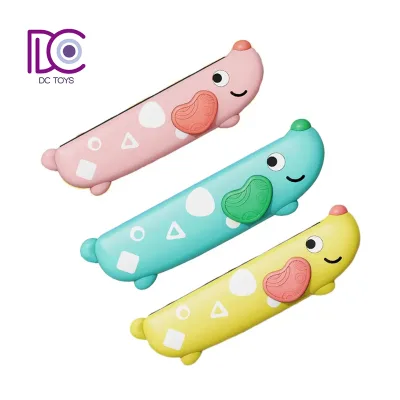
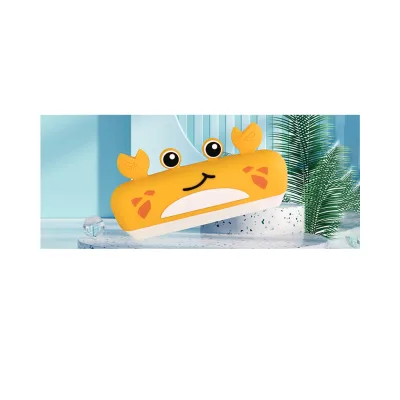


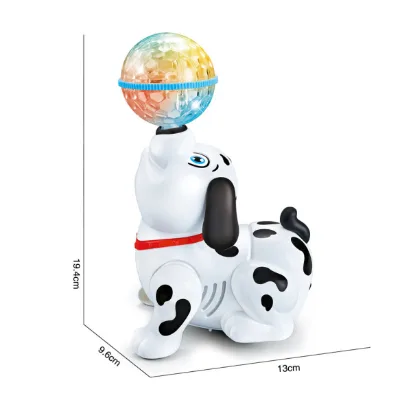
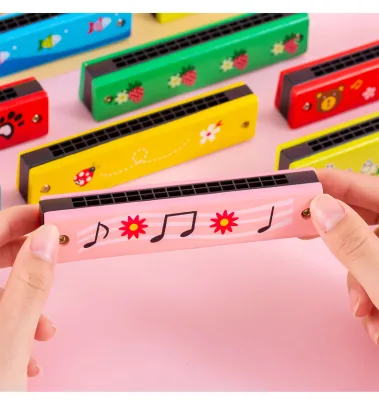
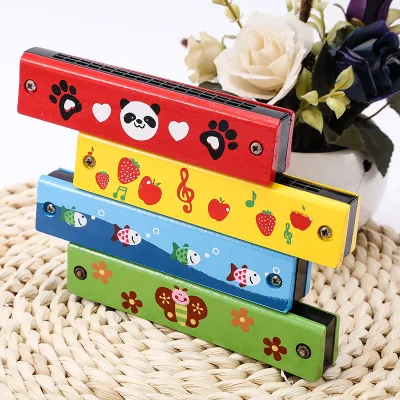
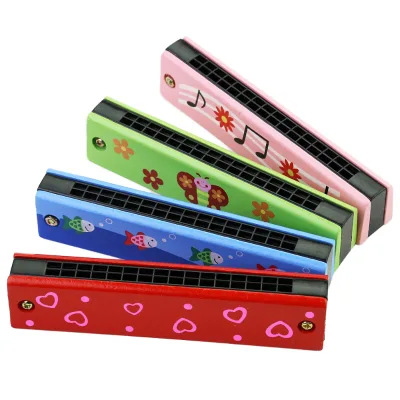
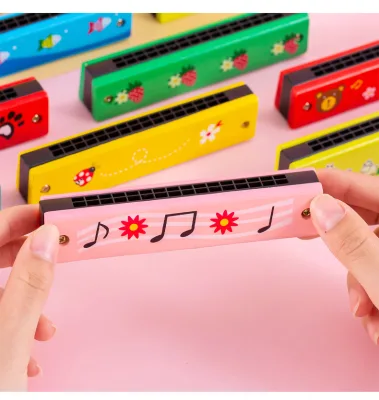
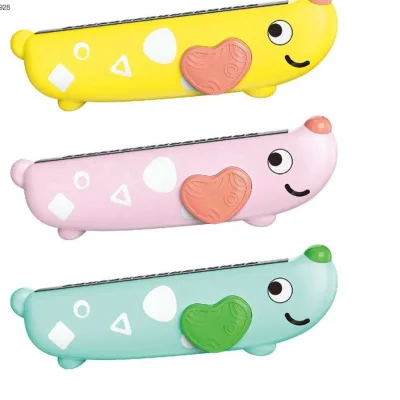
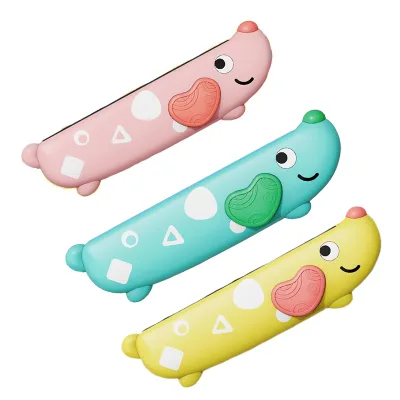


Children's Toys Electric Pet Dog Music Light Dog Electric Educational Toys
$2.71 - $2.93
MOQ: 480 Pieces

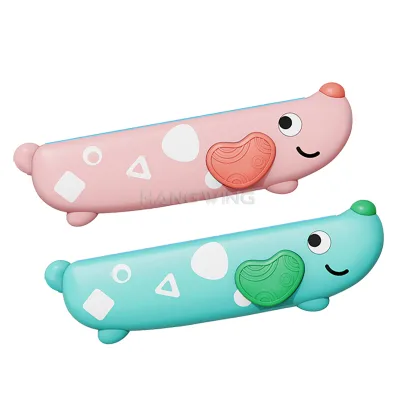
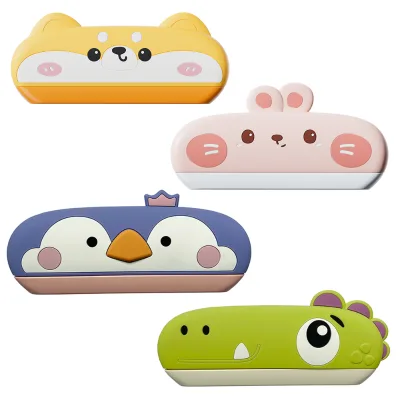


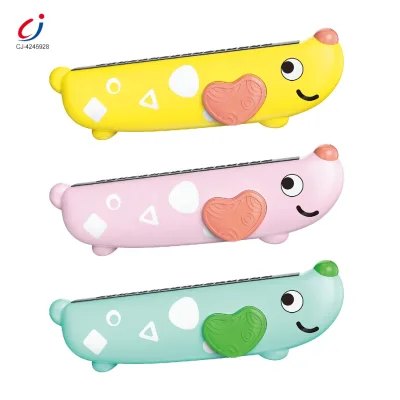

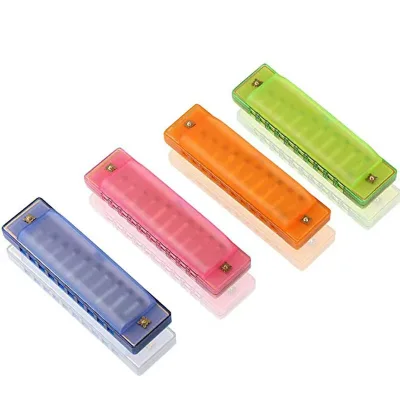
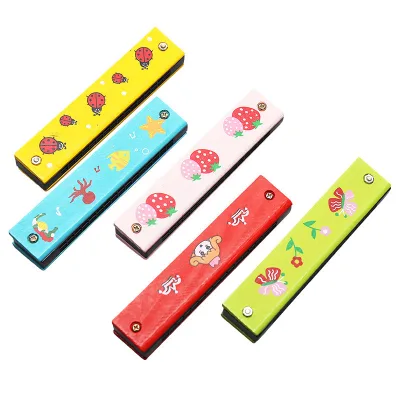
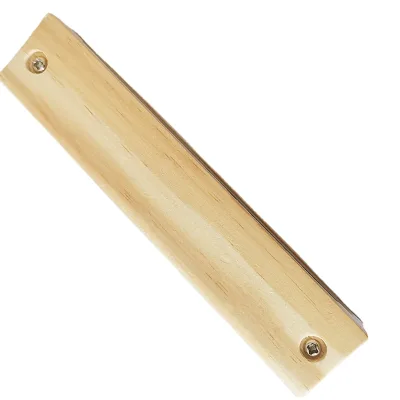
Comprehensive Sourcing Guide
Educational Dog Harmonica for Kids Sourcing Guide
Sourcing educational musical instruments requires balancing playful engagement with developmental appropriateness. Buyers must evaluate how well the product supports early music education while maintaining safety standards for young children. The market offers various designs, from simple plastic keys to silicone-based instruments, each targeting different age groups and learning styles. Understanding these distinctions is crucial for selecting the right inventory for specific retail segments or educational institutions.
Procurement decisions should also consider the broader commercial ecosystem, including packaging efficiency and supplier flexibility. Factors such as carton quantities, single unit weights, and available customization options significantly impact logistics costs and market adaptability. By focusing on verified attributes like material composition and target age ranges, buyers can mitigate risks associated with product liability and ensure that the final goods meet both regulatory requirements and consumer expectations for quality and durability.
Product Scope and Observed Listing Signals
The current market landscape for educational dog harmonicas reveals a diverse range of product configurations tailored to different developmental stages. Listings indicate a wide age range coverage, spanning from infants under two years old to teenagers and adults, suggesting versatile marketing strategies. Products are frequently categorized under multiple styles, including cartoon toys, educational tools, and musical instruments, which helps in targeting various buyer personas. The presence of specific model numbers, such as DK264487 and DK262801 series, highlights the importance of precise SKU management in inventory planning.
Material composition varies significantly across listings, with plastic and silicone being the primary options observed. Plastic versions often feature key-type playing methods and blister card packaging, while silicone alternatives may utilize string-type mechanisms and window box packaging. These material differences influence not only the tactile experience for the child but also the manufacturing complexity and cost structure. Buyers should carefully review the specific product attributes to ensure alignment with their brand’s safety standards and aesthetic preferences, noting that color options are typically as pictured rather than standardized.
Technical Specifications to Verify
Technical verification begins with understanding the physical dimensions and packaging efficiency of the products. For instance, one observed model has a single package size of 14x25x6 cm and a carton size of 67x47.5x71 cm, with a quantity of 324 pieces per carton. Another variant measures 32x14x21 cm per unit, packed at 432 pieces per carton with a cubic meter volume of 0.168. These specifications directly affect shipping costs and warehouse storage requirements. Buyers must calculate the landed cost per unit by factoring in these volumetric weights and carton contents to ensure competitive pricing in their target markets.
Key functional attributes also require close scrutiny, particularly the number of scales and the playing method. Some products offer eight scales with a key-type interface, while others provide fifteen scales with a string-type mechanism. The age range specifications vary, with some products suitable for ages three and up, while others cater to broader demographics including toddlers and older children. Verifying these details ensures that the product matches the intended educational goals and safety guidelines for the specific age group. Additionally, checking the gross and net weights, such as 0.100 kg for a single unit, helps in accurate freight calculation and handling logistics.
Compliance and Safety Documentation
Safety compliance is paramount when sourcing toys for children, especially those involving musical elements that may be mouthed or handled extensively. Buyers must verify that suppliers provide valid certification documents, such as ASTM standards, which are critical for market access in regions like the United States. The presence of such certifications indicates that the product has undergone rigorous testing for mechanical, physical, and chemical safety. It is essential to request current test reports from accredited laboratories to confirm that materials like plastic and silicone are free from harmful substances like phthalates or lead.
Beyond certifications, buyers should assess the supplier’s commitment to quality control processes. Reliable manufacturers often welcome OEM and ODM requests, indicating a flexible and professional approach to production. This flexibility can be leveraged to customize products for specific market needs while maintaining strict adherence to safety protocols. Buyers should also inquire about the sample availability, as obtaining physical samples allows for hands-on inspection of build quality, material durability, and overall safety features before committing to large orders.
Cost Drivers and Commercial Terms
Cost structures in the toy industry are influenced by multiple factors, including material costs, manufacturing complexity, and packaging requirements. The observed price range of 0.25 to 18.99 USD reflects significant variation based on product features, such as the number of scales or the type of material used. Silicone products may command higher prices due to their perceived safety and durability compared to standard plastic alternatives. Buyers should analyze the cost breakdown to understand how much of the price is attributed to materials versus labor and packaging, ensuring they are not overpaying for unnecessary features.
Commercial terms, including minimum order quantities (MOQ) and payment conditions, also play a crucial role in procurement strategy. MOQs can range from as low as one piece for samples to 2160 pieces for bulk orders, with some suppliers requiring a minimum of five cartons. Understanding these thresholds helps buyers optimize their order sizes to balance inventory holding costs with supplier discounts. Additionally, buyers should negotiate clear terms regarding lead times and shipping methods to avoid delays that could impact seasonal sales peaks, ensuring a smooth supply chain operation.
Supplier Qualification and Quality Control
Supplier qualification involves a thorough assessment of the manufacturer’s capabilities and reputation. Buyers should prioritize suppliers located in established manufacturing hubs, such as Guangdong, China, which are known for their expertise in toy production. These regions often have mature supply chains and skilled labor forces, contributing to consistent product quality. However, buyers must conduct due diligence to verify the supplier’s financial stability and production capacity, ensuring they can meet large order volumes without compromising on quality or delivery schedules.
Quality control measures should be integrated into the procurement process from the outset. Buyers should implement pre-shipment inspections to verify that the products match the approved samples in terms of color, size, and functionality. It is also advisable to establish clear quality acceptance criteria, including checks for packaging integrity and labeling accuracy. By maintaining open communication with suppliers and addressing any discrepancies promptly, buyers can minimize the risk of receiving defective goods and ensure customer satisfaction in the end market.
Long-Term Procurement Checks
Long-term procurement success depends on continuous monitoring of market trends and product performance. Buyers should regularly review customer feedback and sales data to identify which product features are most popular and which may need improvement. This data-driven approach allows for informed decisions on future product development and inventory management. Additionally, staying updated on regulatory changes and safety standards ensures that the product line remains compliant and competitive in the global market.
Building strong relationships with suppliers is also essential for long-term success. Buyers should engage in regular communication to discuss potential improvements, new product ideas, and operational challenges. This collaborative approach can lead to better pricing, improved quality, and faster response times. By fostering a partnership rather than a transactional relationship, buyers can secure a reliable supply chain that supports their business growth and adapts to changing market demands effectively.
FAQs
What is the minimum order quantity for this toy?
The minimum order quantity is five cartons for this educational dog harmonica. Each carton contains 324 pieces, ensuring bulk efficiency for buyers. This requirement applies to the standard plastic model DK264487 originating from Guangdong, China.
Which certifications does the product hold for safety?
The product holds ASTM certification to ensure safety for children. This standard is verified for the silicone and plastic variants listed. Buyers should confirm specific batch compliance when ordering samples or bulk quantities for early music education purposes.
Can I request custom packaging for this musical toy?
Yes, OEM and ODM services are highly welcomed for this item. Buyers can customize packaging options like blister cards or color boxes. The single package size varies by model, allowing flexibility for different retail requirements and branding strategies.
What age range is suitable for this harmonica?
This toy is suitable for ages ranging from 0 to 24 months up to 14 years and older. It serves as an educational tool for early music learning across multiple developmental stages. The design supports both infant playing and children exercising their musical skills.
How many scales does the knock piano feature?
The knock piano feature offers either 8 or 15 scales depending on the specific model selected. These scales support early music education and learning exercises. The instrument type is classified as a harmonica with key or string playing methods available.
What is the material composition of the toy?
The toy is primarily made of plastic or silicone materials. These durable materials ensure safety and longevity for children. The specific material depends on the model number, such as DK264487 or the DK262801 series, which are designed for various age groups.
Is a sample available for quality inspection?
Samples are available for buyers to inspect quality before placing bulk orders. This allows verification of the educational features and material safety. The sample process supports the high welcome for OEM and ODM customization requests from international vendors.