Source Electric Water Well Drilling Rig for Water, Mining, and Geothermal
Compare 30 electric water well drilling rigs from verified suppliers. Explore models with rotary and impactor drilling ways, varying depths up to 150 meters, and portable designs suitable for water wells, mining, and geothermal applications; compare the available evidence and request quotations based on your requirements.
Updated
Key considerations
Products List


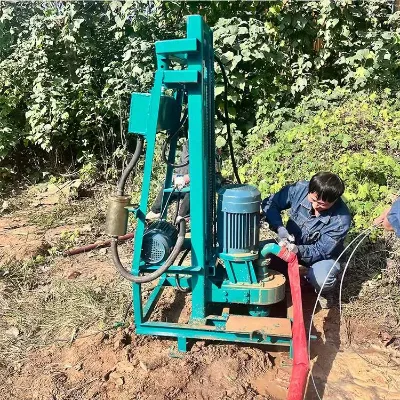

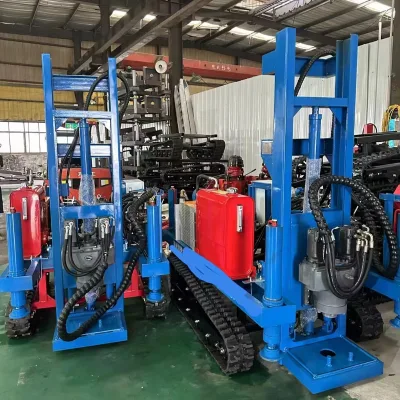
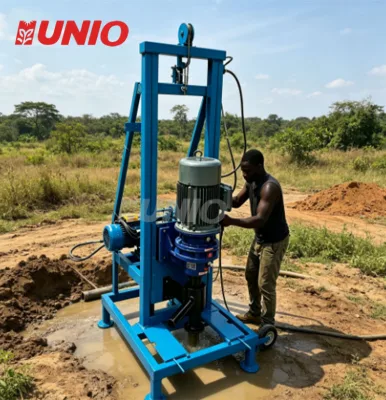

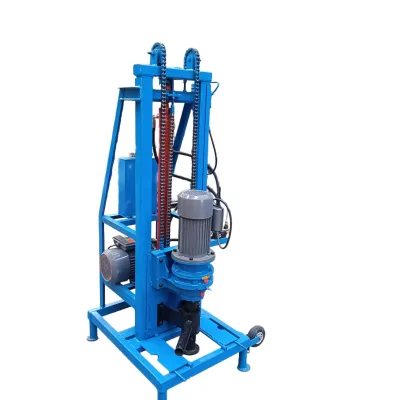
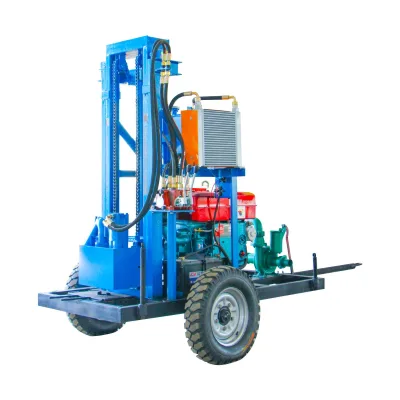
Electric Water Well Drilling Rig/60m Portable Water Well Drilling Machines
$1700.00 - $3500.00
MOQ: 1 Pieces


Folded Electric Water Well Drilling Rig/Diesel Small Well Drilling Machine
$1850.00 - $4600.00
MOQ: 1 Pieces


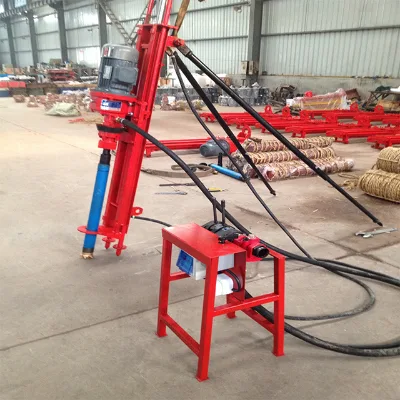
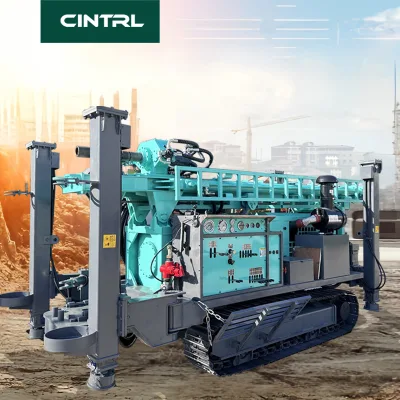
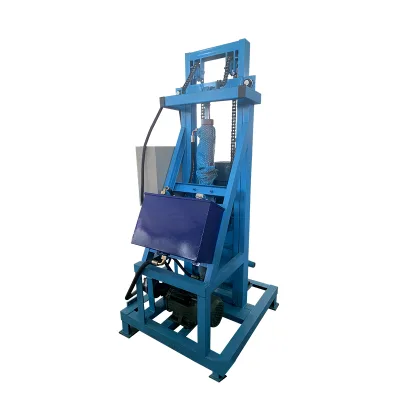
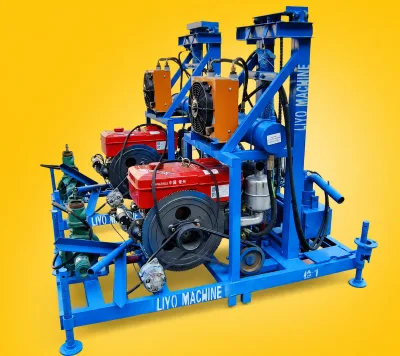
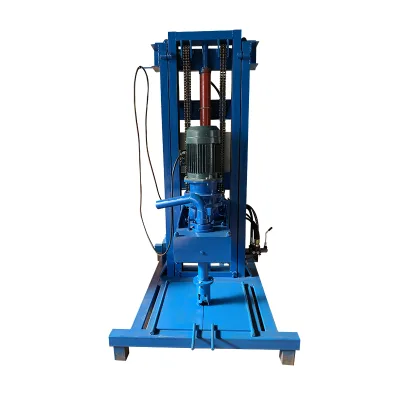
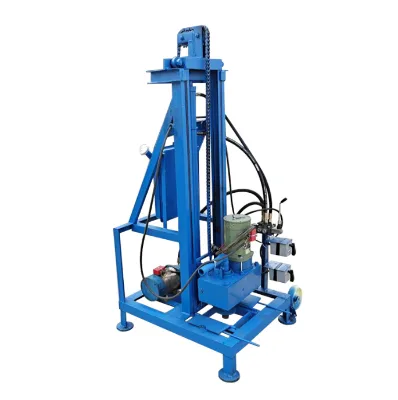
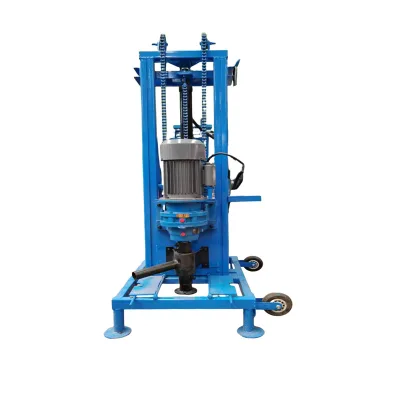
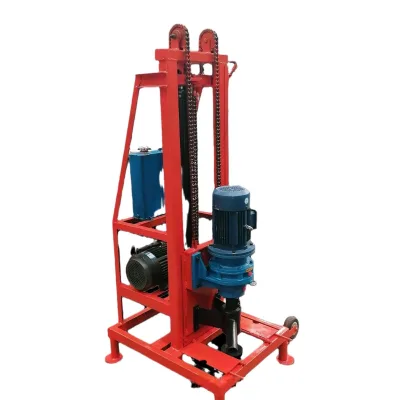
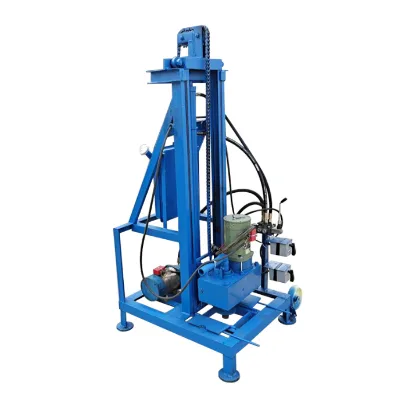
Portable 100M Borehole Drilling Rig 4kw Electric Power Farm Water Drilling Machine
$950.00 - $1200.00
MOQ: 1 Minimum
Comprehensive Sourcing Guide
Electric Water Well Drilling Rig Sourcing Guide
Sourcing an Electric Water Well Drilling Rig requires careful evaluation of technical specifications, supplier credentials, and commercial terms to ensure operational efficiency and long-term reliability. This guide provides evidence-based procurement advice for buyers seeking to acquire drilling equipment for water well applications, focusing on key decision points that impact project success. By understanding the critical factors involved in selecting and verifying drilling rigs, buyers can make informed decisions that align with their specific project requirements and budget constraints.
The procurement process involves assessing various aspects of the drilling rig, including its power source, drilling capacity, mobility features, and compliance with international standards. Buyers must also consider the supplier's qualification, quality control measures, and after-sales support to ensure a smooth transaction and ongoing operational support. This guide aims to provide a comprehensive overview of these factors, helping buyers navigate the complexities of sourcing electric water well drilling rigs effectively.
Product Scope and Observed Listing Signals
The observed product listings indicate a diverse range of electric water well drilling rigs, with prices varying significantly from $500 to $80,000 USD. This wide price range suggests differences in specifications, features, and supplier positioning, requiring buyers to carefully evaluate the value proposition of each option. The minimum order quantity (MOQ) is consistently listed as 1 unit, indicating flexibility for buyers who may only need a single rig for their project.
Key attributes observed in the listings include drilling depths ranging from less than 30 meters to a maximum of 150 meters, with drilling diameters varying from 100mm to 300mm. The rigs are described as portable, with some models featuring crawler mobility for enhanced maneuverability on various terrains. Buyers should note that the power sources include both electric and diesel options, with specific models highlighting 22HP power ratings and AC motor configurations.
Technical Specifications to Verify
When evaluating electric water well drilling rigs, buyers must verify critical technical specifications to ensure the equipment meets their project requirements. Key parameters to confirm include drilling depth, diameter, and speed, as these directly impact the rig's suitability for specific well-drilling applications. The observed listings show drilling depths ranging from less than 30 meters to 150 meters, with drilling speeds varying from 320 to 3300 revolutions per minute.
Buyers should also verify the rig's mobility features, such as crawler or portable designs, to ensure it can be easily transported and operated on-site. The observed listings indicate dimensions ranging from 7007002500mm to 41.72.2m, with weights varying from 500kg to 5000kg. Additionally, buyers should confirm the rig's power source, with some models featuring electric motors and others using diesel engines, to ensure compatibility with available power infrastructure.
Compliance and Safety Documentation
Compliance with international standards and safety regulations is crucial when sourcing electric water well drilling rigs. Buyers should verify that the equipment meets relevant certification requirements, such as ISO 9001 and CE marking, which indicate adherence to quality management and safety standards. The observed listings show that some suppliers provide ISO 9001 certification, while others highlight CE compliance, ensuring the equipment meets European safety and environmental requirements.
Buyers should also request machinery test reports and core component documentation to verify the rig's performance and reliability. The observed listings indicate that some suppliers provide test reports for key components, such as pumps and motors, which can help buyers assess the equipment's quality and durability. Additionally, buyers should confirm that the rig's design and operation comply with local safety regulations and industry best practices to minimize risks during installation and use.
Cost Drivers and Commercial Terms
The cost of electric water well drilling rigs is influenced by various factors, including specifications, features, and supplier positioning. Buyers should consider the total cost of ownership, including initial purchase price, maintenance, and operational expenses, when evaluating different options. The observed listings show a wide price range, from $500 to $80,000 USD, reflecting differences in drilling depth, diameter, and mobility features.
Commercial terms, such as payment methods, delivery times, and warranty provisions, also impact the overall cost and risk associated with the purchase. Buyers should negotiate favorable terms, including flexible payment options and comprehensive warranty coverage, to protect their investment. Additionally, buyers should consider the supplier's reputation and after-sales support, as these factors can significantly impact the long-term value and reliability of the drilling rig.
Supplier Qualification and Quality Control
Supplier qualification is a critical factor in ensuring the quality and reliability of electric water well drilling rigs. Buyers should verify the supplier's credentials, including certifications, manufacturing capabilities, and quality control processes, to ensure they meet industry standards. The observed listings indicate that some suppliers provide ISO 9001 certification, which demonstrates their commitment to quality management and continuous improvement.
Buyers should also assess the supplier's after-sales support, including technical assistance, spare parts availability, and maintenance services, to ensure ongoing operational support. The observed listings show that some suppliers provide machinery test reports and core component documentation, which can help buyers verify the equipment's quality and performance. Additionally, buyers should consider the supplier's reputation and customer feedback, as these factors can provide valuable insights into their reliability and service quality.
Long-Term Procurement Checks
Long-term procurement checks are essential to ensure the ongoing reliability and performance of electric water well drilling rigs. Buyers should establish a maintenance schedule and monitor the equipment's performance regularly to identify and address potential issues early. The observed listings indicate that some suppliers provide machinery test reports and core component documentation, which can help buyers track the equipment's performance over time.
Buyers should also consider the availability of spare parts and technical support, as these factors can significantly impact the equipment's uptime and operational efficiency. The observed listings show that some suppliers provide comprehensive warranty coverage and after-sales support, which can help buyers minimize downtime and repair costs. Additionally, buyers should stay informed about industry trends and technological advancements, as these factors can impact the long-term value and competitiveness of their drilling operations.
FAQs
What certifications do electric water well drilling rigs typically have?
Electric water well drilling rigs commonly hold ISO 9001 and CE certifications to ensure quality and safety standards. These certifications indicate that the machinery meets international requirements for manufacturing processes and electrical safety. Buyers should verify these documents to confirm compliance with local regulations and operational safety protocols before procurement.
How deep can electric water well drilling rigs drill?
Electric water well drilling rigs can achieve drilling depths ranging from under 30 meters up to 150 meters depending on the model. Specific units like the SR-DJJ reach a maximum depth of 120 meters, while others support up to 150 meters. The actual depth capability varies by machine specification and intended usage for water wells.
What is the typical weight and mobility of these rigs?
These rigs vary significantly in weight, with some portable units weighing around 500 kg and larger crawler types reaching 5000 kg. Mobility options include portable designs and crawler configurations for easier site transport. Buyers should select a weight class that matches their site accessibility and transportation logistics for efficient deployment.
Can electric water well drilling rigs be customized?
Yes, many electric water well drilling rigs offer customization options to meet specific project requirements. Manufacturers often allow adjustments to drilling diameter, depth, and power configurations. Buyers should consult suppliers early to define custom specifications such as specific drilling diameters or power types to ensure the machine fits their operational needs.
What power types are available for water well drilling machines?
Water well drilling machines are available with various power types, including diesel and electric options. Some models utilize AC motors for electric operation, while others rely on diesel engines for higher power output. The choice depends on site power availability and operational efficiency requirements, with electric options offering quieter and cleaner performance.
What is the standard packaging for these drilling rigs?
Standard packaging for electric water well drilling rigs typically includes wooden cases, wood packages, or carton boxes. This protective packaging ensures safe transportation and prevents damage during shipping. Buyers should confirm the specific packaging type with the supplier to ensure adequate protection for the machinery during transit to the destination site.