Source Forging Ore Mining DTH Bit for Well Drilling, Coal, and Water Wells
Compare 30 forged ore mining DTH bit options from verified Chinese suppliers. These bits support well drilling, coal extraction, and water well applications with customizable sizes and materials like stainless steel and cobalt alloys; compare the available evidence and request quotations based on your requirements.
Updated
Key considerations
Products List


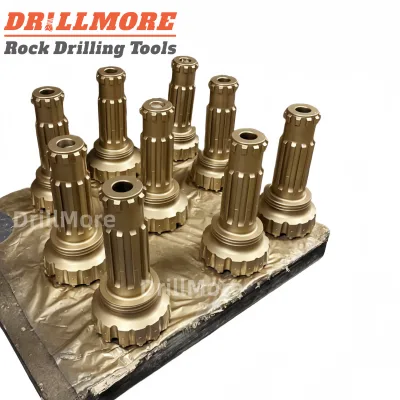
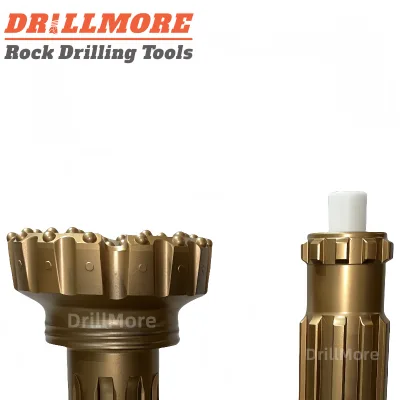
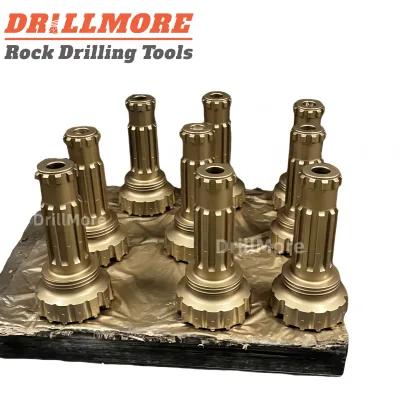

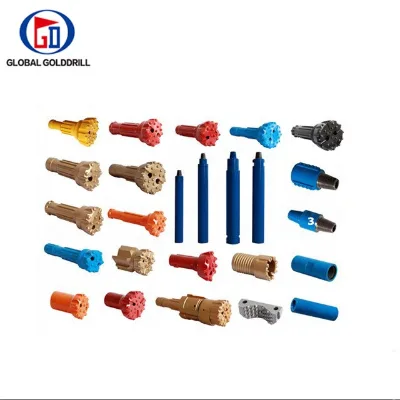
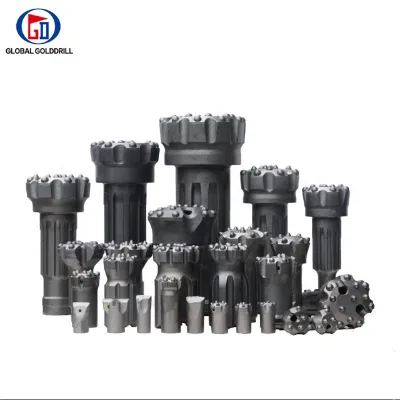
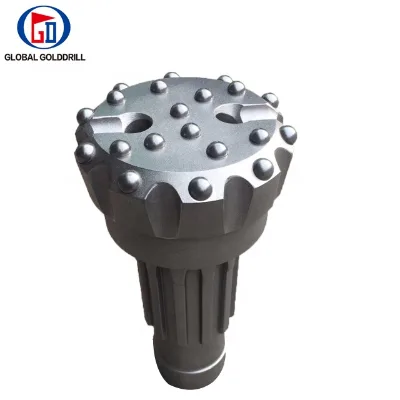
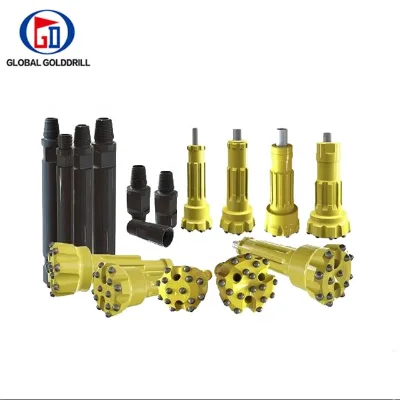


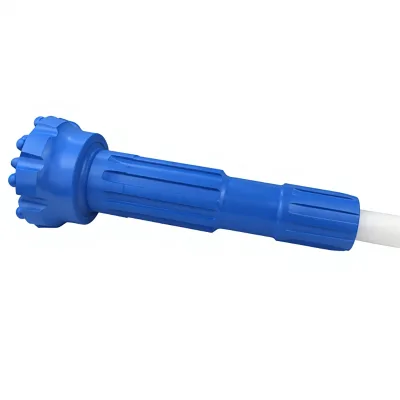
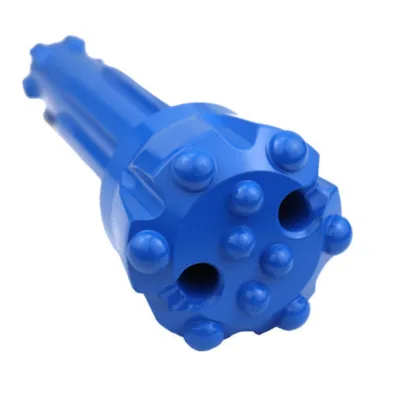
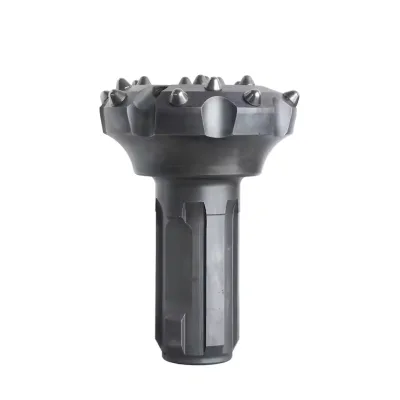
High-Speed Mining Drill RIG Bit Low-Pressure Tungsten Steel Cross DTH Bit
$122.9458 - $139.4766
MOQ: 1 sets

Comprehensive Sourcing Guide
Forging Ore Mining DTH Bit Sourcing Guide
Procuring drilling tools for hard-rock environments requires a disciplined approach to material selection and manufacturing verification. The core keyword "Forging Ore Mining DTH Bit" points to a specific category of down-the-hole equipment where structural integrity is paramount. Buyers must recognize that these bits are engineered for high-impact energy transmission, making the forging process a critical differentiator from cast alternatives. This guide outlines the essential verification steps for sourcing these components, focusing on the tangible attributes observed in current market listings.
The observed product landscape reveals a diverse range of specifications tailored to various geological conditions. Listings indicate materials ranging from stainless steel to cobalt steel alloys, suggesting that buyers must align material choice with the specific abrasiveness and hardness of the target formation. Furthermore, the presence of customization options and various shank types implies that off-the-shelf solutions may not suffice for specialized mining operations. Understanding these variables is the first step in building a robust procurement strategy that minimizes downtime and maximizes drilling efficiency.
Product Scope and Observed Listing Signals
Current market data indicates a significant variation in product attributes, reflecting the specialized nature of mining equipment. Observed listings show weights ranging from 16.5 kg to 71 kg, with some items weighing up to 58 kg, highlighting the substantial mass required for effective penetration in hard formations. The drilling diameter specifications observed include ranges such as 152-165 mm and specific models like 152 mm, indicating that buyers must match bit dimensions precisely to their drill rig capabilities. These physical parameters are not merely descriptive but are critical constraints that dictate compatibility with existing machinery.
The application scope extends beyond simple rock drilling to include well drilling, coal extraction, and water well construction. This versatility suggests that the same forging techniques may be adapted for different industries, yet the specific button configurations and gauge types vary significantly. For instance, some bits feature domed and ballistic buttons with flat faces, while others utilize specific carbide teeth grades like Yk05. Buyers should treat these observed attributes as indicators of potential performance characteristics rather than universal standards, requiring careful evaluation against their specific operational requirements.
Technical Specifications to Verify
Verifying the shank configuration is a primary technical requirement, as compatibility with the drill string is non-negotiable. Observed shank types include CIR, DHD, Cop, QL, SD, Mission, Numa, and Br, indicating a fragmented market with diverse interface standards. Buyers must confirm that the selected bit’s shank geometry matches their hammer’s internal locking mechanism to prevent slippage or catastrophic failure during operation. Additionally, the shank length, observed at 240 mm for some models, must be verified to ensure proper engagement and stability under high torque conditions.
The button layout and gauge design directly influence drilling speed and hole quality. Specifications such as 12mm splines, 2 port holes, and specific front button arrangements like 8Diameter14 are critical for fluid circulation and rock fragmentation. The gauge type, observed as 8Dimeter15, plays a vital role in maintaining hole straightness and preventing deviation. Buyers should request detailed technical drawings to verify these dimensions, as even minor discrepancies can lead to premature wear or inefficient energy transfer, ultimately increasing the cost per meter drilled.
Compliance and Safety Documentation
Certification status serves as a baseline indicator of manufacturing quality and process control. Observed listings mention ISO 9001 and CE certifications, which suggest adherence to international quality management and safety standards. However, buyers should verify the validity of these certificates directly with the issuing bodies, as mere mention on a product page does not guarantee current compliance. Additionally, standards such as API, GOST, GB, ANSI, and AISI are referenced, indicating that bits may be designed to meet specific regional or industry regulatory requirements.
Safety documentation should also include video outgoing inspections, which are provided for some units in the observed data. This visual verification allows buyers to assess surface treatments, such as polishing, and overall build quality before shipment. It is crucial to ensure that the documentation covers the specific batch being ordered, as manufacturing variations can occur. Buyers should insist on comprehensive inspection reports that detail material composition and dimensional accuracy, ensuring that the delivered product matches the agreed-upon technical specifications.
Cost Drivers and Commercial Terms
The minimum order quantity (MOQ) observed is consistently 1 piece, which offers flexibility for small-scale operations or trial orders. This low barrier to entry allows buyers to test supplier performance without committing to large volumes, reducing initial procurement risk. However, buyers should be aware that unit prices may vary significantly based on customization levels and material grades. The observed price range of 2-1000 USD reflects this variability, with higher costs associated with specialized alloys or complex button configurations.
Packaging and logistics are significant cost drivers that must be factored into the total landed cost. Observed packing methods include wooden cases, original packages with wooden cases, and Roro or container shipping. The weight of the items, ranging from 16.5 kg to 71 kg, impacts freight charges and handling requirements. Buyers should negotiate clear terms regarding packaging standards to prevent damage during transit and clarify who bears the cost of export documentation and customs clearance to avoid unexpected expenses.
Supplier Qualification and Quality Control
Supplier location and origin are key factors in assessing supply chain reliability. Observed origins include Beijing and Jining, Shandong, indicating a concentration of manufacturing capabilities in specific industrial hubs in China. Buyers should evaluate the supplier’s proximity to raw material sources and their logistical infrastructure to ensure timely delivery. Additionally, the customization availability suggests that suppliers have the engineering capacity to adapt products to specific needs, which is a positive indicator of technical competence.
Quality control processes must be rigorously evaluated to ensure consistent product performance. The observation of video outgoing inspections is a positive sign, but buyers should also inquire about in-process quality checks, such as material testing and dimensional inspections during production. Suppliers should provide traceability for raw materials, particularly for cobalt steel alloys and carbide teeth, to ensure that the specified grades are used. Establishing a clear communication channel for technical queries and post-delivery support is essential for resolving any issues that may arise during initial use.
Long-Term Procurement Checks
Building a long-term relationship with suppliers requires ongoing performance monitoring and feedback loops. Buyers should track key performance indicators such as bit life, drilling rate, and failure modes to assess the true value of the purchased equipment. The observed usage in soft, medium, hard, and very hard formations provides a framework for evaluating performance across different geological conditions. Regular reviews of these metrics can help identify trends and inform future purchasing decisions, ensuring that the selected bits continue to meet operational needs.
Continuous improvement in the supply chain can be achieved by collaborating with suppliers on product development and optimization. The observed customization options suggest that suppliers are open to adapting their products based on user feedback. Buyers should share their operational data and challenges with suppliers to facilitate the development of more efficient bit designs. This collaborative approach can lead to tailored solutions that enhance drilling efficiency and reduce overall costs, creating a mutually beneficial partnership that supports long-term mining operations.
FAQs
What is the standard material for these forging ore mining dth bits?
The standard material for these forging ore mining dth bits is stainless steel or cobalt steel alloys. These materials ensure durability and resistance to wear during well drilling operations. The bits are designed for various formations, including soft, medium, and very hard rock types, providing reliable performance in demanding mining environments.
Can I customize the specifications of the Forging Ore Mining DTH Bit?
Yes, customization is available for the Forging Ore Mining DTH Bit to meet specific project requirements. Buyers can select from various shank types, such as CIR, DHD, or Cop, and choose specific drilling diameters ranging from 76 to 200mm. This flexibility allows for precise adaptation to different drilling machinery and geological conditions.
What is the minimum order quantity for these forging ore mining dth bits?
The minimum order quantity for these forging ore mining dth bits is one piece. This low MOQ allows buyers to test product quality and performance before committing to larger orders. It provides flexibility for small-scale projects or initial procurement trials without requiring significant upfront inventory investment or bulk purchasing commitments.
Which certifications do the forging ore mining dth bits hold?
The forging ore mining dth bits hold ISO 9001 and CE certifications. These standards confirm adherence to quality management systems and safety regulations. The products also comply with API, GOST, GB, ANSI, and AISI standards, ensuring they meet international requirements for drilling equipment used in construction, energy, and mining industries globally.
How are the forging ore mining dth bits packaged for shipping?
The forging ore mining dth bits are packaged in wooden cases or original packages with wooden cases. This robust packaging protects the bits during transit via RoRo or container shipping. The secure packing ensures that the precision-ground surfaces and carbide teeth remain undamaged, maintaining product integrity upon arrival at the destination port or site.
What is the typical weight of a standard Forging Ore Mining DTH Bit?
The typical weight of a standard Forging Ore Mining DTH Bit is approximately 58 kg, though some models weigh up to 71 kg. The weight varies based on the specific model, shank length, and drilling diameter selected. Heavier bits often provide better stability and impact energy transfer during deep well drilling operations in hard formations.