Source Food Processing Circular Tumbler Screen for Sieving
Source the Food Processing Circular Tumbler Screen from 30 available models. Compare specifications including YBS and PLYS series options, power ratings, and customization features for efficient material separation in food processing applications; compare the available evidence and request quotations based on your requirements.
Updated
Key considerations
Products List


Industrial Circular Swing Tumbler Vibrating Screen for Fine Powder Food Screening
$5600.00 - $12500.00
MOQ: 1 Pieces
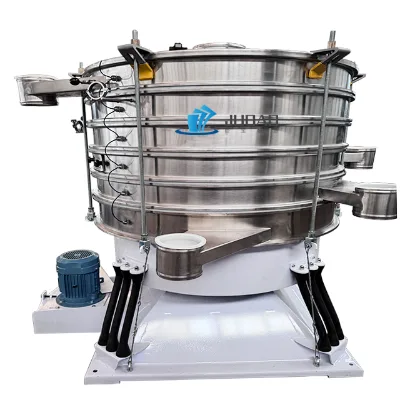
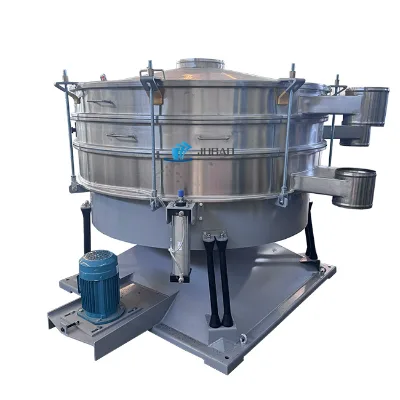
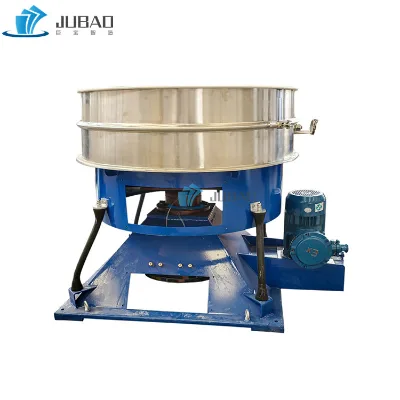
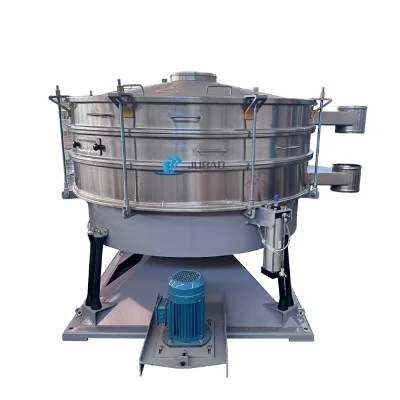
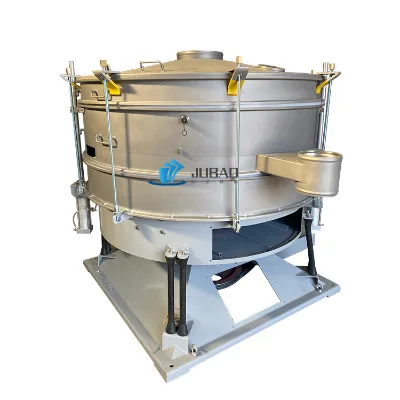
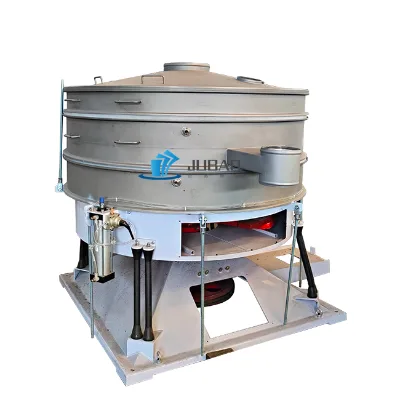

High Precision Circular Tumbler Screen for Food Chemical Fine Powder Grading Separation
$4500.00 - $15500.00
MOQ: 1 Pieces

High Precision Circular Tumbler Screen for Food Spice Powder Fine Grading Separation
$4500.00 - $15500.00
MOQ: 1 Pieces

Circular Tumbler Screen for Food Flour Powder Fine Particle Grading and Separation
$4500.00 - $15500.00
MOQ: 1 Pieces


Food Grade Stainless Steel Circular Tumbler Screen for Spice and Flour Powder Sifting
$4000.00 - $10000.00
MOQ: 1 Pieces

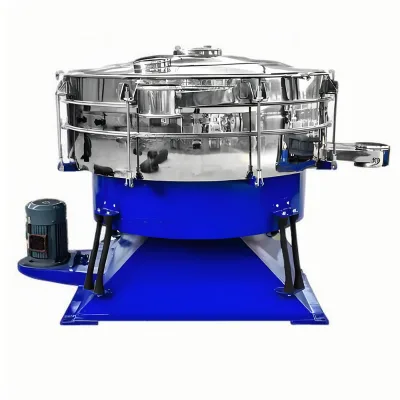
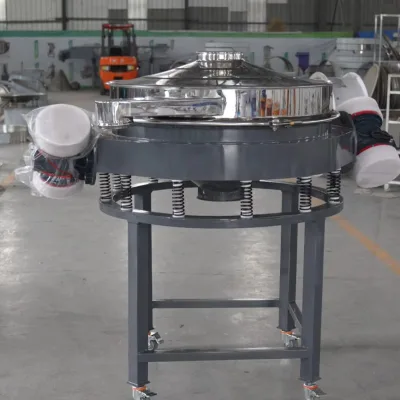
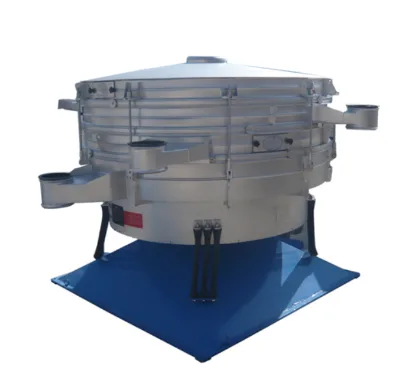
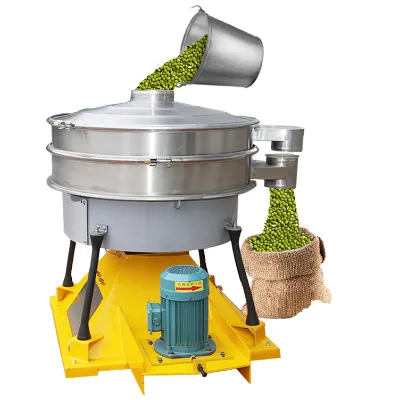
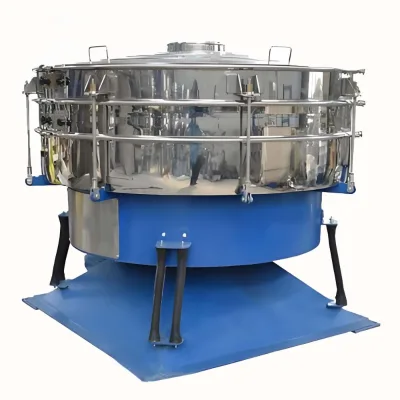
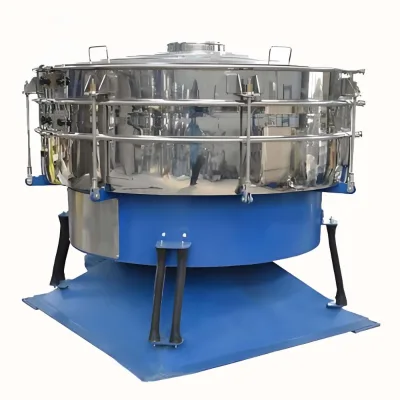


High Precision Food Wheat Tumbler Screen Machine Circular Vibrating Sieve
$5699.00 - $5999.00
MOQ: 1 Pieces

Large Capacity Circular Tumbler Screen with Gentle Screening Action for Fragile Materials
$5900.00 - $15599.00
MOQ: 1 Pieces

Comprehensive Sourcing Guide
Food Processing Circular Tumbler Screen Sourcing Guide
Sourcing a circular tumbler screen for food processing requires careful alignment of mechanical design with sanitary operational needs. The observed market features high-frequency vibrating screens and rotary vane shakers designed for lightweight fine shaker applications. Buyers must distinguish between general industrial screening and specialized food-grade equipment, as material compatibility and cleaning protocols differ significantly. The core keyword highlights the specific mechanical action and target industry, ensuring that procurement teams focus on machines capable of handling delicate food products without degradation.
Procurement decisions should prioritize machines that offer customization for specific food processing workflows. Available options include models like the YBS and PLYS series, which support various voltage configurations and screen layer counts. The ability to customize materials, such as selecting between all carbon steel, SUS 304, or other specified alloys, is critical for preventing contamination and ensuring durability in wet or acidic food environments. Understanding these baseline variations helps buyers narrow down suppliers who can meet precise hygiene and performance standards.
Product Scope and Observed Listing Signals
The current market listings indicate a diverse range of circular vibrating screens tailored for food processing applications. Key attributes observed include the use of rubber springs or coil springs as supporting devices, which affect vibration transmission and noise levels. Models such as the PLYS-800 and YBS-2500 demonstrate varying capacities, ranging from 2000 to 6000 kg/hr, allowing buyers to scale operations based on throughput requirements. These signals suggest that suppliers offer modular solutions where screen area and diameter can be adjusted to fit specific facility layouts and production volumes.
Customization is a prevalent feature across the observed product range, extending to voltage inputs and screen aperture sizes. Buyers will find options for single-shaft transmission structures and eccentric vibrating mechanisms, which are standard for tumbler screens. The presence of video outgoing inspections and free equipment drawings indicates a supplier base that supports remote verification and detailed engineering planning. These signals reassure buyers that technical transparency is available, facilitating accurate integration of the screening equipment into existing food processing lines.
Technical Specifications to Verify
Verification of motor power and voltage compatibility is essential to ensure seamless integration with existing facility infrastructure. Observed power ratings include 5.5 kW and 7.5 kW options, with voltage configurations supporting 110V, 220V, and 380V inputs. Buyers must confirm that the selected machine’s electrical requirements match their plant’s supply capabilities to avoid costly retrofits. Additionally, the screening accuracy of up to 99% and aperture sizes ranging from 0.02 to 20 mm require validation against the specific particle size distribution of the food products being processed.
Mechanical durability and noise control are critical technical parameters for food processing environments. Buyers should verify the machine material composition, ensuring that contact surfaces meet sanitary standards, often requiring SUS 304 stainless steel. The observed noise level of less than 75 dB is a significant factor for worker safety and regulatory compliance in enclosed processing areas. Furthermore, confirming the stage of sieving capability, which can go up to five layers, ensures that the machine can perform complex multi-stage separation tasks without requiring additional equipment.
Compliance and Safety Documentation
Safety and hygiene compliance are non-negotiable for food processing equipment, requiring thorough documentation review. Buyers must request evidence that the machine’s construction materials comply with relevant food safety regulations, particularly regarding the use of stainless steel grades like SUS 304. The warranty period, observed as either one or two years, serves as an indicator of manufacturer confidence in product reliability. However, warranty terms should be clearly defined to cover critical components such as motors, springs, and screen meshes, which are subject to high wear rates.
Documentation should also include detailed equipment drawings and operational manuals to facilitate proper installation and maintenance. The provision of free equipment drawings by suppliers aids in planning the physical footprint and utility connections required for the tumbler screen. Buyers should verify that the supplier provides comprehensive safety certifications for electrical components and mechanical guards. Ensuring that all documentation is up-to-date and compliant with local industrial safety standards prevents legal liabilities and operational disruptions during the commissioning phase.
Cost Drivers and Commercial Terms
Pricing for circular tumbler screens varies significantly based on customization levels, material specifications, and capacity. The observed price range spans from $1,050 to $23,800, reflecting the diversity from basic models to high-capacity, fully customized units. Buyers should analyze cost drivers such as the inclusion of SUS 304 materials, which command a premium over mild steel, and the complexity of multi-layer screening configurations. Understanding these variables helps in budgeting accurately and avoiding unexpected costs associated with post-order modifications or expedited shipping.
Minimum Order Quantities (MOQ) and packaging methods also influence the total cost of ownership. Observed MOQs range from 1 to 2,300 units, offering flexibility for both pilot projects and large-scale deployments. Packaging is typically handled via wooden cases or standard export packages, which must be evaluated for their ability to protect the machine during international transit. Buyers should negotiate clear terms regarding shipping responsibilities, insurance, and installation support to ensure that the final delivered cost aligns with the initial quotation and does not include hidden logistical fees.
Supplier Qualification and Quality Control
Evaluating supplier qualifications is crucial for ensuring the long-term reliability of food processing equipment. Buyers should verify the supplier’s manufacturing capabilities, including their ability to provide customized solutions and adhere to specific engineering drawings. The presence of video outgoing inspections is a positive indicator of quality control practices, allowing buyers to visually verify the machine’s condition before shipment. Suppliers who offer free equipment drawings and detailed technical support demonstrate a commitment to customer success and operational transparency.
Quality control processes should extend beyond final inspection to include material certification and component testing. Buyers must request documentation confirming the grade of steel used in construction, particularly for parts in contact with food products. The warranty period, whether one or two years, should be backed by a clear service agreement that defines response times and spare parts availability. Establishing a strong relationship with a supplier who prioritizes quality assurance reduces the risk of equipment failure and ensures consistent performance in high-volume food processing operations.
Long-Term Procurement Checks
Long-term procurement success depends on establishing robust maintenance and support protocols for the tumbler screen. Buyers should verify the availability of spare parts, such as screen meshes, springs, and motor components, to minimize downtime during routine maintenance. The customizable nature of the equipment means that future modifications or expansions may require compatible parts, making it essential to select a supplier with a comprehensive inventory. Regular performance checks, including vibration analysis and noise monitoring, should be scheduled to detect early signs of wear or misalignment.
Continuous improvement in procurement strategies involves monitoring supplier performance and market trends for new technologies. Buyers should maintain open communication with suppliers to stay informed about updates in screen materials, motor efficiency, and automation features. Periodic reviews of the machine’s screening accuracy and capacity against production goals ensure that the equipment continues to meet operational needs. By proactively managing these long-term checks, buyers can maximize the lifespan and efficiency of their food processing circular tumbler screens, securing a competitive advantage in the market.
FAQs
What is the screening accuracy of the Food Processing Circular Tumbler Screen?
The screening accuracy reaches 99% for fine material separation. This high precision is achieved through the rotary vane shaker mechanism and customizable aperture sizes ranging from 0.02 to 20 mm. The system supports up to five sieving stages, ensuring consistent product quality for food processing applications while maintaining operational efficiency.
Can the Food Processing Circular Tumbler Screen be customized for specific needs?
Yes, customization is available for various components. You can select machine materials like SUS 304 or mild steel, adjust voltage to 220V, 380V, or other requirements, and define the number of layers. The screen diameter and aperture sizes are also tailored to your order specifications, ensuring the equipment fits your unique production line.
What is the power consumption of the Food Processing Circular Tumbler Screen?
Power consumption varies by model, typically ranging from 5.5 kW to 7.5 kW. Specific models like the PLYS-800 use 5.5 kW, while others may require 7.5 kW. The voltage options include 220V, 110V, and 380V, allowing flexibility for different electrical infrastructure setups in your food processing facility.
What is the warranty period for the Food Processing Circular Tumbler Screen?
The warranty period is either 1 year or 2 years, depending on the specific model selected. This coverage ensures support for the new condition equipment. Buyers should verify the exact warranty terms associated with their chosen model, such as the YBS or PLYS series, to understand the maintenance support provided.
How is the Food Processing Circular Tumbler Screen packed for shipping?
Packing methods include wooden cases, standard export packages, or customizable options. The choice depends on the specific model and buyer requirements. This ensures safe transit of the heavy machinery, which can weigh around 100 kg or more, protecting the equipment from damage during international shipping from China to global destinations.
What is the capacity range of the Food Processing Circular Tumbler Screen?
The capacity ranges from 2000 to 6000 kg per hour. This throughput is suitable for lightweight fine shaker applications in food processing. The actual capacity may vary based on the specific model, such as the YBS-2500, and the material being screened, allowing for scalable production solutions.