Source Wear-Resistant Mobile Jaw Crusher for Mining, Aggregate, Construction
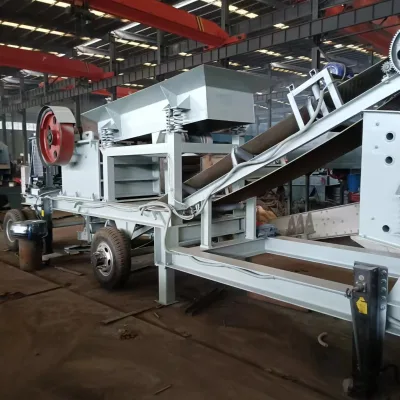
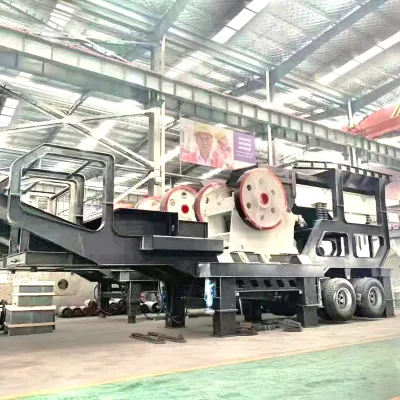
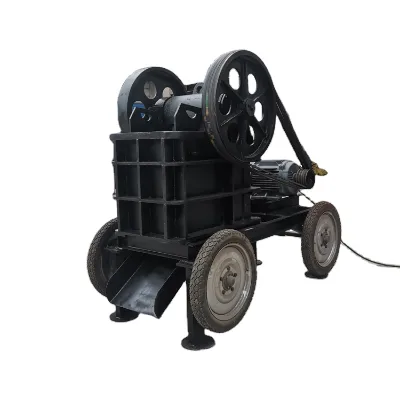
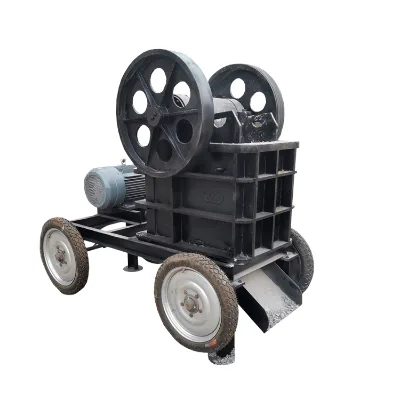
Find 30 wear-resistant mobile jaw crusher options from Chinese manufacturers. Compare models like DMJ75H and DMJ140, featuring hydraulic drives and capacities up to 680tph for coarse crushing applications in mining, aggregate, and construction industries; compare the available evidence and request quotations based on your requirements.
Updated
Key considerations
Products List
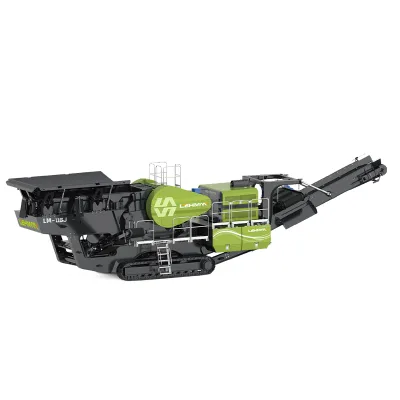


Durable Mobile Jaw Crusher for Construction and Demolition Projects
$38800.00 - $69999.00
MOQ: 1 Pieces

Reliable Tracked Mobile Jaw Crusher for Efficient Crushing Solutions
$38800.00 - $69999.00
MOQ: 1 Pieces







Comprehensive Sourcing Guide
Wear-Resistant Mobile Jaw Crusher Sourcing Guide
Procuring a wear-resistant mobile jaw crusher requires a disciplined approach to matching machine capabilities with specific crushing objectives. Buyers must first define the material characteristics, such as quartz, limestone, or granite, to ensure the crusher’s extruding crushing style and coarse crushing degree align with operational needs. The observed market signals indicate a strong presence of manufacturers from Zhejiang and Shandong provinces in China, offering models like the DMJ75H and DMJ140. These units typically feature hydraulic drives and high-manganese steel components, which are critical for handling abrasive ores like iron ore and gold ore. Understanding these baseline attributes helps buyers filter listings effectively and avoid mismatched equipment that fails to deliver the required throughput.
Beyond initial selection, buyers should evaluate the structural integrity and power requirements of the mobile units. The observed product range includes motor powers from 75kw up to 420kw, with weights varying significantly from 2000kg to over 72 tons. This variance suggests that smaller, lighter units may serve as primary crushers for smaller sites, while heavier models support large-scale mining operations. The hydraulic drive system is a common feature, offering efficient power transmission and easier maintenance compared to mechanical alternatives. Buyers must verify that the selected model’s load capacity, often observed around 1000kg for specific components, matches the intended feed size and volume. This alignment ensures that the mobile jaw crusher operates within its design limits, preventing premature wear and maximizing uptime in demanding environments.
Product Scope and Observed Listing Signals
The current market for mobile jaw crushers presents a diverse array of options, primarily centered around heavy-duty crushing applications in mining and construction. Listings frequently highlight key selling points such as energy-saving features and large power engines, which are essential for maintaining efficiency in continuous operation. The observed product names, such as Mobile Jaw Crusher, often come with specific model identifiers like DMJ106 or DMJ140H, indicating a standardized yet customizable product line. Buyers should note that while many units are marketed as new, the condition and specific configuration can vary between suppliers. The emphasis on environmental and energy-saving attributes suggests a growing industry trend toward more sustainable and efficient crushing technologies, which buyers should prioritize for long-term operational cost savings.
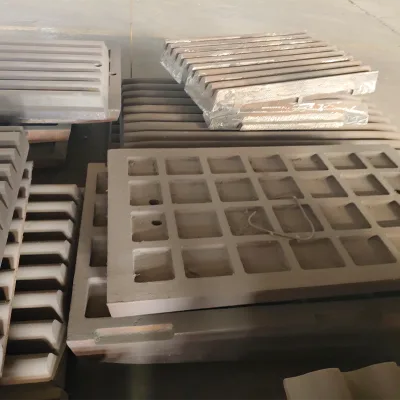
Material composition and customization options are critical signals when evaluating product listings. High manganese steel is frequently cited as the primary material for wear parts, directly impacting the durability and lifespan of the crusher in abrasive conditions. The availability of OEM and ODM services indicates that manufacturers are willing to tailor specifications to meet unique project requirements, such as specific crushing degrees or custom colors. Additionally, the presence of video outgoing-inspection services provides a layer of transparency, allowing buyers to verify the machine’s condition before shipment. Buyers should leverage these signals to request detailed specifications and visual evidence of the manufacturing process, ensuring that the final product meets their exact technical and operational standards.
Technical Specifications to Verify
Verifying technical specifications is paramount to ensuring the mobile jaw crusher meets the required performance benchmarks. Buyers must confirm the capacity range, which in observed listings spans from 100tph to 680tph, to ensure it aligns with the project’s throughput demands. The motor power, ranging from 75kw to 420kw, is a critical factor that influences both energy consumption and crushing efficiency. It is essential to match the motor power to the specific material hardness and feed size, as underpowered units may struggle with hard rocks like granite or basalt. Additionally, the weight of the machine, which can vary from 25 tons to over 72 tons, affects transportability and site stability. Buyers should request detailed technical datasheets that specify these parameters to avoid mismatches between equipment capabilities and site requirements.
The crushing mechanism and bearing type are other vital technical aspects that require careful verification. The extruding crushing style is commonly observed, which is suitable for coarse and primary crushing applications. Buyers should confirm the type of bearings used, with ball bearings being a noted specification, as this impacts the machine’s reliability and maintenance frequency. The hydraulic drive system, another common feature, offers advantages in terms of power transmission and ease of adjustment. However, buyers must verify the quality and brand of hydraulic components to ensure long-term durability. Furthermore, the customization options available, such as specific model numbers like Mn 13 or Mn 18 Cr 2 for wear parts, should be clearly defined in the contract to guarantee that the machine is equipped with the most suitable materials for the intended application.
Compliance and Safety Documentation
Compliance and safety documentation are non-negotiable elements in the procurement of industrial crushing equipment. Buyers must ensure that the mobile jaw crusher meets relevant international and local safety standards, particularly regarding electrical systems and mechanical guards. While specific certification statuses may vary, the presence of CE marking is a common indicator of compliance with European safety directives. Buyers should request copies of all relevant certificates and test reports to verify that the equipment has undergone rigorous safety assessments. This documentation is crucial for ensuring that the machine can be legally operated in the buyer’s jurisdiction and that it adheres to recognized safety protocols, reducing the risk of accidents and operational disruptions.
In addition to safety certifications, buyers should verify the availability of comprehensive operation and maintenance manuals. These documents provide essential guidance on safe startup procedures, routine maintenance schedules, and emergency shutdown protocols. The inclusion of video outgoing-inspection services can also serve as a supplementary verification tool, allowing buyers to visually confirm the presence of safety features and proper assembly. Buyers should also inquire about the supplier’s after-sales service capabilities, including the availability of technical support and spare parts. A robust after-sales service framework ensures that any compliance-related issues or safety concerns can be addressed promptly, maintaining the machine’s operational integrity and regulatory standing throughout its lifecycle.
Cost Drivers and Commercial Terms
Understanding the cost drivers associated with mobile jaw crushers is essential for effective budgeting and negotiation. The primary cost factors include the motor power, material composition, and customization options. Higher motor powers and the use of premium materials like high manganese steel typically result in higher upfront costs but offer better long-term value through increased durability and efficiency. The weight and size of the machine also influence transportation and installation costs, which buyers should factor into their total cost of ownership. Additionally, the availability of OEM and ODM services may incur additional fees, but these can be justified if they lead to significant operational improvements or reduced maintenance costs. Buyers should request detailed cost breakdowns to understand how each component contributes to the final price.
Commercial terms, including warranty and payment conditions, play a significant role in the overall procurement strategy. Observed warranty periods range from six months to one year, with some suppliers offering unavailable warranties for specific parts. Buyers should negotiate for extended warranty coverage, particularly for critical components like bearings and hydraulic systems. Payment terms, such as the minimum order quantity (MOQ) and packing arrangements, should be clearly defined to avoid unexpected costs. The observed MOQ range of 1-1000 units suggests flexibility for both single-unit purchases and bulk orders. Buyers should also consider the impact of currency fluctuations and import duties on the final cost, ensuring that the commercial terms are favorable and aligned with their financial planning.
Supplier Qualification and Quality Control
Supplier qualification is a critical step in mitigating procurement risks for mobile jaw crushers. Buyers should conduct thorough due diligence on potential suppliers, verifying their manufacturing capabilities, quality control processes, and track record. The presence of design-based customization services indicates a supplier’s ability to adapt to specific buyer requirements, which is a positive indicator of technical competence. Buyers should request evidence of past projects and client testimonials to assess the supplier’s reliability and performance. Additionally, the availability of video outgoing-inspection services suggests a commitment to transparency and quality assurance. Buyers should leverage these services to conduct virtual inspections, ensuring that the machine meets their specifications before shipment.
Quality control measures should be explicitly defined in the procurement contract to ensure consistent product quality. Buyers should verify the supplier’s quality management systems, including inspection protocols for raw materials, assembly processes, and final product testing. The use of standardized packages and negotiable packing arrangements indicates a flexible approach to logistics, but buyers should ensure that the packaging is sufficient to protect the machine during transit. Furthermore, buyers should inquire about the supplier’s after-sales service capabilities, including the availability of technical support and spare parts. A robust quality control framework and responsive after-sales service are essential for maintaining the machine’s performance and minimizing downtime, ensuring a successful long-term partnership with the supplier.
Long-Term Procurement Checks
Long-term procurement checks are essential for maintaining the performance and reliability of mobile jaw crushers over their operational lifespan. Buyers should establish a regular maintenance schedule based on the manufacturer’s recommendations, focusing on critical components like bearings, hydraulic systems, and wear parts. The use of high manganese steel for wear parts, such as Mn 13 or Mn 18 Cr 2, should be verified periodically to ensure that replacements are of equivalent quality. Buyers should also monitor the machine’s performance metrics, such as throughput and energy consumption, to detect any deviations that may indicate underlying issues. Proactive maintenance and timely replacements of wear parts are crucial for preventing costly breakdowns and extending the machine’s service life.
Additionally, buyers should maintain open communication with the supplier for ongoing technical support and updates. The availability of after-sales service, including design-based customization and spare parts supply, is vital for addressing any emerging challenges or operational needs. Buyers should also stay informed about industry advancements and technological improvements that may enhance the efficiency and safety of their mobile jaw crushers. Regular reviews of the procurement strategy, including cost analysis and supplier performance evaluations, will help buyers optimize their operations and ensure that their equipment continues to meet their evolving business requirements. By prioritizing long-term checks and continuous improvement, buyers can maximize the value and reliability of their mobile jaw crusher investments.
FAQs
What is the crushing capacity of the mobile jaw crusher?
The crushing capacity ranges from 100 to 680 tons per hour. This wide range accommodates various coarse and primary crushing applications in mining and construction. The specific output depends on the selected model and material hardness, ensuring efficient processing for quartz, limestone, and granite.
Which materials can this mobile jaw crusher process effectively?
This machine effectively processes quartz, limestone, iron ore, granite, gold ore, copper ore, and basalt. It is designed for coarse crushing and primary crushing tasks. The robust construction handles hard and abrasive materials commonly found in building material shops and energy mining industries.
What warranty and after-sales support are provided?
Warranty periods vary by model, with options including six months or one year. Comprehensive after-sales service is provided to ensure operational continuity. Buyers can rely on professional support for maintenance and troubleshooting, ensuring the equipment remains functional and efficient throughout its service life in demanding environments.
Can the mobile jaw crusher be customized for specific needs?
Yes, customization is available for various product specifications. Buyers can request tailored solutions for color, branding, and specific operational requirements. This flexibility allows the equipment to integrate seamlessly into existing workflows, supporting diverse applications in aggregate production, mining, and construction projects worldwide.
What is the motor power range for these crushers?
Motor power ranges from 75kw to 420kw depending on the model. Higher power options support increased capacity and heavier loads. The hydraulic drive system ensures efficient operation, allowing the crusher to handle varying material densities and maintain consistent performance during continuous coarse crushing operations in industrial settings.
Where are these mobile jaw crushers manufactured?
These crushers are manufactured in Zhejiang and Shandong, China. Production facilities ensure strict quality control and adherence to industry standards. The origin indicates access to established industrial supply chains, facilitating reliable delivery and consistent manufacturing quality for international buyers seeking durable crushing equipment for their operations.