Source API 11E Oil Sucking Machine for Pumping, Extraction, and Balance
Find and compare 18 API 11E Oil Sucking Machine options from Chinese manufacturers. These units, including C Series pumping units and pneumatic extractors, offer features like crank balance and hydraulic transmission for efficient oilfield extraction and sucker rod pump power.
Updated
Key considerations
Products List
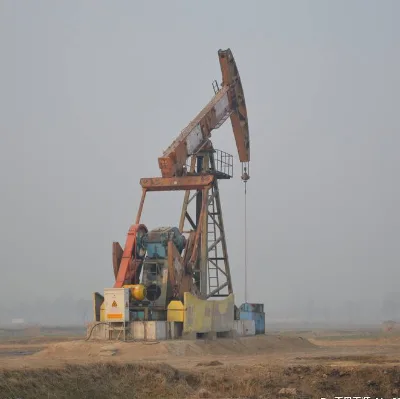
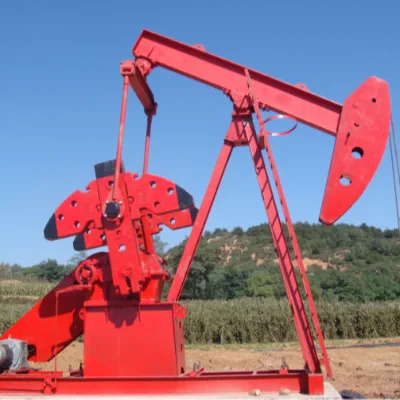
API 11 E Oil Drilling Rig,mud Pump & Horse Head Oil Pumping Unit
$10374.4608 - $36310.6128
MOQ: 1 Minimum

API 11 E Oilfield Conventional Beam Pumping Unit / Oil Sucking Machine
$10000.00 - $50000.00
MOQ: 1 Pieces

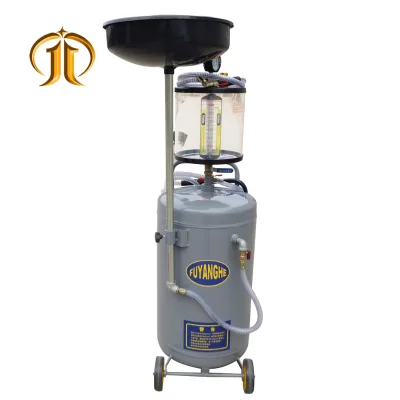
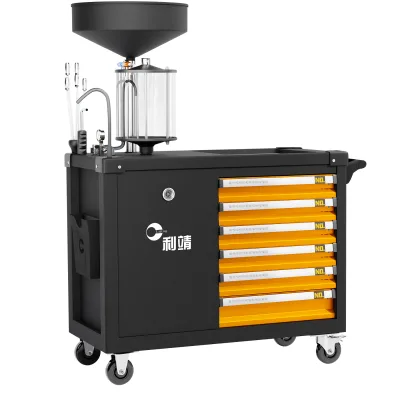
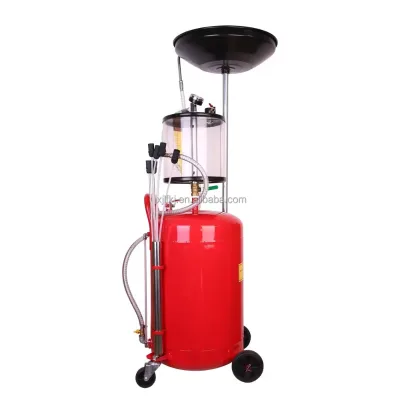
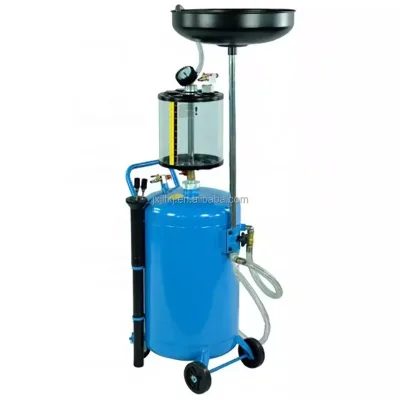
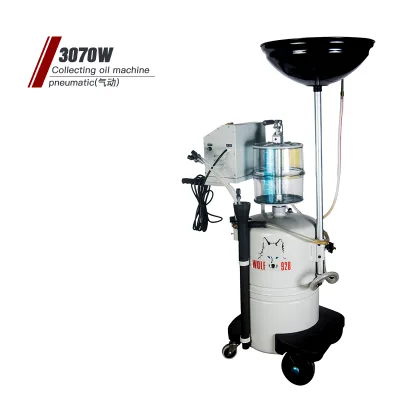
Oil Sucking Machine Air Operated Oil Collecting and Draining Machine
$40.9874 - $61.4796
MOQ: 1 Minimum
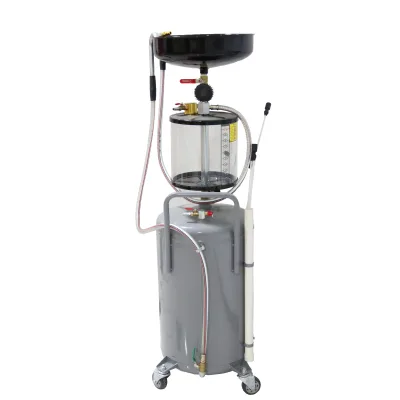


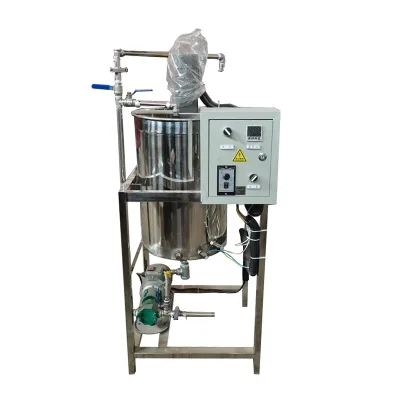
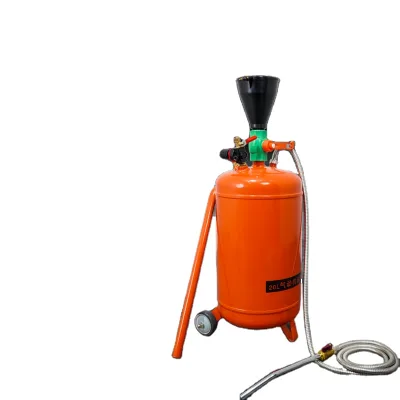

2t Edible Oil Refining Machine Oil Sucking Machine Chinese Refining Machine
$1800.00 - $2000.00
MOQ: 1 Pieces
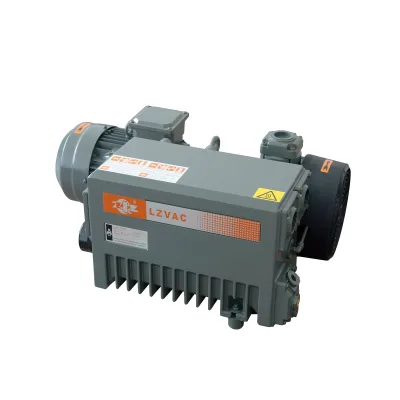
$671.5499 - $774.8652
MOQ: 1 sets
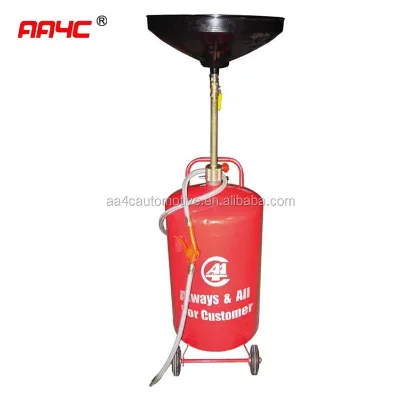
Comprehensive Sourcing Guide
API 11E Oil Sucking Machine Sourcing Guide
Procuring pumping units that align with API 11E standards requires a clear understanding of the mechanical configurations available in the current market. Buyers often encounter crank balance pumping units designed to offer power to sucker rod pumps, which are essential for oilfield extraction operations. These systems typically feature a polished rod load capacity ranging from 5300 to 42700 LBS, allowing for versatile deployment across different well depths and production rates. The core components, such as gearboxes, are critical for transmitting torque, which can vary significantly from 16000 to 1824000 in.lbs depending on the specific model selected.
It is important to distinguish between different product types when searching for API 11E compliant machinery. While some listings refer to general pumping units with crank or walking beam balance ways, others may describe pneumatic waste oil extractors or hydraulic transmission systems. For instance, certain models operate with a pumping way without rods and utilize hydraulic transmission, which differs substantially from traditional electric-powered crank units. Buyers must carefully verify the voltage requirements, such as 380V for electric models, and ensure the stroke length, which can range from 20 to 240 inches, matches the specific operational needs of their extraction site.
Product Scope and Observed Listing Signals
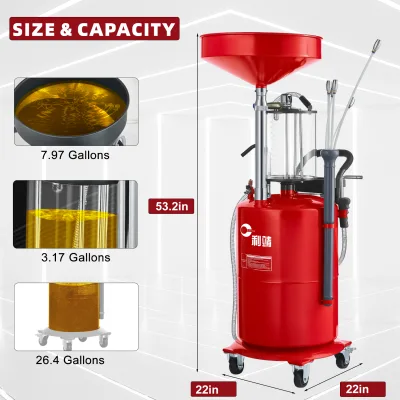
The market for oil extraction equipment includes a variety of products that may or may not strictly adhere to API 11E specifications. Observed listings show a wide price range, from approximately $40.99 to $50,000, reflecting the diversity from small auxiliary tools to large-scale pumping units. For example, pneumatic waste oil extractors are listed with specific dimensions and weights, such as a net weight of 18.5 KG, while larger pumping units can weigh up to 15000 KG. This disparity highlights the need for buyers to clearly define whether they require a primary production unit or a secondary handling tool.
Supply abilities also vary significantly among suppliers, with some offering up to 30 sets per month for large units and others providing 10000 sets per month for smaller items. Packaging details further indicate the nature of the product, with nude packing for unassembled parts in containers for heavy machinery and wooden box packaging for smaller components. Buyers should note that some products are described with standard packaging while others specify nude packing, which impacts logistics and assembly requirements on-site. Understanding these signals helps in filtering out irrelevant listings and focusing on suppliers who can meet the specific volume and logistical needs of the project.
Technical Specifications to Verify
When evaluating technical specifications, the model number and type are primary identifiers that guide the selection process. Listings often specify model numbers such as C Series or YY-3197A, with types ranging from C to all available configurations. The dimension of these units is typically described as regular, but the length of stroke is a critical variable that can be customized to meet specific operational demands. Buyers must verify the torque of the reducer and the polished rod load to ensure the unit can handle the expected reservoir pressure and fluid viscosity without mechanical failure.
Transmission methods and power sources are equally important technical factors that influence performance and compatibility. While some units are electric-powered with a 380V requirement, others may utilize hydraulic transmission or pneumatic systems for oil discharge. The air pressure for oil discharge, for instance, may range from 1 to 2 Bar, which is relevant for specific auxiliary equipment. Additionally, the customization availability allows for tailored solutions, but buyers must confirm that any customizations do not compromise the structural integrity or the API 11E compliance of the core mechanical components.
Compliance and Safety Documentation
Compliance with API 11E is a key standard referenced in many product listings, indicating a level of industry adherence for pumping units. Buyers should request documentation that explicitly confirms this standard, as it governs the design and construction of mechanical pumping units for oil wells. In addition to API standards, ISO 9001 certification is often cited, reflecting the manufacturer's quality management systems. However, buyers must verify that the certification applies to the specific product line and is current, as this ensures consistent manufacturing quality and traceability of components.
Safety and inspection documentation are critical for ensuring operational reliability and regulatory compliance. Video outgoing-inspection is provided for some units, offering visual verification of the assembly and finish before shipment. This is particularly useful for complex machinery where internal components like gearboxes are not easily visible. Buyers should also inquire about warranty terms, which are typically offered for one year, and understand the scope of coverage for core components. Clear documentation of these compliance and safety measures reduces the risk of post-purchase disputes and ensures the equipment meets site-specific safety regulations.
Cost Drivers and Commercial Terms
Several factors influence the final cost of API 11E compliant oil sucking machines, including the weight, material quality, and complexity of the design. Larger units with higher polished rod loads and longer stroke lengths naturally command higher prices due to the increased material and manufacturing costs. The supply ability of the manufacturer also plays a role, as limited production capacity of 30 sets per month for large units may affect pricing compared to high-volume producers of smaller components. Buyers should consider the total cost of ownership, including installation and maintenance, rather than just the initial purchase price.
Commercial terms such as minimum order quantity (MOQ) and port of dispatch are essential for budgeting and logistics planning. MOQs can range from 1 to 2 units, allowing for flexible purchasing but potentially affecting economies of scale. The port of dispatch, often listed as Qingdao or Tianjin, impacts shipping costs and lead times. Buyers should negotiate clear terms regarding packaging, whether nude or in wooden boxes, and ensure that all costs, including freight and insurance, are accounted for in the final quote. Understanding these commercial variables helps in comparing offers accurately and avoiding hidden costs.
Supplier Qualification and Quality Control
Supplier qualification is a critical step in ensuring the reliability of the purchased equipment. Buyers should verify the place of origin, with many suppliers located in Henan or Hebei, China, and assess their production capacity and customization capabilities. The brand name, such as ZS or YINGYANG, may indicate specific market positioning, but buyers should focus on the supplier's track record and ability to meet technical specifications. Customization availability is a positive sign of flexibility, but it requires rigorous oversight to ensure that modified units still meet all safety and performance standards.
Quality control processes, including video outgoing-inspection and standard packaging practices, provide additional assurance of product integrity. Buyers should request detailed inspection reports and verify that core components like gearboxes have undergone appropriate testing. The warranty period of one year is a standard offering, but buyers should clarify the terms for claims and spare parts availability. Engaging with suppliers who provide transparent quality control measures and have a clear supply chain helps mitigate risks associated with equipment failure and ensures long-term operational stability.
Long-Term Procurement Checks
Long-term procurement success depends on establishing a robust relationship with suppliers who can support ongoing maintenance and part replacements. Buyers should verify the availability of spare parts, particularly for core components like gearboxes and polished rods, to minimize downtime during operations. The supply ability of the manufacturer, whether 30 sets per month for large units or higher for smaller items, should align with the buyer's expansion plans. Regular communication with suppliers ensures that any changes in standards or technology are communicated promptly, allowing for timely updates to the fleet.
Continuous monitoring of performance metrics and adherence to API 11E standards is essential for maintaining operational efficiency. Buyers should implement a schedule for regular inspections and maintenance, leveraging the warranty and support services provided by the supplier. Tracking the performance of units with different stroke lengths and torque capacities helps in optimizing the fleet for specific well conditions. By maintaining detailed records of procurement and maintenance activities, buyers can make informed decisions about future purchases and ensure the longevity and reliability of their oil extraction operations.
FAQs
What is the standard for API 11E oil sucking machines?
The standard for API 11E oil sucking machines is API 11E. This specification ensures the equipment meets industry requirements for pumping units used in oilfield extraction operations. Manufacturers must adhere to this standard to guarantee performance and safety during operation.
How is the power supplied to the pumping unit?
The power supplied to the pumping unit is electric. This electric power drives the crank balance mechanism to offer power to the sucker rod pump. The system operates at 380V voltage to ensure consistent performance in oilfield extraction environments.
Which certification does the product hold for quality assurance?
The product holds ISO 9001 certification for quality assurance. This certification confirms that the manufacturing process meets international quality management standards. It applies to the new condition of the pumping units supplied by the manufacturer.
Can the product be customized for specific needs?
Yes, the product can be customized for specific needs. Customization is available to meet unique operational requirements. Buyers can request specific features or configurations to ensure the pumping unit fits their particular oilfield extraction application perfectly.
What is the supply ability for these pumping units?
The supply ability is 30 sets per month for standard orders. For urgent orders, the manufacturer can provide overtime production to increase output. This ensures timely delivery even when demand exceeds the standard monthly capacity limits.
How long is the warranty period for the equipment?
The warranty period for the equipment is one year. This warranty covers the pumping unit to ensure reliability during the initial operational phase. Buyers receive this coverage to protect their investment against manufacturing defects.
What is the polished rod load capacity of the unit?
The polished rod load capacity ranges from 5300 to 42700 LBS. This range allows the unit to handle various pumping requirements in oilfield extraction. The capacity is a key specification for selecting the right model for specific operational needs.