Source Electrical Powered Agitator Mixing Machine for Food, Dairy, and Chemical
Find 30 Electrical Powered Agitator Mixing Machine options from China. Compare models like LHMT and STB-Tank with SS304/316L materials, variable speeds, and CE/ISO certifications for beverage, dairy, and chemical applications; compare the available evidence and request quotations based on your requirements.
Updated
Key considerations
Products List


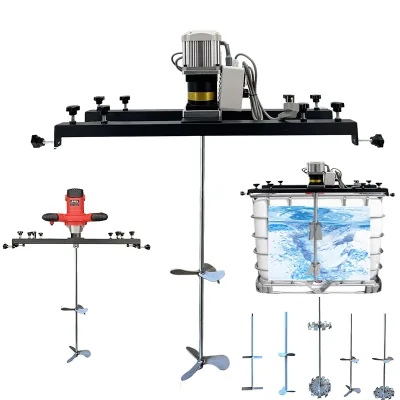
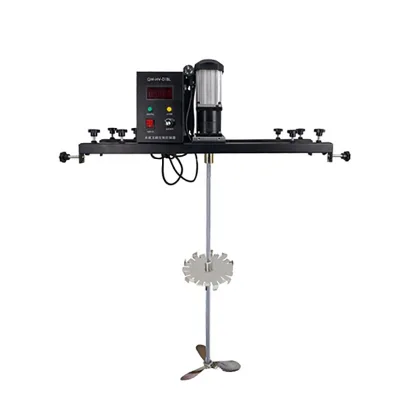
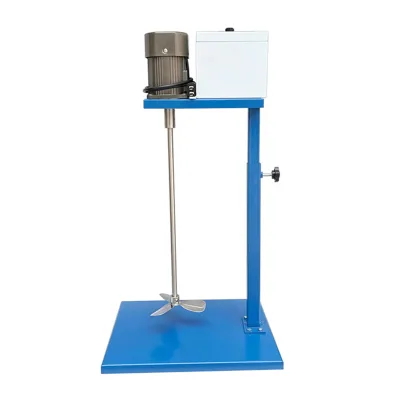
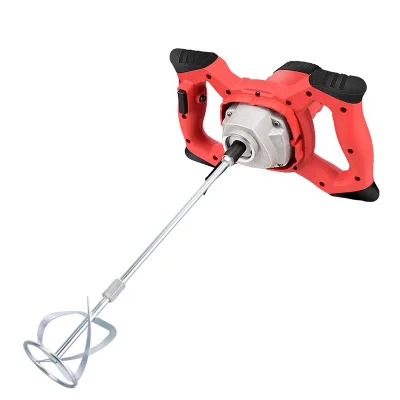
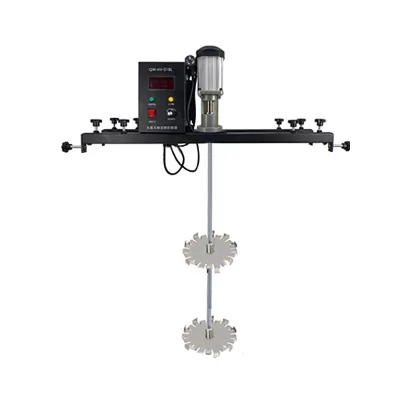
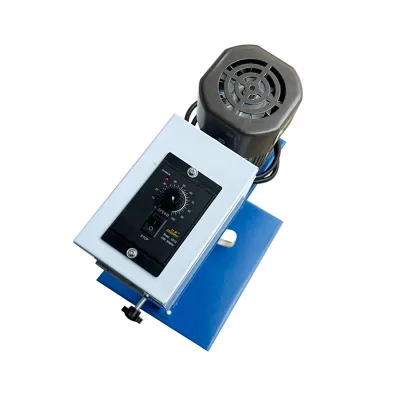


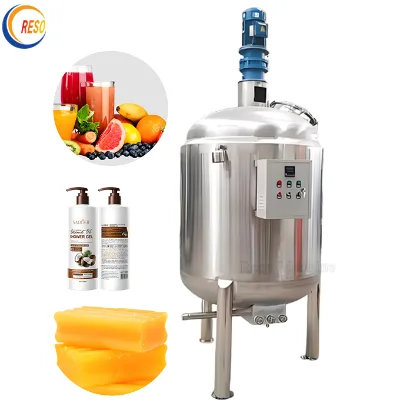


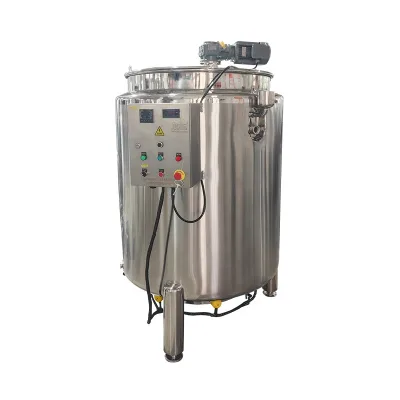


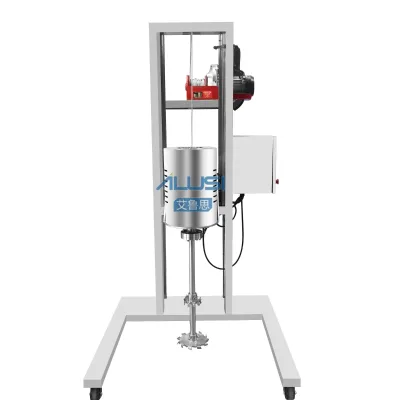

Comprehensive Sourcing Guide
Electrical Powered Agitator Mixing Machine Sourcing Guide
Buyers must first distinguish between electric and gas-powered variants when evaluating available listings, as the core keyword specifies electrical power sources. The observed market data confirms that while many units operate on electricity, some listings explicitly cite gas as the power source, creating a critical selection point for facilities with specific utility constraints. Procurement teams should verify the power source attribute on every product page to ensure the machine aligns with the plant's energy infrastructure before proceeding with technical deep dives.
The observed product range includes models with capacities spanning from 500 liters per hour to 10,000 liters per hour, indicating a wide spectrum of throughput capabilities. This variation suggests that buyers must carefully match the machine's hourly capacity to their specific production volume requirements rather than assuming a standard size. Understanding the distinction between semi-automatic and manual grades is equally vital, as the automation level directly impacts labor costs and operational efficiency in the target facility.
Product Scope and Observed Listing Signals
The market presents a diverse array of mixing tanks and liquid mixers designed for applications ranging from beverage and dairy processing to pharmaceutical and chemical industries. Specific models like the LHMT and STB-Tank demonstrate that the scope covers both specialized agricultural products and general liquid processing needs. Buyers should scrutinize the application field listed for each unit to ensure compatibility with their specific raw materials, such as natural ingredients, forest products, or animal raw materials, which are explicitly mentioned in the available data.
Pricing signals in the current market range significantly from approximately 60.58 USD to 50,000 USD, reflecting the vast differences in capacity, material grade, and customization levels. This wide variance necessitates a clear definition of budget constraints and performance expectations before engaging with suppliers. The minimum order quantity (MOQ) is observed to be low, typically between one and three units, which allows for flexible procurement strategies but requires careful evaluation of unit economics for smaller orders.
Technical Specifications to Verify
Verification of the motor type and speed control mechanisms is essential for ensuring the machine meets specific process requirements. While some listings indicate a pneumatic motor, others specify electric power sources with variable speed control ranging from 60 RPM to over 3000 RPM. Buyers must confirm the exact speed range and stirring type, such as forced stirring or paddle technology, to guarantee that the agitation intensity matches the viscosity and mixing characteristics of their specific product batch.
Material construction and configuration details are equally critical for long-term operational reliability and product purity. The observed data highlights the use of SS304 and SS316L stainless steel, which are standard for food and pharmaceutical applications, alongside side-mounted agitator configurations. Procurement teams should verify the specific model number, such as SK100 or STB-Tank, and confirm the packing method, which is typically a seaworthy wooden box or container, to ensure safe transit and proper installation upon arrival.
Compliance and Safety Documentation
Certification status varies across the market, with some units listing ISOCE, ISO, and CE marks, while others indicate customized certification options. Buyers must request and validate the specific certification documents for each unit to ensure they meet the regulatory requirements of their destination country and industry sector. The presence of a CE mark is a common indicator of compliance with European safety standards, but the absence of a specific standard number in the listing requires direct inquiry to the supplier for clarification.
Safety and operational documentation should include detailed information on the machine's condition, which is predominantly listed as new, and the availability of after-sales support. Buyers should verify that the supplier provides online support and video technical assistance to address any operational issues that may arise during the initial setup phase. Ensuring that the machine is delivered with comprehensive manuals and safety guidelines is a prerequisite for maintaining a safe working environment and adhering to industry best practices.
Cost Drivers and Commercial Terms
The final cost of an Electrical Powered Agitator Mixing Machine is heavily influenced by the degree of customization and the specific material grade selected. Listings show that customization is available for many models, allowing for tailored solutions, but this often comes with a premium price point compared to non-customized units. Buyers should clearly define their customization needs, such as specific capacity or motor power, to avoid unexpected cost escalations during the negotiation phase.
Commercial terms regarding packing and origin also play a significant role in the total landed cost. Most units originate from China, with specific hubs in Shanghai and Jiangsu, and are packed in wooden cases or containers to ensure seaworthy transport. The observed power consumption, such as 90 kW for certain models, directly impacts operational expenses, making it essential for buyers to calculate the total cost of ownership, including energy usage, alongside the initial purchase price.
Supplier Qualification and Quality Control
Supplier qualification should focus on verifying the origin and the specific manufacturing capabilities of the vendor. The data indicates that products originate from regions like Jiangsu and Shanghai, which are known industrial hubs, but buyers must confirm the specific factory location to assess logistical feasibility and potential supply chain risks. Establishing a direct line of communication with the manufacturer is crucial to verify their ability to meet the required production standards and delivery timelines.
Quality control measures must be explicitly defined in the purchase agreement, particularly regarding the condition of the equipment and the testing procedures used. Since the observed listings describe the machines as new, buyers should request pre-shipment inspection reports or third-party verification to confirm that the equipment meets the stated specifications. Ensuring that the supplier adheres to the listed standards, such as the 100-20, 000L capacity range, is vital for maintaining the integrity of the production process.
Long-Term Procurement Checks
Long-term procurement success depends on the availability of reliable after-sales service and technical support. The observed market offers online support and video technical assistance, which are critical for troubleshooting issues without requiring immediate on-site visits. Buyers should negotiate service level agreements that define response times and the scope of support to ensure minimal downtime during the machine's operational life.
Regular maintenance and the availability of spare parts are also key factors in the long-term viability of the equipment. Buyers must verify the supplier's inventory of replacement parts and their ability to provide timely maintenance services. Establishing a clear maintenance schedule and ensuring that the machine's components, such as the agitator and motor, are easily accessible for inspection will help extend the operational lifespan of the mixing machine and protect the initial investment.
FAQs
What materials are used for electrical powered agitator mixing machines?
These machines are typically constructed from SS304 or SS316L stainless steel to ensure durability and hygiene. The main material is often specified as stainless steel, making them suitable for food, dairy, and chemical applications. This material choice supports easy cleaning and resistance to corrosion in various industrial processing environments.
Can electrical powered agitator mixing machines be customized?
Yes, customization is available for many models, allowing buyers to specify unique requirements. Some units are fully customized, while others may be non-customized standard models. Buyers can often adjust specifications like capacity, which ranges from 100-20,000L, to fit specific production needs and facility layouts effectively.
What certifications do electrical powered agitator mixing machines have?
Common certifications include ISO, CE, and ISOCE, ensuring compliance with international safety and quality standards. Some specialized units may carry ISOCustomized certifications. These credentials verify that the equipment meets rigorous manufacturing protocols, providing buyers with confidence in the machine's reliability and operational safety for global trade.
What is the power source for these mixing machines?
While some units use gas, many electrical powered agitator mixing machines operate using electric power sources. Specific models may feature high-speed motors with variable speed control, ranging from 60 R/min upwards. This electric drive ensures precise agitation control for diverse applications including beverages, ice cream, and pet food processing.
What is the typical capacity range for these tanks?
Capacity varies significantly, with standards ranging from 100-20,000L depending on the model. Production capacities can range from 500L/H to 10,000L/H. Buyers should select a model like the LHMT or STB-Tank based on their specific throughput requirements and the volume of material being processed in their facility.
Where are these mixing machines typically manufactured?
These machines are primarily manufactured in China, with origins in regions like Shanghai and Jiangsu. Buyers can source from various factories in these areas. The products are packed in wooden cases or containers for seaworthy shipping, ensuring safe transport to international destinations while maintaining product integrity during transit.