Source Low Speed Chemical Adhesive Extruder for Pipe, Granules, Pelletizing
Find and compare 30 Low Speed Chemical Adhesive Extruder models from Jiangsu, China. These machines process PA and PC materials with outputs ranging from 20 to 3500 kg/h, featuring twin-screw designs and PLC automation for reliable granulating and pelletizing operations.
Updated
Key considerations
Products List
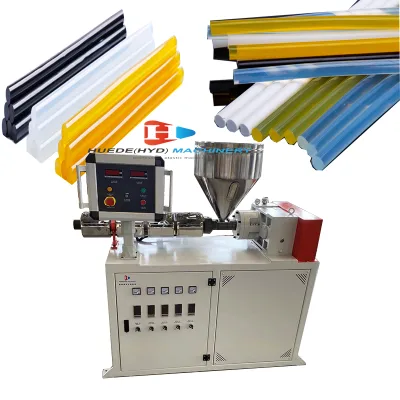


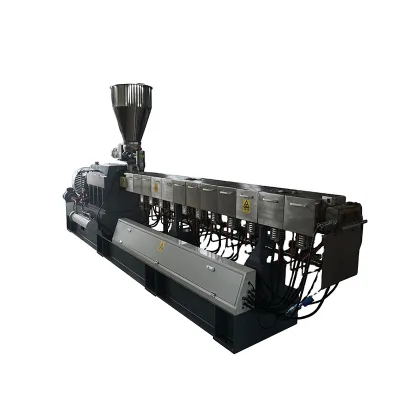
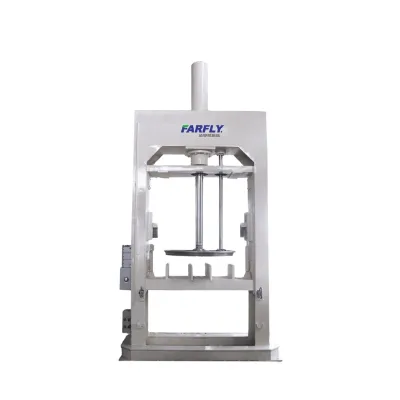


Reliable Hot-Melt Adhesive Extruder for Enhanced Production Efficiency
$7799.00 - $8399.00
MOQ: 1 Sets

Versatile Hot-Melt Adhesive Extruder with Silicone Dispensing Features
$7799.00 - $8399.00
MOQ: 1 Sets


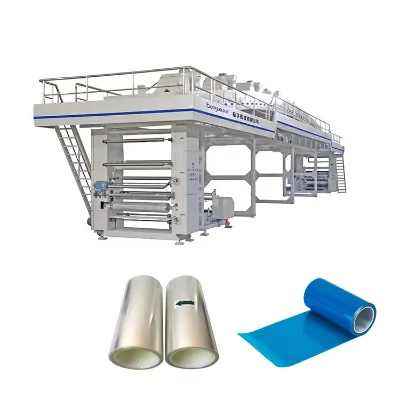
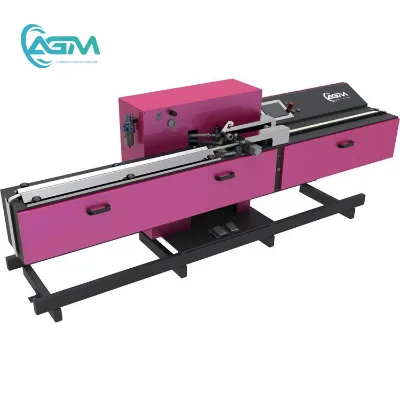


Jwell Electric Driven Type Silicone Adhesive Hot Melt Glue Compounding Extruder
$30000.00 - $130000.00
MOQ: 1 Pieces
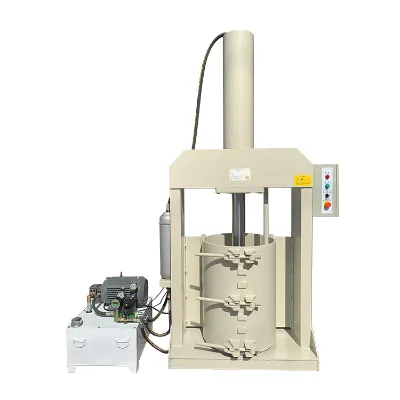


Small Narrow Butyl Rubber Adhesive Tape Extruder with Hot Melt Coating and Laminator
$10000.00 - $70000.00
MOQ: 1 Pieces

Compact Narrow Width Butyl Adhesive Strip Extruder with Automatic Coating and Lamination System
$10000.00 - $70000.00
MOQ: 1 Pieces

Fully Automatic Butyl Adhesive Tape Small Extruder with Coating Laminator
$10000.00 - $70000.00
MOQ: 1 Pieces
Comprehensive Sourcing Guide
Low Speed Chemical Adhesive Extruder Sourcing Guide
Procurement professionals evaluating low-speed chemical adhesive extruders must first distinguish between single-screw and twin-screw configurations based on specific material rheology. The observed market data indicates that while some units operate at 90 rpm for gentle processing, others reach 900 rpm, suggesting a wide variance in intended throughput and shear rates. Buyers should verify if the advertised low-speed capability aligns with the specific viscosity of the adhesive polymers being processed, as high-speed variants may degrade sensitive chemical formulations.
The application scope for these machines extends beyond simple extrusion to include granulation and pelletizing, which are critical for downstream adhesive manufacturing. Evidence suggests that models are available for processing specific engineering plastics like PA and PC, which are often used in high-performance adhesive systems. Sourcing teams must ensure the selected machine's feeding mode, whether single or multiple feed, matches the physical state of the raw adhesive materials to prevent bridging or inconsistent melting during the initial stages of production.
Product Scope and Observed Listing Signals
When analyzing product listings, buyers should note that observed output capacities range significantly, from 20 to 50 kg/h for smaller units up to 2500-3500 kg/h for heavy-duty industrial models. This disparity highlights the importance of matching the machine's output rating to the actual production volume requirements of the facility. A unit with a 15 kW motor may suffice for pilot runs, whereas a 315 kW system is necessary for continuous high-volume manufacturing of chemical adhesives.
Listing signals also reveal diverse dimensional footprints, with some compact units measuring 2200x800x1700 mm while others weigh around 13,000 kg. These physical constraints directly impact factory floor planning and utility infrastructure requirements. Procurement specialists must verify the exact dimensions and weight of the specific model before ordering to ensure the facility can accommodate the machinery and support the necessary power and cooling loads without requiring costly structural modifications.
Technical Specifications to Verify
The screw design and L/D ratio are critical parameters that determine the mixing efficiency and residence time of the adhesive material within the barrel. Available data shows screw L/D ratios ranging from 20:1 to 68:1, with screw diameters typically between 50 mm and 52 mm. Buyers must confirm that the specific L/D ratio of the selected unit provides sufficient shear and mixing for the target adhesive chemistry, as an incorrect ratio can lead to poor homogeneity or thermal degradation of the product.
Voltage and automation levels also require strict verification to ensure compatibility with existing plant infrastructure. While some units support multiple voltage inputs including 380V, 220V, and 440V, others are fixed to specific standards. Additionally, the presence of PLC control systems and computerized interfaces is common, but the specific level of automation and the availability of customization options must be confirmed to ensure the machine integrates seamlessly with the facility's existing control architecture and production workflows.
Compliance and Safety Documentation
Safety and regulatory compliance are paramount when sourcing industrial extrusion equipment for chemical processing. The observed market data indicates that many units carry CE certification, and some advanced models also hold ISO and GMP certifications. Buyers should explicitly request current certification documents for the specific serial number of the machine being purchased, as these certifications validate that the equipment meets international safety and quality standards for operation in regulated environments.
Beyond general certifications, the availability of machinery test reports is a crucial verification step for ensuring operational reliability. These reports provide empirical evidence of the machine's performance under load, including screw speed stability and output consistency. Procurement teams must insist on reviewing these test reports before finalizing a purchase to confirm that the equipment has been rigorously tested and meets the specified performance criteria for continuous chemical adhesive production.
Cost Drivers and Commercial Terms
The total cost of ownership is heavily influenced by the power consumption and the complexity of the screw design. Units with higher power ratings, such as the 315 kW models, will incur significantly higher energy costs compared to 15 kW variants. Buyers should calculate the long-term energy expenses based on the specific power requirements of the machine and the expected operating hours to determine the true economic viability of the investment beyond the initial purchase price.
Commercial terms regarding packaging and shipping also vary and can impact the final landed cost. Observed packaging details include PE wrapping or non-fumigation wooden cases, which may affect customs clearance procedures and insurance premiums. Additionally, the selling units are typically listed as single items, meaning the price quoted is for the complete machine. Buyers must clarify if installation, commissioning, and training are included in the base price or if these services are billed separately to avoid unexpected budget overruns.
Supplier Qualification and Quality Control
Supplier qualification should focus on the manufacturer's ability to provide comprehensive after-sales support and warranty coverage. The standard warranty period observed in the market is one year, which covers core components like the PLC and screw assembly. Buyers must negotiate the specific terms of this warranty to ensure it includes on-site service and the availability of spare parts, particularly for critical components like the 38CrMoALA screws which are essential for the machine's longevity.
Quality control processes must be verified through the supplier's production and testing protocols. The presence of an integral type extruder assembly structure suggests a robust build, but buyers should request details on the quality assurance procedures used during manufacturing. Ensuring that the supplier adheres to strict quality control measures, potentially backed by ISO certifications, is essential to minimize the risk of receiving a unit with latent defects that could disrupt chemical adhesive production lines.
Long-Term Procurement Checks
Sustainability and maintenance requirements are key factors for long-term procurement planning. The deep screw channel structure and specific screw designs observed indicate that these machines are built for specific material handling characteristics. Buyers should assess the maintenance schedule required for the screw and barrel assembly, as the wear rate of the 38CrMoALA material will directly impact the frequency of downtime and the cost of replacement parts over the machine's lifecycle.
Future scalability and customization potential should also be evaluated to ensure the equipment remains relevant as production needs evolve. The availability of customization options allows for modifications to the screw design or feeding mechanisms to adapt to new adhesive formulations. Procurement teams should verify the supplier's capacity to support these upgrades and ensure that the machine's modular design allows for easy integration of new technologies or process improvements without requiring a complete system replacement.
FAQs
What is the typical screw speed for a Low Speed Chemical Adhesive Extruder?
The typical screw speed for this equipment is 90 rpm. This low rotational velocity ensures precise material handling and consistent output for sensitive chemical adhesives. The machine features a single-screw design with a 28:1 L/D ratio, optimizing mixing efficiency while maintaining stable processing conditions for various polymer types.
Which certifications are required for these extrusion machines?
These extrusion machines typically hold CE certification, ensuring compliance with European safety standards. Some models also feature ISO and GMP certifications, which are critical for industries requiring strict quality control. Buyers should verify specific documentation, as machinery test reports are provided to confirm operational reliability and adherence to international manufacturing norms.
What is the power consumption of a standard model?
Standard models generally consume 15 kW of power, suitable for smaller scale operations. Higher capacity variants may require up to 315 kW to achieve outputs between 2500 and 3500 kg/h. The voltage options include 380V, 220V, and 440V, allowing flexibility for different industrial electrical infrastructure setups across various global markets.
Can the machine be customized for specific adhesive formulations?
Yes, customization is available to meet specific adhesive formulation requirements. The equipment supports multiple feeding modes and features deep screw channel structures for enhanced material flow. Buyers can request tailored specifications, including specific screw diameters and L/D ratios, to ensure optimal performance for unique chemical compositions and desired granule or pellet outputs.
What is the packaging method for shipping these machines?
Machines are packaged using PE wrapping or non-fumigation wooden cases to protect against moisture and physical damage during transit. For larger units, container shipping is utilized to ensure secure transport. This robust packaging strategy safeguards the integral type extruder assembly, preserving the precision of the 38CrMoALA screw material and other core components during international logistics.