Source Electroplated PET Cosmetic Bottle for Medicine, Cosmetics, and Chemical
Compare 30 listings for Electroplated PET Cosmetic Bottle options suitable for medicine, cosmetics, and chemical applications. Buyers can review specifications like volume, material, and customization features to find the right supplier.
Key considerations
Products List


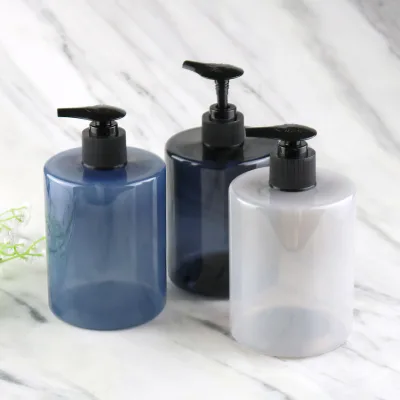
Facial Cleanser Bottle Cosmetic Pet Bottle Skincare Packaging Pet Bottle
$0.19 - $0.21
MOQ: 10000 Pieces

150ml Facial Cleanser Bottle Cosmetic Pet Bottle Skincare Packaging Pet Bottle
$0.19 - $0.21
MOQ: 10000 Pieces




Comprehensive Sourcing Guide
Electroplated PET Cosmetic Bottle Sourcing Guide
Sourcing electroplated PET cosmetic bottles requires a nuanced understanding of material compatibility, as standard PET (polyethylene terephthalate) does not readily accept traditional electroplating processes without specialized surface treatments. Buyers must distinguish between true electroplated finishes and alternative decorative methods such as vacuum metallization or water-transfer printing, which are more common for PET substrates. The procurement strategy should focus on verifying the supplier’s ability to maintain the structural integrity of the PET container while achieving the desired metallic aesthetic, ensuring that the decorative layer does not compromise the bottle’s barrier properties or chemical resistance.
This guide provides a structured approach to evaluating suppliers, interpreting technical specifications, and managing commercial risks associated with these high-end packaging solutions. By aligning procurement decisions with verified manufacturing capabilities and regulatory requirements, buyers can secure packaging that meets both aesthetic branding goals and functional performance standards. The following sections detail the critical verification steps, compliance considerations, and quality control measures necessary for successful sourcing.
Product Scope and Observed Listing Signals
The observed market signals indicate a diverse range of packaging solutions, with materials primarily identified as plastic, including specific mentions of PP (polypropylene) and general plastic classifications. While the core keyword specifies PET, the available data highlights that suppliers often offer a mix of materials, with PP being explicitly noted for its injection molding capabilities and suitability for screw sprayers. Buyers should carefully cross-reference material claims, as some listings may use "plastic" as a broad category while specifying PP for certain components like caps or sprayers, which are critical for the final assembly of cosmetic bottles.
Volume and shape variations are significant, with observed standards ranging from small capacities like 2ml to 5ml up to larger volumes of 50ml to 1200ml. The shape is predominantly round, with specific dimensions noted for 100ml bottles, such as 116mm height by 50mm diameter. These variations suggest that suppliers cater to a wide array of cosmetic applications, from small sample vials to full-sized personal care products. Buyers must verify that the specific electroplated finish is available for their required volume and shape, as decorative processes may have different feasibility thresholds depending on the container’s geometry and surface area.
Technical Specifications to Verify
Technical verification must begin with the bottle’s neck finish and closure compatibility, as the electroplated surface can affect the sealing integrity of screw caps or pump sprayers. The observed data highlights narrow mouth bottles and internal threaded connections, which are common in personal care and pharmaceutical packaging. Buyers should confirm that the electroplating process does not alter the thread dimensions or create burrs that could compromise the seal, leading to leakage or contamination. Additionally, the spraying shape and type, such as liquid column sprayers, must be compatible with the bottle’s neck finish to ensure proper functionality.
The weight and wall thickness of the bottles are critical indicators of quality and material usage, with observed weights ranging from 10g to 80g or customized options. Thicker walls may provide better stability for heavy metallic finishes but can increase material costs and environmental impact. Buyers should request detailed weight specifications for their target volume to ensure consistency across production batches. Furthermore, the customization options for color and design should be clearly defined, as electroplated finishes often require specific base colors or surface preparations to achieve the desired metallic effect, such as gold, silver, or chrome.
Compliance and Safety Documentation
Compliance with food and cosmetic contact regulations is paramount, especially when the electroplated layer is in proximity to the product. While specific certifications like CE and RoHS are mentioned in the background data, buyers must verify that these apply to the final assembled product, including the plastic bottle, electroplated finish, and any internal liners or closures. The observed usage categories include medicine, chemical, cosmetics, and personal care products, each of which may have distinct regulatory requirements regarding heavy metal migration and chemical leaching from the decorative layer.
Buyers should request material safety data sheets (MSDS) and migration test results for the electroplated components to ensure they meet international standards for cosmetic packaging. The observed feature of "degradable" materials suggests an interest in sustainability, but buyers must clarify whether this applies to the PET/PP substrate or the entire assembly, including the metallic finish. Understanding the end-of-life processing of electroplated PET is essential for brands committed to circular economy goals, as the metallic layer can complicate recycling streams if not properly separated or treated.
Cost Drivers and Commercial Terms
Cost drivers for electroplated PET bottles include the complexity of the decorative process, the volume of the order, and the customization level. The observed MOQ ranges from 500 to 50,000 pieces, with a specific mention of 10,000 PCS, indicating that higher volumes may yield better pricing but require significant upfront commitment. Buyers should negotiate tiered pricing structures that reflect the economies of scale in electroplating, where setup costs for color and finish changes can be substantial. Additionally, the lead time of 20-25 days or 10-25 days suggests that production scheduling is a critical factor in managing inventory and cash flow.
Commercial terms such as payment structures, typically 30% deposit and 70% against B/L copy, are standard but should be aligned with the supplier’s reliability and quality track record. The observed daily capacity of 50,000 PCS indicates that suppliers have the infrastructure to handle large orders, but buyers should verify that this capacity is consistent with their specific product requirements. Packaging methods, such as export cartons or paper cartons, also impact logistics costs and should be included in the total landed cost calculation.
Supplier Qualification and Quality Control
Supplier qualification should focus on their technical expertise in electroplating PET or alternative substrates, as well as their quality control processes for decorative finishes. Buyers should request samples to evaluate the adhesion, uniformity, and durability of the electroplated layer, as these factors directly impact the product’s shelf life and consumer perception. The observed OEM service acceptance indicates that suppliers are willing to customize designs, but buyers must ensure that the supplier has the necessary tooling and process control to maintain consistency across large production runs.
Quality control measures should include regular inspections of the electroplated surface for defects such as peeling, discoloration, or uneven coating. Buyers should establish clear acceptance criteria for these defects and implement a robust sampling plan for incoming goods. The observed production models, such as PBottle230517-2, suggest that suppliers have standardized product lines, but buyers should verify that these models can be adapted to their specific aesthetic and functional requirements without compromising quality.
Long-Term Procurement Checks
Long-term procurement success depends on the supplier’s ability to maintain consistent quality and adapt to changing market trends. Buyers should conduct periodic audits of the supplier’s production facilities to ensure that their electroplating processes remain compliant with environmental and safety regulations. The observed customization options for color and design suggest that suppliers are responsive to market demands, but buyers must ensure that these changes do not introduce new risks or costs.
Building a strong relationship with the supplier through regular communication and collaborative planning can help mitigate supply chain disruptions and ensure timely delivery. Buyers should also monitor the supplier’s innovation capabilities, as advancements in electroplating technology may offer new opportunities for cost reduction or aesthetic enhancement. By staying informed about industry developments and maintaining a flexible procurement strategy, buyers can secure a reliable supply of high-quality electroplated PET cosmetic bottles that meet their brand’s evolving needs.
FAQs
What materials are used for these cosmetic bottles?
These bottles are primarily made from plastic, specifically PP material. The product attributes confirm the use of plastic and PP for manufacturing, ensuring durability and suitability for various cosmetic applications.
Can I request custom colors for the bottles?
Yes, customization is available for the bottle colors. The product facts explicitly state that color customization is an option, allowing buyers to match specific branding requirements for their cosmetic products.
What is the minimum order quantity for these bottles?
The minimum order quantity is 10,000 pieces. This value is a high-confidence fact listed in the product attributes, setting a clear threshold for bulk purchasing requirements from the supplier.
How long does it take to deliver the order?
The delivery time ranges from 10 to 25 days depending on the specific order details. Some product entries indicate a lead time of 20 to 25 days, while others specify a delivery time of 25 days.
Are samples available for testing before bulk order?
Free samples are available for potential buyers to test the product quality. The product attributes clearly list samples as free, facilitating pre-order evaluation without additional cost for the buyer.
What volume capacities are offered for these bottles?
The bottles come in various volumes ranging from 10ml to 1200ml. Specific standards include sizes like 30ml, 50ml, and ranges such as 60ml to 500ml, catering to different cosmetic packaging needs.
What sealing type is used for these cosmetic bottles?
The bottles utilize a pump sprayer sealing type. This feature is explicitly mentioned in the product attributes, ensuring secure containment and controlled dispensing for liquids like cosmetics and personal care products.