Source Elegant Embroidered Islamic Abaya for Daily Wear and Prayer
Find 30 options for an Elegant Embroidered Islamic Abaya suitable for daily wear, prayer, and commuting. Compare features like polyester blends, turtleneck styles, and customization services to find the right fit for your needs.
Key considerations
Products List


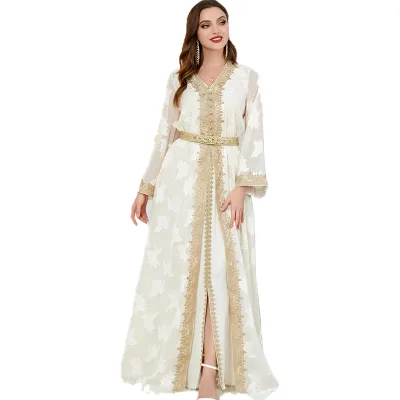


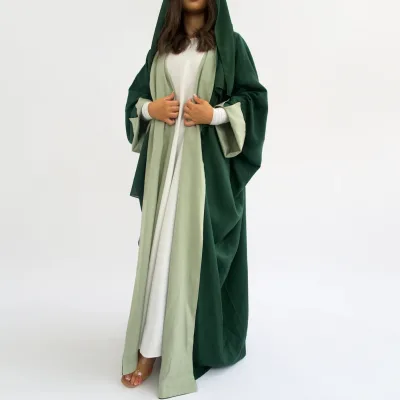

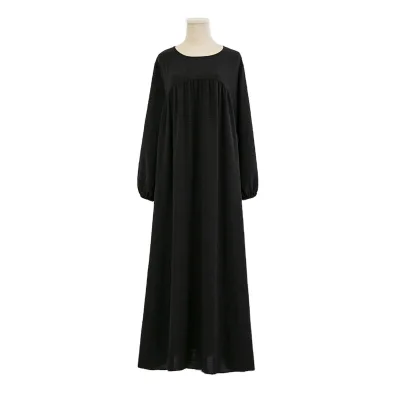
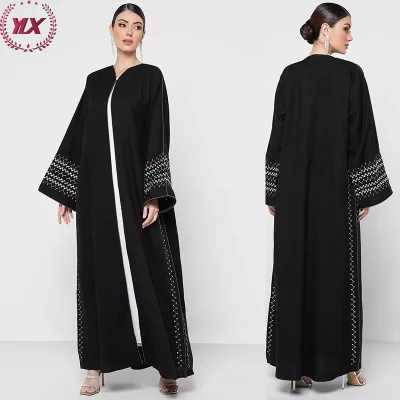
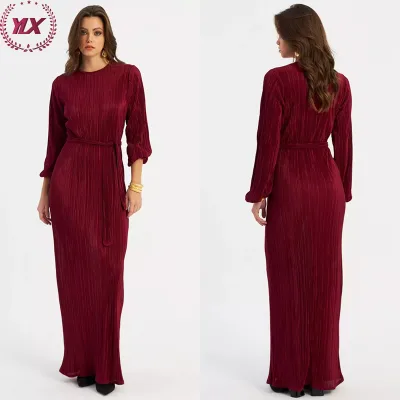
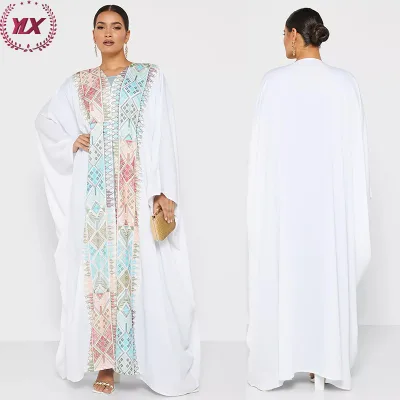
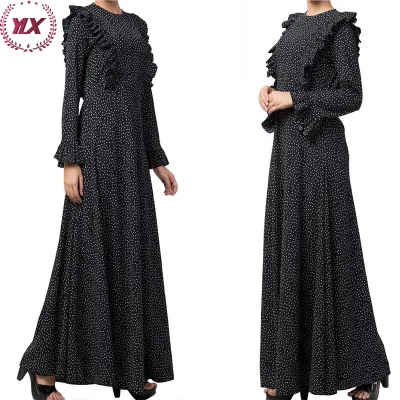
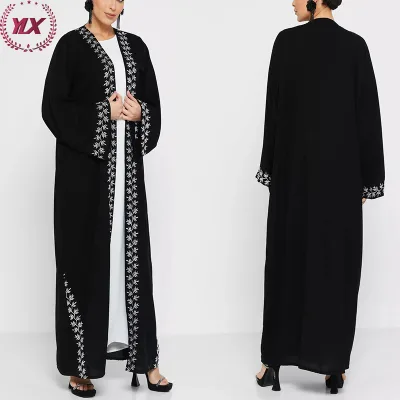
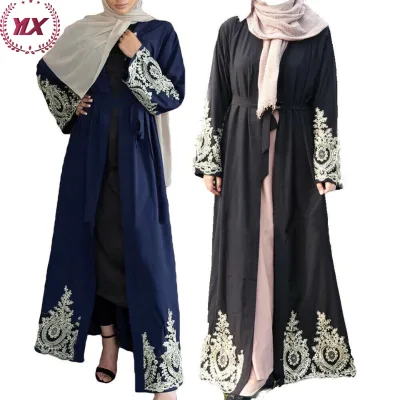
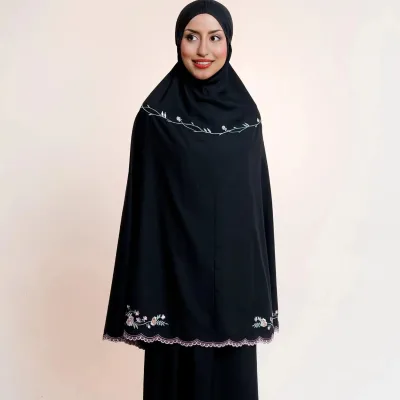
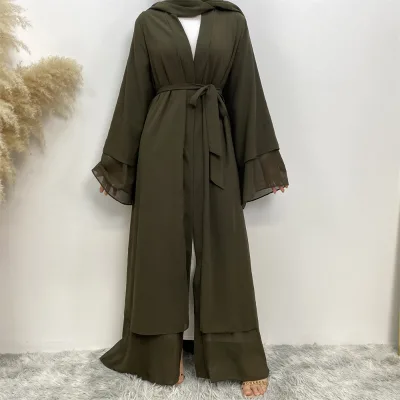
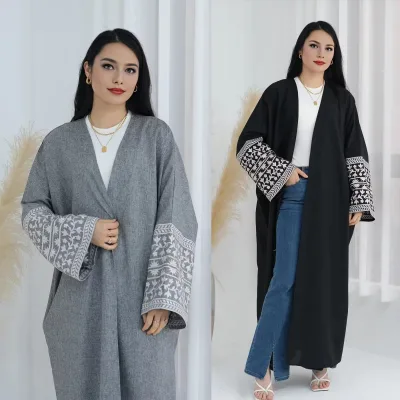

Newest Abaya Muslim Custom Clothing Stylish Large Moderate Embroidery Abaya
$13.30 - $14.00
MOQ: 10 Pieces

New Arrival High Quality Fabric Embroidery Abaya Elegant Muslim Dress Modest Abaya
$13.50 - $16.00
MOQ: 10 Pieces


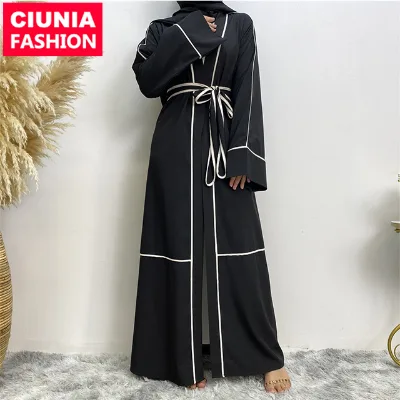
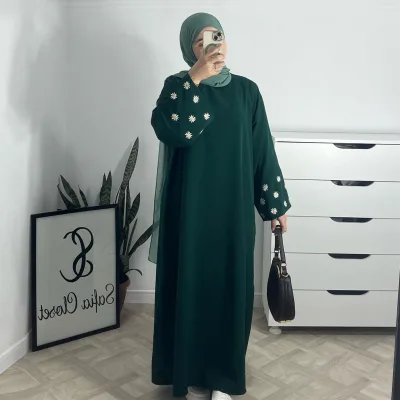
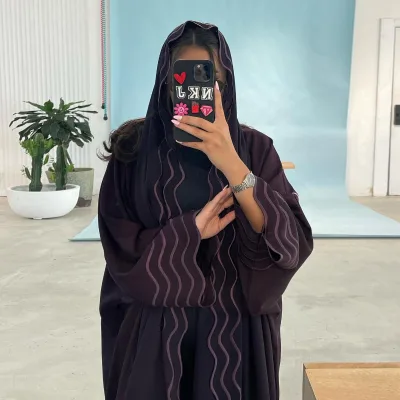
Comprehensive Sourcing Guide
Elegant Embroidered Islamic Abaya Sourcing Guide
Sourcing high-quality embroidered Islamic abayas requires a nuanced understanding of both aesthetic preferences and functional garment construction. The modern market for these garments has evolved beyond simple modest wear into a sophisticated segment where elegance, fabric performance, and intricate detailing converge. Buyers must navigate a landscape where "elegant" is subjective, often defined by the precision of embroidery, the drape of the fabric, and the silhouette’s ability to flatter diverse body types. This guide provides a structured approach to identifying reliable suppliers, verifying technical specifications, and ensuring that the final product meets both religious modesty standards and contemporary fashion expectations.
The procurement process for abayas involves balancing traditional cultural requirements with modern manufacturing capabilities. Key attributes such as sleeve length, collar style, and waist definition play critical roles in determining the garment’s suitability for various occasions, from daily wear to formal prayer settings. By focusing on verified product signals and establishing clear quality benchmarks, buyers can mitigate the risks associated with cross-border sourcing. This document outlines the essential steps for evaluating suppliers, interpreting technical data, and negotiating commercial terms to secure a consistent supply of premium embroidered abayas.
Product Scope and Observed Listing Signals
The current market for elegant embroidered abayas exhibits a wide range of stylistic variations, catering to diverse consumer preferences within the Islamic fashion sector. Observed listings indicate a strong presence of designs featuring rope embroidery, lace elements, and plain patterns, suggesting that buyers have multiple aesthetic directions to explore. The material composition is predominantly polyester, often blended with spandex to provide elasticity and comfort. This combination allows for garments that are breathable and lightweight, yet durable enough for frequent wear. The presence of features such as anti-pilling, anti-shrink, and four-way stretch properties highlights the industry’s shift toward functional fabrics that maintain their appearance and fit over time.
Silhouette and fit are equally critical in defining the elegance of an abaya. Listings reveal a variety of styles, including kaftan cuts, abaya designs with large swing skirts, and garments with high-waist or full-waist definitions. These structural differences significantly impact the garment’s drape and movement. For instance, a large swing type skirt offers a flowing, graceful appearance, while a high-waist design may provide a more structured and tailored look. Additionally, sleeve styles range from long sleeves to trumpet sleeves, allowing buyers to select designs that align with specific modesty requirements or fashion trends. The inclusion of turtleneck collars and pullover fronts further diversifies the options available, ensuring that buyers can find garments that suit both practical needs and aesthetic preferences.
Technical Specifications to Verify
When evaluating potential suppliers, it is essential to verify the technical specifications that define the garment’s quality and construction. The model numbers, such as JK031, JK023, and AB036, serve as unique identifiers for specific designs, allowing buyers to track consistency across orders. Buyers should request detailed size charts and fabric composition reports to ensure that the materials meet their quality standards. For example, a main fabric composition of polyester with spandex should be confirmed, along with the percentage of each material, to assess the garment’s stretch and recovery properties. Additionally, the single gross weight of the product, often around 0.800 kg, can provide insights into the fabric’s density and overall quality.
Packaging and labeling are also critical technical aspects that require verification. The standard packaging for these garments often includes PP bags or plastic boxes, depending on the supplier’s capabilities and the buyer’s requirements. Buyers should confirm the single package size, which is typically around 30x40x5 cm, to calculate shipping costs and storage requirements accurately. Furthermore, the presence of needle detection services is a crucial quality control measure that ensures the safety of the final product. Buyers should insist on proof of needle detection to prevent any metal fragments from remaining in the garments, which could pose a safety risk to consumers.
Compliance and Safety Documentation
Compliance with safety and quality standards is non-negotiable when sourcing garments for international markets. Buyers must ensure that suppliers adhere to relevant regulations regarding textile safety, including restrictions on harmful substances and flammability standards. While specific certification statuses may vary by supplier, buyers should request documentation that proves compliance with international safety standards. This includes verifying that the fabrics and dyes used in the production process are free from hazardous chemicals that could cause skin irritation or other health issues.
In addition to chemical safety, buyers should verify the supplier’s adherence to labor standards and ethical manufacturing practices. This involves reviewing the supplier’s social compliance certifications, such as SA8000 or BSCI, which demonstrate a commitment to fair labor practices. Buyers should also inquire about the supplier’s quality management systems, such as ISO 9001, which indicate a structured approach to maintaining consistent product quality. By prioritizing suppliers with robust compliance frameworks, buyers can mitigate reputational risks and ensure that their products meet the ethical expectations of their customers.
Cost Drivers and Commercial Terms
The cost of elegant embroidered abayas is influenced by several factors, including material quality, embroidery complexity, and order volume. The observed price range of $6.7 to $41.11 USD reflects the diversity in design and production methods. Buyers should understand that higher prices often correlate with more intricate embroidery, premium fabrics, and additional features such as lace detailing or custom branding. It is essential to request detailed cost breakdowns from suppliers to identify the specific components that drive the final price. This transparency allows buyers to make informed decisions about where to allocate their budget for maximum value.
Minimum Order Quantities (MOQs) and lead times are critical commercial terms that impact procurement planning. The observed MOQ range of 1 to 500 pieces offers flexibility for buyers with varying order sizes. However, buyers should negotiate MOQs based on their sales forecasts and inventory management strategies. Additionally, lead times, such as the 7-day sample order lead time mentioned in some listings, are crucial for managing product launches and restocking cycles. Buyers should establish clear agreements on production timelines and penalty clauses for delays to ensure timely delivery of their orders.
Supplier Qualification and Quality Control
Selecting the right supplier is paramount to ensuring the quality and consistency of elegant embroidered abayas. Buyers should conduct thorough due diligence on potential suppliers, including verifying their business licenses, production capacity, and past performance. Suppliers offering OEM services, such as the brand "runde," demonstrate the ability to customize products according to specific buyer requirements. Buyers should assess the supplier’s design capabilities and their willingness to collaborate on unique patterns and styles. This collaborative approach can lead to the development of exclusive products that differentiate the buyer’s offerings in the market.
Quality control processes must be rigorously enforced throughout the production cycle. Buyers should implement pre-production, in-line, and final inspections to identify and rectify any defects before shipment. The presence of features such as needle detection and anti-pilling treatments should be verified during these inspections. Additionally, buyers should request sample approvals before mass production begins to ensure that the final product meets their quality standards. Establishing a clear communication channel with the supplier for addressing quality issues is essential for maintaining long-term partnerships and ensuring consistent product quality.
Long-Term Procurement Checks
Sourcing elegant embroidered abayas is an ongoing process that requires continuous monitoring and evaluation. Buyers should regularly review supplier performance metrics, including on-time delivery rates, product quality consistency, and responsiveness to issues. Establishing key performance indicators (KPIs) for suppliers helps in objectively assessing their contributions to the procurement process. Buyers should also stay updated on market trends and consumer preferences to ensure that their product offerings remain relevant and competitive. This proactive approach allows buyers to adapt to changes in the market and maintain a strong position in the Islamic fashion sector.
Building long-term relationships with reliable suppliers is crucial for securing a stable supply chain. Buyers should invest in relationship management by providing regular feedback, sharing market insights, and collaborating on product development. This collaborative approach fosters trust and encourages suppliers to prioritize the buyer’s orders. Additionally, buyers should diversify their supplier base to mitigate risks associated with single-source dependencies. By maintaining a network of qualified suppliers, buyers can ensure continuity of supply and flexibility in responding to market demands.
FAQs
What is the minimum order quantity for this abaya
The minimum order quantity is one piece. This low threshold allows buyers to test product quality and fit before committing to larger bulk orders. It is suitable for small businesses or individual buyers who need limited quantities for initial market testing.
What material is used for the embroidered abaya
The abaya is made from polyester fabric. This material is chosen for its durability and ease of care. It supports the embroidery details while maintaining the garment's shape and structure during daily wear and washing.
Can I customize the design of the abaya
Yes, customization is available for this product. Buyers can request specific modifications to suit their brand or customer preferences. This includes adjustments to patterns or details, subject to the supplier's production capabilities and agreed specifications.
What is the lead time for sample orders
Sample orders have a lead time of seven days. This allows buyers to verify the quality, embroidery, and fit of the abaya before placing a full production order. It is a standard timeframe for preparing and shipping physical samples.
What is the packaging for the abaya
The abaya is packed in a PP bag. This packaging type is lightweight and cost-effective for shipping. It provides basic protection for the garment during transit while keeping the overall package size and weight manageable for logistics.
What are the key features of this abaya
The abaya features anti-pilling, anti-shrink, and anti-static properties. It is also breathable and lightweight, making it comfortable for daily wear. These features ensure the garment maintains its appearance and functionality over time.
What is the origin of the abaya
The abaya originates from Guangdong, China. This location is a major hub for textile and garment manufacturing. Sourcing from this region often provides access to established supply chains and competitive pricing for bulk orders.