Source Elegant Empty Cosmetic Jar for Cream, Lotion, and Powder
Explore 30 listings for an Elegant Empty Cosmetic Jar suitable for creams, lotions, and powders. Buyers can compare customization options, sealing types, and delivery times across suppliers offering ISO-certified plastic and glass packaging.
Key considerations
Products List


Empty 50g Green Jar Cosmetic Packaging Ceramic Cream Jar for Wholesale
$0.15 - $1.55
MOQ: 10000 Pieces

Factory Price Custom Color Empty Face Cream Jar Cosmetic Container Cream Jars
$0.25 - $0.56
MOQ: 10000 Pieces


Wholesale Empty Cosmetic Jar Cosmetics Containers and Packaging, Cream Jar
$0.03 - $0.27
MOQ: 10000 Pieces

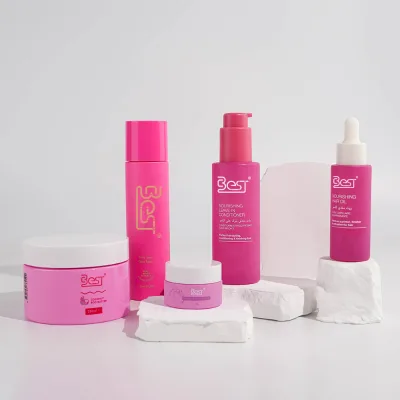
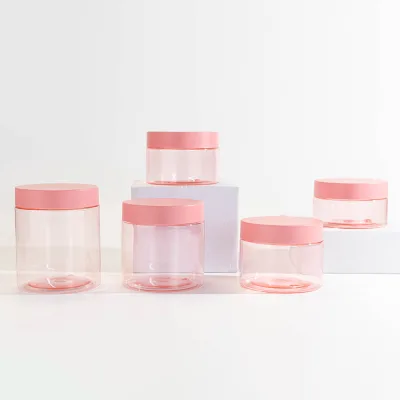
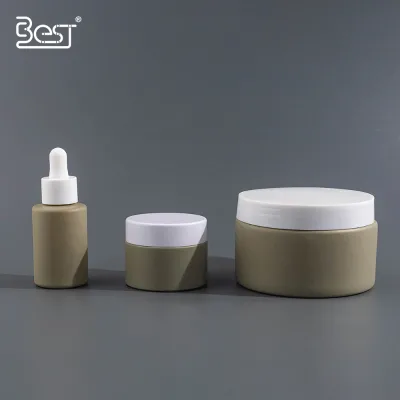
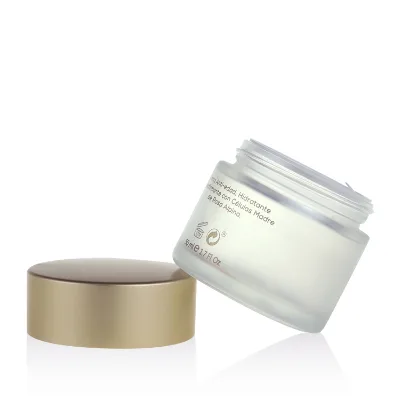


Custom Cosmetic Jar Small Cosmetic Jar Empty Jars for Lotion and Creams
$0.18 - $0.18
MOQ: 10000 Pieces


Comprehensive Sourcing Guide
Strategic Sourcing Guide for Elegant Empty Cosmetic Jars
Understanding Product Attributes and Material Selection
When sourcing elegant empty cosmetic jars, the first step involves a rigorous analysis of material composition and physical form. The market offers a diverse range of options, primarily distinguished between plastic and glass constructions. Plastic variants are frequently highlighted for their lightweight nature and versatility, often appearing in small package tank configurations or round bottle shapes. These units are typically designed with screw cap sealing types, providing a secure closure mechanism essential for preserving product integrity. Conversely, glass options present a premium aesthetic, often associated with high-end branding, though they require careful handling regarding weight and fragility during logistics.
The physical geometry of the jar is a critical specification. Observations indicate a strong prevalence of round shapes, which are standard for creams, lotions, and foundations. However, the market also accommodates square and triangular lid shapes, offering design differentiation for brands seeking unique shelf presence. Capacity specifications vary significantly, with common offerings ranging from 30 ml units to custom-sized containers. Buyers must verify if the supplier can accommodate specific volume requirements, as some listings suggest customized sizes are available, while others adhere to standard increments like 5ml, 7ml, or 9ml. The surface treatment of these containers is another area of customization, with options including bright, matte, frosted, or color-coated finishes. This allows for the creation of an "elegant" appearance that aligns with specific brand identities, whether through a sleek matte finish or a vibrant, glossy coating.
Compliance, Certification, and Safety Standards
Navigating the regulatory landscape is paramount when importing cosmetic packaging. The supply chain for these items often involves multiple certification layers to ensure safety and compliance with international trade standards. High-confidence data points to the presence of ISO certifications, which serve as a baseline indicator of quality management systems within the manufacturing facility. Furthermore, specific listings reference a combination of ISO, CE, and CIQ certifications. The CE mark suggests conformity with health, safety, and environmental protection standards for products sold within the European Economic Area, while CIQ indicates compliance with Chinese Inspection, Quarantine, and Customs requirements.
For products intended for sensitive applications, such as those used for chemical storage or food-grade items like tea and spices, additional verification is necessary. Some product attributes highlight "Child-Resistant" features, which are crucial for safety compliance in regions with strict regulations regarding packaging for hazardous or ingestible substances. The sealing type, often a screw cap or screw lid, must be evaluated not just for aesthetics but for its ability to maintain a hermetic seal. This is particularly relevant for products requiring leak-proof and smell-proof characteristics, ensuring that the contents remain uncontaminated during transit and storage. Buyers should explicitly request documentation verifying these certifications for the specific batch of goods being ordered, as certification status can vary between different product lines within the same supplier's catalog.
Cost Drivers and Order Volume Economics
The economics of sourcing elegant cosmetic jars are heavily influenced by order volume, material costs, and customization levels. The Minimum Order Quantity (MOQ) presents a significant variable in budget planning. Data indicates a wide range of entry thresholds, with some suppliers listing MOQs as low as 1,000 pieces, while others require commitments of 3,000, 5,000, or even 10,000 pieces. This variance suggests that smaller buyers may need to consolidate orders or negotiate directly to access lower volume tiers, as the standard "Factory Directly Sale" models often favor larger production runs to maintain cost efficiency.
Pricing structures are similarly dynamic. Observed price ranges in the market can extend from very low entry points up to approximately $1.55 USD per unit, though this is highly dependent on the specific material and finish selected. Glass jars typically command a higher price point than plastic alternatives due to raw material costs and the energy-intensive manufacturing process. Customization acts as a primary cost driver; features such as custom logo printing via silk screen, hot stamping, or decal application, along with custom lid colors (black, white, clear, or green), will increase the unit cost. Additionally, the packaging method, whether standard cartons or specialized protective packaging, impacts the final landed cost. Buyers must weigh the cost of the unit against the potential savings from bulk purchasing, keeping in mind that the "Sample" availability often requires the buyer to cover freight costs, which can be a hidden expense in the initial evaluation phase.
Typical Applications and Functional Versatility
Elegant empty cosmetic jars serve a broad spectrum of applications, extending beyond simple storage to functional requirements dictated by the product's nature. The primary use cases identified include the containment of creams, lotions, foundations, and powders. The "Small Package Tank" classification suggests utility in industrial or bulk chemical storage, while other listings specifically target the personal care sector for items like scrubs, masks, and gummies. The material choice directly correlates with the application; plastic is often preferred for its durability in chemical environments, whereas glass is favored for its inert properties in food and high-end cosmetic applications.
The functional design also addresses specific user needs. The "Child-Resistant" and "Single Wall" closure types indicate suitability for products that require safety features or specific dispensing mechanisms. The "Leak Proof" and "Smell Proof" attributes are critical for products containing volatile compounds or strong fragrances, ensuring that the packaging does not compromise the product's shelf life or the user experience. Furthermore, the versatility of the lid shapes and colors allows these jars to be adapted for various market segments, from dry flowers and spices to premium skincare formulations. The ability to customize the logo and surface treatment enables brands to create a cohesive visual identity across their product lines, making the jar an integral part of the marketing strategy rather than just a container.
Supplier Evaluation and Operational Logistics
Evaluating a supplier for cosmetic jar procurement requires a deep dive into their operational capabilities and logistical reliability. Geographic origin is a key factor, with many suppliers located in regions such as Shandong, China, known for manufacturing clusters. The lead time for production is a critical metric, with observed delivery times ranging from 25 to 35 days. This variance necessitates careful planning to ensure that inventory levels are maintained, especially for brands with seasonal product launches. Buyers should verify the "Delivery Time"承诺 (commitment) against their own production schedules to avoid stockouts.
The customization process is another area requiring close scrutiny. While "Customization" is listed as available, the extent of this service varies. Some suppliers offer "Acceptable Customization" for packaging, while others provide detailed specifications for lid colors, shapes, and logo printing techniques. The "Sample" policy is also a vital indicator of supplier transparency; some offer samples for free with the buyer covering freight, while others require exact sample fees. This distinction affects the initial cost of evaluation. Additionally, the "Advantage" of "Factory Directly Sale" suggests a potential for better pricing, but it also implies that the buyer is dealing directly with the manufacturer, which can streamline communication but may require more direct oversight of quality control processes.
Quality Control and Long-Term Procurement Strategy
Establishing a robust quality control (QC) framework is essential for maintaining brand reputation when sourcing cosmetic jars. The "Disposable" attribute is noted as "No," indicating that these are durable containers intended for repeated use or long-term storage, which requires high standards of structural integrity. Buyers should implement a QC protocol that checks for defects in the sealing mechanism, surface finish consistency, and color accuracy. The "Surface Treatment" options, such as matte or frosted finishes, can be prone to inconsistencies if the manufacturing process is not tightly controlled, leading to visible defects that detract from the "elegant" aesthetic.
For long-term procurement, building a sustainable relationship with the supplier is key. The "Stable Production" advantage suggests that reliable suppliers can maintain consistent output, but this must be verified through regular audits or third-party inspections. The "Customized" standard and "Model" designations (e.g., Model Xt) indicate that suppliers may have specific product lines that offer better value or performance. Buyers should consider the total cost of ownership, including the cost of rework or replacement due to quality issues, rather than just the unit price. Furthermore, the "Eco-Friendly" attribute, where present, aligns with growing consumer demand for sustainable packaging, potentially offering a competitive advantage in the market. By focusing on suppliers who can demonstrate consistent adherence to certifications like ISO and provide transparent lead times, buyers can mitigate risks and ensure a steady supply of high-quality cosmetic jars.
Comparative Analysis of Product Specifications
To facilitate decision-making, the following table summarizes key differentiators observed in the market for elegant empty cosmetic jars. This comparison highlights the variance in specifications that buyers must navigate when selecting a supplier.
| Feature Category | Plastic Variant Observations | Glass Variant Observations |
|---|---|---|
| Primary Material | Plastic | Glass |
| Common Shape | Round Bottle | Round |
| Sealing Type | Screw Cap | Screw Lid |
| Closure Feature | Single Wall | Single Wall, Child-Resistant |
| Typical MOQ | 1,000 to 10,000 PCS | 3,000 to 10,000 PCS |
| Lead Time | 25 to 35 Days | 25 to 35 Days |
| Surface Finish | Matte, Frosted, Color Coating | Customizable, Bright, Matte |
| Certifications | ISO, CE, CIQ | ISO, CE, CIQ |
| Customization | Logo, Lid Color, Shape | Logo, Lid Color, Shape |
This table underscores that while the core functionality remains similar, the choice between plastic and glass significantly impacts the perceived value, cost, and specific application suitability. Buyers must align these technical specifications with their brand positioning and regulatory requirements to make an informed procurement decision.
FAQs
Can I get samples of elegant empty cosmetic jars before ordering?
Samples are available for free, but you must pay the freight charges. Some listings require contacting the supplier for exact sample fees instead of free units. This policy varies by the specific product line and supplier agreement.
What certifications do these elegant empty cosmetic jars typically hold?
High-confidence data indicates ISO certification is standard for these products. Some listings also include CE and CIQ certifications to ensure compliance with international safety and inspection standards. Always verify specific batch documentation.
Which material options are available for elegant empty cosmetic jars?
Both plastic and glass materials are available for these containers. Plastic variants are often lightweight and suitable for chemical use, while glass offers a premium aesthetic. The choice depends on your specific product application and branding needs.
How long is the delivery time for elegant empty cosmetic jars?
Delivery times typically range from 25 to 35 days depending on the supplier. This lead time accounts for production and shipping from origins like Shandong, China. Buyers should plan inventory based on these specific production windows.
What is the minimum order quantity for elegant empty cosmetic jars?
Minimum order quantities vary significantly, ranging from 1,000 to 10,000 pieces. Some suppliers list an MOQ of 3,000 or 5,000 pieces, while others may require 10,000. Smaller quantities might be negotiable upon direct contact with the factory.
Can the jars be customized with specific lid colors and shapes?
Yes, customization is available for lid colors such as black, white, clear, and green. Suppliers also offer various lid shapes including round, square, and triangle options. Custom logo printing via silk screen or hot stamping is also supported.
What capacity sizes are offered for elegant empty cosmetic jars?
Standard capacities include 30 ml units, while custom sizes are also available upon request. Some product lines offer specific increments like 5 ml, 7 ml, and 9 ml. Buyers must verify if the supplier can accommodate their exact volume requirements.