Source Embedded Systems Microcontrollers for IoT, Automotive, and Industrial Control
Find 30 Embedded Systems Microcontrollers for IoT, automotive, and industrial control. Compare specs, pricing, and lead times from verified suppliers to streamline your component sourcing process efficiently and ensure quality for your projects; compare the available evidence and request quotations based on your requirements.
Key considerations
Products List
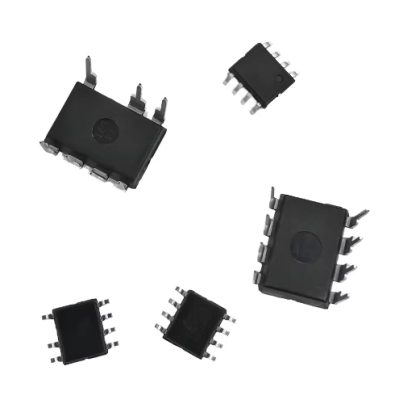


Electronic Components Integrated Circuits/ IC Embedded Processors & Controllers
$0.60 - $1.00
MOQ: 10 Pieces


Programmable Central Controller Conference System Audio/Video Management Controller
$100.00 - $9999.00
MOQ: 1 Pieces

Intelligent Microprocessor RS485 Communication Port Generator Controller
$128.00 - $139.00
MOQ: 5 Pieces
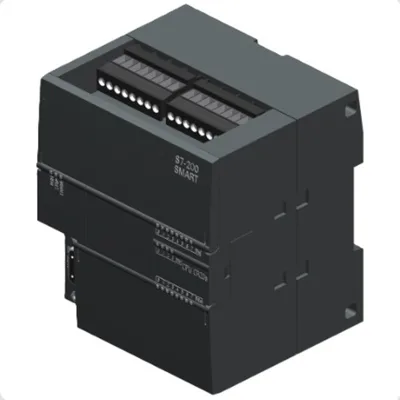


Comprehensive Sourcing Guide
Embedded Systems Microcontrollers Sourcing Guide
Procuring embedded microcontrollers requires distinguishing between generic component listings and verified functional units suitable for industrial integration. The observed market data indicates a wide price variance and specific model identifiers like HK32D010S8T7, suggesting buyers must verify exact part numbers against their schematic requirements. Relying on broad descriptions such as "Ic chips" without cross-referencing specific model numbers can lead to compatibility issues in complex circuit designs.
Buyers should prioritize suppliers who explicitly state their inventory status as "Inventory and Standing Stock" to ensure immediate availability for production schedules. The presence of "New and Original" designations and specific packaging types like Reel, Tube, or Tray helps confirm the physical condition of the components. However, the variation in packaging descriptions across listings necessitates a direct confirmation of the delivery format to prevent handling errors during assembly.
Product Scope and Observed Listing Signals
The product scope for these embedded systems often includes specific integrated circuits paired with broader wire harness and power distribution components. Listings frequently associate microcontrollers with automotive applications, referencing harnesses for chassis, engine, and dashboard systems. This suggests that while the core component is a microcontroller, the supply chain often bundles it with necessary connectivity solutions for vehicle integration.
Observations reveal a diverse range of selling units, from single items to bulk orders, with minimum order quantities varying significantly between one and 2600 pieces. The "Original" brand name and "High-quality" attributes are common descriptors, yet the lack of specific certification details in the general listing requires buyers to demand proof of authenticity. Understanding these signals helps procurement teams filter out generic listings that may not meet the rigorous standards of embedded system deployment.
Technical Specifications to Verify
Technical verification must focus on the specific integration level and conductive type of the integrated circuit. The observed data points to "Unipolar Integrated Circuit" technology with "GSI" integration levels, which are critical for determining processing capabilities and power efficiency. Buyers must confirm that the "Semiconductor IC" technics align with their specific voltage and frequency modulation requirements, particularly the "Frequency Modulation Type" noted in related power systems.
Further scrutiny is required regarding the physical layer and output specifications, as listings mention layer counts ranging from 1 to 32 and single output types. The "Terminal Power Distribution Equipment" and "Series Switching Power Supply" connection modes indicate that the microcontroller must interface correctly with existing power architectures. Verifying the "Self-excited Switching Power Supply" starting mode ensures the component can initialize reliably within the intended power distribution environment.
Compliance and Safety Documentation
While the listings mention "High-quality" standards and "Standard" packaging, explicit compliance documentation is not uniformly detailed in the provided product facts. Buyers must request specific safety certifications and environmental compliance reports, as the "Dust-Free Workshop of SMT Production" in Dezhou implies a controlled manufacturing environment but does not guarantee external regulatory approval. The absence of named standards in the general description necessitates a formal request for test results and material safety data sheets.
Safety verification should also extend to the "Contract for Labor and Materials" advantages mentioned in wire harness contexts, ensuring that the entire assembly meets safety regulations. The "Professional Design of Drawings" and "Customized Service" options suggest that safety features can be tailored, but this requires a formal review of the design specifications before production begins. Without explicit certification data, buyers must treat all safety claims as provisional until verified by independent testing.
Cost Drivers and Commercial Terms
Cost structures for these embedded systems are influenced by the "Massive Component Inventory" and the "Super Cost-Effective" nature of component replacement strategies. The ability to source "Single item" units alongside bulk orders allows for flexible budgeting, but the wide price range observed suggests significant variance based on volume and specific model availability. Buyers should analyze the trade-off between immediate stock availability and the potential cost savings of larger order quantities.
Commercial terms are further defined by the "2-5 days" lead time and the availability of "Fast Delivery" options linked to drawing design services. The "1 Year" warranty provides a baseline for risk mitigation, yet the specific terms of the warranty must be clarified to ensure coverage for both the microcontroller and associated harness components. Understanding these commercial levers helps procurement teams negotiate better terms while maintaining supply chain agility.
Supplier Qualification and Quality Control
Supplier qualification relies heavily on the verification of their production bases and warehouse capabilities. The presence of independent connector production bases in Dongguan and smart warehouses in Dezhou, Dongguan, and Qingdao indicates a robust logistical network capable of supporting large-scale distribution. However, buyers must confirm that these facilities adhere to consistent quality control protocols, as the "Standard" designation alone does not guarantee uniform product performance across all batches.
Quality control processes should include a rigorous check of the "D/C" (Date Code) to ensure components are truly "New and Original" rather than refurbished stock. The "OEM/ODM" service availability suggests that suppliers can adapt to specific quality requirements, but this requires a formal agreement on inspection criteria. Establishing a clear quality assurance framework is essential to maintain the integrity of the embedded systems throughout the supply chain.
Long-Term Procurement Checks
Long-term procurement strategies must account for the "Customization" availability and the "Professional Design of Drawings" offered by suppliers. As product requirements evolve, the ability to modify the "Wire Harness Design" or adjust the "Modulation System" becomes a critical factor in maintaining supply chain continuity. Buyers should establish a relationship with suppliers who can support these customizations without compromising the "High-quality" standards of the initial delivery.
Sustainability and component lifecycle management are also vital, given the "Two-way Transmission" and "Energy Transmission" capabilities of the systems. Procurement teams should monitor the "Component Replacement and Cost Reduction" strategies to ensure that future iterations of the product remain viable and cost-effective. Regular audits of the supplier's inventory and production capacity will help mitigate risks associated with component obsolescence and supply disruptions.
FAQs
What is the lead time for Embedded Systems Microcontrollers?
The lead time for these Embedded Systems Microcontrollers is typically 2-5 days. This fast delivery is supported by inventory and standing stock availability. Buyers can expect prompt processing for orders placed, ensuring quick turnaround for urgent procurement needs without significant delays in the supply chain.
Can I get customized Embedded Systems Microcontrollers?
Yes, customization is available for these Embedded Systems Microcontrollers. The service includes OEM and ODM options to meet specific design requirements. Professional drawing design and customized services are offered, allowing buyers to tailor the product specifications to their unique application needs effectively.
What is the MOQ for these microcontrollers?
The minimum order quantity for these Embedded Systems Microcontrollers is 5 pieces. This low MOQ allows buyers to test samples or order small batches easily. It supports flexible purchasing strategies for prototyping or small-scale production runs without requiring large initial inventory commitments.
Where are these microcontrollers manufactured?
These Embedded Systems Microcontrollers originate from China. The manufacturing process involves advanced facilities, including dust-free SMT production workshops in Dezhou and independent connector bases in Dongguan. This ensures high-quality production standards and reliable component sourcing for the final integrated circuits.
What warranty is provided for these chips?
A 1-year warranty is provided for these Embedded Systems Microcontrollers. The products are guaranteed to be new and original, ensuring high quality and reliability. This warranty covers defects and ensures that buyers receive genuine IC chips that meet the specified performance standards for their applications.
How are these microcontrollers packaged?
These Embedded Systems Microcontrollers are packaged in bulk, whole packages, reels, tubes, trays, or boxes. The standard packaging ensures safe transport and handling. This flexible packaging option protects the sensitive electronic components during shipping via DHL, UPS, FedEx, TNT, or EMS to global destinations.