Source Embedded Digital Reptile Temperature and Humidity Meter for terrariums, greenhouses, and incubators
Compare 30 listings for the Embedded Digital Reptile Temperature and Humidity Meter to find models with LCD displays, wall-mount options, and wide operating ranges. Buyers can evaluate specifications like sampling time, power supply, and accuracy across suppliers from China.
Key considerations
Products List


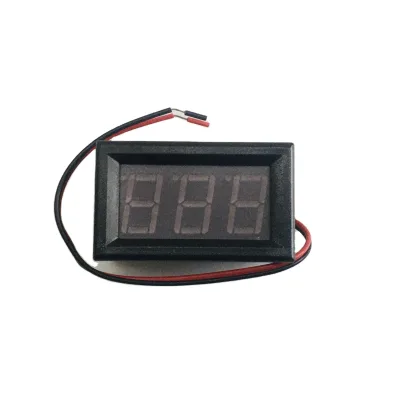
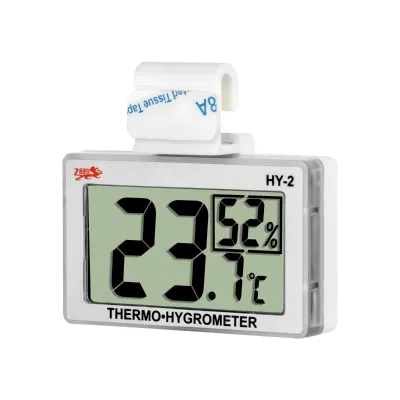


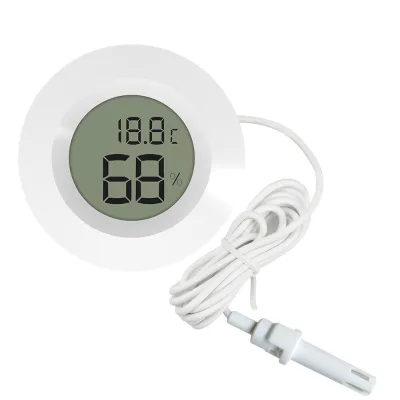
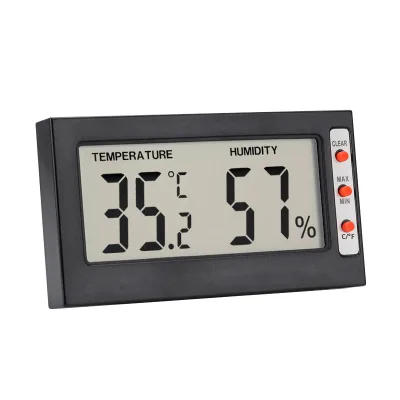
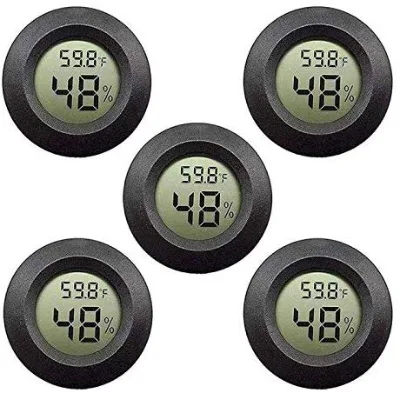


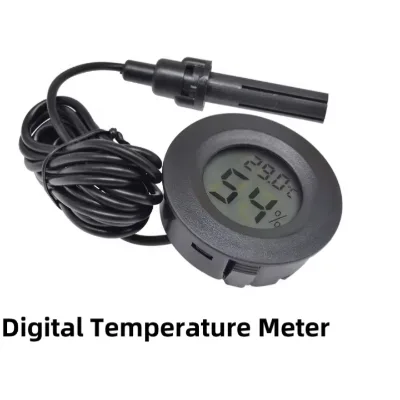
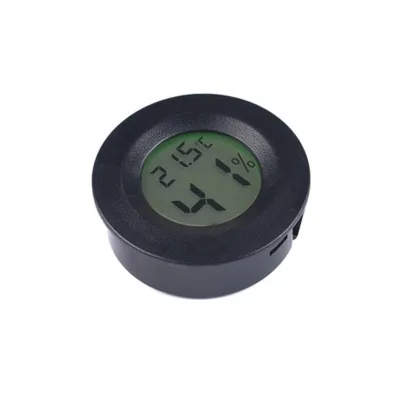


Comprehensive Sourcing Guide
Strategic Sourcing Guide for Embedded Digital Reptile Temperature and Humidity Meters
Understanding the Core Technical Specifications for Reptile Environments
Sourcing an Embedded Digital Reptile Temperature and Humidity Meter requires a precise understanding of the environmental parameters these devices must monitor. Reptile habitats demand a high degree of stability, as these animals are ectothermic and rely entirely on external heat sources to regulate their body temperature. The device selected must therefore offer a robust measurement range that covers the specific needs of various species, from desert-dwelling lizards to tropical frogs. Based on observed product attributes, the effective operating temperature range for such industrial-grade sensors often spans from -10°C to 60°C (14°F to 140°F), with some specialized units capable of handling broader ranges up to 0-400°C for specific industrial heating applications. For humidity, the critical metric is the relative humidity (RH) range. A high-confidence specification for these units indicates a measuring range of 10% to 95% RH, which is essential for maintaining the moisture levels required for proper shedding and hydration in reptile enclosures.
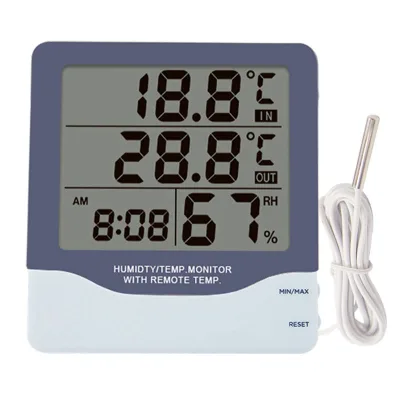
The display technology is another fundamental specification. The market standard for these embedded units is a digital display, specifically utilizing LCD (Liquid Crystal Display) technology to ensure readability in various lighting conditions within a terrarium. The sampling time is a critical performance indicator; a delay in data acquisition can lead to inaccurate readings of rapidly fluctuating temperatures. The observed data points to a sampling time of 0.4 seconds, which allows for near-instantaneous feedback on environmental changes. Furthermore, the sensing type is predominantly resistive, utilizing materials that change electrical resistance in response to thermal or moisture variations. This resistive sensing mechanism is often paired with an analog output signal type, which facilitates integration into larger automated control systems used in commercial breeding facilities.
Compliance, Certification, and Safety Standards
When procuring digital monitoring equipment for biological environments, compliance and safety standards are paramount. While specific certification marks were not explicitly listed in the provided product attributes, buyers must verify that the device meets relevant electrical safety standards for the target market. The power supply requirements vary significantly between models. Some units operate on standard batteries, specifically requiring 4x1.5V AAA (UM-4) batteries, which offers portability and ease of replacement. In contrast, other embedded industrial models are designed for continuous operation with a power supply range of 3.0V to 5.5V, suitable for integration into permanent enclosure setups.
The physical construction of the device must also adhere to safety protocols, particularly regarding the materials used. The product attributes indicate a "Resistance" material classification, which likely refers to the resistive element's composition, but the outer casing is often described as a plastic case or packed in a PP (Polypropylene) bag. For reptile enclosures, the IP (Ingress Protection) rating is a vital consideration. One observed attribute mentions an "IP Installation Type: Wall-Mounted Type," suggesting a design intended for secure mounting within the habitat. Buyers should verify if the device carries a specific IP rating (e.g., IP65 or IP67) to ensure it is waterproof and dustproof, as reptile enclosures often involve misting systems and high humidity that could damage standard electronics. The "Special Feature: Waterproof" attribute observed in some listings confirms that waterproofing is a key design consideration for this category, ensuring the device can withstand the humid conditions of a terrarium without short-circuiting.
Cost Drivers and Pricing Variables
The cost of an Embedded Digital Reptile Temperature and Humidity Meter is influenced by several distinct factors, ranging from the complexity of the sensing technology to the customization options available. The observed price range in the market is extensive, spanning from $0.46 to $193. This wide variance is not arbitrary but reflects differences in build quality, accuracy, and feature sets. Lower-cost units, likely priced near the $0.46 mark, may be basic sensors with limited accuracy or standard packaging, whereas the higher-end units approaching $193 likely offer superior accuracy, industrial-grade durability, and advanced integration capabilities.
Accuracy is a primary cost driver. The observed accuracy specification for these devices is typically around 1%, which is a standard benchmark for reliable monitoring. However, some listings mention a broader accuracy range of 10% to 99% RH, which may indicate a less precise or different type of sensor. Buyers must understand that higher accuracy generally commands a higher price. Additionally, the "Customization" attribute is a significant variable. Many suppliers offer customized solutions, including OEM (Original Equipment Manufacturer) support, where the brand name, probe design, or packaging can be tailored to the buyer's specifications. The "Probe: Can Be Customized" attribute highlights that the physical sensor probe itself can be modified, which adds to the unit cost but ensures a perfect fit for specific enclosure geometries.
The Minimum Order Quantity (MOQ) also plays a crucial role in the total cost of ownership. The observed MOQ range is from 1 to 10,000 units. A buyer purchasing a single unit for a personal collection will face a different unit price structure compared to a commercial breeder ordering 10,000 units. High-volume orders often benefit from economies of scale, but the supplier may require a substantial upfront commitment. The "Supply Ability" of 100,000 pieces per day suggests that large-scale suppliers can handle massive orders, but the lead time and pricing will depend heavily on the specific MOQ agreed upon.
Typical Applications and Usage Scenarios
The primary application for these devices is in the monitoring of reptile habitats, but the "Usage" attributes indicate a broader scope, including both "Industrial" and "Household" environments. In a household setting, these meters are essential for pet owners who need to maintain precise environmental conditions for their reptiles. The device serves as a "Temperature & Humidity Monitor Meter," providing real-time data to ensure the animal's health. The "Theory" attribute, listing "Temperature Controller, Hygrometer," suggests that these devices are often part of a larger system that not only monitors but also controls the environment, potentially triggering heating lamps or misting systems when thresholds are breached.
In industrial applications, the same technology is applied to large-scale breeding facilities, research laboratories, or agricultural settings where environmental control is critical. The "Working Temperature Range" of 0-400°C indicates that some units are robust enough for high-heat industrial processes, although this is likely beyond the needs of standard reptile keeping. The "IP Rating" and "Waterproof" features make these units suitable for environments where moisture is a constant factor, such as rainforest enclosures or amphibian habitats. The "Installation Type: Wall-Mounted Type" suggests that these devices are designed to be permanently fixed within the enclosure, providing a stable reference point for temperature and humidity readings.
Supplier Evaluation and Procurement Considerations
Evaluating a supplier for embedded digital reptile meters requires a focus on their production capabilities, origin, and support services. The "Place of Origin" for these products is frequently listed as Guangdong or Zhejiang, China, regions known for their manufacturing prowess in electronics and consumer goods. The "Brand Name" observed includes "BD" and "Datronn," indicating that there are established manufacturers in this space. Buyers should verify the "Customized Support: Oem" capability, as this ensures the supplier can produce units with specific branding or technical modifications.
The "Production Process" is listed as "Normal Wirewound," which refers to the manufacturing technique used for the resistive elements. This is a standard process, but buyers should inquire about quality control measures during this stage. The "Warranty" period is another critical factor; an observed warranty of 3 years suggests a high level of confidence in the product's durability. Buyers should confirm if this warranty covers the sensor probe, the display, and the internal circuitry. The "Delivery time" of 15 days and "Sample Lead Time" of "In stock" are favorable indicators for procurement planning. However, buyers must also consider the "Port of Dispatch," which is often Ningbo or Shanghai, affecting shipping costs and logistics.
Quality Control and Long-Term Procurement Strategy
Ensuring long-term reliability involves rigorous quality control checks. The "Accuracy" of 1% is a target that must be maintained throughout the production run. Buyers should request test data or calibration certificates to verify that the units meet this specification before mass production. The "Packing" details, such as "1PCS/BOX" or "Standard Export Carton," are important for protecting the devices during transit. The "Product Packing: Plastic Case" and "PP Bag" options indicate different levels of protection; for delicate electronic components, a hard plastic case is preferable to prevent damage.
For long-term procurement, the "Supply Ability" of 100,000 pieces per day is a strong indicator of a supplier's capacity to scale. However, buyers should establish a clear communication channel for any future customization needs. The "Probe: Can Be Customized" feature allows for adjustments over time as the buyer's requirements evolve. Additionally, the "Features: Durable" attribute suggests that the products are built to withstand the rigors of daily use. Buyers should prioritize suppliers who offer a comprehensive warranty and responsive customer support to address any potential issues with the sensors or displays.
Comparative Analysis of Key Product Attributes
To assist in the decision-making process, the following table summarizes the key attributes observed in the market for embedded digital reptile temperature and humidity meters. This comparison highlights the variability in specifications that buyers must navigate.
| Attribute Category | Observed Specification A | Observed Specification B | Observation Notes |
|---|---|---|---|
| Display Type | LCD Digital Display | Digital | Both confirm digital readouts; LCD is standard for low power. |
| Temperature Range | -10 | 0-400°C | Range A is typical for reptiles; Range B is for industrial heating. |
| Humidity Range | 10~95% Rh | 10%~ 99% RH | Both cover the necessary biological ranges; slight variance in max RH. |
| Power Supply | 4x1.5V AAA | 3.0V to 5.5V | Battery vs. DC input; selection depends on enclosure power availability. |
| Accuracy | 1% | 10%~ 99% RH (Accuracy) | 1% is a precision metric; the other may refer to a different parameter. |
| Installation | Wall-Mounted Type | IP Installation Type | Wall-mount is standard; IP rating needs specific verification. |
| Customization | Available / OEM | Customized | Both support customization; OEM is key for branding. |
| Origin | Guangdong / Zhejiang | China | Both originate from major Chinese manufacturing hubs. |
| Warranty | 3 Years | Not Specified | 3 years is a strong indicator of quality; verify for other models. |
| Lead Time | 15 Days | In Stock (Samples) | Bulk orders may take 15 days; samples are often immediate. |
This comparative view underscores the importance of matching the specific technical requirements of the reptile species with the capabilities of the supplier. A buyer seeking a high-precision unit for a critical breeding program should prioritize the 1% accuracy and 3-year warranty models, while a hobbyist might opt for the battery-operated, wall-mounted unit with a standard plastic case. By carefully evaluating these attributes against the specific needs of the application, buyers can ensure they procure a reliable and effective monitoring solution.
FAQs
What display type do these meters use for clear readings?
These meters use a digital LCD display to ensure readability in various lighting conditions within a terrarium. The digital format provides immediate feedback on environmental changes, which is critical for maintaining stable conditions for reptiles.
How long does the sampling time take for accurate measurements?
The sampling time is 0.4 seconds, allowing for near-instantaneous feedback on environmental changes. This rapid response time ensures that buyers receive accurate data on rapidly fluctuating temperatures and humidity levels without significant delay.
Which power supply options are available for these devices?
Some units operate on 4x1.5V AAA batteries for portability, while others support a 3.0V to 5.5V range for continuous operation. Buyers should select the power source that best fits their enclosure setup, whether for temporary or permanent installation.
Can the probe be customized for specific enclosure geometries?
Yes, the probe can be customized to ensure a perfect fit for specific enclosure geometries. This customization option allows buyers to tailor the physical sensor to their unique habitat requirements, though it may affect the unit cost.
What is the typical accuracy range for these temperature and humidity meters?
The typical accuracy specification is around 1% for reliable monitoring of environmental conditions. Some listings may show broader ranges, but the 1% benchmark is standard for ensuring the health and stability required for reptile habitats.
Which installation types are supported for wall mounting in enclosures?
The devices support a wall-mounted installation type designed for secure placement within the habitat. This design ensures a stable reference point for readings and is often paired with waterproof features to withstand high humidity environments.
What is the minimum order quantity for bulk procurement of these meters?
The minimum order quantity ranges from 1 to 10,000 units depending on the supplier and specific product model. Buyers purchasing single units will face different pricing structures compared to commercial breeders ordering high volumes for large facilities.