Find Embedded Microphone for meeting, recording, and voice systems
Source 30 verified options for Embedded Microphone solutions including digital audio and voice conferencing systems. Buyers can compare specifications like HD audio quality, remote control features, and integration capabilities across wired and wireless models from Chinese manufacturers.
Key considerations
Products List


Flexibility Interference-Free Microphone Wireless Audio Conference System
$10.00 - $999.00
MOQ: 1 Pieces
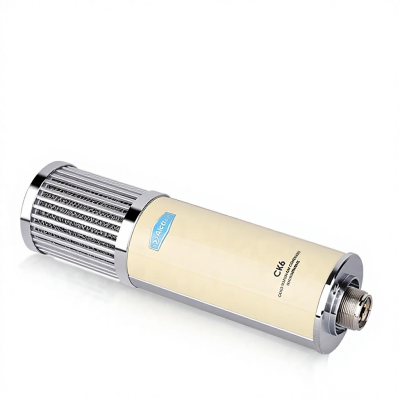


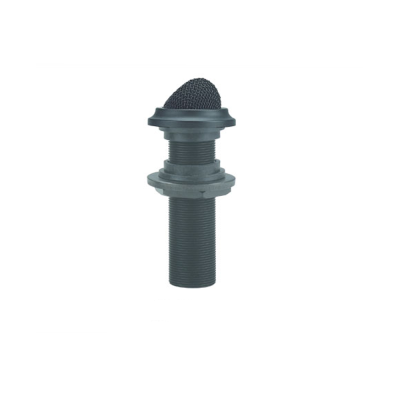


Comprehensive Sourcing Guide
Strategic Sourcing Guide for Embedded Microphone Solutions
Understanding the Technical Landscape of Embedded Audio Systems
The procurement of embedded microphones requires a nuanced understanding of the specific technologies and integration capabilities available in the current market. Buyers must distinguish between systems designed for simple voice capture and those engineered for complex digital audio conferencing environments. The core keyword "Embedded Microphone" often points toward solutions that are integrated directly into larger systems, such as digital audio conferencing units or voice conferencing systems. These components are not merely standalone devices but are critical nodes within a broader network of communication hardware.
Technical specifications form the bedrock of any successful procurement strategy. When evaluating potential suppliers, buyers should look for evidence of specific transducer principles, such as the electrodynamic microphone technology observed in certain high-performance units. This principle is vital for ensuring that the embedded component can accurately capture sound waves and convert them into electrical signals with minimal distortion. Furthermore, the directivity of the microphone is a crucial factor. Omni-directional microphones are often preferred for meeting rooms where participants are seated around a table, as they capture sound from all angles without requiring precise aiming. In contrast, systems with combined type sound field force capabilities may offer a more sophisticated approach to audio capture in larger venues.
The integration capabilities of the Embedded Microphone are equally significant. Modern procurement needs often demand seamless connectivity with video conferencing systems. This requires the microphone to support specific communication modes, whether wired or wireless. While wired connections offer stability and consistent signal transmission, wireless options provide flexibility in installation and layout. Buyers must verify the specific communication mode supported by the supplier's product, as this dictates the infrastructure requirements for the deployment site. Additionally, the presence of control features, such as remote control capabilities, can significantly enhance the user experience by allowing administrators to adjust settings without physical access to the hardware.
Compliance and Certification Verification Protocols
Navigating the regulatory landscape is a non-negotiable aspect of sourcing embedded microphones, particularly for international deployments. Buyers must ensure that any product they consider meets the necessary safety and environmental standards. The market data indicates that compliant products often adhere to standards such as CE, FCC, and RoHS. These certifications are not merely marketing labels but are legal requirements in many jurisdictions that guarantee the product does not emit harmful levels of electromagnetic interference and is free from specific hazardous substances.
When evaluating a supplier, procurement teams should request explicit documentation proving compliance with these standards. The absence of such documentation should be treated as a red flag, regardless of the product's apparent technical performance. For instance, a product claiming to be a "Digital Audio Conferencing System" must demonstrate that its electrical components meet the safety requirements outlined in the relevant standards. Similarly, the "Composition" of the product, whether it involves regulators or loudspeakers, must be verified against safety regulations to ensure that all materials used are safe for long-term human interaction.
Beyond standard certifications, buyers should also consider the specific environmental conditions in which the microphone will operate. While the supplied data mentions specific dimensions and weights, such as a size of 287mm x 287mm x 353mm or a weight of 680g, these physical attributes must be cross-referenced with the installation environment. The product's ability to withstand varying temperatures, humidity levels, and potential physical stress is often implied by its build quality and packaging. For example, products packed in neutral packing or color boxes may have different levels of protection during transit, which can impact the final condition of the Embedded Microphone upon arrival.
Cost Drivers and Pricing Structure Analysis
The pricing of embedded microphones is influenced by a complex interplay of factors, including technical complexity, customization options, and order volume. The observed price range in the market spans from as low as $0.20 to nearly $10,000, reflecting the vast diversity in product capabilities and intended applications. This wide range indicates that cost is not solely a function of the microphone's basic function but is heavily dependent on the system's overall architecture and feature set.
High-end digital audio conferencing systems that support hundreds of participants and offer advanced features like remote control and integration with video systems will naturally command a higher price point. Conversely, simpler components, such as basic sound pickup microphones with standard frequency responses, may be available at significantly lower costs. Buyers must be wary of assuming that a lower price equates to lower quality; however, they should also be cautious of prices that seem disproportionately high without a clear justification in terms of features or performance.
Customization is another major cost driver. The availability of OEM customization and the acceptance of small orders can significantly impact the final price. Suppliers that offer tailored solutions, such as specific model numbers like HY-7000 or RYD-ACMQ4015, may charge a premium for the engineering and setup costs involved. Additionally, the minimum order quantity (MOQ) plays a critical role in pricing. While some suppliers accept small orders, others may require quantities ranging from 1 to 5,000 units, which can affect the unit cost through economies of scale. Buyers should carefully calculate the total cost of ownership, including the cost per unit, shipping, and any potential tariffs, rather than focusing solely on the listed price.
Typical Applications and Deployment Scenarios
Embedded microphones are deployed in a wide array of settings, each with unique acoustic and functional requirements. The primary application identified in the market data is for meeting rooms, where the ability to capture clear audio from multiple participants is essential. Systems designed for 200-499 participants are particularly relevant for large conference halls or auditoriums, where the microphone must be capable of handling high volumes of sound without distortion.
Beyond standard meetings, these microphones are also utilized in applications requiring amplification, measurement, and recording. The "Application" field in product specifications often lists "Meeting, Amplify, Measurement, Voice, Music, Recording," indicating the versatility of these components. For instance, in a recording studio setting, the frequency response and directivity of the microphone become critical. A frequency range of 200-10 kHz and a frequency response of 2.5dB are specific metrics that buyers should verify to ensure the microphone meets the audio fidelity requirements of their specific use case.
The integration of video capabilities further expands the application scope. Some embedded microphones are designed to work in tandem with video systems, supporting both video and audio transmission. Others may be "Without Video," focusing solely on audio capture for systems where video is handled by separate equipment. Buyers must align their procurement choices with the specific needs of their deployment scenario. For example, a system requiring external recording device support must be compatible with the recording hardware in use, ensuring that the Embedded Microphone can output the necessary signal format for high-quality recording.
Supplier Evaluation and Quality Assurance Framework
Selecting the right supplier is as important as selecting the right product. A robust supplier evaluation framework should include a thorough assessment of the supplier's technical capabilities, production capacity, and quality control processes. Buyers should verify the supplier's origin, as products originating from specific regions, such as Shenzhen, China, may have different quality control standards and supply chain dynamics compared to those from other locations.
Quality assurance should be a central pillar of the evaluation process. Buyers must inquire about the testing procedures used to validate the performance of the embedded microphones. While specific test results are not always publicly available, suppliers should be able to provide data on key performance indicators such as current consumption, output impedance, and power supply requirements. For example, a product with a current consumption of 10mA and an output impedance of 600 Ohm must be tested to ensure it operates within these parameters under various load conditions.
Furthermore, the supplier's ability to handle customization and small orders is a key indicator of their flexibility and customer service orientation. Suppliers that accept OEM customization and small orders are often more responsive to the unique needs of their clients. Buyers should also assess the supplier's packaging and logistics capabilities, as the condition of the product upon arrival is critical. Products packed in cartons or color boxes should be inspected for damage, and the supplier should have a clear process for handling returns or replacements in case of defects.
Long-Term Procurement and Lifecycle Management
Sourcing embedded microphones is not a one-time transaction but a long-term commitment that requires careful planning for maintenance, upgrades, and scalability. Buyers should consider the lifecycle of the product, including the availability of spare parts, firmware updates, and technical support. The "Technology" aspect, such as USB or PSTN support, is crucial for future-proofing the investment. As communication technologies evolve, the ability to upgrade the system to support new standards or protocols will be essential for maintaining operational efficiency.
Scalability is another critical consideration. As organizations grow, their audio conferencing needs may change, requiring the addition of more microphones or the integration of new systems. Buyers should evaluate the supplier's capacity to scale production and provide consistent quality over time. The observed MOQ range of 1 to 5,000 units suggests that suppliers vary in their ability to handle large-scale orders, and buyers should choose a partner that can meet their future volume requirements without compromising on quality or delivery timelines.
Finally, buyers should establish a clear relationship with their supplier regarding warranty, support, and service level agreements. A reliable supplier will provide comprehensive support, including troubleshooting assistance and guidance on best practices for installation and maintenance. By focusing on long-term partnership rather than just immediate cost savings, buyers can ensure that their Embedded Microphone solutions remain effective and reliable throughout their operational lifecycle. This strategic approach to procurement helps mitigate risks and ensures that the organization can adapt to changing needs and technological advancements with confidence.
FAQs
What types of embedded microphones support video conferencing integration?
Digital audio conferencing systems with HD audio quality support integration with video conferencing systems. These units often feature remote control capabilities and can accommodate 200 to 499 participants for large meeting rooms.
Can I find embedded microphones with OEM customization options?
Yes, many suppliers accept OEM customization for Embedded Microphone solutions. Buyers can request specific model numbers like HY-7000 or RYD-ACMQ4015, and small orders are often accepted to facilitate tailored production runs.
Which certifications are standard for Embedded Microphone products from China?
Compliant products typically adhere to CE, FCC, and RoHS standards. These certifications ensure safety and environmental compliance for international deployments, especially for units originating from manufacturing hubs like Shenzhen, China.
How does the communication mode affect Embedded Microphone selection?
Selection depends on whether wired or wireless communication is required. Wired systems offer stability, while wireless options provide flexibility, and some models support both USB and PSTN technologies for versatile connectivity.
What is the typical price range for Embedded Microphone systems?
The observed price range spans from 0.2 to 9999 USD depending on complexity. Basic sound pickup microphones cost less, while digital systems with remote control and video integration command higher prices based on features.
What specifications define the physical dimensions of these units?
Dimensions vary by model, with some units measuring 287mm by 287mm by 353mm. Packaging is typically provided in cartons or color boxes, and weights can range up to 680g for larger assemblies.
Which directivity types are available for meeting room applications?
Omni-directional microphones are common for capturing sound from all angles in meetings. Some advanced systems utilize combined type sound field force to enhance audio capture in larger venues or specific acoustic environments.