Source Emergency Self Heating Rice for Disaster Relief, Camping, and Fieldwork
Find 30 Emergency Self Heating Rice options for disaster relief, camping, and fieldwork. Compare vacuum-packed MREs, instant noodles, and hot pot meals with HACCP and ISO certifications. View specs, MOQs, and lead times from Mainland China suppliers; compare the available evidence and request quotations based on your requirements.
Updated
Key considerations
Products List


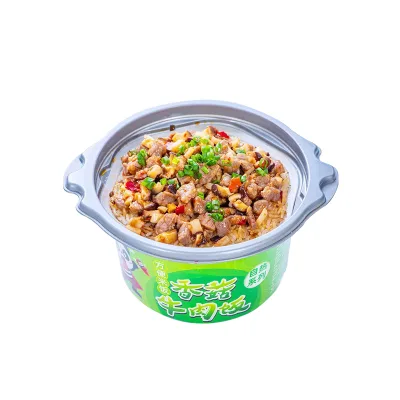
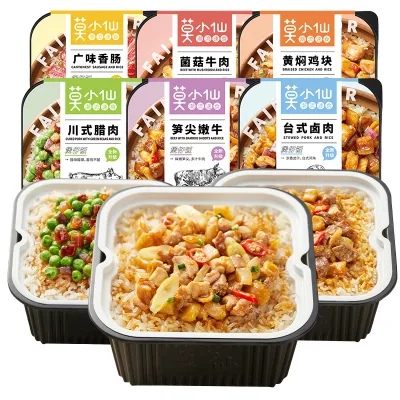
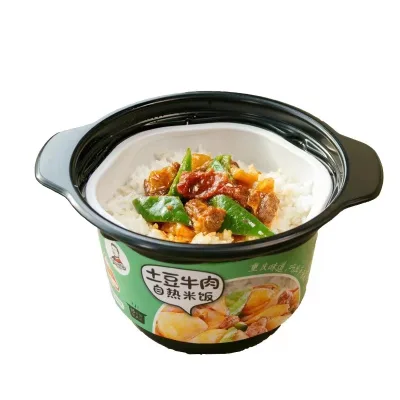
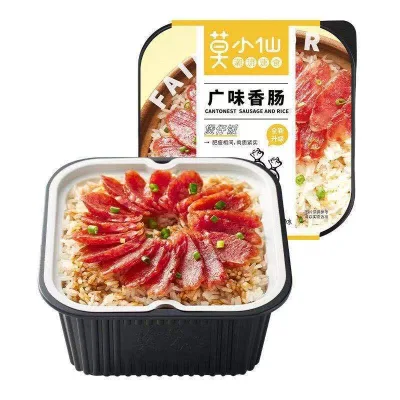
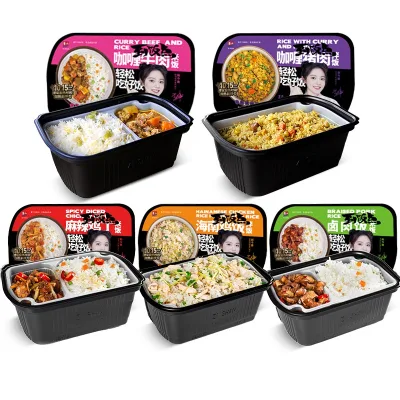
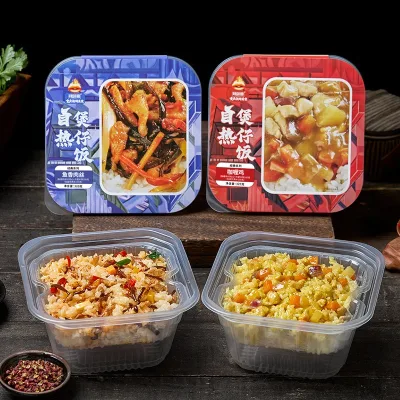
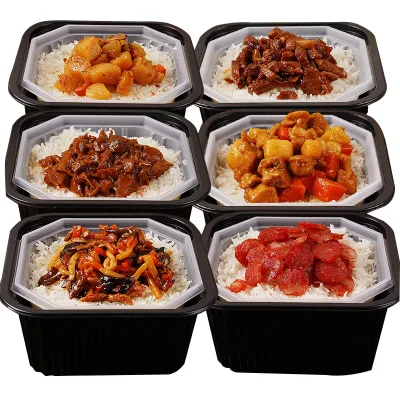
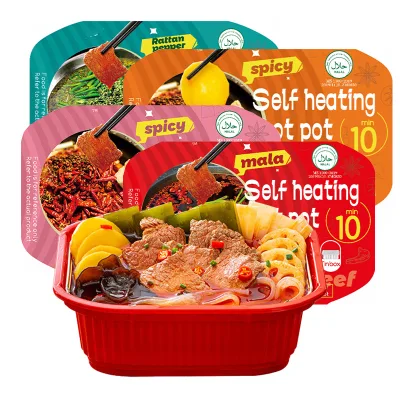
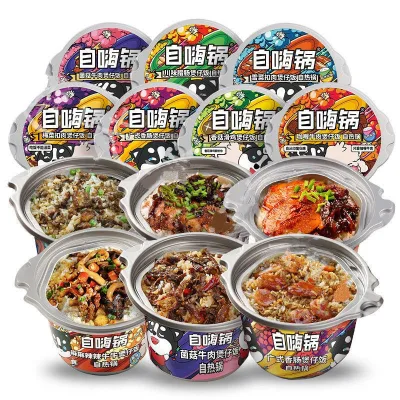
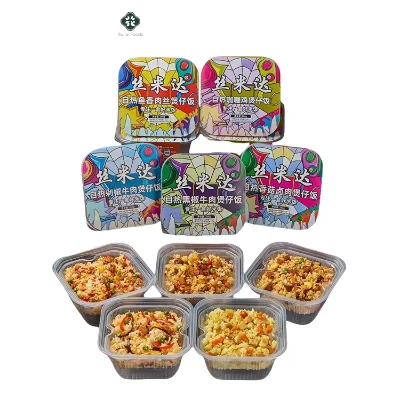
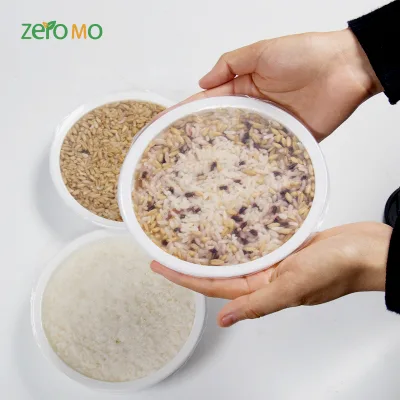
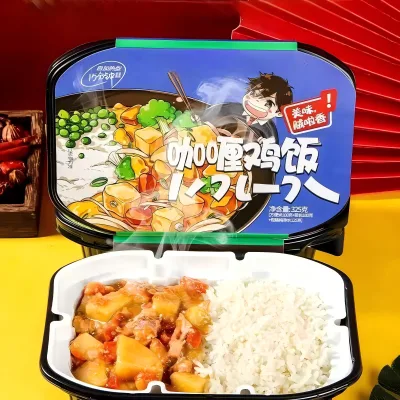
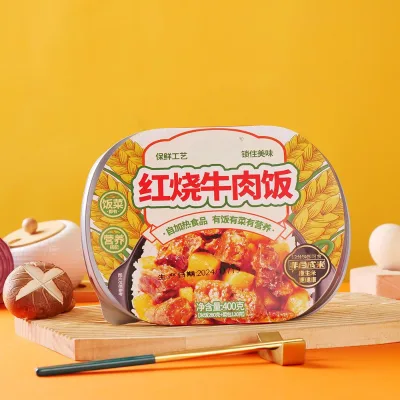
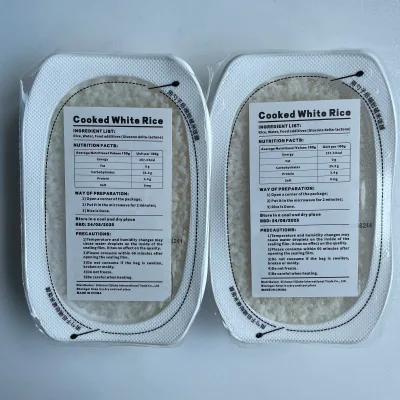
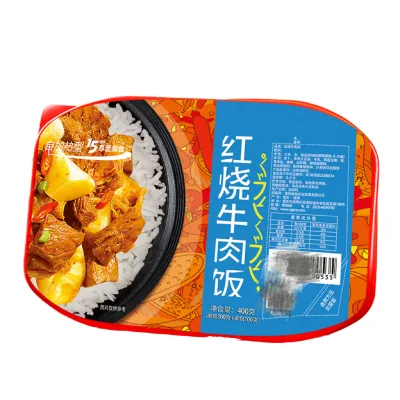
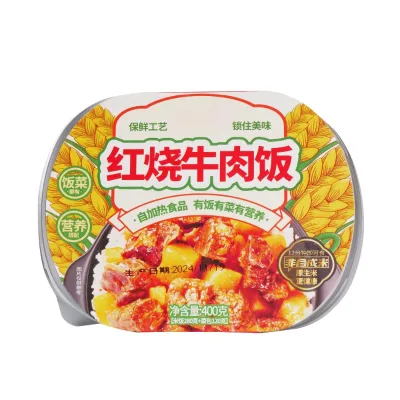
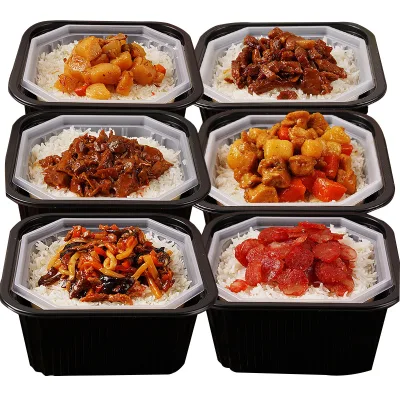
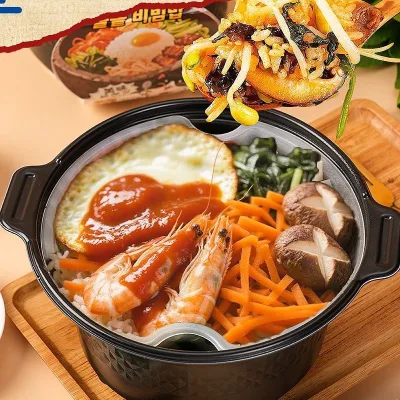
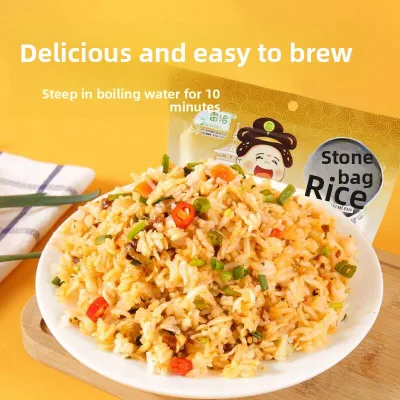
Comprehensive Sourcing Guide
Emergency Self Heating Rice Sourcing Guide
Procuring emergency self-heating rice requires a strategic approach that balances rapid deployment capabilities with strict safety and quality standards. Buyers must prioritize products that offer reliable heat activation mechanisms, ensuring that meals are ready within the specified cooking time of fifteen to twenty minutes. This timeframe is critical for disaster relief scenarios where time is of the essence, and fieldwork operations where downtime must be minimized. The product type is classified as self-heating instant food, which falls under the broader category of ready-to-eat foods designed for convenience and immediate consumption without external power sources.
The sourcing landscape includes various models such as the Custom Beef Menu 2 and BDH chicken menu variants, indicating a diverse range of flavor profiles and nutritional compositions available from suppliers. These products are typically packaged in vacuum packs or cartons to maintain freshness and protect the integrity of the self-heating components. Buyers should verify that the raw materials used are consistent with convenient food standards, ensuring that the final product meets the high expectations of end-users in outdoor, camping, or emergency contexts. Understanding these product distinctions is the first step in building a reliable supply chain for critical food supplies.
Product Scope and Observed Listing Signals
The observed market signals indicate a price range of 0.43 to 5.5 USD, reflecting significant variation based on packaging size, ingredient quality, and certification levels. Minimum order quantities (MOQ) range from 1 to 1000 units, offering flexibility for both small-scale testing and large-scale procurement contracts. This wide MOQ range allows buyers to start with small pilot orders to validate product performance before committing to bulk purchases. The presence of OEM/ODM capabilities suggests that suppliers are willing to customize packaging and branding, which is essential for organizations looking to distribute these meals under their own labels or specific project requirements.
Product attributes highlight a total caloric content of 1337kcal, providing substantial energy for individuals in high-stress or physically demanding environments. The storage method is listed as normal, requiring a cool, dry place at normal temperature, which simplifies logistics and warehousing requirements. The product origin is primarily Mainland China, with specific mentions of Chongqing as a place of origin, a region known for its spicy and flavorful instant food production. Buyers should note that while the price range is broad, the specific model numbers and packaging details, such as 170g12tubs or 360g12package/carton, will significantly influence the final unit cost and logistical handling.
Technical Specifications to Verify
Technical verification must begin with the heating mechanism and cooking time, which is specified as fifteen to twenty minutes for the self-heating instant food. Buyers should confirm that the heating element activates reliably and reaches safe temperatures without compromising the food quality inside the vacuum pack. The packaging material is primarily plastic, which must be durable enough to withstand rough handling during transport and storage. Additionally, the product type is often categorized as ready-to-eat foods, but specific models like noodles or rice-based meals may have different structural requirements for the heating compartment.
Weight specifications vary, with observed values of 0.22 kg and 0.32022 kg, indicating different portion sizes or packaging densities. Buyers should verify the single package size, which has been observed as 0.28X0.48X0.39 cm for certain models, to ensure compatibility with existing storage and distribution infrastructure. The standard packing configuration, such as 64512package/carton or 908g12package/carton, must be confirmed to calculate shipping volumes accurately. Furthermore, the instruction for use is simply "heating," but detailed operational guidelines should be provided to ensure end-users can activate the product correctly in emergency situations.
Compliance and Safety Documentation
Compliance with international food safety standards is non-negotiable for emergency food supplies. The observed certifications include BRC, ISO, FDA, and HACCP, which indicate that suppliers adhere to rigorous quality management and hazard analysis protocols. Buyers must verify that these certifications are current and applicable to the specific product models being procured. The presence of HACCP certification is particularly important for self-heating foods, as it ensures that potential biological, chemical, and physical hazards are controlled throughout the production process. This documentation provides assurance that the food is safe for consumption in critical situations.
ISO certification further validates the supplier's commitment to standardized processes, which is crucial for maintaining consistency across large production runs. FDA compliance is essential if the products are intended for distribution in the United States or other markets with strict regulatory requirements. Buyers should request copies of these certificates and verify their validity with the issuing bodies. Additionally, the product is described as having a fresh production date, which implies a short shelf life or high turnover rate. Ensuring that the supply chain can deliver products within their optimal freshness window is a key component of compliance and safety management.
Cost Drivers and Commercial Terms
Cost drivers for emergency self-heating rice include the complexity of the self-heating mechanism, the quality of raw materials, and the level of customization required. Products with OEM/ODM capabilities may incur additional costs for branding and packaging design, but these can be offset by economies of scale in larger orders. The observed MOQ range of 1 to 1000 units allows buyers to manage cash flow effectively by starting with smaller orders. However, larger orders may offer better unit pricing, so buyers should analyze the total cost of ownership, including logistics and storage, when determining the optimal order quantity.
Commercial terms should clearly define the delivery schedule, payment conditions, and warranty policies. Given the critical nature of emergency supplies, lead times must be reliable and predictable. Buyers should negotiate terms that allow for flexibility in case of urgent reorders or changes in demand. The product origin in Mainland China offers competitive manufacturing costs, but buyers must also consider shipping costs and import duties. Transparent communication regarding these commercial terms is essential to avoid unexpected expenses and ensure that the procurement process runs smoothly from order placement to final delivery.
Supplier Qualification and Quality Control
Supplier qualification involves a thorough assessment of their manufacturing capabilities, quality control systems, and track record in the food industry. Buyers should verify that the supplier has a robust quality management system in place, supported by the observed certifications such as BRC, ISO, and HACCP. On-site audits or third-party inspections can provide valuable insights into the supplier's production processes and hygiene standards. Additionally, buyers should request samples of the product to test the heating mechanism, taste, and overall quality before committing to a large order.
Quality control should extend beyond the initial sample approval to include ongoing monitoring of production batches. Buyers should establish clear acceptance criteria for product attributes such as weight, packaging integrity, and caloric content. The observed product models, such as Custom Beef Menu 2 and BDH chicken menu 02, should be consistently produced to meet these specifications. Regular communication with the supplier regarding quality issues and feedback is essential for maintaining high standards. Implementing a structured quality control process helps mitigate risks and ensures that the emergency self-heating rice meets the needs of end-users in critical situations.
Long-Term Procurement Checks
Long-term procurement checks involve periodic reviews of supplier performance, product quality, and market conditions. Buyers should establish key performance indicators (KPIs) to track delivery times, product defect rates, and customer satisfaction. Regular audits and feedback loops with the supplier can help identify areas for improvement and ensure continuous compliance with safety and quality standards. Additionally, buyers should monitor changes in regulatory requirements and industry best practices to ensure that the procured products remain compliant and competitive.
Market analysis is also crucial for long-term procurement success. Buyers should stay informed about trends in emergency food supplies, including new technologies in self-heating mechanisms and evolving consumer preferences. Diversifying the supplier base can reduce dependency on a single source and mitigate risks associated with supply chain disruptions. By maintaining a proactive approach to procurement, buyers can ensure a steady supply of high-quality emergency self-heating rice, supporting their organization's readiness for disaster relief and fieldwork operations.
FAQs
What certifications do Emergency Self Heating Rice products hold?
Emergency Self Heating Rice products typically hold Brc, ISO, FDA, and HACCP certifications. These credentials ensure that the manufacturing processes meet international food safety and quality standards. Buyers can verify these documents to confirm compliance with regulatory requirements for disaster relief and outdoor supply chains.
How long is the shelf life of self heating instant food?
The shelf life for these ready-to-eat foods is generally around nine months. They should be stored in a cool, dry place at normal temperature to maintain freshness. This duration ensures the product remains safe and palatable for emergency stockpiling and fieldwork applications without requiring refrigeration.
Can suppliers provide OEM or ODM customization for self heating meals?
Yes, suppliers offer both OEM and ODM customization services for self heating instant food. Buyers can request specific packaging, menu variations, or branding adjustments. This flexibility allows organizations to tailor products for specific disaster relief programs, camping events, or corporate fieldwork needs while maintaining standard quality controls.
What is the typical cooking time for self heating hot pot rice?
The typical cooking time for self heating instant food ranges from fifteen to twenty minutes. This process relies on a chemical heating element rather than external heat sources. It is designed for convenience in outdoor, camping, or emergency scenarios where traditional cooking facilities are unavailable or impractical to use.
Where are Emergency Self Heating Rice products primarily manufactured?
These products are primarily manufactured in Mainland China, with specific origins noted in Chongqing. The region is known for producing convenient snack foods and self heating rice varieties. Buyers sourcing from this location can access a wide range of models, including beef and chicken menus, with vacuum pack options.
What packaging materials are used for self heating instant food?
Packaging typically utilizes plastic materials for the inner containers and cardboard cartons for outer shipping. Individual items often feature vacuum packs to preserve freshness and prevent leakage. Standard carton specifications vary by model, such as sixty-four-five by twelve packages per carton, ensuring efficient logistics and storage for bulk orders.