Source Engine Valve Chamber Cover for Cars, Trucks, and Engines
Compare 30 listings for Engine Valve Chamber Cover components suitable for automotive applications. Buyers can evaluate specifications, pricing, and customization options from verified suppliers in Zhejiang, China.
Key considerations
Products List


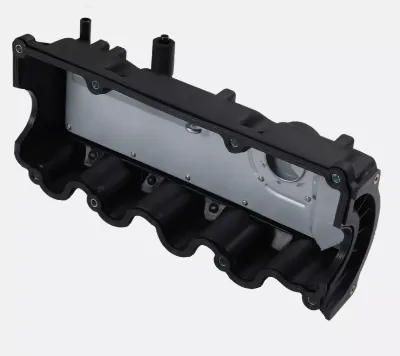
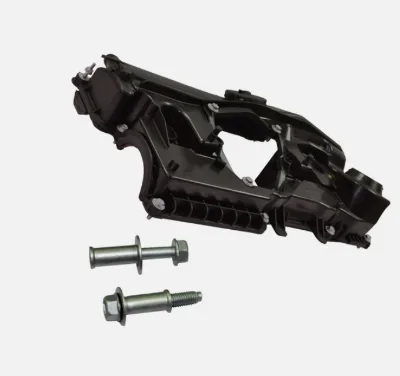


Comprehensive Sourcing Guide
Strategic Sourcing Guide for Engine Valve Chamber Cover Components
Understanding Technical Specifications and Component Variants
When sourcing an Engine Valve Chamber Cover, often referred to as a valve cover or rocker cover, buyers must first navigate a complex landscape of technical specifications. The core keyword "Engine Valve Chamber Cover" encompasses a wide range of components designed to seal the top of the engine cylinder head, preventing oil leaks and containing crankcase ventilation. Based on observed market data, these components are not monolithic; they vary significantly by material composition, manufacturing technique, and specific engine compatibility.
A primary technical differentiator is the material used. Market observations indicate that these covers are manufactured from distinct materials, including aluminum, plastic, and rubber. Aluminum variants are typically associated with high-performance or heavy-duty applications where heat dissipation and structural rigidity are paramount. Conversely, plastic components are frequently utilized in modern passenger vehicles where weight reduction and corrosion resistance are prioritized. Rubber elements often appear as gaskets or sealing cushions integrated into the assembly, such as the "Valve Chamber Cover Cushion" observed in specific listings. The choice of material directly influences the component's thermal stability and longevity.
Manufacturing techniques also play a critical role in defining the product's integrity. The observed data highlights "Casting" as a primary technic for metal variants, a process that allows for complex geometries and high strength. In contrast, other attributes suggest "Push" manufacturing methods, which may apply to specific sealing elements or assembly processes. Buyers must verify that the production method aligns with the required durability standards for their specific engine platform. Furthermore, the product models listed in the market data, such as S195, S1110, RJ195F, and various BMW engine codes like N20, N62, N47, and N55b30, demonstrate that these components are highly engine-specific. A mismatch in the model number can lead to immediate fitment failure, making precise identification of the engine code essential before procurement.
Compliance, Certification, and Standard Verification
Ensuring that an Engine Valve Chamber Cover meets international standards is a non-negotiable aspect of B2B procurement. While specific certification statuses can vary by supplier, the market data explicitly references compliance with CE and ISO standards. These certifications are critical indicators that the manufacturing process adheres to specific safety, quality, and environmental guidelines. For instance, the presence of "ISO" in the certification field suggests adherence to quality management systems, which is vital for maintaining consistent production quality across batches.
Buyers should be aware that standard component classifications often carry specific designations. The data notes "Standard Component" as a recurring attribute, implying that many of these covers are designed to meet established industry norms rather than being entirely bespoke. However, the availability of "Customization" indicates that suppliers can modify these standard designs to meet unique OEM requirements. When evaluating a supplier, procurement teams must verify that the claimed certifications are current and applicable to the specific product variant. Relying on general claims without verifying the specific ISO standard number or CE marking validity can lead to compliance risks, particularly in regulated markets.
Additionally, the "Standard Component" classification often implies adherence to specific dimensional and performance benchmarks. Buyers should request documentation that links the product model (e.g., S1100 or N20) to the relevant standard. In some cases, the data references specific standards like "RJ170F" or "STD," which may refer to internal manufacturer standards or specific industry benchmarks. It is imperative to confirm that these standards are recognized by the target market's regulatory bodies. Failure to secure proper certification can result in rejected shipments or legal liabilities, especially when the components are intended for use in vehicles that must pass strict emissions and safety inspections.
Cost Drivers and Pricing Dynamics
The pricing structure for engine valve chamber covers is influenced by a combination of material costs, manufacturing complexity, and order volume. The observed price range in the market spans from $0.01 to $135 USD, a wide spectrum that reflects the diversity of the product category. The lower end of this range likely corresponds to simple plastic gaskets, rubber cushions, or basic sealing elements, whereas the higher end represents complete aluminum casting assemblies or specialized components for high-performance engines.
Material composition is a primary cost driver. Aluminum components generally command a higher price point due to the cost of raw materials and the energy-intensive casting process. Plastic and rubber components, while cheaper, may require more precise molding to ensure a perfect seal, which can also add to the cost. The manufacturing technique further impacts pricing; "Casting" processes often involve higher tooling costs compared to other methods, which may be amortized over larger production runs.
Order volume, defined by the Minimum Order Quantity (MOQ), is another significant factor. The observed MOQ range varies from 1 set to 1000 units. Suppliers offering an MOQ of just 1 set are likely targeting small businesses or repair shops, potentially charging a premium per unit due to the lack of economies of scale. Conversely, buyers purchasing in bulk (e.g., 1000 units) can often negotiate lower unit prices. The data also highlights a specific MOQ of 10 pieces for certain packaging types, suggesting that even small batches are viable for specific product lines. Buyers should analyze their total volume requirements against the supplier's MOQ to optimize cost efficiency. Additionally, the "Customized Produce" attribute indicates that bespoke orders will incur additional costs for tooling and design adjustments, which must be factored into the total cost of ownership.
Typical Applications and Engine Compatibility
The application of engine valve chamber covers is strictly defined by the engine architecture they serve. The market data reveals a clear segmentation based on engine models, particularly highlighting compatibility with BMW engines such as the N20, N62, N47, and N55b30. These specific engine codes are associated with precise OE numbers, such as 11127588412, 11127625477, and 11128570828. This level of specificity underscores the importance of matching the component to the exact engine variant to ensure proper fitment and function.
Beyond passenger vehicles, the data indicates applications in other sectors, including "Car" applications and potentially industrial or agricultural machinery, given the presence of models like S195 and S1110. The "Valve Chamber Cover Cushion" suggests that these components are also used in systems requiring vibration damping and sealing integrity under varying thermal conditions. The "Condition: New" attribute confirms that the market primarily deals with replacement parts rather than refurbished units, which is standard for critical engine sealing components.
Buyers must exercise extreme caution when selecting parts for these applications. The presence of multiple OE numbers for a single engine model (e.g., N20 having multiple OE references) indicates that there may be different revisions or sub-variants of the valve cover. A component designed for an early N20 engine may not fit a later revision without modification. Therefore, the procurement process must include a rigorous verification step where the buyer cross-references the vehicle's VIN or engine serial number with the supplier's OE number database. Relying solely on the engine family name (e.g., "N20") without checking the specific OE number can lead to procurement errors and operational downtime.
Supplier Evaluation and Service Capabilities
Evaluating a supplier for engine valve chamber covers requires a holistic assessment of their capabilities, experience, and service offerings. The market data highlights several key attributes that serve as indicators of supplier reliability. "20 Years Experience" is a significant metric, suggesting a supplier with a deep understanding of the manufacturing nuances and market demands for these components. Longevity in the industry often correlates with a stable supply chain and a proven track record of quality.
Service capabilities are equally important. The data mentions "Customized Produce" and "OEM: Yes," indicating that suppliers are willing to work with buyers on custom specifications and original equipment manufacturing contracts. This flexibility is crucial for buyers with unique requirements or those looking to source private-label products. Additionally, the availability of "24hour Services" suggests a responsive support system, which is vital for resolving technical queries or addressing urgent order issues.
Logistics and delivery performance are also critical evaluation criteria. The observed "Delivery Time" ranges from 3-7 days to 7 working days, indicating that suppliers can offer relatively quick turnaround times for standard orders. However, buyers should verify if these lead times apply to customized orders, which may require additional time for tooling and production setup. The shipping options listed, including "Air Sea Express Delivery," provide flexibility for buyers with different urgency levels and budget constraints. Furthermore, the "Place of Origin" being listed as "Zhejiang, China" or "China" generally points to a manufacturing hub known for automotive parts, but buyers should still verify the specific factory location to ensure transparency and logistical feasibility.
Quality Control and Long-Term Procurement Considerations
Maintaining high quality standards is essential for engine valve chamber covers, as failures can lead to oil leaks, engine damage, and increased maintenance costs. The market data explicitly states "100% Tested" as a quality attribute, which is a strong indicator of a supplier's commitment to quality control. Buyers should request detailed test reports or quality assurance certificates to validate this claim. The "Condition: New" attribute further reinforces the expectation that components must be free from defects and ready for immediate installation.
For long-term procurement, buyers should consider the packaging and preservation of the components. The data lists various packaging options, including "Anti-Tarnish Paper/Carton," "Neutral Pacakge," and "Feiman" packaging. Proper packaging is critical to prevent corrosion, especially for aluminum components, and to ensure the sealing elements remain intact during transit. The "Anti-Tarnish" feature is particularly relevant for metal parts that may be exposed to humidity during storage or shipping.
Payment terms also play a role in the procurement strategy. The observed "TERMS OF PAYMENT" include T/T, PayPal, and Western Union. While these are standard methods, buyers should assess the security and convenience of each option based on their relationship with the supplier. For large orders, T/T is often preferred for its security, while smaller transactions might utilize PayPal or Western Union. Finally, buyers should establish a clear communication channel for future orders, leveraging the "Market Service" and "Customized Produce" capabilities to build a sustainable supply chain that can adapt to changing engine technologies and market demands.
FAQs
What materials are used for engine valve chamber covers?
Engine valve chamber covers are manufactured from aluminum, plastic, or rubber. Aluminum variants offer high strength for heavy-duty applications, while plastic is used for weight reduction and rubber elements serve as sealing cushions.
Which engine models are compatible with these covers?
These covers fit specific engines including BMW N20, N62, N47, and N55b30, as well as models like S195 and S1110. Buyers must match the exact OE number to ensure proper fitment for their specific engine variant.
Can suppliers provide customized production for these components?
Yes, customized production is available for engine valve chamber covers. Suppliers offer OEM services and can modify standard designs to meet unique requirements, though this may involve additional tooling costs and lead times.
How long is the delivery time for these parts?
Delivery times typically range from 3 to 7 working days for standard orders. Some suppliers offer express delivery via air or sea, but customized orders may require additional time for production setup.
What certifications do these components meet?
Many engine valve chamber covers comply with CE and ISO standards. These certifications indicate adherence to quality management systems and safety guidelines, ensuring the components meet established industry norms for durability and performance.
What is the minimum order quantity for these parts?
The minimum order quantity varies from 1 set to 1000 units depending on the supplier and product type. Some listings specify an MOQ of 10 pieces for specific packaging, allowing flexibility for small batch purchases.
Where are these components manufactured?
These components originate from Zhejiang, China, a known manufacturing hub for automotive parts. Buyers should verify specific factory locations to ensure transparency and logistical feasibility for their procurement needs.