Source Engine Turbocharger for Cars, Trucks, and Industrial Engines
Compare 30 Engine Turbocharger options with varying specifications including diesel fuel, air-cooled or oil-cooled designs, and high-speed performance. Buyers can review models like NJF367 and K04 from Chinese manufacturers with certifications such as ISO9001 and TUV.
Key considerations
Products List


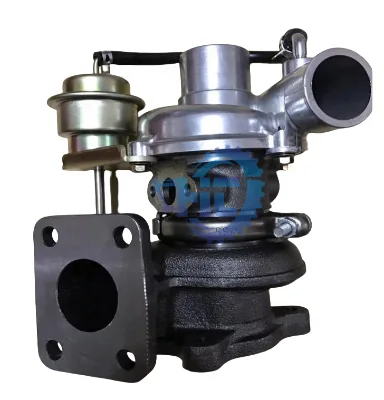


Original Turbo Compresor Truck Diesel Engine Parts Turbocharger 5699852
$1043.00 - $1058.00
MOQ: 1 Pieces


Comprehensive Sourcing Guide
Strategic Sourcing Guide for Engine Turbocharger Procurement
Navigating the global market for engine turbochargers requires a disciplined approach that balances technical precision with rigorous supplier verification. The core keyword "Engine Turbocharger" encompasses a diverse range of components, from standard replacement cartridges to high-performance ETS (Exhaust-Gas-Turbo-Super-Charger) units. Buyers must understand that specifications vary significantly between models, and procurement strategies must adapt to these variations. This guide outlines the essential factors for sourcing these critical engine components, focusing on verified attributes, compliance standards, and operational reliability.
Technical Specifications and Component Architecture
Understanding the internal architecture of a turbocharger is the first step in defining procurement requirements. The market offers units with distinct cooling and movement mechanisms. For instance, some configurations utilize an air-cooled cooling cylinder, while others rely on oil-cooled systems, a distinction that directly impacts installation compatibility and thermal management. The piston movement in these systems is typically reciprocating, operating at high speeds to maximize efficiency. Fuel compatibility is another critical variable; diesel engines often require specific turbocharger designs compared to gasoline variants.
The material composition of the turbocharger dictates its durability and performance ceiling. High-performance models frequently employ Inconel Alloy for the turbine wheel to withstand extreme exhaust temperatures, while the compressor wheel may be constructed from cast aluminum to balance weight and aerodynamic efficiency. The main body is often made of aluminum, providing a robust yet lightweight structure. Bearing technology is equally vital; full floating bearings are a common standard in high-quality units, ensuring smooth rotation and reduced friction under high-speed conditions.
Buyers should also note the existence of specific model numbers that define the physical and functional characteristics of the unit. Models such as NJF365, NJF366, NJF367, NJF368, NJF493, and NJF497 represent specific configurations available in the market. Additionally, specialized variants like the K04 model or the SE-1806 exist, each with unique dimensional requirements. The dimension of the unit can be standard or customizable, allowing for integration into various engine bays. For high-end applications, the electric turbocharger type may be axialflow, offering rapid spool-up times.
Compliance, Certification, and Quality Standards
In the B2B procurement of engine components, certification is not merely a formality but a prerequisite for operational safety and legal compliance. Reputable suppliers in this sector typically hold certifications from recognized bodies such as BV, TUV, SGS, and ISO9001. These certifications validate the manufacturer's quality management systems and adherence to international standards. Specific component certifications are also available; for example, the turbine component may carry an ISOETS certification, while the ETS type may be verified as a Runoff variant.
Quality assurance is further demonstrated through testing protocols. Products are often subjected to high-speed balanced testing to ensure they meet the "High Speed Balanced Tested" standard. This process is critical for preventing vibration and failure at operational speeds. A balance testing report is frequently provided as evidence of this quality control. Furthermore, the condition of the product is a key specification; buyers should verify that units are listed as 100% new, particularly when sourcing replacement parts for critical engine systems.
The material standard for certain high-performance units is explicitly defined as K18 quality. This designation implies a specific metallurgical standard that ensures the component can handle the thermal and mechanical stresses of high-output engines. When evaluating a supplier, buyers must request documentation that confirms these standards are met for the specific model being purchased. The absence of such documentation should be treated as a red flag, regardless of the price point.
Cost Drivers and Pricing Dynamics
The pricing of engine turbochargers is influenced by a complex matrix of factors, including material costs, manufacturing complexity, and customization requirements. The observed market price range for these components spans from 1 USD to 4500 USD, reflecting the vast difference between basic replacement cartridges and high-end, custom-engineered units. The lowest price points generally correspond to standard, off-the-shelf models with minimal customization. Conversely, prices at the higher end of the spectrum are driven by the use of premium materials like Inconel, complex engineering for specific applications, and the inclusion of OEM branding.
Minimum Order Quantity (MOQ) is another significant cost driver. While some suppliers offer an MOQ of just 1 piece, facilitating small-scale procurement and testing, others may require a minimum of 10 pieces. This variation affects the unit economics; larger orders often benefit from economies of scale, potentially lowering the per-unit cost. However, buyers must balance this against their inventory holding costs and storage capabilities. The "Lowest" price attribute often appears in listings, but it should be interpreted as a starting point rather than a guaranteed final price, as shipping, taxes, and customization fees can alter the total landed cost.
Typical Applications and Model Compatibility
Engine turbochargers are not one-size-fits-all components; their application is highly specific to the engine type and vehicle brand. For example, certain models are explicitly designed for BMW applications, requiring precise fitment and compatibility with the vehicle's electronic control systems. The brand of the turbocharger itself, such as HKS, can also indicate a specific performance tier or design philosophy. The ETS type, specifically the Runoff variant, suggests an application where exhaust gas flow dynamics are critical, often found in high-performance or racing contexts.
The versatility of these units is enhanced by customization support. Buyers can often request OEM logos, custom packaging, or even custom specifications to match unique engine requirements. The product name "Turbocharger Cartridge / Turbo Chra" indicates that these components are often sold as core replacement units, which can be installed into existing housings. This modularity allows for cost-effective upgrades and repairs. However, when selecting a model, buyers must cross-reference the specific model number (e.g., NJF series, K04, SE-1806) with their engine's requirements to ensure proper fitment.
Supplier Evaluation and Operational Logistics
Evaluating a supplier requires a focus on their operational capabilities and logistical reliability. The origin of the product is a key factor; many high-volume suppliers are based in China, a global hub for automotive component manufacturing. Lead times are a critical metric for procurement planning. While some suppliers offer a lead time of about 15-20 days, others may require 30 days for production and delivery. These timelines can vary based on the level of customization requested and the current production load.
Payment terms are another essential consideration in supplier evaluation. Standard terms often include T/T (Telegraphic Transfer) or L/C (Letter of Credit), providing a balance of security and flexibility for both parties. Shipping methods are equally diverse, with options available for express delivery, air freight, and sea freight. The choice of shipping method will depend on the urgency of the order and the total weight and volume of the shipment. For time-sensitive repairs, express or air shipping may be necessary, despite the higher cost.
Quality Control and Packaging Protocols
Maintaining the integrity of the turbocharger from the factory to the final installation site is paramount. The condition of the product must be verified as 100% new upon receipt. To ensure this, the packaging protocol is strictly defined. Options include neutral boxes, color boxes, or custom logo packing, all of which must be designed to protect the delicate internal components during transit. The packaging type can be tailored to the customer's request, ensuring that the unit arrives in optimal condition.
Quality control extends beyond the initial manufacturing. The inclusion of a balance testing report serves as a tangible proof of quality. Buyers should insist on receiving this report before finalizing payment. Additionally, the color of the unit is often dependent on the customer's request, allowing for branding consistency or aesthetic matching. The production process must adhere to high-level quality standards, ensuring that every unit meets the specified performance criteria.
Long-Term Procurement Considerations
Sourcing engine turbochargers is not a one-time transaction but part of a long-term supply chain strategy. Buyers should prioritize suppliers who offer robust customization support, including the ability to modify specifications and packaging over time. This flexibility is crucial for adapting to changing engine requirements or market demands. The availability of different models, such as the NJF series or K04, ensures that buyers have options for various applications.
Furthermore, the long-term viability of the supplier depends on their ability to maintain consistent quality and compliance. Certifications like ISO9001 and specific component certifications (ISOETS) provide a framework for ongoing quality assurance. Buyers should establish clear communication channels regarding lead times and payment terms to avoid disruptions. By focusing on suppliers who demonstrate a commitment to high-level quality and transparent operations, buyers can secure a reliable supply of engine turbochargers that meet their technical and operational needs.
Summary of Key Procurement Attributes
To facilitate quick reference during the sourcing process, the following table summarizes the critical attributes observed in the market for engine turbochargers. This comparison highlights the variability in specifications and the importance of verifying each attribute against specific project requirements.
| Attribute Category | Observed Values / Options | Verification Requirement |
|---|---|---|
| Cooling Type | Air-Cooled, Oil Cooled | Match engine cooling system |
| Material | Inconel Alloy, Cast Aluminum, Aluminium, K18 | Verify against thermal stress needs |
| Certification | BV, TUV, SGS, ISO9001, ISOETS | Request valid certificates |
| Model Series | NJF365-368, NJF493, NJF497, K04, SE-1806 | Cross-reference with engine specs |
| MOQ | 1PC, 10PCS | Confirm order volume capability |
| Lead Time | 15-20 Days, 30 Days | Align with project timeline |
| Condition | 100% New | Inspect upon receipt |
| Testing | High Speed Balanced Tested | Require Balance Testing Report |
| Customization | OEM Logo, Custom Packaging, Custom Spec | Define requirements early |
| Origin | China | Verify supply chain transparency |
By adhering to these guidelines and verifying the specific attributes listed above, buyers can navigate the complex landscape of Engine Turbocharger procurement with confidence. The focus must remain on technical compatibility, verified quality, and reliable supplier performance to ensure the longevity and efficiency of the engine systems they support.
FAQs
What certifications do Engine Turbocharger suppliers typically hold?
Suppliers typically hold certifications from BV, TUV, SGS, and ISO9001. Specific components may also carry ISOETS certifications for turbine and runoff types. These validate quality management systems and adherence to international standards for operational safety.
How long is the lead time for custom Engine Turbocharger orders?
Lead times vary between 15 to 20 days or up to 30 days depending on the supplier. Customization requests and production load can extend these timelines. Buyers should align their project schedules with the specific lead time confirmed by the vendor.
Which models are available for high-speed diesel engine applications?
Available models include the NJF365, NJF366, NJF367, NJF368, NJF493, and NJF497 series. Specialized variants like K04 and SE-1806 also exist. These units are designed for high-speed reciprocating piston movement and diesel fuel compatibility.
Can I request custom packaging for my Engine Turbocharger order?
Yes, customization support includes OEM logos, custom packaging, and custom specifications. Packaging options range from neutral boxes to color boxes or custom logo packing. Buyers can request specific dimensions and branding to match their requirements.
What is the minimum order quantity for Engine Turbocharger cartridges?
The minimum order quantity ranges from 1 piece to 10 pieces depending on the supplier. Some listings offer an MOQ of 1PC for testing, while others require 10PCS. This variation affects unit economics and inventory planning for buyers.
How are engine turbochargers tested before shipment?
Products undergo high-speed balanced testing to ensure they meet the High Speed Balanced Tested standard. A balance testing report is provided as evidence of this quality control. This process prevents vibration and failure during operational speeds.
What materials are used for the turbine and compressor wheels?
The turbine wheel is often made of Inconel Alloy to withstand extreme temperatures. The compressor wheel is typically constructed from cast aluminum. The main body is usually aluminum, providing a robust yet lightweight structure for the unit.