Source Engine Piston for Construction Machinery, Mining, and Metallurgy
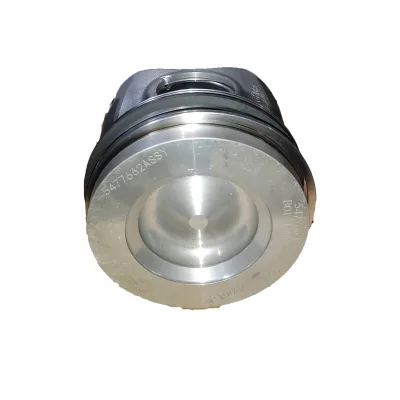
Explore 30 listings for Engine Piston components sourced from manufacturers in China. Buyers can compare specifications, materials like aluminum and iron, and customization options for industrial applications.
Key considerations
Products List


Comprehensive Sourcing Guide
Strategic Sourcing Guide for Engine Piston Components
Understanding Technical Specifications and Material Variability
When initiating a procurement strategy for engine pistons, the primary challenge lies in navigating the diverse technical specifications and material compositions available in the global market. The core product category encompasses a wide range of configurations, from standard components to highly customized units. Buyers must first distinguish between the fundamental material properties, as the supplied data indicates a split between Aluminum and Iron-based solutions. Aluminum pistons are typically associated with casting techniques, offering a balance of weight and thermal conductivity suitable for high-speed applications. In contrast, Iron-based pistons, often found in heavy-duty contexts, provide superior durability and wear resistance under high-stress conditions.
The manufacturing process is equally critical to performance. The observed data highlights "Casting" as a primary technic for these components. This method allows for complex geometries essential for piston function, including ring grooves and cooling channels. However, buyers should verify if the casting method aligns with the specific engine design requirements, as different alloys may require distinct cooling or heat-treatment post-processing. The product type is explicitly categorized as "Piston" or "Piston Ring," and while these are distinct components, they often appear in the same supply chain. A complete procurement plan must ensure compatibility between the piston body and the ring set, particularly regarding the standard component classification.
Model specifications further complicate the selection process. The market offers specific model identifiers such as S195, EM185, EM190, and R175A. These alphanumeric codes usually correspond to specific engine families or displacement ratings. For instance, the S195 designation often relates to a specific diesel engine series, while EM185 and EM190 suggest variations in bore size or stroke. Procurement teams must map these model numbers to their internal engine bills of materials to avoid mismatches. Additionally, some listings indicate "Engine Piston" as a generic model description, which requires rigorous dimensional verification against the original equipment manufacturer (OEM) drawings.
| Component Attribute | Observed Variation | Procurement Implication |
|---|---|---|
| Material | Aluminum, Iron, Alloy Steel, Copper Alloy, Stainless Steel | Must match thermal expansion and wear requirements of the specific engine. |
| Technics | Casting | Verify casting quality control measures and surface finish standards. |
| Standard Type | Standard Component, Non-Standard Component | Non-standard items require longer lead times and custom tooling. |
| Model Codes | S195, EM185, EM190, R175A, 6G-40.2 | Cross-reference with engine serial numbers to ensure fitment. |
| Customization | Available, Customized | Confirm if the supplier can modify dimensions or material for unique needs. |
Compliance, Certification, and Regulatory Standards
Navigating the regulatory landscape for engine pistons requires a meticulous approach to certifications and standards. The supply data reveals a mix of certification claims, including CE, ISO, and TSCE. It is imperative for buyers to understand that the presence of a certification label on a product listing does not automatically guarantee compliance for every unit in a specific batch. For example, one data point lists "CE,ISO" alongside "Material: Iron," while another lists "TSCE,ISO" with "Material: Carbon Steel." These variations suggest that certification status is often tied to specific material grades or production batches rather than being a blanket attribute of the entire product line.
Buyers must verify the validity of these certifications with the issuing bodies. ISO standards, such as ISO 9001 for quality management, are common in the industry, but the specific application standard for the piston is equally important. The data mentions "RJ170F" and "Steel" as product standards, which may refer to internal manufacturer specifications or specific industry norms. In the absence of universally recognized global standards for every piston variant, buyers should request the specific test reports and compliance documentation that align with their local regulations. For instance, if the engine is destined for the European market, CE marking is a legal requirement, but the scope of that marking must cover the specific mechanical properties of the piston.
Furthermore, the distinction between "Standard Component" and "Non-Standard Component" impacts regulatory compliance. Standard components often have established testing protocols and are easier to certify. Non-standard components, which may be customized for specific machinery, require a more rigorous validation process. Buyers should ensure that the supplier has a documented quality management system that covers the design and manufacturing of these non-standard items. The presence of "Made in China" as an origin does not preclude compliance, but it necessitates a thorough audit of the supplier's export documentation and adherence to international trade standards.
Cost Drivers and Pricing Dynamics
The pricing structure for engine pistons is influenced by a complex interplay of material costs, manufacturing complexity, and order volume. The observed price range in the market spans from 1 to 100,000 USD, a vast disparity that reflects the difference between a single replacement part and a bulk industrial order or a complete engine assembly component. This wide range underscores the importance of defining the "Selling Unit" clearly. The data confirms that the standard selling unit is a "Single item," which suggests that unit pricing is the primary metric for small orders. However, for larger procurement needs, the cost per unit may drop significantly due to economies of scale.
Material composition is a primary driver of cost. Aluminum pistons generally command a different price point than Iron or Alloy Steel variants due to the raw material market fluctuations and the energy intensity of the casting process. The inclusion of specialized materials like Copper Alloy or Stainless Steel can further elevate the price, particularly if these materials are required for high-temperature or high-corrosion environments. Additionally, the level of customization plays a significant role. Listings indicating "Customization: Available" or "Customized" often carry a premium due to the need for custom tooling, design engineering, and smaller production runs.
Order volume, represented by the Minimum Order Quantity (MOQ), is another critical cost factor. The observed MOQ range is 1 to 500 units. Suppliers with an MOQ of 300 PCS, as noted in the data, may offer more competitive unit pricing for buyers who can meet this threshold. Conversely, buyers requiring small quantities may face higher per-unit costs or may need to pay a setup fee for non-standard items. The packaging method also influences the final landed cost. Options range from "Anti-Tarnish Paper/Carton" to "Wooden Box" or "Pallet" shipping. Wooden cases and specialized pallets add to the shipping weight and cost, which must be factored into the total procurement budget, especially for international shipments.
Typical Applications and Operational Context
Engine pistons are integral to a wide array of machinery, and understanding the specific application context is vital for selecting the right component. The data indicates usage in "Metallurgy, Mining, Construction Machinery, etc." These sectors demand high reliability and durability, as the operating environments are often harsh, involving high loads, dust, and extreme temperatures. In metallurgy and mining, pistons must withstand continuous heavy-duty cycles, making material choice and heat treatment critical. Construction machinery, such as excavators and loaders, requires pistons that can handle frequent start-stop cycles and variable loads.
The operational parameters of the piston also dictate its suitability for specific applications. The data lists attributes such as "Working Method: Straight Trip," "Acting Way: Single Acting," and "Pressure: Medium Pressure." These specifications suggest that the pistons are designed for specific hydraulic or pneumatic systems, or perhaps for internal combustion engines with particular stroke configurations. The "Thin-Film Type" structure and "Switching Type" adjusted form indicate advanced engineering designed to optimize performance under specific conditions. Buyers must match these technical attributes to the operational demands of their machinery. For example, a piston designed for "Normal Temperature" may not be suitable for high-temperature industrial furnaces or engines operating in extreme climates.
Furthermore, the dimensional constraints provided, such as an outer diameter (OD) up to 420mm and an inner diameter (ID) up to 350mm, highlight the scalability of these components. Large-diameter pistons are typically found in heavy industrial engines, marine propulsion systems, or large stationary power generators. The ability to accommodate such large dimensions requires specialized casting and machining capabilities. Buyers sourcing for these large-scale applications must ensure that the supplier has the infrastructure to produce and handle such large components without compromising quality. The "Business Type: OEM&ODM" designation suggests that many suppliers are equipped to support both original equipment manufacturing and design modification, making them suitable partners for diverse application needs.
Supplier Evaluation and Geographic Considerations
Evaluating potential suppliers for engine pistons requires a careful analysis of their geographic location, business model, and production capabilities. The supply data reveals origins in Beijing, Zhejiang, Henan, and Hangzhou, all within China. While these regions are known for their manufacturing prowess, each location may have different specializations. Beijing, as a major industrial hub, may host suppliers with strong R&D capabilities, while Zhejiang and Hangzhou are renowned for their extensive manufacturing networks and export experience. Henan, known for its heavy industry, might be a source for Iron-based or heavy-duty components.
The "Business Type: OEM&ODM" attribute is a strong indicator of a supplier's flexibility and capability. OEM suppliers are typically experienced in producing components to exact client specifications, while ODM suppliers may offer design services to optimize the piston for specific applications. Buyers should prioritize suppliers who can demonstrate a robust track record in both areas, especially if the project involves custom modifications. The availability of "Customization" and "Customized" options suggests that many suppliers are willing to adapt their products, but buyers must verify the extent of this customization. Can the supplier modify the material, the casting process, or the final dimensions to meet unique requirements?
Geographic proximity to the buyer's location can also impact logistics and lead times. While the data lists "Made in China" as a general origin, specific cities like Hangzhou and Zhejiang are major export hubs with well-established logistics networks. However, buyers should be aware that lead times can vary significantly. One data point mentions a "Delivery Time: 45 Days," which is a critical factor for supply chain planning. For urgent projects, buyers may need to negotiate expedited shipping or consider suppliers with shorter lead times. Additionally, the "Place of Origin" should be verified against the supplier's actual factory location to ensure transparency and avoid potential misrepresentation.
Quality Control and Long-Term Procurement Strategy
Establishing a robust quality control (QC) framework is essential for mitigating risks associated with Engine Piston procurement. Given the critical role of pistons in engine performance, any defect can lead to catastrophic failure. Buyers should implement a multi-stage QC process that includes pre-production sample approval, in-process inspection, and final shipment verification. The "Standard Component" and "Non-Standard Component" distinction should guide the intensity of these checks. For non-standard items, a more rigorous inspection protocol is necessary to ensure that custom specifications are met.
Long-term procurement considerations extend beyond the initial purchase. Buyers should evaluate the supplier's ability to provide consistent quality over time and their capacity to scale production as demand increases. The "MOQ" of 300 PCS or higher indicates that suppliers may prefer steady, long-term contracts over sporadic orders. Building a strategic partnership with a supplier who understands the buyer's specific needs can lead to better pricing, priority production slots, and improved technical support. The "Packing" options, such as "Carton Box, Wooden Case/According to The Clients," also play a role in long-term logistics. Customized packaging solutions can reduce damage during transit and streamline inventory management at the destination.
Finally, buyers should maintain a clear record of all technical specifications, certifications, and test results for each batch of pistons received. This documentation is crucial for troubleshooting any future issues and for maintaining compliance with industry standards. By focusing on these strategic elements, buyers can ensure a reliable supply chain for engine pistons, minimizing downtime and maximizing the operational efficiency of their machinery. The combination of technical expertise, rigorous quality control, and strategic supplier relationships forms the foundation of a successful procurement strategy in this critical component category.
FAQs
What materials are used for engine pistons?
Engine pistons are primarily made from Aluminum or Iron based on the specific product listing. Aluminum variants typically use casting techniques for high-speed applications, while Iron versions offer superior durability for heavy-duty contexts.
Which certifications apply to these piston components?
Certifications such as CE, ISO, and TSCE are observed in the product data, often linked to specific material grades like Iron or Carbon Steel. Buyers must verify that these certifications cover the specific batch and mechanical properties required.
Can I order customized engine pistons?
Yes, customization is available for many Engine Piston listings, allowing for modified dimensions or materials. This option typically requires longer lead times and may involve custom tooling fees compared to standard component orders.
What is the minimum order quantity for pistons?
The minimum order quantity ranges from 1 to 500 units depending on the supplier and product type. Some specific listings indicate a minimum of 300 pieces, which may offer more competitive unit pricing for larger bulk orders.
How long is the delivery time for these parts?
Delivery times vary, with some suppliers stating a lead time of 45 days for production and shipping. This duration can be influenced by whether the order is for standard components or requires custom manufacturing and packaging.
Which models are available for engine pistons?
Available model specifications include S195, EM185, EM190, R175A, and 6G-40.2 among others. Buyers must cross-reference these codes with their engine bills of materials to ensure correct fitment and compatibility.