Source Engine Sealing Cylinder Head Gasket for Car Truck Motorbike
Find 30 Engine Sealing Cylinder Head Gasket options for cars, trucks, and motorbikes. Compare specifications, certifications, and prices from verified suppliers to ensure quality replacement parts for various engine models.
Key considerations
Products List


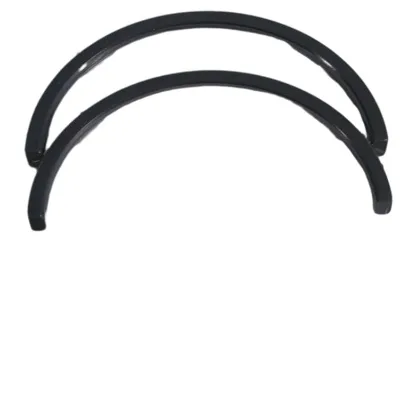


Factory Supply Auto Accessories Generator Engine Part Cylinder Head Gasket
$80.00 - $1000.00
MOQ: 10 Pieces


Comprehensive Sourcing Guide
Engine Sealing Cylinder Head Gasket Sourcing Guide
Procuring engine sealing cylinder head gaskets requires a disciplined approach that balances technical precision with commercial reliability. These components are critical for maintaining combustion chamber integrity, preventing fluid leaks, and ensuring optimal engine performance across a diverse range of machinery. Buyers must navigate a market characterized by varying OEM specifications, material compositions, and certification standards. This guide provides a structured framework for evaluating suppliers, verifying technical attributes, and mitigating procurement risks associated with these essential sealing components.
The sourcing landscape for cylinder head gaskets is broad, encompassing applications from automotive vehicles to heavy-duty industrial equipment. Observed market signals indicate a wide price range and flexible minimum order quantities, suggesting a competitive environment with options for both bulk industrial procurement and smaller repair-oriented purchases. Success in this category depends on the buyer’s ability to distinguish between generic replacements and high-precision OEM-matched parts, ensuring that the selected gasket meets the specific mechanical and thermal demands of the target engine application.
Product Scope and Observed Listing Signals
The product scope for engine sealing cylinder head gaskets is extensive, covering a variety of vehicle and machinery types including cars, trucks, motorbikes, boats, tractors, lawnmowers, and excavators. Market listings frequently highlight compatibility with specific engine models such as the OM400, OM457, OM541, and Om 346, as well as industrial engines like the C9. This diversity indicates that buyers must carefully cross-reference their engine serial numbers and model codes with supplier data to ensure compatibility, as a gasket designed for one engine variant may not fit another even within the same manufacturer’s lineup.
Observed listing signals reveal significant variation in product attributes, including material composition, packaging, and condition. Most listed gaskets are described as new, with steel being a common material, and are often packaged in neutral packing, paper boxes, cartons, or air bubble film to protect the sealing surface during transit. The presence of OEM numbers such as 4420160320, 462.203, and 052.480 suggests that many suppliers offer direct replacements for original equipment parts. Buyers should treat these OEM references as indicators of potential compatibility rather than guarantees, verifying that the physical dimensions and hole patterns match their specific engine requirements.
Technical Specifications to Verify
Technical verification begins with confirming the exact model compatibility and engine number. Listings often specify models like OM400, OM457, and OM541, alongside engine numbers such as Om541 and Om 346. Buyers must ensure that the gasket’s design, including its shape and style, matches the engine’s architecture. For instance, some gaskets are described as flat gaskets with sealing strip styles, while others are categorized simply as head gaskets. The function is consistently noted as hole sealing, but the precise arrangement of coolant, oil, and combustion holes must align with the engine block and cylinder head mating surfaces to prevent catastrophic failure.
Dimensional accuracy and material integrity are critical factors that require explicit confirmation from the supplier. While some listings provide specific dimensions such as 130mm or standard component sizes like 201015, many rely on OEM numbers for identification. Buyers should request detailed technical drawings or cross-reference charts to verify that the gasket’s thickness, bolt hole spacing, and port alignments are correct. Additionally, the material composition, often cited as steel, should be verified for its ability to withstand high combustion pressures and thermal cycling, ensuring that the gasket will maintain its seal under operational stress without degrading or warping.
Compliance and Safety Documentation
Compliance with international standards is a key indicator of supplier reliability and product quality. Observed certifications include CE, ISO TSRoHS, CCC, and ISO9001, which suggest that manufacturers adhere to specific quality management and safety protocols. The presence of ISO9001 certification, in particular, indicates a structured approach to quality control, which is essential for producing consistent sealing components. Buyers should request copies of these certificates to verify their validity and ensure they cover the specific manufacturing facilities producing the gaskets, as certifications can sometimes be generic rather than product-specific.
Safety and performance documentation should also include evidence of professional testing and quality assurance processes. Some listings mention "100% Professional Test" and "High Quality" claims, which imply that each gasket undergoes rigorous inspection before shipment. Buyers should inquire about the specific tests performed, such as pressure testing or material hardness checks, to ensure that the gaskets meet the required performance standards. Additionally, the condition of the product should be confirmed as new, and any warranties, such as the 24-month or 12-month warranties observed in listings, should be clearly defined in terms of coverage and claim procedures.
Cost Drivers and Commercial Terms
Cost drivers for engine sealing cylinder head gaskets include material costs, manufacturing complexity, and packaging requirements. Steel gaskets, while durable, may involve higher processing costs compared to simpler materials, and the precision required for multi-layer or complex hole patterns can impact pricing. Packaging also plays a role, with options ranging from neutral packing to customized solutions using air bubble film or specialized boxes. Buyers should consider the total cost of ownership, including shipping and handling, as the weight and dimensions of the packaging, such as a net weight of 0.127 kg for some items, can influence logistics costs, especially for large orders.
Commercial terms such as minimum order quantity (MOQ) and lead times are flexible but vary by supplier. Observed MOQ ranges from 1 to 1000 units, allowing for both small-scale repairs and large-volume procurement. Buyers should negotiate terms that align with their inventory management strategies, considering the potential for stockouts or excess inventory. Payment terms, shipping methods, and return policies should be clearly agreed upon in the purchase contract, with particular attention to how defects or non-conforming products are handled. Understanding these commercial dynamics helps in budgeting accurately and maintaining a steady supply of critical spare parts.
Supplier Qualification and Quality Control
Supplier qualification involves assessing the manufacturer’s capability to produce consistent, high-quality gaskets. Buyers should prioritize suppliers who provide detailed product descriptions, including OEM numbers, engine compatibility, and material specifications. The presence of "Original Factory" branding and specific origin locations such as Zhoushan, Chongqing, and Zhejiang in China suggests a concentration of manufacturing expertise in these regions. However, buyers must verify that the supplier is the actual manufacturer or an authorized distributor, as this impacts the authenticity and traceability of the product.
Quality control processes should be transparent and verifiable. Buyers should request information on the supplier’s quality management systems, including any ISO certifications and internal testing protocols. The mention of "Standard Component" status and specific standards like ISO 9001:2015 indicates a commitment to standardized production, but buyers should confirm that these standards are actively applied to the cylinder head gasket line. Additionally, asking for sample units or third-party test reports can provide tangible evidence of the supplier’s ability to meet quality expectations before committing to a large order.
Long-Term Procurement Checks
Long-term procurement success depends on establishing a reliable supply chain that can adapt to changing engine models and maintenance needs. Buyers should maintain a database of verified gasket specifications, including OEM numbers and engine compatibility, to streamline future purchases. Regularly reviewing supplier performance, including delivery times, product quality, and customer service, helps in identifying reliable partners and addressing any issues promptly. Building relationships with multiple suppliers can also mitigate risks associated with supply chain disruptions or sudden changes in product availability.
Continuous monitoring of market trends and technological advancements in gasket design is essential for staying competitive. As engine technologies evolve, the requirements for sealing components may change, necessitating updates to procurement specifications. Buyers should stay informed about new materials, designs, and certifications that may offer improved performance or durability. By maintaining a proactive approach to supplier management and technical verification, buyers can ensure that their Engine Sealing Cylinder Head Gasket procurement supports the long-term reliability and efficiency of their machinery fleet.
FAQs
What certifications do these cylinder head gaskets hold?
These gaskets hold CE, ISO, TSRoHS, and CCC certifications. Some listings also specify ISO9001 compliance. Buyers should verify specific certification documents for their target market requirements before placing orders.
Which engine models are compatible with these gaskets?
Compatible models include OM400, OM457, OM541, and Om 346. They are designed for replacement or repair in cars, trucks, motorbikes, boats, and heavy machinery like excavators and tractors.
Can I request custom packaging for these gaskets?
Yes, customization is available for packaging needs. Options include neutral packing, transport package boxes, paper boxes, or air bubble film. Buyers can specify their preferred packing style during the inquiry process.
What is the warranty period for these products?
The standard warranty period is 24 months for most items. Some specific listings may offer a 12-month warranty. Buyers should confirm the exact warranty terms associated with their specific order.
How are these gaskets packaged for transport?
Products are typically packed in neutral packing, transport package boxes, or paper cartons with air bubble film. The net weight is approximately 0.127 kg per unit. Packaging ensures safe delivery during shipping.
What is the minimum order quantity for these gaskets?
The minimum order quantity ranges from 1 to 1000 units depending on the supplier. Buyers can negotiate specific MOQs based on their volume requirements and the specific product model selected.
Where are these cylinder head gaskets manufactured?
Manufacturing origins include Zhoushan, Chongqing, and Zhejiang in China. Buyers should check the specific product listing for the exact origin location to ensure it meets their sourcing preferences.