Source EPDM Rubber Air Intake Hose for Auto Engine, HVAC, and Industrial Systems
Compare 30 listings for EPDM Rubber Air Intake Hose from verified Chinese manufacturers. Buyers can evaluate customization options, material certifications, and lead times for automotive and industrial applications.
Key considerations
Products List


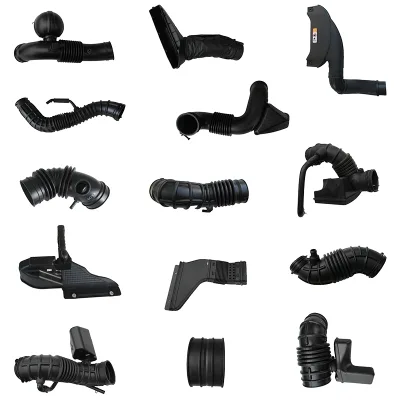


OE 11331551101EPDM Rubber Air Intake Hose for Auto Parts Import Air Hose
$5.00 - $5.50
MOQ: 100 pieces


Comprehensive Sourcing Guide
Strategic Sourcing Guide for EPDM Rubber Air Intake Hoses
Understanding Material Properties and Performance Standards
When sourcing EPDM rubber air intake hoses, the primary objective is to secure components that maintain structural integrity under varying thermal and mechanical stresses. The core material, Ethylene Propylene Diene Monomer (EPDM), is selected for its exceptional resistance to weathering, ozone, and oxidation. In the context of automotive applications, this material offers a distinct advantage over other rubber compounds by resisting the degradation caused by exposure to ultraviolet light and atmospheric pollutants. Buyers must verify that the supplier explicitly confirms the use of EPDM, as some listings may ambiguously reference "rubber" or "silicone" without specifying the polymer type.
The physical performance of the hose is heavily dependent on its hardness rating. Industry observations indicate that acceptable hardness for these components typically ranges from 20 to 90 Shore A. This wide range allows manufacturers to tailor the flexibility of the hose to specific engine bay requirements. A lower Shore A value indicates a softer, more flexible hose suitable for complex routing with tight bends, while a higher value provides the rigidity needed to resist collapse under vacuum pressure. Procurement teams should request hardness test reports to ensure the specific batch meets the design specifications of the vehicle's intake system.
Furthermore, the temperature resistance of the hose is a critical technical specification. Sourcing data suggests that high-quality EPDM air intake hoses are engineered to operate within a temperature range of -90 degrees to +180 degrees. This capability ensures that the component remains functional during extreme cold starts and high-temperature engine operation. Buyers should not assume that all rubber hoses meet this standard; instead, they must demand evidence of thermal stability testing. The ability to withstand these extremes without cracking, hardening, or melting is essential for maintaining engine efficiency and preventing air leaks that could lead to performance issues.
Compliance, Certification, and Regulatory Adherence
Navigating the regulatory landscape is a non-negotiable aspect of sourcing automotive components. Suppliers operating in this sector are expected to adhere to rigorous quality management systems. A high-confidence indicator of a reliable manufacturer is the possession of ISO9001 certification. This standard validates that the supplier has established processes for consistent quality control, from raw material sourcing to final packaging. While ISO9001 is a general management standard, its presence suggests a level of organizational maturity that reduces the risk of production inconsistencies.
In addition to management certifications, material compliance is paramount. Automotive supply chains increasingly require adherence to environmental and safety standards. Buyers should verify that the rubber compound meets ASTM D2000 standards, which classify rubber materials based on their physical properties and performance characteristics. This standard provides a benchmark for evaluating the material's resistance to various fluids, temperatures, and mechanical stresses. Furthermore, compliance with RoHS (Restriction of Hazardous Substances) and REACH (Registration, Evaluation, Authorisation and Restriction of Chemicals) regulations is essential for exporting to markets in Europe and North America. These regulations restrict the use of specific hazardous chemicals, ensuring that the final product is safe for both the environment and human health.
The sourcing guide emphasizes that buyers must not rely on marketing claims alone. Instead, they should request specific documentation proving compliance with these standards. This includes Material Safety Data Sheets (MSDS) and third-party test reports. For instance, if a supplier claims their product is "RoHS compliant," the buyer should ask for the specific test certificate issued by an accredited laboratory. The absence of such documentation should be treated as a red flag, indicating potential non-compliance that could lead to supply chain disruptions or legal liabilities.
Cost Drivers and Economic Factors in Procurement
The pricing of EPDM rubber air intake hoses is influenced by a complex interplay of factors, including material costs, customization requirements, and order volume. The observed price range in the market spans from $0.10 to $55.40 per unit, reflecting the vast difference between standard off-the-shelf components and highly customized, high-performance parts. Several key variables drive these costs. First, the complexity of the mold design significantly impacts the unit price. Custom sizes and unique geometries require dedicated tooling, which increases the initial investment and, consequently, the per-unit cost for smaller orders.
Order volume is another critical cost driver. Minimum Order Quantities (MOQ) vary widely, ranging from a single piece for prototyping to 10,000 pieces for mass production. Suppliers often offer tiered pricing structures where the unit cost decreases as the order volume increases. However, buyers must balance the savings from bulk purchasing against the capital tied up in inventory. For new product development, the ability to order small quantities, such as a single piece or a batch of 30, is often more valuable than the marginal cost savings of a larger order.
Lead times also play a role in the total cost of ownership. Standard lead times for samples are typically around 8 days, while mass production can take between 12 to 18 days. Expedited shipping options, such as DHL, UPS, EMS, or FedEx, add to the overall cost but may be necessary to meet tight production schedules. Buyers should factor in these logistics costs when calculating the total landed cost of the component. Additionally, the condition of the product, typically listed as "New," and the packaging method, such as PE bags and cartons, contribute to the final price. High-quality packaging is essential to prevent damage during transit, which can lead to rejected shipments and additional costs.
Typical Applications and Engineering Requirements
EPDM rubber air intake hoses are primarily designed for use in automotive engine systems. Their application extends to various engine parts where air filtration and flow management are critical. The specific OE numbers associated with these hoses, such as 28140-1f080, 28140-0l260, and 28138-3k800, indicate their compatibility with specific vehicle models and engine configurations. These part numbers serve as a crucial reference for buyers to ensure cross-compatibility with existing vehicle platforms.
The engineering requirements for these hoses are stringent. They must be flexible enough to accommodate engine movement and vibration without kinking or collapsing. At the same time, they must possess sufficient strength to maintain their shape under vacuum pressure and resist abrasion from surrounding components. The feature of "flexible and less distortion" is a key selling point, ensuring that the hose maintains its integrity over the lifespan of the vehicle. The smooth surface finish with a small parting line is another critical attribute, as it minimizes airflow turbulence and reduces the risk of debris accumulation inside the hose.
In addition to standard automotive applications, these hoses may be used in industrial settings where air intake systems require similar performance characteristics. The ability to withstand extreme temperatures and resist weathering makes them suitable for outdoor equipment and heavy machinery. Buyers should evaluate the specific environmental conditions of their application to determine if the standard EPDM properties are sufficient or if additional reinforcements are required. The "Original Color" or "Black" finish is standard, but color customization may be available depending on the supplier's capabilities and the buyer's branding requirements.
Supplier Evaluation and Quality Assurance Protocols
Selecting the right supplier is as important as selecting the right product. Buyers should prioritize suppliers who demonstrate a commitment to quality through their certifications and process controls. The presence of ISO9001 certification is a baseline requirement, but buyers should also look for evidence of continuous improvement and a robust quality assurance program. This includes in-process inspections, final product testing, and a clear traceability system for raw materials.
The production process for EPDM air intake hoses typically involves molding, which requires precise control over temperature, pressure, and curing time. Suppliers should be able to provide details about their molding equipment and the expertise of their technical team. The advantage of a "smooth surface with small parting line" suggests a high level of craftsmanship and attention to detail. Buyers should request samples to evaluate the surface finish and dimensional accuracy before committing to a larger order.
Quality control should extend beyond the final product to include the packaging and shipping process. The use of PE bags and cartons helps protect the hoses from dust, moisture, and physical damage. Buyers should verify that the packaging is robust enough to withstand the rigors of international shipping. Additionally, the supplier's ability to provide a warranty, such as a 1-year or 24-month warranty, indicates confidence in the product's durability. A clear warranty policy provides buyers with recourse in case of premature failure, adding a layer of security to the procurement process.
Long-Term Procurement Considerations and Strategic Sourcing
Sourcing EPDM rubber air intake hoses is not merely a transactional activity but a strategic decision that impacts the long-term reliability of the supply chain. Buyers should consider the supplier's capacity for scalability and their ability to adapt to changing market demands. A supplier with a flexible production line can accommodate fluctuations in order volume and offer customization options as product designs evolve.
The availability of samples is another important factor. Many suppliers offer free samples, which allows buyers to test the product in real-world conditions before making a bulk purchase. This practice reduces the risk of investing in a product that does not meet expectations. Buyers should use the sample phase to conduct rigorous testing, including thermal cycling, abrasion resistance, and dimensional analysis.
Finally, buyers should establish a long-term relationship with their supplier based on mutual trust and clear communication. This includes defining clear expectations regarding quality standards, delivery schedules, and payment terms. The availability of professional service and a responsive support team can make a significant difference in resolving issues quickly and efficiently. By focusing on these long-term considerations, buyers can ensure a stable and reliable supply of high-quality EPDM rubber air intake hoses for their automotive and industrial applications.
Comparative Analysis of Key Product Attributes
| Attribute | Observation from Market Data | Procurement Implication |
|---|---|---|
| Material | EPDM, Silicone Rubber, Plastic (varies) | Verify EPDM specifically for weather/heat resistance. |
| Hardness | 20 ~ 90 Shore A | Match to design flexibility vs. rigidity needs. |
| Temperature | -90°C to +180°C | Critical for engine bay environments. |
| Certification | ISO9001, ASTM D2000, RoHS, REACH | Mandatory for export and safety compliance. |
| MOQ | 1 to 10,000 Pieces | Align with budget and inventory strategy. |
| Lead Time | 8 Days (Sample), 12-18 Days (Mass) | Plan production schedules accordingly. |
| Packaging | PE Bag, Carton, Paper Carton | Ensure protection during transit. |
| Warranty | 1 Year to 24 Months | Indicates supplier confidence in product life. |
This table summarizes the critical attributes that buyers must evaluate when sourcing EPDM rubber air intake hoses. By cross-referencing these attributes with specific project requirements, buyers can make informed decisions that balance cost, quality, and performance. The diversity in material and specifications highlights the importance of detailed verification to ensure the selected component meets the exact needs of the application.
FAQs
What material is used for the air intake hose?
The product is made from EPDM rubber, though some listings also mention silicone rubber or plastic. Buyers should verify the specific compound material to ensure it meets ASTM D2000 standards and is compliant with RoHS and REACH regulations for safety.
How hard is the rubber material?
The hardness ranges from 20 to 90 Shore A, allowing for flexibility or rigidity depending on the engine bay requirements. This wide range ensures the hose can accommodate complex routing or resist collapse under vacuum pressure without distortion.
Can the product be customized to specific sizes?
Yes, customization is available for size and model number to fit specific vehicle requirements. Buyers can request custom sizes and OE numbers, with the supplier offering molding services to produce parts with a smooth surface and small parting line.
What is the lead time for samples and mass production?
Samples typically take 8 days, while mass production requires 12 to 18 days. Some listings indicate a delivery time of 7 to 15 days, so buyers should confirm the specific timeline based on their order volume and shipping method.
Which certifications does the supplier hold?
The supplier holds ISO9001 certification, indicating a established quality management system. Additionally, the compound material meets ASTM D2000 standards and complies with RoHS and REACH regulations for environmental and safety compliance in global markets.
What is the temperature range for the hose?
The hose operates within a temperature range of -90 to +180 degrees Celsius. This capability ensures the component remains functional during extreme cold starts and high-temperature engine operation without cracking or hardening over time.
How much is the minimum order quantity?
The MOQ varies from 1 piece for prototyping to 10,000 pieces for mass production. Some listings specify an MOQ of 30 pieces, allowing buyers to choose a quantity that balances inventory costs with their specific development or production needs.