Source EPDM Durable Garage Door Seal for Industrial, Vehicle, and Household Use
Find and compare 30 listings for EPDM Durable Garage Door Seal strips designed for industrial components, vehicles, and household appliances. Evaluate options featuring EPDM rubber, CE/RoHS standards, and custom sizes to meet specific sealing requirements.
Key considerations
Products List


Customize Rubber Product Garage Door Rubber Seal, H Shape EPDM Rubber Seal Strip
$1.22 - $3.20
MOQ: 1000 Meters

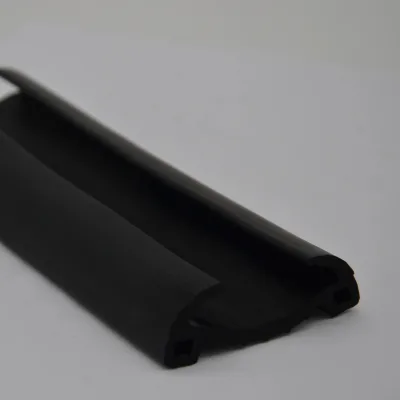
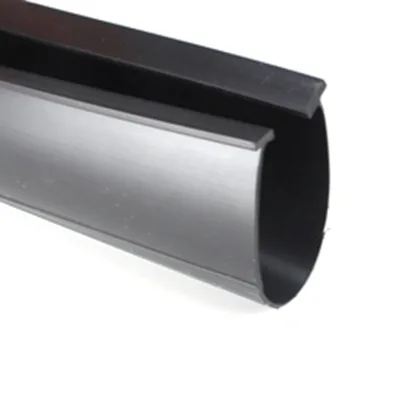
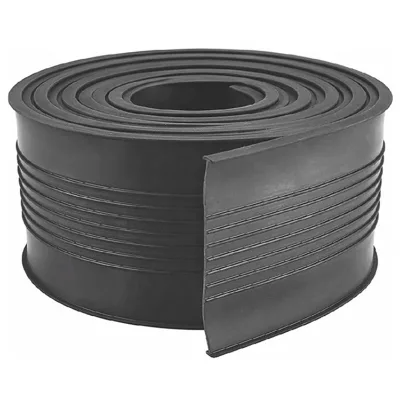


EPDM Garage Door Seals Bottom Rubber Garage Door Floor Seal Weather Strip
$0.50 - $1.50
MOQ: 100 Meters

Customized EPDM Garage Door Bottom Threshold Floor Rubber Seal Weatherstrip
$0.50 - $1.50
MOQ: 100 Meters


Customized EPDM Rubber Seals for Cars Doors Windows Garages Shower Door Seal
$0.30 - $0.50
MOQ: 100 Meters


Comprehensive Sourcing Guide
EPDM Durable Garage Door Seal Sourcing Guide
Procuring high-performance EPDM garage door seals requires a disciplined approach to matching material properties with specific environmental demands. The core keyword "EPDM Durable Garage Door Seal" points to a critical component designed to withstand weathering, UV exposure, and mechanical stress while maintaining an effective barrier against dust, water, and air infiltration. Buyers must recognize that while EPDM is the dominant material for these applications due to its superior ozone and temperature resistance, the specific formulation and manufacturing process determine whether a seal will perform reliably over years of operation.
The sourcing landscape for these components is characterized by a wide variance in product specifications, ranging from standard extruded profiles to custom-molded solutions tailored for unique door geometries. Observations from current market listings indicate that suppliers offer products with varying hardness levels, such as 60±5 Shore A, and diverse color options including black, grey, or fully custom shades. Understanding these variations is essential before initiating contact with potential vendors, as the wrong hardness or profile design can lead to premature failure, excessive friction, or inadequate sealing performance in the field.
Product Scope and Observed Listing Signals
The product scope for EPDM garage door seals encompasses a broad spectrum of applications, including household appliances, industrial machinery, and specifically garage doors where weather resistance is paramount. Market data confirms that these seals are frequently categorized under "Door Rubber Seal Strip" and are engineered to provide effects such as "Hole with Seal" or "Wiper Seal" functionality. This versatility allows the same base material to be adapted for different sealing challenges, from bottom weather seals that prevent water ingress to side and top seals that maintain thermal efficiency and noise reduction.
When evaluating listings, buyers should look for specific signals regarding customization capabilities and packaging standards, as these often indicate the supplier's readiness for large-scale procurement. Many suppliers explicitly state that customization is available, allowing for unique dimensions like 101.5 x 6.35mm or other custom sizes to fit specific door frames. Additionally, packaging details such as "Standard Export Packing," "Cartons and Pallets," or individual plastic bagging within carton boxes are critical indicators of how the product will be protected during transit, ensuring that the delicate rubber profiles arrive without deformation or damage.
Technical Specifications to Verify
Verifying the technical specifications of an EPDM seal is the most critical step in ensuring long-term durability and functional integrity. Buyers must confirm the material composition, specifically that the product is made from genuine EPDM rubber, which offers excellent resistance to UV radiation, ozone, and extreme temperatures. The hardness of the seal, often cited as 60±5 Shore A in observed listings, is a key performance metric that dictates the seal's ability to compress and rebound effectively against the door frame without taking a permanent set or becoming too rigid to seal properly.
Beyond material and hardness, the physical dimensions and processing services offered by the supplier must align precisely with the buyer's engineering requirements. Specifications such as model numbers (e.g., CH-BRS03, CH S01, JHT-TWL211129004) and specific sizes like 18*80mm or 101.5 x 6.35mm serve as unique identifiers for the product profile. Furthermore, buyers should verify if the supplier provides processing services like cutting and extruding, as these capabilities allow for the customization of seal lengths and shapes to fit non-standard garage door configurations, ensuring a perfect fit that maximizes the seal's effectiveness.
Compliance and Safety Documentation
Compliance and safety documentation are non-negotiable elements when sourcing industrial and automotive-grade rubber seals, particularly for products that may be exposed to varying environmental conditions. The supplied facts indicate that many suppliers adhere to CE Standards and RoHS compliance, which are essential for market access in Europe and demonstrate a commitment to restricting hazardous substances. Additionally, certifications such as Reach and ISO are frequently mentioned, serving as third-party validations of the supplier's quality management systems and the safety of the materials used in the production process.
Buyers must also scrutinize the specific standards listed for each product, as some listings may reference "as per request" or specific dimensional standards like 18*80mm rather than a universal safety certification. It is vital to distinguish between product-specific standards and broader regulatory compliance; for instance, a seal might meet CE standards for general safety but require specific testing for fire resistance or chemical compatibility depending on the end-use environment. Ensuring that the supplier can provide up-to-date test reports and certification documents for the specific batch of goods is a necessary step to mitigate liability and ensure regulatory adherence in the destination market.
Cost Drivers and Commercial Terms
The cost of EPDM garage door seals is influenced by several key drivers, including the complexity of the profile design, the volume of the order, and the specific material grade required. Observed market data shows a wide range in Minimum Order Quantities (MOQ), from as low as 1 unit to as high as 10,000 units, with some suppliers setting specific thresholds like 500 meters or 1000 meters. These MOQ variations directly impact the unit price, with larger volumes typically securing more favorable pricing tiers, while smaller orders may incur higher per-unit costs due to setup and processing fees.
Commercial terms extend beyond the unit price to include production lead times, packaging requirements, and sample availability. Suppliers often cite production times ranging from 20 to 25 days, which buyers must factor into their supply chain planning to avoid stockouts. Additionally, the availability of free samples is a significant commercial term that allows buyers to validate the product quality before committing to a large order. Understanding the supply ability, such as 500,000 meters per month, helps buyers assess whether a supplier can meet their demand during peak seasons without compromising on delivery schedules or quality control.
Supplier Qualification and Quality Control
Qualifying a supplier for EPDM garage door seals requires a thorough assessment of their manufacturing capabilities, quality control processes, and track record in the industry. Buyers should prioritize suppliers who demonstrate a clear understanding of the application, such as those specializing in "Garage Door Bottom Weather Seal" or "Door Rubber Seal Strip," as this specialization often correlates with higher expertise in profile design and material formulation. The presence of specific processing services like cutting and extruding indicates a vertically integrated operation capable of handling custom orders with precision.
Quality control measures should be explicitly verified through the supplier's adherence to standards and their ability to provide consistent product attributes. Factors such as the "UV, Silicon" quality claims and the "Weather Resistant/Waterproof" features observed in listings must be backed by tangible quality assurance protocols. Buyers should request evidence of consistent hardness, color stability, and dimensional accuracy across production batches. Furthermore, the supplier's location, whether in Jiangsu, Shandong, or other regions in China, can influence logistics costs and lead times, making it a relevant factor in the overall qualification process.
Long-Term Procurement Checks
Establishing a long-term procurement relationship for EPDM garage door seals involves regular performance monitoring and periodic re-verification of supplier capabilities. Buyers should implement a system to track the performance of seals in the field, noting any issues related to cracking, hardening, or loss of elasticity, which are common failure modes for rubber products exposed to harsh environments. This feedback loop is essential for identifying potential quality drifts in the supplier's production process and ensuring that the seals continue to meet the required specifications over time.
Continuous engagement with the supplier regarding updates in standards, material availability, and production capacity is also crucial for maintaining a resilient supply chain. As regulations evolve and new material technologies emerge, suppliers must be able to adapt their offerings to meet changing compliance requirements and performance expectations. By maintaining open communication and conducting regular audits or reviews, buyers can ensure that their EPDM garage door seals remain durable, compliant, and cost-effective, securing a reliable supply of high-quality sealing solutions for years to come.
FAQs
What material is used for these garage door seals?
The seals are manufactured from EPDM rubber, providing durability and weather resistance. This material ensures effective sealing against environmental elements. The product is designed for long-term performance in various applications, including garage doors and industrial components. EPDM offers reliable protection and flexibility for sealing needs.
Can the garage door seals be customized?
Yes, customization is available for these seals. Buyers can request specific colors, including black, grey, or other options. Custom sizes are also supported to fit particular requirements. This flexibility allows for tailored solutions for different door types and installation environments, ensuring a precise fit and optimal performance.
What is the minimum order quantity for these seals?
The minimum order quantity varies, with some listings starting at 500 meters and others at 1000 meters. This range allows for flexible purchasing based on project scale. Buyers should check specific supplier requirements to determine the exact MOQ applicable to their order, ensuring alignment with production and supply capabilities.
Are these seals certified for safety and quality?
Yes, the seals comply with CE and RoHS standards. Some products also hold Reach and ISO certifications. These certifications ensure adherence to international quality and safety regulations. Buyers can rely on these standards for compliance in various markets, ensuring the products meet necessary regulatory requirements for industrial and household applications.
How are the garage door seals packaged?
The seals are typically packed in standard export packaging, including cartons and pallets. Some products are packed in plastic bags within carton boxes. This packaging ensures safe transport and protection during shipping. The standard package design helps maintain product integrity and facilitates efficient handling and storage for buyers and distributors.
What is the production lead time for these seals?
The production time is generally 20-25 days. This timeframe allows for manufacturing and quality control processes. Buyers should consider this lead time when planning orders and inventory. The production schedule ensures that products are made to specification and ready for shipment within a reasonable period, supporting timely delivery for various projects.