Source EPDM Automotive Rubber Brake Pedal for Auto, Vehicle, Agricultural
Compare 30 listings for EPDM Automotive Rubber Brake Pedal options tailored for auto, vehicle, and agricultural applications. Buyers can review customization, hardness, and lead times from suppliers in China.
Key considerations
Products List


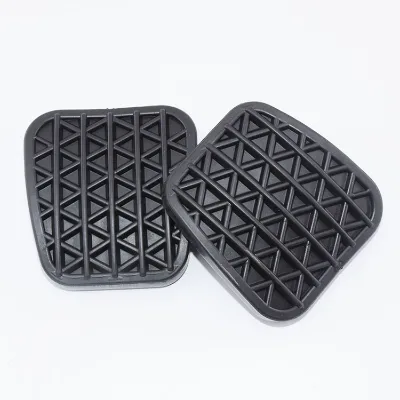
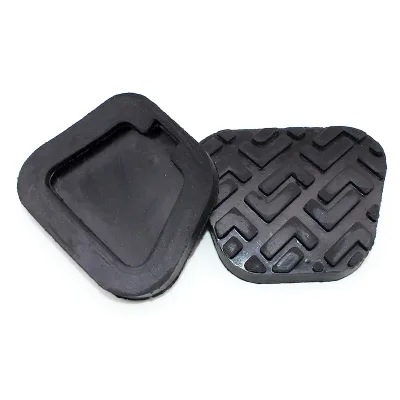
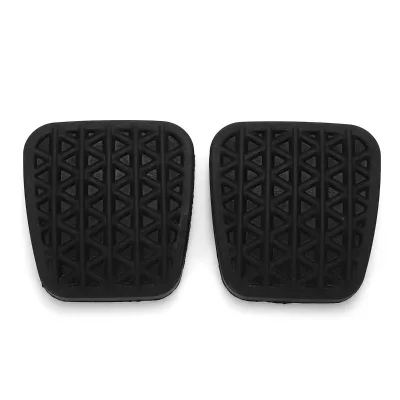
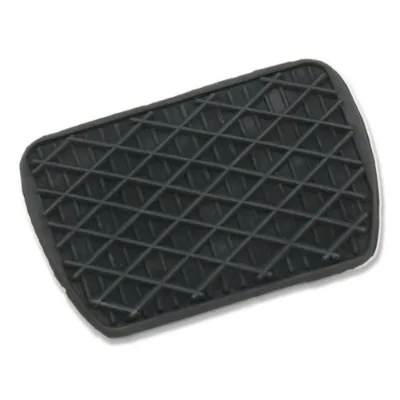
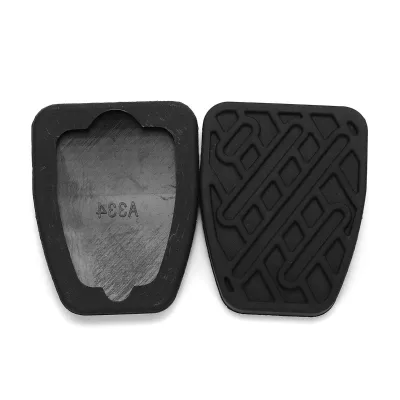
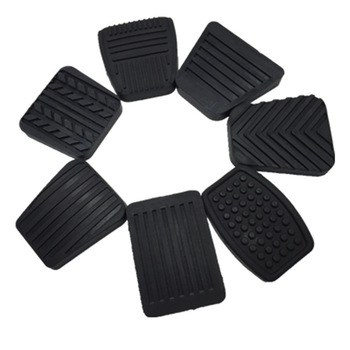
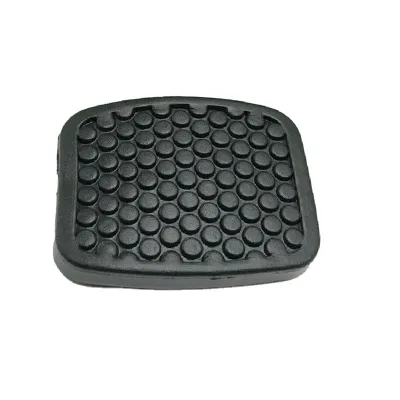


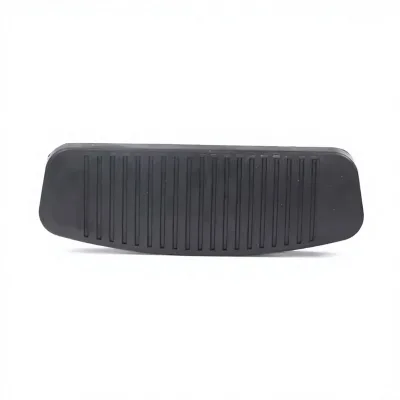




Comprehensive Sourcing Guide
Strategic Sourcing Guide for EPDM Automotive Rubber Brake Pedals
Understanding Material Properties and Performance Characteristics
When sourcing EPDM automotive rubber brake pedals, the primary focus must be on the specific material properties that define durability and safety in high-stress environments. Ethylene Propylene Diene Monomer (EPDM) is frequently selected for automotive applications due to its exceptional resistance to weathering, ozone, and thermal aging. In the context of brake pedals, the material must withstand constant mechanical stress from repeated actuation while maintaining structural integrity over the vehicle's lifespan. The supplied product data indicates that EPDM is a core material option, often listed alongside other elastomers such as Natural Rubber (NR), Styrene-Butadiene Rubber (SBR), and Nitrile Rubber (NBR). This suggests that while EPDM is a primary choice, the final material composition may vary based on specific OEM requirements or performance targets.
Buyers should verify the hardness range of the supplied EPDM components. The observed market data points to a hardness spectrum ranging from 20° to 95 Shore A, with specific listings noting ranges of 30-90 Shore A or 30-95 Shore A. This variability is critical; a pedal that is too soft may feel spongy and lack feedback, while one that is too hard may transmit excessive vibration to the driver. The functional requirement for shock absorption is explicitly noted in product attributes, indicating that the rubber component must dampen impact forces. When evaluating potential suppliers, it is essential to confirm that the EPDM formulation specifically targets the required hardness and shock absorption capabilities rather than relying on generic rubber properties. The material selection also influences the pedal's resistance to automotive fluids, temperature fluctuations, and UV exposure, which are standard stressors in vehicle under-hood and cabin environments.
Technical Specifications and Customization Capabilities
The technical specifications for rubber brake pedals are rarely one-size-fits-all. The core keyword "EPDM Automotive Rubber Brake Pedal" implies a component that must integrate seamlessly with existing vehicle architectures. Product observations reveal that "Custom Size" and "Customize" are standard specifications, meaning buyers should expect a high degree of flexibility in dimensions. The single package sizes observed vary significantly, ranging from 14x8x2 cm to 21x13x11 cm, which reflects the diversity in pedal designs and the potential for different packaging requirements based on the final product geometry.
Customization extends beyond physical dimensions to include color and branding. While black is a common standard color, the data indicates that colors can be customized according to Pantone or RAL codes. This allows for aesthetic alignment with interior design standards or specific vehicle model branding. Furthermore, the processing services listed include "Moulding" and "Cutting," which are fundamental to creating the precise geometry required for a brake pedal. The ability to produce "Molded parts" suggests that the supplier utilizes injection or compression molding techniques suitable for complex shapes.
Buyers must also consider the "Standard" attribute, which is noted as "Depends on Your Samples or Drawings." This indicates a high level of engineering collaboration is required. The procurement process should involve the exchange of detailed technical drawings or physical samples to ensure the mold tooling aligns with the vehicle's pedal assembly specifications. The "Pedal Category" is sometimes identified as "Ultralight Pedal," suggesting that weight reduction is a potential design goal, which may influence the choice of EPDM density or the inclusion of reinforcement materials.
Compliance, Certification, and Quality Assurance
In the automotive sector, compliance is not merely a formality but a prerequisite for market entry. The supplied product data references ISO 9001:2008 as a certificate. While this is a specific observation from the dataset, buyers should treat this as a baseline example of the type of quality management system verification required. The automotive industry generally demands more rigorous standards, such as IATF 16949, though the specific data provided does not confirm this. Therefore, the procurement strategy must include a rigorous verification step where the buyer explicitly requests current certification status and scope from the supplier.
Quality assurance should also encompass the verification of material consistency. The product attributes list multiple materials, including EPDM, NR, SBR, and others. It is vital to ensure that the specific batch of EPDM delivered matches the technical datasheet regarding chemical composition and physical properties. The "Certificate" field in the data is singular, but in a real-world scenario, buyers should expect Material Safety Data Sheets (MSDS) and specific test reports for the EPDM compound used. These documents should verify that the material meets automotive-grade standards for flammability, toxicity, and environmental resistance.
Furthermore, the "Standard" attribute being "Depends on Your Samples or Drawings" implies that the supplier may not adhere to a single universal standard for all products. Instead, the quality standard is defined by the customer's requirements. This places the onus on the buyer to define the acceptance criteria clearly. This includes defining acceptable tolerances for dimensions, hardness variations, and surface finish. The "OEM ODM" service availability confirms that suppliers are capable of working to customer-specific quality plans, but the buyer must establish these plans before production begins.
Cost Drivers and Economic Factors
The economic landscape for sourcing EPDM brake pedals is influenced by several distinct factors. The observed Minimum Order Quantity (MOQ) ranges from 1 to 3000 pieces, with a specific high-confidence fact noting an MOQ of 200 pieces. This variability suggests that buyers can access suppliers with different production scales, from small-batch prototyping to large-volume manufacturing. However, the specific MOQ of 200 pieces indicates that for standard production runs, buyers should plan for a minimum commitment that may impact initial inventory costs.
Lead time is another significant cost driver. The data presents a range of lead times, including 5 days, 10 days, and 20 days. These variations likely correlate with the complexity of the mold, the availability of raw materials, and the current production load of the supplier. A shorter lead time of 5 days may come at a premium or be limited to stock items, whereas a 20-day lead time suggests a custom molding process. Buyers must factor these timelines into their supply chain planning to avoid production delays. The "Place of Origin" is listed as Qingdao, China, or Shandong, China, which are major manufacturing hubs. Logistics costs and shipping times from these regions to global markets should be calculated into the total cost of ownership.
Additionally, the "Selling Units" are listed as "Single item," which may imply that pricing is per unit rather than per pallet or container. Buyers should clarify the pricing structure to understand if volume discounts apply beyond the MOQ. The "Single gross weight" varies between 0.500 kg and 0.8 kg, which directly impacts shipping costs. Heavier units will incur higher freight charges, making the optimization of packaging and weight reduction a potential area for cost savings. The "Packing" method, described as "Plastic Bag and Cartons Outside," is standard but should be evaluated for durability during transit to prevent damage that could lead to rejected shipments and additional costs.
Typical Applications and Functional Requirements
The functional scope of EPDM rubber brake pedals extends beyond simple actuation. The product attributes list applications in "Medical, Household, Electronic, Vehicle, Agricultural, Industrial" sectors, but the specific focus for this keyword is the "Auto Application" and "Car" use. The "Use" is explicitly defined as "Car," and the "Application" includes "Car and daily necessities." This confirms that the primary market is the automotive industry, where reliability is paramount.
The "Function" of these components is identified as "Shock Absorption." In a brake pedal assembly, this function is critical for providing a smooth, non-jarring feel to the driver. The rubber component must absorb the initial impact of the pedal being pressed and dampen the return motion. This requires a specific durometer (hardness) profile that balances responsiveness with comfort. The "Item Name" variations, such as "Rubber Brake/Clutch/Accelerator Pedal" and "Rubber Pedal Parts," indicate that these components are often part of a larger assembly system. Buyers should ensure that the EPDM pedal is compatible with the specific mechanical linkages and mounting points of the target vehicle model.
The "Brand Name" observed is "Brother Rubber," which serves as an example of a potential supplier identity, though no specific recommendation is made. The "Type" is described as "Rubber molded parts," reinforcing that these are custom-molded components rather than off-the-shelf generic parts. The "Pedal Category" of "Ultralight Pedal" suggests an emerging trend towards weight reduction in automotive design, which can improve fuel efficiency and handling. Buyers looking for this specific attribute should verify if the supplier has the capability to produce lightweight variants without compromising the structural integrity of the EPDM material.
Supplier Evaluation and Long-Term Procurement Strategy
Selecting a supplier for EPDM automotive brake pedals requires a multi-faceted evaluation strategy. The "Service" attribute of "OEM ODM" is a strong indicator of a supplier's capability to handle custom projects. However, buyers should look beyond this label and assess the supplier's engineering support capabilities. Can they assist with mold design? Do they have in-house testing facilities to validate hardness and durability? The "Processing Service" of "Moulding, Cutting" suggests a vertical integration of manufacturing processes, which can be a positive sign for quality control.
Long-term procurement considerations involve the stability of the supply chain. The "Lead Time" variability (5 to 20 days) highlights the need for a robust supplier relationship. A supplier with a consistent 10-day lead time may be preferable to one with fluctuating times, even if the average is the same. Buyers should also consider the "Customization" availability. The fact that customization is "Available" is a key advantage, but it requires clear communication channels to ensure that design changes are implemented correctly without delays.
The "Place of Origin" being in China (Qingdao/Shandong) is a common sourcing location, but buyers should verify the supplier's export experience and compliance with international trade regulations. The "Certificate" of ISO 9001:2008 is a starting point, but buyers should inquire about the supplier's track record in the automotive sector specifically. A supplier with a history of supplying to major automotive manufacturers will likely have more robust quality control systems in place.
Finally, the "Hardness" and "Color" customization options provide flexibility, but they also introduce complexity. Buyers should establish a clear specification sheet that defines the acceptable range for hardness (e.g., 30-90 Shore A) and the exact color codes required. This prevents misunderstandings and ensures that the delivered product meets the vehicle's design and functional requirements. By focusing on these technical and operational details, buyers can build a sustainable sourcing strategy for EPDM automotive rubber brake pedals that ensures quality, reliability, and cost-effectiveness.
FAQs
What materials are used for the rubber brake pedal?
The primary materials include EPDM, NR, SBR, NBR, and Silicone Rubber. Suppliers often offer customization based on specific automotive requirements, ensuring the selected elastomer meets the necessary durability and environmental resistance standards for vehicle applications.
Can the pedal hardness be customized to specific needs?
Yes, the hardness can be customized within a range of 20 to 95 Shore A. This flexibility allows buyers to select the optimal durometer for shock absorption and driver feedback, ensuring the component performs correctly in various automotive environments.
What is the minimum order quantity for these parts?
The minimum order quantity is typically 200 pieces, though some listings may vary between 1 and 3000. Buyers should confirm the specific MOQ with the supplier, as it depends on the customization level and production capacity of the manufacturer.
How long does it take to receive the custom parts?
Lead times generally range from 5 to 20 days depending on the order complexity. Standard molded parts may ship faster, while custom specifications requiring new tooling or specific drawings will likely require the full 20-day production window.
Are OEM and ODM services available for these pedals?
Yes, OEM and ODM services are available for customizing the product. Buyers can provide samples or drawings to define the standard, allowing the manufacturer to produce molded parts that match specific vehicle models or design requirements exactly.
Where are these rubber pedal parts manufactured?
These parts are manufactured in Qingdao or Shandong, China. This location is a major hub for rubber processing, offering access to established supply chains and logistics networks for exporting automotive components to global markets efficiently.
What certifications do the manufacturers typically hold?
Some suppliers hold ISO 9001:2008 certification for quality management. Buyers should verify current certification status and request specific test reports to ensure the EPDM material meets automotive-grade standards for safety and performance in vehicle applications.