Source EPE Buoyancy Life Jacket for Water Sports, Fishing, and Rescue
Find 30 EPE Buoyancy Life Jacket options suitable for water sports, fishing, and rescue operations. Compare features like closure types, materials, and certifications to select the right gear for your needs; compare the available evidence and request quotations based on your requirements.
Updated
Key considerations
Products List


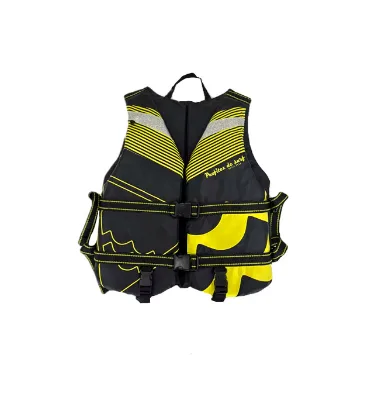
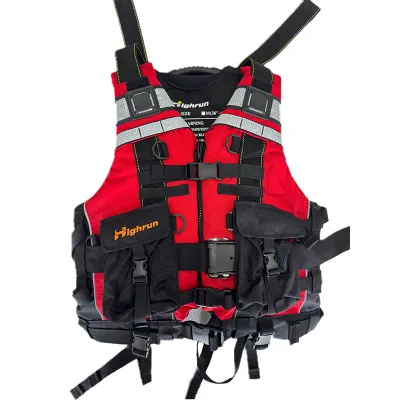
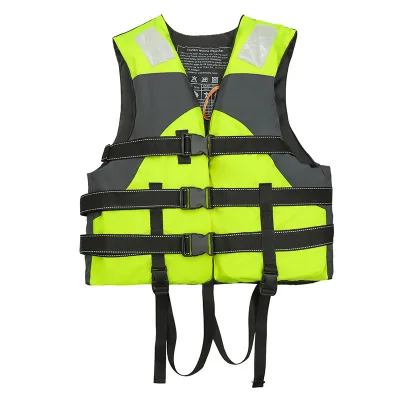
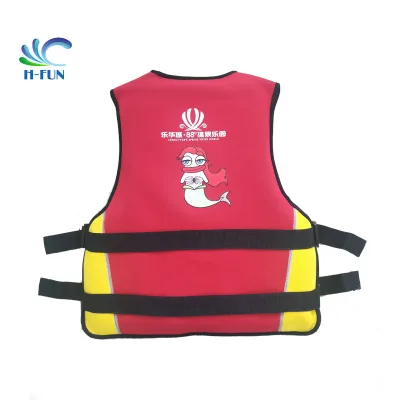
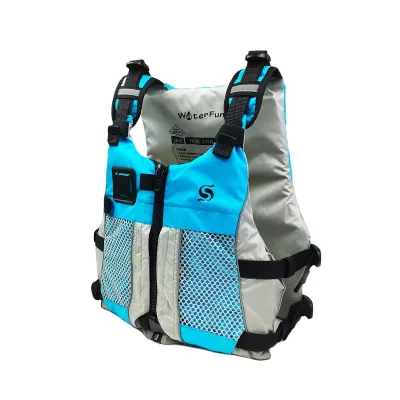
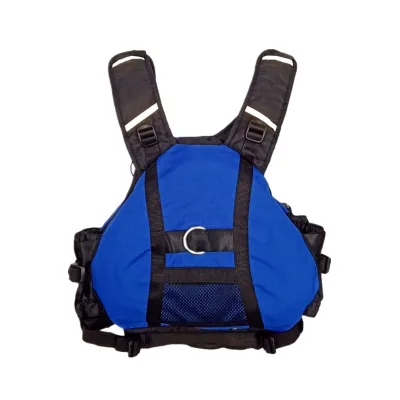
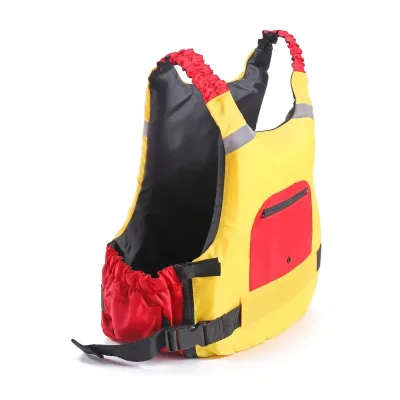
Factory Supply OEM Customize EPE Foam Floating Buoyant Life Vest Jacket
$10.90 - $13.00
MOQ: 200 Pieces


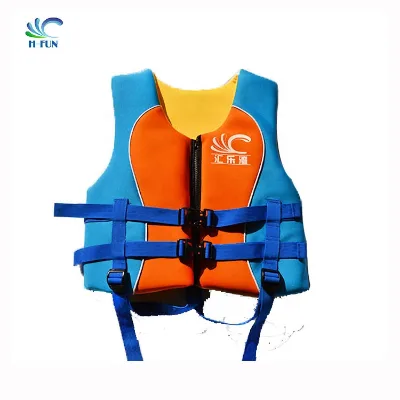
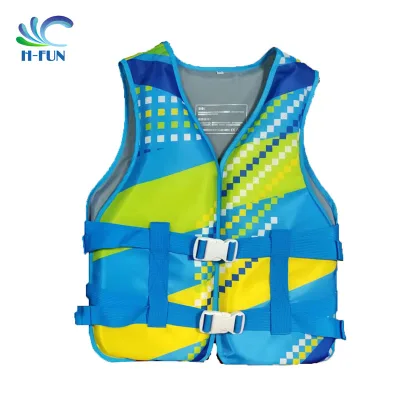
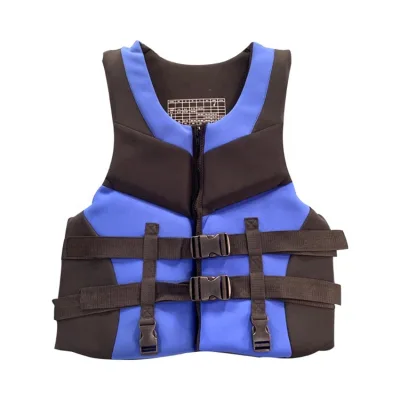
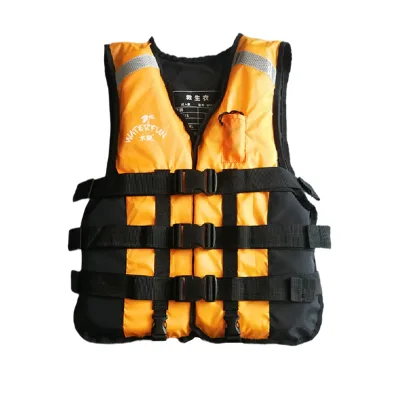
Comprehensive Sourcing Guide
EPE Buoyancy Life Jacket Sourcing Guide
Procuring EPE buoyancy life jackets requires a disciplined approach to material verification and regulatory alignment, as these personal flotation devices serve critical safety functions in diverse aquatic environments. Buyers must distinguish between general-purpose vests and professional-grade equipment, ensuring that the selected product matches the specific operational risks and user demographics. The core keyword highlights the importance of Ethylene Propylene Foam, a lightweight and durable buoyancy material that offers consistent performance without water absorption, making it ideal for repeated use in both recreational and industrial settings.
This guide outlines the essential verification steps for sourcing these devices, focusing on technical specifications, compliance documentation, and commercial terms. By adhering to the observed listing signals and standard industry practices, procurement teams can mitigate risks associated with substandard materials or non-compliant manufacturing processes. The following sections provide a structured framework for evaluating suppliers, validating product attributes, and establishing long-term quality assurance protocols that protect end-users and maintain organizational liability standards.
Product Scope and Observed Listing Signals
The observed market data indicates a wide range of life jackets designed for various applications, including water sports, fishing, boating, and flood rescue operations. Listings frequently highlight features such as reflective elements, zippers, and buckles, which are critical for visibility and secure fit during emergency situations. The typical product count and price range suggest a competitive market with options for both bulk procurement and smaller, specialized orders, allowing buyers to tailor their purchases to specific fleet sizes or individual user needs.
Key attributes observed include the use of Oxford cloth, nylon, and polyester shells, often combined with EPE foam for buoyancy. Some products are certified for specific standards, while others are marketed for general home or pool use. Buyers should carefully review the application program, noting distinctions between professional marine equipment and casual recreational vests. Understanding these nuances ensures that the selected life jacket meets the intended usage field, whether it be aquatic rescue work, professional rafting, or general water park safety.
Technical Specifications to Verify
Verifying the physical and structural specifications of EPE buoyancy life jackets is essential for ensuring durability and effective performance. Buyers should confirm the shell material, such as nylon or polyester, and the specific type of buoyancy material, which is often EPE foam or PE foam. The closure type, whether zippers or buckles, must be robust and easy to operate under stress. Additionally, the presence of reflective elements is a crucial safety feature that enhances visibility in low-light conditions, making it a key specification to verify during the sourcing process.
Dimensional specifications and packaging details also play a significant role in logistics and storage efficiency. Standard dimensions and packing quantities, such as ten pieces per carton, should be confirmed to align with warehouse capabilities and distribution requirements. The weight of the device, often noted as less than one kilogram, impacts user comfort and mobility. Buyers must ensure that the size options, such as medium or large, correspond to the intended user demographic, providing a secure and comfortable fit that does not restrict movement during water activities.
Compliance and Safety Documentation
Compliance with international and regional safety standards is non-negotiable for life jacket procurement. Buyers must verify that products carry relevant certifications, such as CE, ISO, or specific marine standards like EN ISO 12402-5. These certifications indicate that the life jacket has undergone rigorous testing for buoyancy, durability, and safety performance. The presence of a buoyancy rating, such as 100N, provides a quantitative measure of the device's lifting capacity, which must be appropriate for the user's weight and the intended water conditions.
Documentation should also include evidence of compliance with specific directives, such as EU 2016/425 for personal protective equipment. Buyers should request test reports and certification documents from suppliers to validate these claims. It is crucial to distinguish between general safety certifications and those specific to marine or rescue applications. Ensuring that the product meets the required standard for its intended use field, whether it be professional rescue work or recreational boating, is vital for legal compliance and user safety.
Cost Drivers and Commercial Terms
Understanding the cost drivers associated with EPE buoyancy life jackets helps buyers negotiate favorable commercial terms. Factors such as material quality, certification level, and customization options significantly influence the final price. Products with additional features, such as reflective elements or specialized closures, may command a higher price point. Buyers should also consider the minimum order quantity (MOQ), which can range from one to five hundred units, affecting the overall procurement budget and inventory management strategy.
Packaging and shipping terms are another critical aspect of commercial negotiations. The method of packaging, whether in standard cartons or specialized bags with user manuals, impacts handling and storage costs. Buyers should clarify lead times and delivery schedules to ensure timely receipt of goods, especially for time-sensitive projects like flood rescue preparations. Transparent pricing structures that account for all variables, including customization and certification fees, enable accurate budgeting and prevent unexpected cost overruns during the procurement process.
Supplier Qualification and Quality Control
Supplier qualification is a critical step in ensuring the reliability and consistency of EPE Buoyancy Life Jacket supplies. Buyers should assess suppliers based on their manufacturing capabilities, quality control processes, and track record in the industry. Verifying the supplier's origin, such as Zhejiang, China, can provide insights into their production expertise and supply chain efficiency. It is essential to establish clear communication channels and request samples for preliminary evaluation before committing to large orders.
Quality control measures should include regular inspections of raw materials, production processes, and finished products. Buyers should implement a robust inspection protocol that checks for defects in stitching, closure mechanisms, and buoyancy material integrity. Collaborating with third-party inspection agencies can provide an additional layer of assurance, ensuring that products meet the specified standards and specifications. Establishing a long-term partnership with a qualified supplier fosters consistency and reliability, reducing the risk of supply chain disruptions and quality issues.
Long-Term Procurement Checks
Long-term procurement checks are necessary to maintain the quality and compliance of EPE buoyancy life jackets over time. Buyers should conduct periodic audits of supplier performance, including delivery times, product quality, and responsiveness to issues. Regular review of certification status and compliance documentation ensures that products continue to meet evolving regulatory requirements. This proactive approach helps identify potential risks early and allows for timely corrective actions, maintaining the integrity of the procurement process.
Feedback from end-users and field performance data should also be incorporated into the procurement strategy. Monitoring how life jackets perform in real-world conditions provides valuable insights for future purchasing decisions. Buyers should stay informed about industry trends and technological advancements in buoyancy materials and safety features. By continuously evaluating and refining their sourcing strategy, organizations can ensure that they provide the highest level of safety and protection for their users, adapting to changing needs and standards effectively.
FAQs
What materials are used in epe buoyancy life jackets?
These life jackets typically utilize Oxford Cloth or Nylon shells combined with EPE foam for buoyancy. Some models also incorporate 100% Polyester or Neoprene for the outer layer. The durable EPE foam provides reliable flotation while remaining lightweight, ensuring comfort during extended use in water sports or rescue operations.
Which certifications do epe buoyancy life jackets meet?
Many models are certified to ISO 12402 standards and hold CE marks, ensuring compliance with EU safety regulations. Additional certifications may include CCS, RoHS, and FDA approvals. These credentials verify that the product meets rigorous safety and quality requirements for professional marine use, fishing, and general water safety applications.
Can epe buoyancy life jackets be customized for branding?
Yes, customization is available for many EPE Buoyancy Life Jacket models. Buyers can often request specific colors, such as yellow, or tailored packaging options. This flexibility allows businesses to brand products for specific markets, including water parks, fishing industries, or disaster rescue teams, ensuring the gear aligns with organizational identity and safety protocols.
What is the typical buoyancy rating for these jackets?
The standard buoyancy rating for these jackets is 100N, suitable for adult users in calm waters or near-shore activities. This level of flotation provides adequate safety for swimming, boating, and fishing. The design focuses on providing essential life-saving support while maintaining mobility, making it ideal for recreational water sports and home use.
Where are epe buoyancy life jackets typically manufactured?
These products are primarily manufactured in Zhejiang, China. The region is known for its robust textile and safety equipment production capabilities. Manufacturers in this area offer various models, including professional marine vests and flood rescue gear, leveraging local supply chains for materials like Oxford fabric and EPE foam to ensure consistent quality and competitive pricing.
What closure types are used on epe buoyancy life jackets?
Common closure types include zippers and buckles, depending on the specific model and intended use. Zippers offer quick donning and secure fastening, while buckles provide adjustable fit and durability. These mechanisms ensure the jacket stays securely in place during active water sports, fishing, or emergency rescue scenarios, enhancing overall user safety and comfort.