Source Epoxy Bonded Shell and Tube Heat Exchanger for Heater, Cooler, Condenser
Find 30 Epoxy Bonded Shell and Tube Heat Exchanger options from Chinese manufacturers. Compare specifications including shell material, certifications, and applications for industrial heating and cooling needs. These units feature stainless steel construction, CE and ISO certifications, and are designed for use as condensers, vaporizers, coolers, and heaters in various industrial settings.
Updated
Key considerations
Products List

$5000.00 - $900000.00
MOQ: 1 Pieces


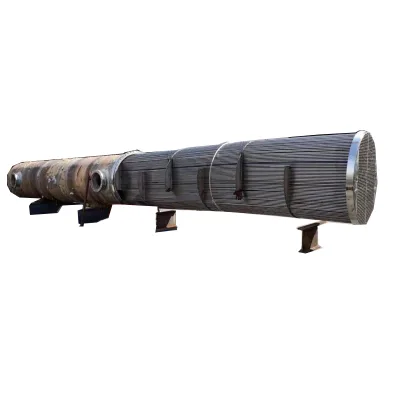
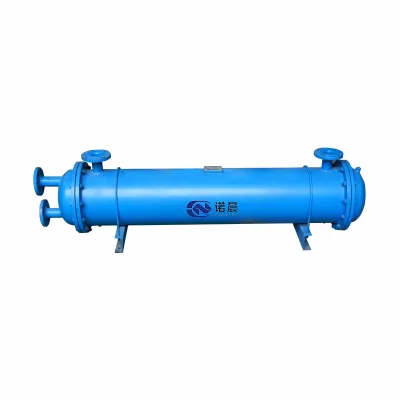
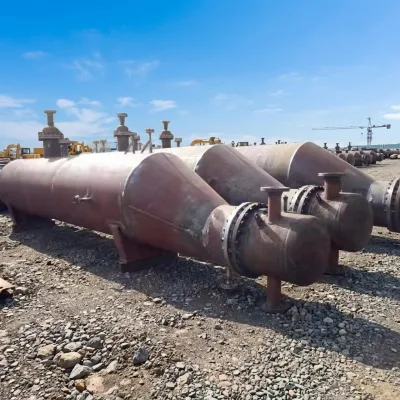
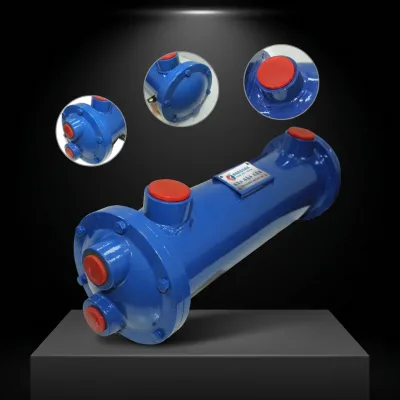


Comprehensive Sourcing Guide
Epoxy Bonded Shell and Tube Heat Exchanger Sourcing Guide
Procuring epoxy bonded shell and tube heat exchangers requires a nuanced understanding of industrial thermal management systems, particularly where corrosion resistance and efficient heat transfer are paramount. Buyers must recognize that while the core keyword specifies an epoxy bonding method, the supplied product data highlights a diverse range of configurations, including stainless steel, carbon steel, and spiral designs. This discrepancy necessitates careful verification of the specific bonding technology versus general shell and tube construction. The observed market signals indicate a strong presence of manufacturers from Shandong and Guangdong provinces in China, offering models that range from standard industrial units to specialized condensers and vaporizers.
Sourcing decisions should be guided by the observed listing signals, which reveal a price range from $50 to $900,000 USD and a minimum order quantity (MOQ) of one unit. This wide variance suggests that the market includes both small-scale custom components and large-scale industrial systems. Buyers should note that while "epoxy bonded" is the search intent, the available data emphasizes materials like stainless steel and carbon steel, with certifications such as CE, ISO, and ASME. It is critical to confirm whether the epoxy application is for internal coating, gasket sealing, or structural bonding, as this significantly impacts the unit’s suitability for specific chemical environments and pressure ratings.
Product Scope and Observed Listing Signals
The product scope encompasses a variety of heat exchanger types, including shell and tube, spiral, plate, and floating head designs, with applications extending to heaters, coolers, condensers, and vaporizers. The observed listings indicate that materials range from Q235B carbon steel to SS304 and SS316 stainless steel, with some units featuring aluminum or ceramic components. Buyers must verify if the epoxy bonding is applied to the shell interior, tube sheets, or gaskets, as the data does not explicitly confirm epoxy usage across all listed models. The presence of "Mixing Heat Exchanger" and "Recuperative Heat Exchanger" principles suggests a broad functional scope, requiring precise alignment with the buyer’s thermal process requirements.
Listing signals also highlight customization options, with working temperature ranges and gasket materials available as per request. The observed packing methods include wooden box packaging, and origins are primarily traced to Feicheng, Shandong, and Guangzhou, Guangdong. Buyers should be aware that while the core keyword implies a specific epoxy technology, the actual products may vary in construction, with some focusing on tubular heat transfer surfaces and others on compact, lightweight designs. It is essential to cross-reference the specific epoxy application with the material specifications to ensure compatibility with the intended fluid media and operating conditions.
Technical Specifications to Verify
Technical verification must begin with the shell and tube configuration, ensuring that the design aligns with the required heat exchange efficiency and pressure ratings. Buyers should confirm the tube material, whether it is stainless steel or carbon steel, and verify the presence of any epoxy lining or coating that enhances corrosion resistance. The observed data mentions "High Heat Exchange Efficiency" and "Compact Volume," but these are general attributes; specific metrics such as heat transfer coefficients, pressure drop, and thermal conductivity must be requested from the supplier. Additionally, the type of heat exchanger, whether it is a shell and tube, spiral, or plate type, must be clearly defined to match the process flow and space constraints.
Further verification should focus on the core components, such as the heat exchange tubes, and the manufacturing standards adhered to, such as GB150 Series, ASME, or TEMA. Buyers must inquire about the working temperature range and pressure limits, as these are often customized but critical for safety and performance. The presence of "Core Evaporative Heat Exchanger" in some listings suggests specialized applications, which may require different epoxy bonding techniques. It is also important to verify the gasket material, as it plays a crucial role in preventing leaks and maintaining the integrity of the epoxy bond under thermal cycling.
Compliance and Safety Documentation
Compliance with international standards is non-negotiable for industrial heat exchangers, and buyers must ensure that the supplier provides valid certification documents. The observed listings mention CE, ISO, ASME, ISO9001, NB, TUV, and SGS certifications, which indicate a level of quality assurance and regulatory adherence. However, buyers must verify that these certifications apply specifically to the epoxy bonded shell and tube units being procured, as certifications may cover broader product lines. The presence of machinery test reports and warranty information, such as a one-year warranty, provides additional assurance of product reliability and after-sales support.
Safety documentation should include detailed material test reports, pressure test results, and compliance with relevant industry standards for hazardous environments. Buyers should request evidence of the epoxy material’s compatibility with the process fluids, including chemical resistance data and thermal stability reports. The observed "Avoid Tube Damage" attribute suggests a focus on durability, but specific safety protocols and failure mode analyses should be reviewed. Ensuring that the supplier adheres to GMP and ISO9001 standards, as mentioned in some listings, can further mitigate risks associated with product failure and operational downtime.
Cost Drivers and Commercial Terms
Cost drivers for epoxy bonded shell and tube heat exchangers include material selection, customization level, and manufacturing complexity. The observed price range of $50 to $900,000 USD reflects the diversity of products, from simple units to large, custom-engineered systems. Buyers should analyze the cost implications of using stainless steel versus carbon steel, as well as the additional costs associated with epoxy coating or bonding processes. The MOQ of one unit suggests flexibility for small orders, but bulk purchases may offer significant discounts, which should be negotiated based on volume and long-term partnership potential.
Commercial terms should clearly define payment conditions, delivery times, and after-sales service provisions. The observed "After-sales Service Provided" and "Best Service" attributes indicate a commitment to customer support, but specific terms such as response time, spare parts availability, and maintenance protocols must be agreed upon in writing. Buyers should also consider the cost of shipping and installation, as these can vary significantly depending on the origin and size of the unit. Transparent pricing and clear commercial terms are essential to avoid hidden costs and ensure a smooth procurement process.
Supplier Qualification and Quality Control
Supplier qualification involves assessing the manufacturer’s production capabilities, quality control processes, and track record in delivering epoxy bonded heat exchangers. Buyers should verify the supplier’s adherence to manufacturing standards such as GB150, ASME, and TEMA, as these ensure consistent quality and safety. The observed presence of SGS certificates and machinery test reports suggests a robust quality control system, but buyers should request detailed inspection reports and third-party audit results. Additionally, the supplier’s ability to provide customized solutions, as indicated by the "Customization: Available" attribute, is a key factor in selecting a reliable partner.
Quality control measures should include rigorous testing of the epoxy bond integrity, pressure testing, and thermal performance validation. Buyers should inquire about the supplier’s defect rate, warranty claims history, and customer feedback to gauge reliability. The observed "Good Quality" and "Reliable Quality" attributes are marketing claims that must be substantiated by objective data. Establishing a clear quality assurance protocol, including incoming material inspections and final product testing, is essential to mitigate risks and ensure that the procured heat exchangers meet the specified performance criteria.
Long-Term Procurement Checks
Long-term procurement checks focus on the sustainability of the supplier relationship and the ongoing performance of the heat exchangers. Buyers should establish regular review cycles to assess the supplier’s ability to meet evolving requirements, including changes in production volume or process conditions. The observed "After-sales Service" and "Warranty" provisions are critical for long-term support, but buyers should also evaluate the supplier’s responsiveness to technical queries and their ability to provide timely maintenance and repairs. Continuous monitoring of the heat exchangers’ performance, including efficiency and leakage rates, is essential to identify potential issues early.
Additionally, buyers should stay informed about advancements in epoxy bonding technologies and materials, as these can offer improved performance and durability. Engaging in periodic technical discussions with the supplier can help identify opportunities for optimization and cost savings. The observed "Export Markets: Global" attribute suggests that the supplier has experience in international trade, which can be beneficial for long-term partnerships. By maintaining a proactive approach to supplier management and performance evaluation, buyers can ensure the reliable and efficient operation of their epoxy bonded shell and tube heat exchangers over their lifecycle.
FAQs
What certifications are available for shell and tube heat exchangers?
Manufacturers typically provide CE, ISO, ASME, ISO9001, Nb, TUV, and SGS certificates. These documents verify compliance with international manufacturing standards such as GB150 Series and Tema. Buyers should request specific certificates to ensure the equipment meets their regional regulatory requirements and safety protocols before finalizing procurement orders.
Can the heat exchanger be customized for specific applications?
Yes, customization is available for various parameters including working temperature ranges and gasket materials. Models like JINTA115 or Q235B/CS allow for tailored specifications. Buyers can request specific packing methods, such as wooden box packages, to ensure safe transport. This flexibility supports diverse industrial needs across global markets.
Which materials are used for the shell and tubes?
Common shell materials include Carbon Steel, SS304, and SS316. The core structure often utilizes stainless steel or metal materials for durability. Tubular heat exchanger designs ensure efficient heat transfer surfaces. Buyers can select materials based on corrosion resistance requirements and the specific chemical properties of the fluids being heated or cooled.
What is the typical warranty and after-sales service provided?
Suppliers generally offer a one-year warranty and dedicated after-sales service. Machinery test reports are provided to verify performance before shipment. This support ensures operational reliability and addresses technical queries promptly. Buyers benefit from structured service agreements that cover maintenance needs and guarantee the longevity of the industrial heating and cooling equipment.
Where are these heat exchangers manufactured and exported?
Production primarily occurs in Shandong, China, with some origins in Guangzhou. These facilities export globally to various international markets. The manufacturing standards adhere to GB150 Series and ASME guidelines. Buyers can source directly from these regions, ensuring access to competitive pricing and reliable industrial equipment for their specific engineering projects.
What is the minimum order quantity for these units?
The observed minimum order quantity is typically one unit. This low MOQ allows buyers to procure single units for testing or specific project needs. It facilitates flexible sourcing strategies for small-scale industrial applications. Buyers can order individual units without committing to large bulk purchases, making it suitable for diverse operational requirements.