Source Evening Wedding Gown for Dancing, Parties, and Weddings
Find 30 Evening Wedding Gown options featuring satin, polyester, and chiffon fabrics in styles like mermaid and A-line. Compare specifications including size, sleeve style, and customization availability for dancing, evening parties, and weddings; compare the available evidence and request quotations based on your requirements.
Updated
Key considerations
Products List


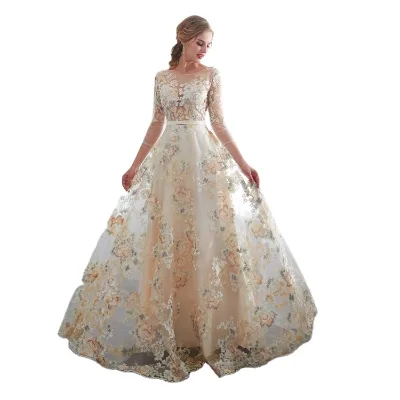
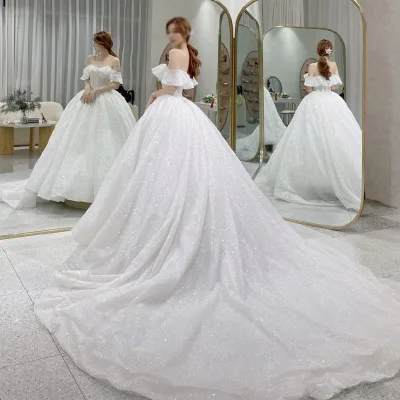
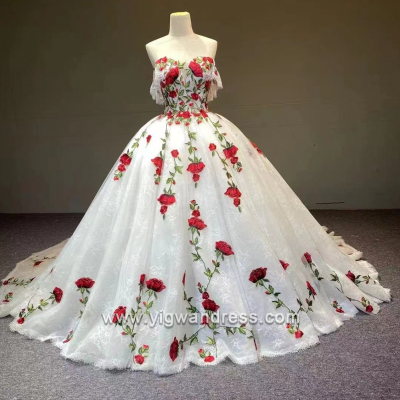
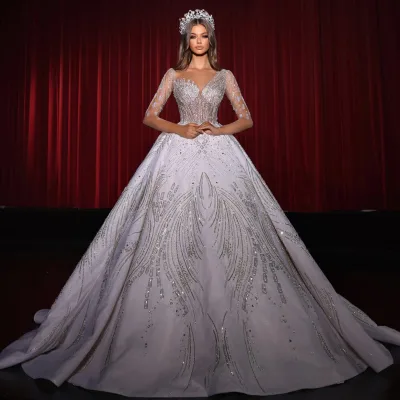


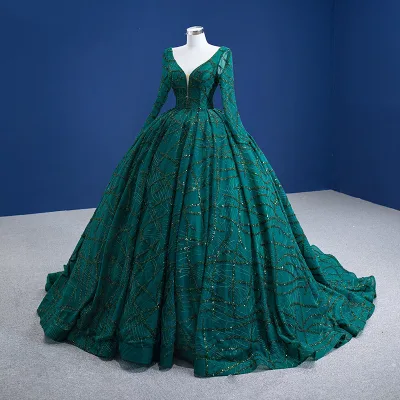
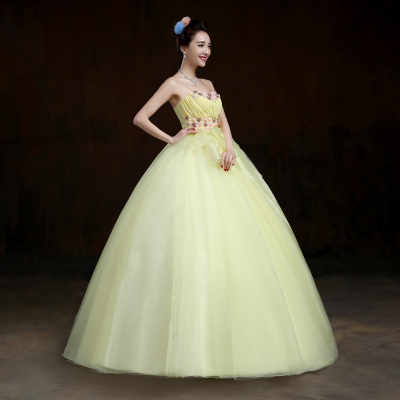
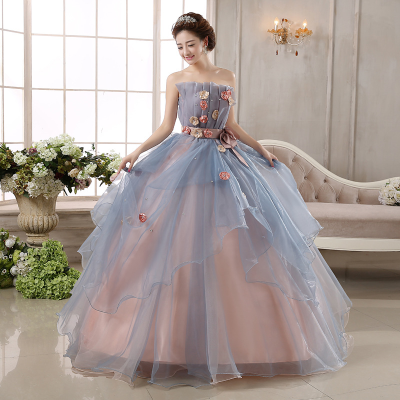
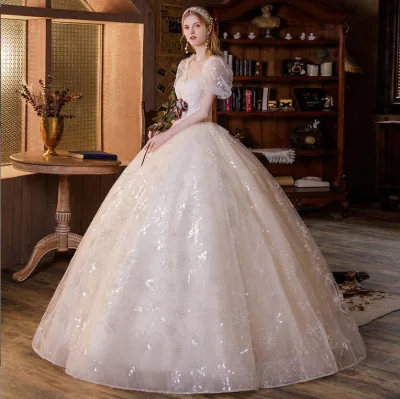
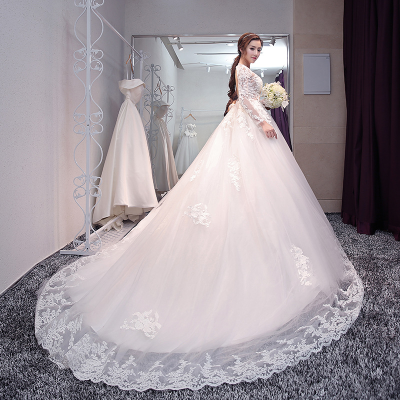
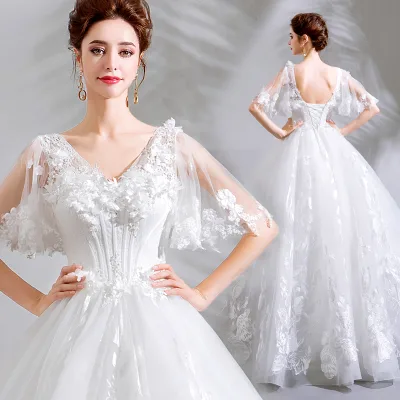
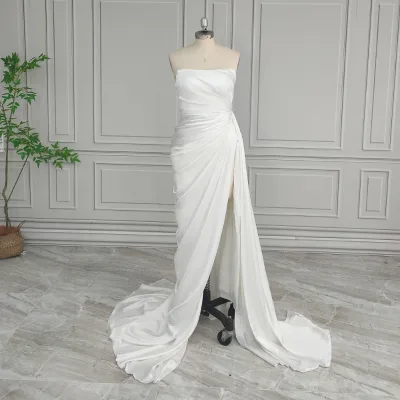
Comprehensive Sourcing Guide
Evening Wedding Gown Sourcing Guide
Sourcing evening wedding gowns requires a nuanced understanding of diverse design aesthetics, material properties, and production capabilities. Buyers must navigate a market where terms like "mermaid," "A-line," and "strapless" define not just style but also structural engineering and fit. The observed product landscape reveals a wide spectrum of options, ranging from satin gowns with lace embellishments to polyester chiffon designs suitable for summer occasions. Each variation demands specific verification steps to ensure the final product aligns with the intended bridal vision and functional requirements.
Procurement decisions are heavily influenced by customization availability and minimum order quantities, which vary significantly across suppliers. Some listings indicate an MOQ of 10000 units, suggesting a focus on large-scale wholesale or mass production, while others offer lower thresholds of 500 units, catering to boutique brands or smaller events. Understanding these commercial boundaries is crucial for aligning inventory strategy with budget constraints. Furthermore, the origin of production, predominantly noted as China, impacts logistics, lead times, and quality control protocols that buyers must integrate into their supply chain management.
Product Scope and Observed Listing Signals
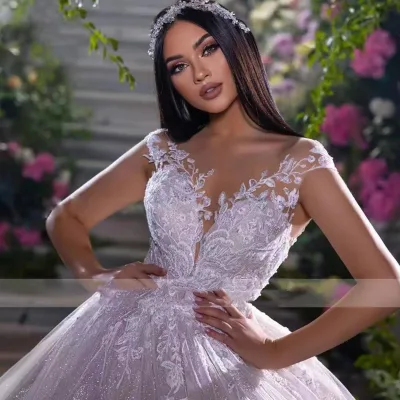
The current market for evening wedding gowns encompasses a variety of styles, including mermaid, A-line, and strapless silhouettes, each serving distinct aesthetic preferences. Observed listings highlight specific attributes such as double-layer construction, full-length designs, and embellishments like lace, which add texture and visual interest. Materials range from satin to polyester, with color options extending beyond traditional white to include ivory and champagne, allowing for greater personalization. These signals help buyers identify products that match specific bridal themes, from classic elegance to modern, sexy aesthetics suitable for evening parties.
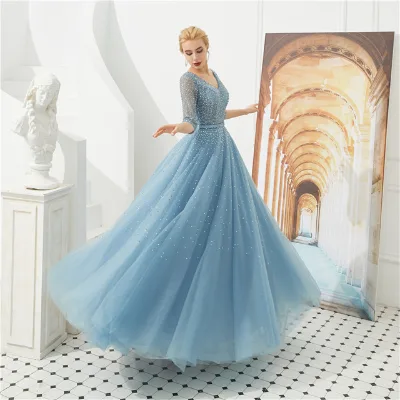
Occasion-specific features are also prominent, with gowns designed for summer wear, middle-aged demographics, and age groups like 18-25 years old. Sleeve styles vary from strapless to short sleeve and long sleeve, while dress lengths include full-length, knee-length, mid-calf, and mini options. This diversity indicates a broad product scope that caters to different body types and seasonal requirements. Buyers should carefully cross-reference these observed attributes with their target customer profiles to ensure the selected gowns meet the functional and stylistic needs of the intended market segment.
Technical Specifications to Verify
Verifying technical specifications is critical to ensuring the gowns meet quality and fit expectations. Buyers must confirm size ranges, which often span from S to 2XL or offer customized sizing, to accommodate diverse body types. Model numbers such as 46423, Wedding Bridal Dress-078F, and One-Shoulder Dress-055X serve as unique identifiers for tracking production batches and design variations. Detailed verification of fabric types, such as polyester chiffon or satin, and features like washability, ensures the material performance aligns with usage scenarios, whether for single-use events or repeated wear.
Packaging standards also require attention, with options ranging from individual polybag packing to bulk carton configurations of 25 pieces. These specifications impact storage efficiency and protection during transit. Additionally, buyers should verify the dress layer construction, such as double-layer designs, which affect opacity and durability. Confirming these technical details with suppliers before placing orders helps prevent discrepancies between samples and bulk production, ensuring that the final products adhere to the agreed-upon design and quality parameters.
Compliance and Safety Documentation
While specific certification statuses like CE, OEKO-TEX, or ISO 9001:2025 are mentioned in background contexts, buyers must independently verify the actual compliance documentation held by suppliers. These standards relate to product safety, environmental impact, and quality management systems, which are essential for ethical sourcing and market access. Buyers should request valid certificates and audit reports to confirm that manufacturing processes adhere to recognized international norms. This verification step mitigates risks associated with non-compliant materials or unsafe production practices, protecting brand reputation and consumer safety.
Documentation should also include detailed material composition statements, particularly for fabrics like polyester and satin, to ensure transparency regarding fiber content and potential allergens. Buyers must ensure that suppliers provide clear information on dyeing processes and chemical treatments used in the production of evening gowns. Access to these documents facilitates smoother customs clearance and ensures that the products meet regulatory requirements in destination markets. Proactive engagement with suppliers on compliance matters establishes a foundation of trust and accountability in the supply chain.
Cost Drivers and Commercial Terms
Cost structures for evening wedding gowns are influenced by material choices, design complexity, and order volumes. The observed price range of 0.5 to 625 USD reflects significant variation based on factors such as fabric quality, embellishment density, and customization levels. Buyers must analyze these costs in relation to the specified MOQs, which range from 1 to 500 units, to determine the most economical order size. Higher MOQs, such as 10000 units, may offer lower per-unit costs but require greater capital investment and storage capacity, impacting cash flow and inventory management strategies.
Commercial terms also include customization options and OEM availability, which can add to production costs but provide competitive differentiation. Buyers should negotiate clear terms regarding packaging requests, such as custom polybag or carton configurations, to avoid unexpected fees. Understanding the relationship between design specifications and pricing helps in budgeting accurately. Additionally, buyers must consider the implications of customized standards and packing requirements on lead times and overall project timelines, ensuring that commercial agreements align with operational capabilities and market launch schedules.
Supplier Qualification and Quality Control
Qualifying suppliers involves assessing their production capabilities, customization flexibility, and quality control processes. Buyers should verify the supplier's ability to handle customized requests, as indicated by the availability of OEM services and tailored packing solutions. Evaluating their track record in producing specific styles, such as mermaid or A-line gowns, ensures they possess the necessary technical expertise. Requesting samples and conducting thorough inspections of stitching, fabric quality, and embellishment attachment is essential to confirm that the supplier can consistently deliver products that meet defined standards.
Quality control protocols should be established to monitor production stages, from fabric cutting to final packaging. Buyers must ensure that suppliers adhere to standardized packing methods, such as 1PC/Polybag or 25PC/Carton, to maintain product integrity during shipping. Regular communication and clear specification sheets help minimize errors and rework. Implementing a robust quality assurance framework, including pre-shipment inspections, reduces the risk of receiving defective goods and ensures that the evening wedding gowns meet the expected quality levels before reaching the end consumer.
Long-Term Procurement Checks
Long-term procurement success depends on continuous monitoring of supplier performance and market trends. Buyers should regularly review supplier adherence to agreed-upon standards, including customization accuracy and packaging consistency. Establishing key performance indicators related to delivery times, defect rates, and responsiveness to changes helps in evaluating supplier reliability over time. This ongoing assessment allows for proactive management of supply chain risks and ensures that the sourcing strategy remains aligned with business objectives and customer expectations.
Additionally, buyers must stay informed about evolving fashion trends and material innovations in the evening gown market. Regularly updating product specifications and exploring new design options, such as varying sleeve styles or fabric types, helps maintain competitiveness. Building strong relationships with suppliers through transparent communication and fair commercial practices fosters collaboration and innovation. By maintaining a dynamic and responsive procurement approach, buyers can effectively navigate the complexities of the Evening Wedding Gown market and sustain long-term growth and profitability.
FAQs
What materials are used for evening wedding gowns?
Evening wedding gowns are crafted from satin or polyester fabrics. Satin options feature lace embellishments and a double-layer construction for elegance. Polyester variants offer a washable, short-sleeve design suitable for summer parties. Both materials ensure durability and comfort for formal occasions like weddings and evening events.
Can I customize the size of an Evening Wedding Gown?
Yes, customization is available for evening wedding gowns. Sizes range from S to 2XL, or you can request fully customized measurements. This flexibility ensures a perfect fit for various body types. Buyers should specify their exact requirements during the ordering process to guarantee the garment meets their specific sizing needs.
What is the minimum order quantity for these gowns?
The minimum order quantity varies by product model. Some styles require an MOQ of 500 pieces, while others may demand 10,000 units. Buyers should check the specific model details to determine the applicable threshold. This range accommodates both small boutique orders and large-scale wholesale purchases effectively.
How are evening wedding gowns packaged for shipping?
Packaging methods depend on the specific product model. Some gowns are packed individually in polybags, while others follow client requests. Standard cartons may contain 25 pieces per unit. This flexible approach ensures safe transport and allows buyers to choose packaging that aligns with their logistical preferences and storage requirements.
Which styles are available for evening wedding gowns?
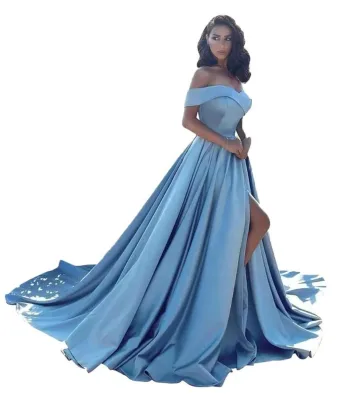
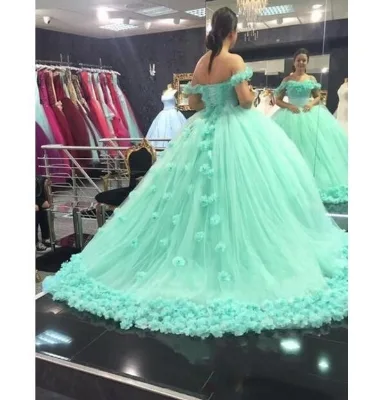
Available styles include mermaid, A-line, and strapless designs. Options range from full-length gowns to mini or knee-length skirts. Features like halter necks, one-shoulder cuts, and long sleeves are offered. These diverse styles cater to different tastes, ensuring suitable choices for brides, mothers of the bride, and party guests.
Where are these evening wedding gowns manufactured?
These evening wedding gowns are manufactured in China. The production facilities offer OEM services to meet specific brand requirements. Buyers can leverage this location for cost-effective sourcing. The origin ensures access to established supply chains and manufacturing expertise, facilitating efficient production and timely delivery for international orders.