Eco Friendly Lace Wedding Dress Suppliers and Manufacturers
Compare 12 verified suppliers offering Eco Friendly Lace Wedding Dress options with details on location, lead times, and response speeds. Review product attributes like customization and MOQ to select the right partner for your needs; review the available evidence before requesting comparable quotations from suitable candidates.
Suppliers List

- Verified by CTI
- Trading Company
- China Anhui
- Lead time23 days
- Avg. response≤ 1h
Main productsFurniture, Home Furniture
Main marketsSoutheast Asia/ Mideast

Yuanyang Jiayun Department Store Co., Ltd.
- Trading Company
- Henan, China
- Lead time0 days
- Avg. response≤ 3h
Main productsWomen clothes,Bag,Shoes,Human hair,Eyelashes
Main marketsNorth America(70.00%), Africa(10.00%), Southeast Asia(5.00%)

Suzhou Leader Apparel Co., Ltd.
- Combined
- China Jiangsu
- Lead time23 days
- Avg. response≤ 7h
Main productsWedding Dress Manufacturer, Custom Wedding Dresses, Evening Dress, Prom Dress, Ball Gown, Mother of The Bride Dress, Bridesmaid Dress, Stock Flower Girl Dress, Men Suits, Dresses
Main marketsSouth America,Domestic,Europe,Australia,North America

Weihai Sisco International Trade Co., Ltd
- Verified by SGS
- Trading Company
- China Shandong
- Lead time23 days
- Avg. response≤ 18h
Main marketsSoutheast Asia/ Mideast,East Asia(Japan/ South Korea)
Yiwu Wetong Clothing Co., Ltd.
- Trading Company
- Zhejiang, China
- Lead time旺季: "1 - 1":30,"2 - 10":45,"> 10":"To be negotiated", 淡季: "1 - 1":30,"2 - 10":45,"> 10":"To be negotiated"
- Avg. response≤ 3h
Main productsWedding Dresses,Evening Dress,Wedding Accerssories,Lace Fabric,Sewing Accessories
Main marketsNorth America(30.00%), Oceania(10.00%), Southern Europe(10.00%), Northern Europe(10.00%), Eastern Europe(10.00%), Western Europe(10.00%), Africa(5.00%), Southeast Asia(5.00%), South America(5.00%), Mid East(5.00%)
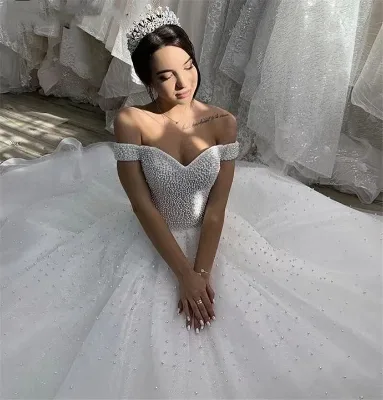
Wedding Dress Lace Off Shoulder New Small Trailing Tassel Wedding Dress
$115.00 - $125.00
MOQ: 1 pieces
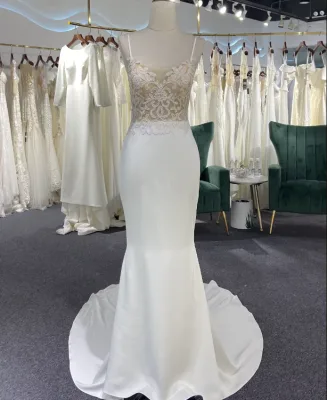
2024 Summer Stain Wedding Dresses Lace V-Neck Bride Dress 3D Flowers A-Line Wedding
$315.00 - $345.00
MOQ: 1

Sichuan Chenhai International Trade Co., Ltd.
- Trading Company
- China Sichuan
- Lead time0 days
- Avg. response≤ 3h
Main productsSocks, Lingerie
Guangzhou Angel Bridal Gown Factory
- Manufacturer, Trading Company
- Guangdong, China
- Lead time15 days
- Avg. response≤ 5h
Main productsWedding Dress,Bridesmaids Dress,Evening Dress,Mother Of Bridal Gown,Flower Girl Dress
Main marketsNorthern Europe(20.00%), Western Europe(20.00%), Southern Europe(10.00%), South America(10.00%), Africa(10.00%), Eastern Europe(10.00%), Mid East(5.00%), North America(5.00%), Southeast Asia(5.00%), Central America(5.00%)
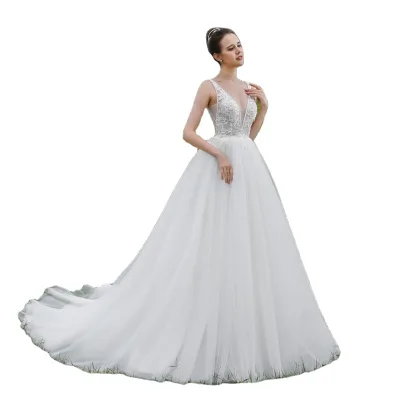
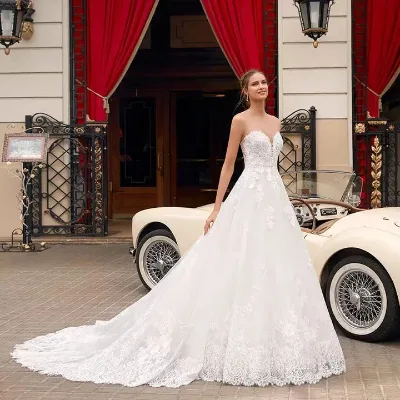
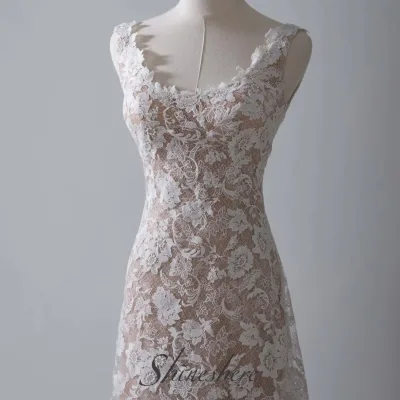
Lace v Neck Beautiful Wedding Gowns Design Simple Wedding Dress
$200.00 - $235.00
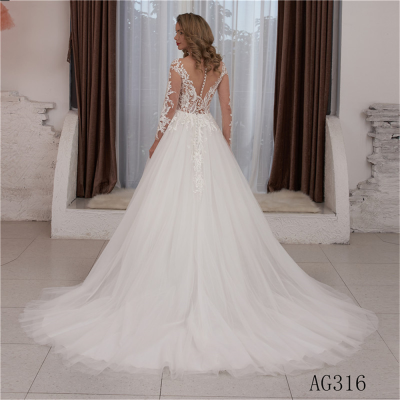
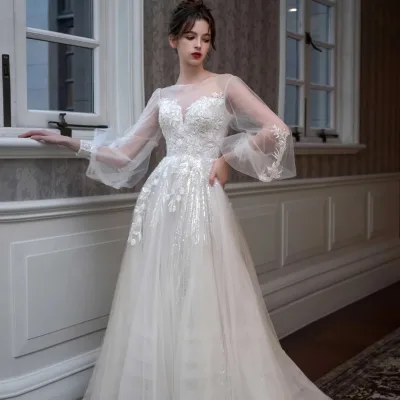
Transparent Long Sleeve Lace Beaded Bridal Dress Wedding
$150.00 - $230.00
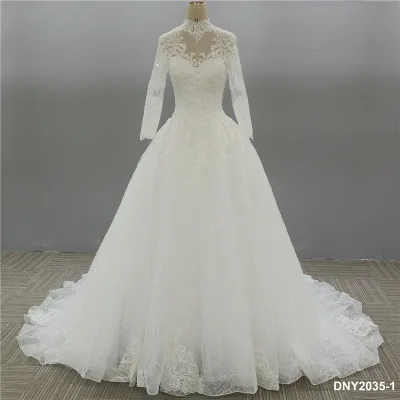
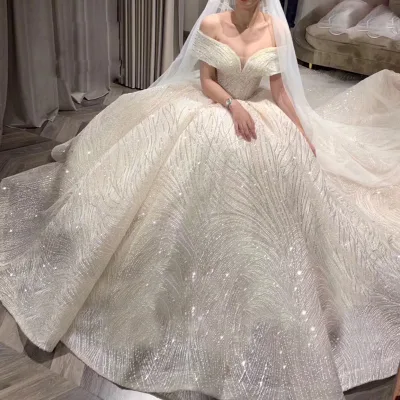
Lace Applique Bead Shiny Glitter Backless Wedding Dress
$149.00 - $169.00
Suzhou Jusere Wedding & Evening Dress Co., Ltd.
- Manufacturer, Trading Company
- Jiangsu, China
- Lead time35 days
- Avg. response≤ 10h
Main productsWedding Dress,Evening Dress,Prom Dress,Mother of the bride dress,flower girl dress
Main marketsDomestic Market(30.00%), North America(20.00%), Western Europe(15.00%), Mid East(15.00%), Oceania(5.00%), South Asia(2.00%), Southern Europe(2.00%), Northern Europe(2.00%), Central America(2.00%), Africa(2.00%), Eastern Asia(2.00%), South America(2.00%), Eastern Europe(1.00%)
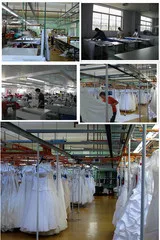
Suzhou Zhongsheng Dress Company Limited
- Trading Company
- Jiangsu, China
- Lead time30 days
- Avg. response≤ 9h
Main productsWedding Dress,girl dress,Bedding sets,evening dress,wedding gift
Main marketsDomestic Market(7.14%), South Asia(7.14%), Southern Europe(7.14%), Northern Europe(7.14%), Central America(7.14%), Western Europe(7.14%), Eastern Asia(7.14%), Mid East(7.14%), Oceania(7.14%), Africa(7.14%), Southeast Asia(7.14%), Eastern Europe(7.14%), South America(7.14%), North America(7.14%)
Oriental Dimension (Chengdu) Textile Co., Ltd.
- Trading Company
- Sichuan, China
- Lead time0 days
- Avg. response≤ 6h
Main productsEmbroidery Lace,French Lace,Fashion Dress Lace,Wedding Veil,Trimming And Motif
Main marketsDomestic Market(100.00%), South Asia(100.00%), Southern Europe(100.00%), Northern Europe(100.00%), Central America(100.00%), Western Europe(100.00%), Eastern Asia(100.00%), Mid East(100.00%), Oceania(100.00%), Africa(100.00%), Southeast Asia(100.00%), Eastern Europe(100.00%), South America(100.00%), North America(100.00%)
Shenzhen Innoview Technology Co., Ltd.
- Trading Company
- Guangdong, China
- Lead time20 days
- Avg. response≤ 3h
Main productsGame Controller,speakers,sound cards,bicycle accessories,igs sports
Main marketsDomestic Market(30.00%), North America(11.00%), Western Europe(8.00%), Southeast Asia(8.00%), Eastern Europe(8.00%), South America(5.00%), Southern Europe(5.00%), Eastern Asia(5.00%), Northern Europe(5.00%), Oceania(5.00%), Africa(4.00%), Mid East(4.00%), Central America(1.00%), South Asia(1.00%)
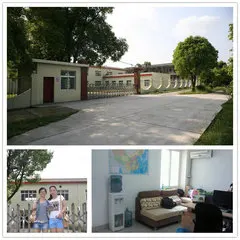
Changsha Ayhhed Biotechnology Co., Ltd.
- Trading Company
- Hunan, China
- Lead time10 days
- Avg. response≤ 8h
Main productsBicycle Accessories,Mom and baby goods,Fashion Clothes,Wedding and evening dress,Herbal & Flower Tea
Main marketsSouthern Europe(10.00%), Northern Europe(10.00%), Oceania(10.00%), Central America(10.00%), Western Europe(10.00%), Eastern Europe(10.00%), South America(10.00%), North America(10.00%), Mid East(5.00%), Africa(5.00%), Southeast Asia(5.00%), Eastern Asia(3.00%), South Asia(2.00%)


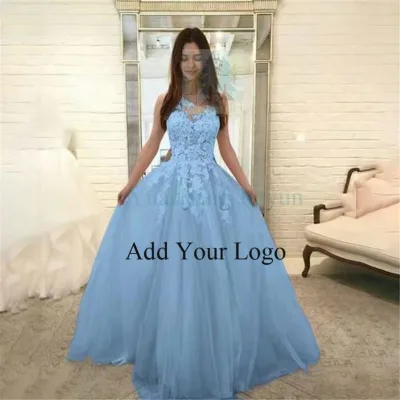
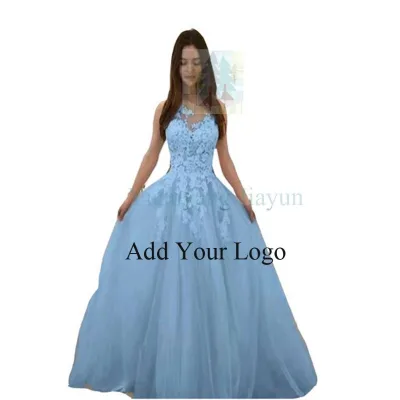
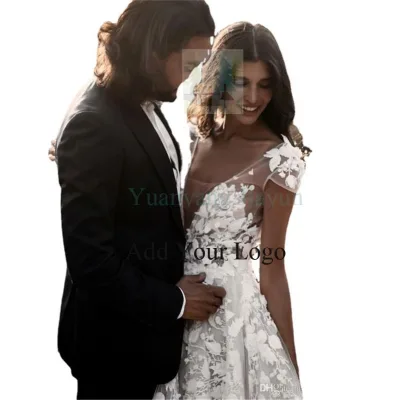



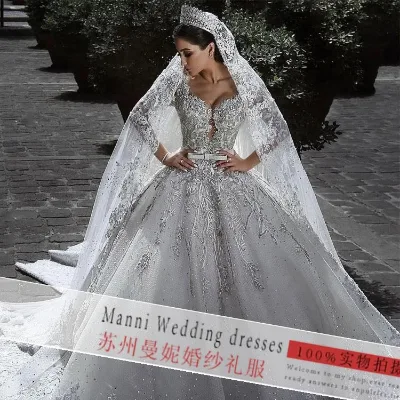
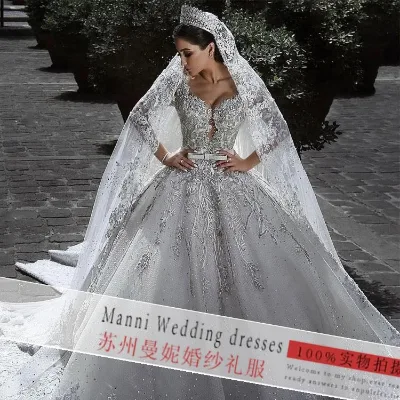
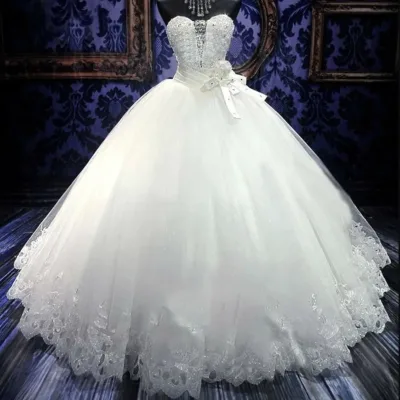
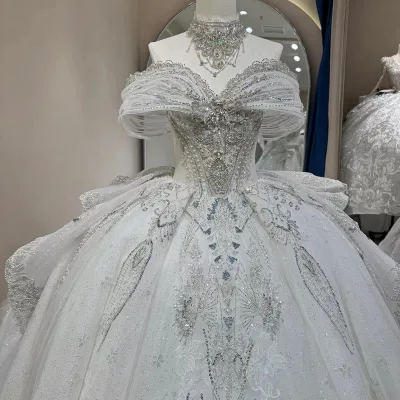
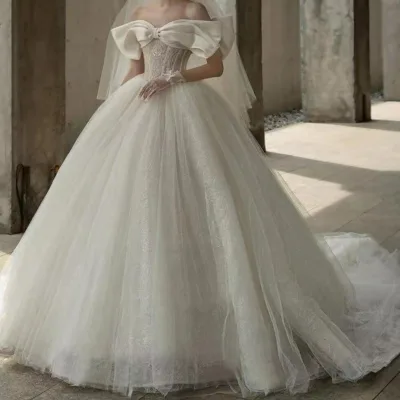
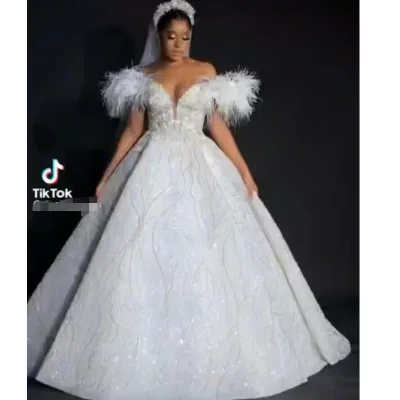
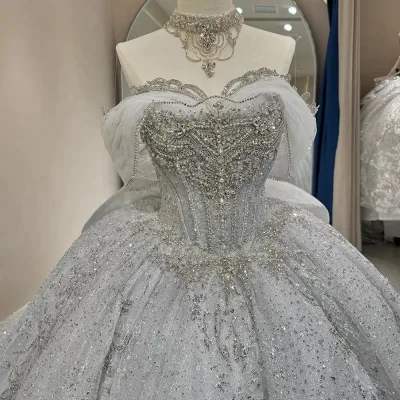
Comprehensive Sourcing Guide
Eco Friendly Lace Wedding Dress Supplier Concentration and Factory Types
Current data indicates a concentration of suppliers in China Anhui and Henan, though specific factory clusters for eco-friendly lace wedding dresses require further verification. The observed supplier types include trading companies that aggregate products like furniture and apparel, suggesting a mixed supply chain where direct manufacturing may be less transparent. Buyers should identify clusters by requesting factory addresses and cross-referencing them with industrial zones known for textile production, rather than relying on general location names. The presence of trading companies implies that some suppliers may not own the production facilities, necessitating a deeper inquiry into their actual manufacturing capabilities.
To assess factory types accurately, buyers must distinguish between pure trading entities and manufacturers with in-house production lines. The available data shows suppliers listing diverse main products, ranging from furniture to women's clothing, which often signals a trading company structure rather than a specialized factory. A specialized factory would typically focus exclusively on wedding apparel or lace textiles. Buyers should verify if the supplier owns the machinery for lace embroidery and fabric dyeing, as this impacts quality control and customization speed. Without explicit factory ownership data, the assumption should lean toward a trading model unless proven otherwise through site audits or detailed capability statements.
How to Verify Eco Friendly Lace Wedding Dress Suppliers
Verification of eco-friendly claims requires checking for specific certifications that are not currently visible in the provided supplier data. While some suppliers display CTI verification, this generally confirms business legitimacy rather than environmental compliance or material sustainability. Buyers must explicitly request third-party test reports for organic cotton, recycled polyester, or low-impact dyeing processes to validate eco-friendly assertions. The absence of listed certifications like GOTS or Oeko-Tex in the current results means buyers cannot assume any supplier meets strict environmental standards without direct proof.
Response times and verification status offer initial insights into supplier reliability but do not confirm product sustainability. A response time of 0.62 hours suggests high availability, yet this metric does not correlate with the quality of eco-friendly materials used. Buyers should prioritize suppliers who can immediately provide material composition details and environmental compliance documents. It is crucial to ask for the specific origin of the lace and the chemical treatments used during production. Without these specific details, any claim of being eco-friendly remains unverified, and buyers should treat such claims as marketing statements until substantiated by independent laboratory results.
What to Compare Across Eco Friendly Lace Wedding Dress Suppliers
When comparing suppliers, key dimensions include lead times, minimum order quantities, and response speeds, which vary significantly across the available data. Lead times observed range from zero to 23 days, indicating diverse production capacities and inventory levels. Some suppliers list a minimum order quantity of 10,000 units, while others show a product-level MOQ of 500, highlighting a wide disparity in order flexibility. Buyers must align these figures with their own volume requirements to avoid overstocking or facing unfulfillable orders. The variation in MOQs suggests that some suppliers cater to large-scale wholesale while others may accommodate smaller, specialized batches.
Price points and customization options also serve as critical comparison factors. Product prices in the current data range from approximately $11.67 to $284.80, reflecting differences in material quality, design complexity, and production methods. Customization availability is noted as "Available" across several listings, yet the specific scope of customization, such as fabric sourcing or design modifications, needs clarification. Buyers should compare the cost implications of customizing eco-friendly materials versus standard options. Additionally, the main products listed by suppliers, such as furniture or general apparel, may indicate a lack of specialization in wedding dresses, affecting the depth of expertise available for specific eco-friendly requirements.
Common Eco Friendly Lace Wedding Dress Sourcing Risks
A primary risk involves the discrepancy between marketing claims and actual material composition, especially when certifications are not explicitly displayed. Suppliers may label products as eco-friendly without providing verifiable evidence of sustainable sourcing or production practices. The current data lacks specific details on fabric origins or chemical usage, leaving buyers vulnerable to greenwashing. Without concrete test results or certification documents, buyers cannot confirm if the lace is truly made from recycled or organic materials. This uncertainty poses a significant reputational risk if the final product fails to meet the promised environmental standards.
Another risk is the inconsistency in minimum order quantities and lead times, which can disrupt supply chain planning. Some suppliers list an MOQ of 10,000 units, which may be prohibitive for smaller brands or test orders. Conversely, a lead time of zero days might indicate a drop-shipping model or a lack of actual inventory, potentially leading to delays once an order is placed. The mix of product categories, such as furniture and apparel, suggests that some suppliers may not prioritize wedding dress production, increasing the risk of quality inconsistencies. Buyers must carefully evaluate these operational metrics to ensure they align with their business needs and timeline expectations.
Eco Friendly Lace Wedding Dress Regional Sourcing and Logistics
Regional sourcing in China Anhui and Henan presents specific logistical considerations that buyers must evaluate. While these locations are identified in the data, the specific industrial zones for textile manufacturing require further investigation to ensure efficient logistics. Buyers should verify the proximity of the supplier to major ports or logistics hubs to minimize shipping costs and transit times. The distance between the factory and the port can significantly impact the overall cost and delivery schedule, especially for heavy or bulky items like wedding dresses.
Logistics planning must also account for the variability in lead times and packaging standards observed in the data. Some products are packed in polybags, while others may have different packaging requirements that affect shipping efficiency. Buyers should confirm if the supplier offers consolidated shipping options to reduce costs when ordering from multiple sources. Additionally, the response time of suppliers, ranging from 0.62 to 3 hours, can influence how quickly logistics issues are resolved. Clear communication regarding shipping terms and packaging standards is essential to avoid delays and ensure that eco-friendly materials are handled correctly throughout the supply chain.
Eco Friendly Lace Wedding Dress Commercial Terms and Order Planning
Commercial terms regarding payment, escrow, and order planning are critical for managing risk in eco-friendly sourcing. The current data does not explicitly mention escrow services or specific payment terms, leaving buyers to negotiate these details directly with suppliers. Establishing clear payment schedules and utilizing secure payment methods can protect against non-delivery or quality disputes. Buyers should also clarify the terms for customization, including any additional costs or timeframes associated with modifying standard designs to meet eco-friendly specifications.
Order planning must consider the wide range of minimum order quantities and lead times observed. With MOQs varying from 500 to 10,000 units, buyers need to strategize their inventory levels carefully to balance cost efficiency with storage constraints. The lead times, ranging from zero to 23 days, require precise scheduling to ensure timely delivery for wedding seasons. Buyers should also plan for potential delays by building buffer time into their production schedules. Understanding the supplier's capacity to handle custom orders and their ability to meet specific environmental standards is essential for successful order planning and execution.
FAQs
What is the price range for lace wedding dresses?
Prices for lace wedding dresses vary significantly based on style and material. Options range from approximately $11.67 for casual styles to over $284.80 for intricate beaded designs. Buyers should review specific product listings to confirm exact costs for their desired customization and quantity requirements.
What are the typical MOQs for lace wedding dresses?
Manufacturers often require a Minimum Order Quantity of 10,000 units for custom OEM lace wedding dresses. However, some suppliers offer lower MOQs, such as 500 or 100 units, for ready-made or specific stock items. Always verify the MOQ directly with the supplier before placing an order.
Where are lace wedding dress suppliers located?
Suppliers for lace wedding dresses are primarily located in China, specifically in regions like Anhui and Henan. These areas host trading companies and manufacturers specializing in apparel. Buyers can filter results by these locations to find suppliers with established logistics and production capabilities for international shipping.
How long does it take to produce lace wedding dresses?
Lead times for lace wedding dresses can vary, with some suppliers reporting production times around 23 days. Other suppliers may list zero lead time for stock items. It is essential to confirm the current production schedule with the supplier, as lead times depend on order volume and customization needs.
What materials are used in lace wedding dresses?
Common materials include satin, polyester, and cotton blends. Many dresses feature lace embellishments or beading for a decorative finish. Styles range from mermaid to A-line, with options for strapless or long sleeves. Buyers should check product attributes to ensure the material meets their specific quality and aesthetic preferences.
Can lace wedding dresses be customized?
Yes, many suppliers offer customization services for lace wedding dresses. Options include custom sizing, color changes, and specific design modifications. OEM services are available for buyers seeking branded products. Confirm customization details and any associated costs or minimum order requirements directly with the supplier to ensure alignment with your needs.