Vintage Appliqued Ball Gown Suppliers and Manufacturers
Source 14 verified suppliers for Vintage Appliqued Ball Gown options. Compare key dimensions including location, response time, lead time, and pricing. Review product specifications and MOQs to identify the right partner. Contact suppliers directly to request quotes and samples; review the available evidence before requesting comparable quotations from suitable candidates.
Suppliers List

Weihai Sisco International Trade Co., Ltd
- Verified by SGS
- Trading Company
- China Shandong
- Lead time23 days
- Avg. response≤ 17h
Main marketsSoutheast Asia/ Mideast,East Asia(Japan/ South Korea)


Enchanting Beaded Sweetheart-Neck Floral-Applique Quinceanera Ball Gown
$414.00 - $538.00
MOQ: 100 Pieces


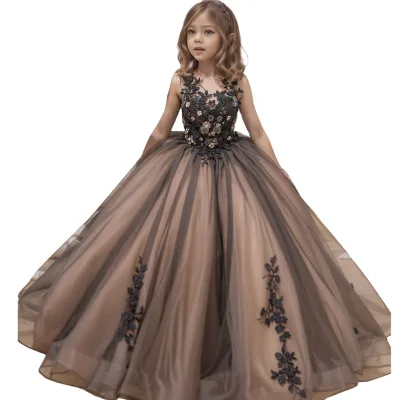
Romantic Floral-Applique off-The-Shoulder Printed-Tulle Quinceanera Ball Gown
$402.00 - $523.00
MOQ: 50 Pieces
Suzhou Chengjun Wedding Dress Co., Ltd.
- Manufacturer, Trading Company
- Jiangsu, China
- Lead time0 days
- Avg. response≤ 7h
Main productsWedding Dress,Prom Dress,Wvening Dress,Party Dress,Bridesmaid Dress
Main marketsWestern Europe(30.00%), North America(30.00%), South Asia(15.00%), Southeast Asia(15.00%), Northern Europe(10.00%), Southern Europe(10.00%)
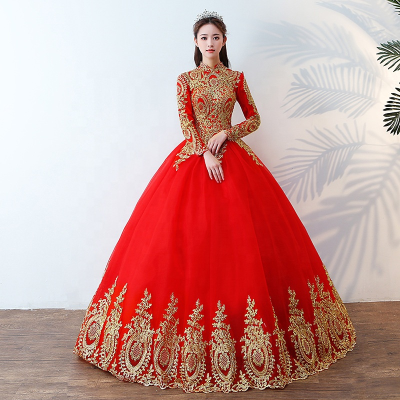
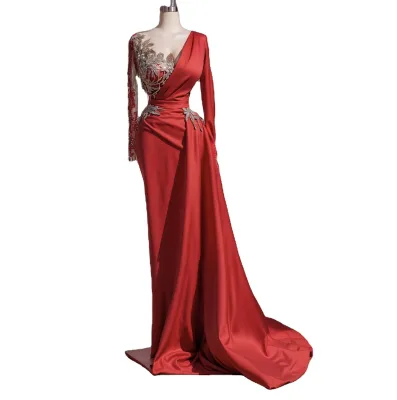
China Custom Red Ball Gown Simple Vintage Traditional Wedding Dresses
$109.00 - $229.00
MOQ: 1 Minimum
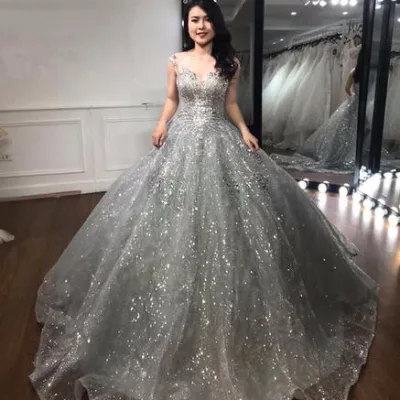

Suzhou Gilka Trading Co., Ltd.
- Trading Company
- China Jiangsu
- Lead time23 days
- Avg. response≤ 5h
Main productsClothing and Apparel Wholesale, Wedding Dresses, Embroidery Lace Fabrics, Glliter Tulle Fabrics, Wedding Gowns, Party Dresses, Trimming Lace, Factory OEM Fabrics, Western Fabrics, Vestidos Fabrica
Main marketsSouth America,North America


Customized Design Soft Tulle Lace Applique up Back Ball Gown Wedding Dress
$217.00 - $350.00
MOQ: 1 Pieces

Sexy off-Shoulder Handmade Beading Lace Applique Ball Gown Bridal Wedding Dress
$217.00 - $398.00
MOQ: 1 Pieces

Blingbling Beading Lace Ball Gown Hollowing Back Wedding Dress with Short Sleeves
$217.00 - $378.00
MOQ: 1 Pieces


Customized off Shoulder Handmade Lace Beading Ball Gown Women's Wedding Dresses
$379.00 - $599.00
MOQ: 1 Pieces
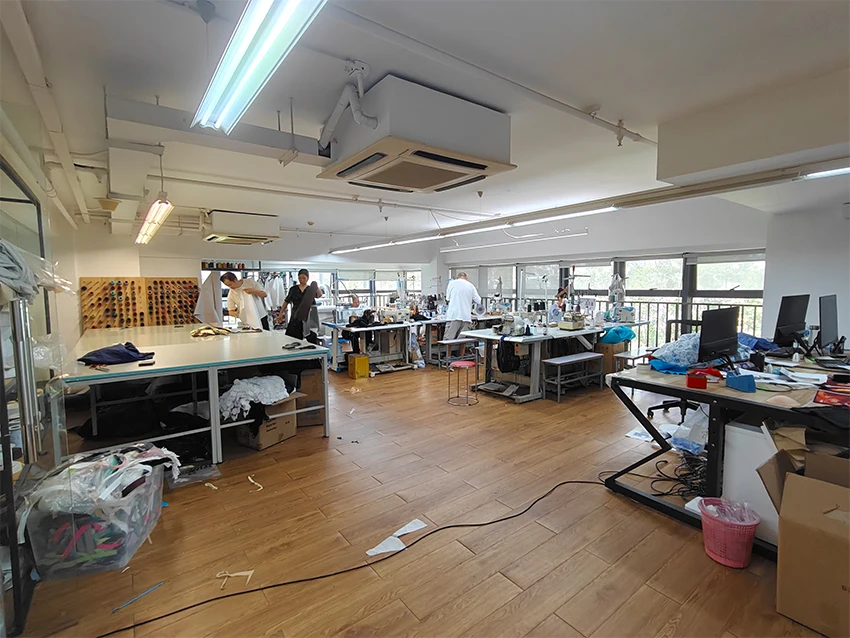
Guangzhou Fifthapparel Trading Company Ltd.
- Manufacturer
- Guangdong, China
- Lead time0 days
- Avg. response≤ 5h
Main productsWomen Dress,Women Tops,Women Bottom,Women Jacket,Women Sleepwear
Main marketsNorth America(30.00%), Oceania(30.00%), Southern Europe(10.00%), South America(10.00%), Western Europe(10.00%), Eastern Europe(10.00%)
Suzhou Zhongsheng Dress Company Limited
- Trading Company
- Jiangsu, China
- Lead time30 days
- Avg. response≤ 9h
Main productsWedding Dress,girl dress,Bedding sets,evening dress,wedding gift
Main marketsDomestic Market(7.14%), South Asia(7.14%), Southern Europe(7.14%), Northern Europe(7.14%), Central America(7.14%), Western Europe(7.14%), Eastern Asia(7.14%), Mid East(7.14%), Oceania(7.14%), Africa(7.14%), Southeast Asia(7.14%), Eastern Europe(7.14%), South America(7.14%), North America(7.14%)
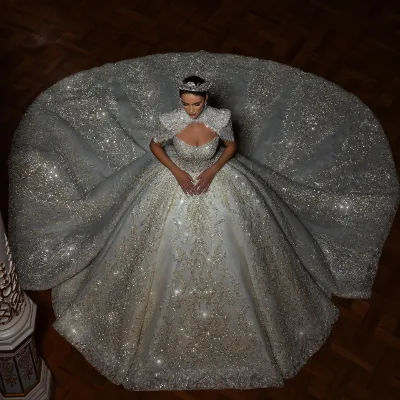
$695.00 - $895.00
MOQ: 1 pieces
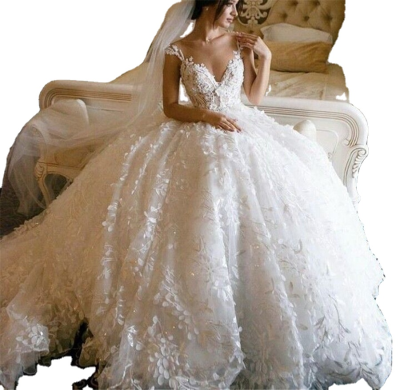
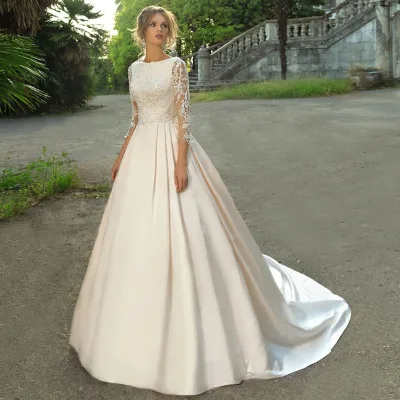
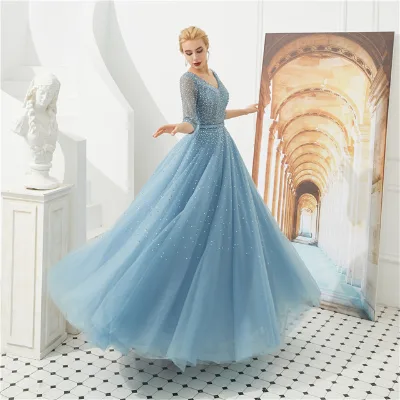
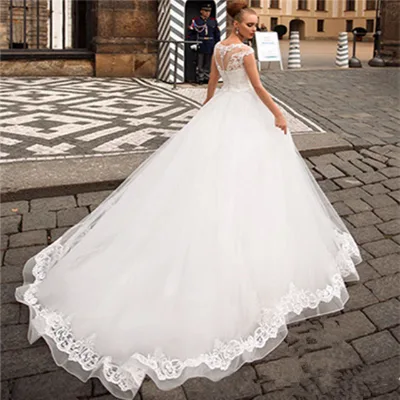
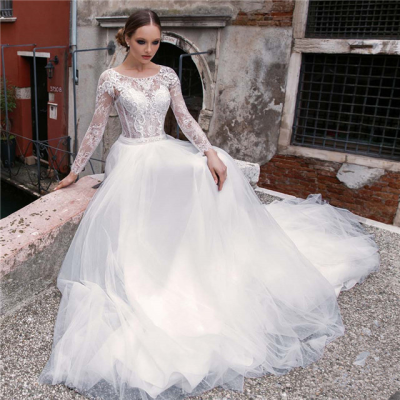
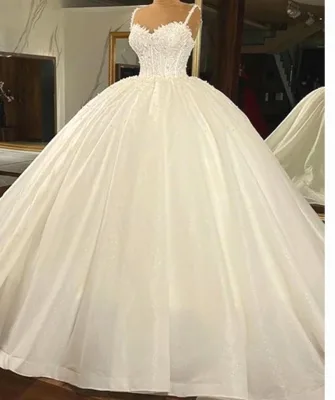
NEW High Low Bridal Gowns Ball Gown Wedding Dresses with Great Price
$239.00 - $279.00

Suzhou Leader Apparel Co., Ltd.
- Combined
- China Jiangsu
- Lead time23 days
- Avg. response≤ 6h
Main productsWedding Dress Manufacturer, Custom Wedding Dresses, Evening Dress, Prom Dress, Ball Gown, Mother of The Bride Dress, Bridesmaid Dress, Stock Flower Girl Dress, Men Suits, Dresses
Main marketsSouth America,Domestic,Europe,Australia,North America

Sleeveless Satin Ball Gown Beaded Appliqued Lace Simple Bridal Gown We116
$79.00 - $159.00
MOQ: 1 Pieces


Sichuan Chenhai International Trade Co., Ltd.
- Trading Company
- China Sichuan
- Lead time0 days
- Avg. response≤ 3h
Main productsSocks, Lingerie

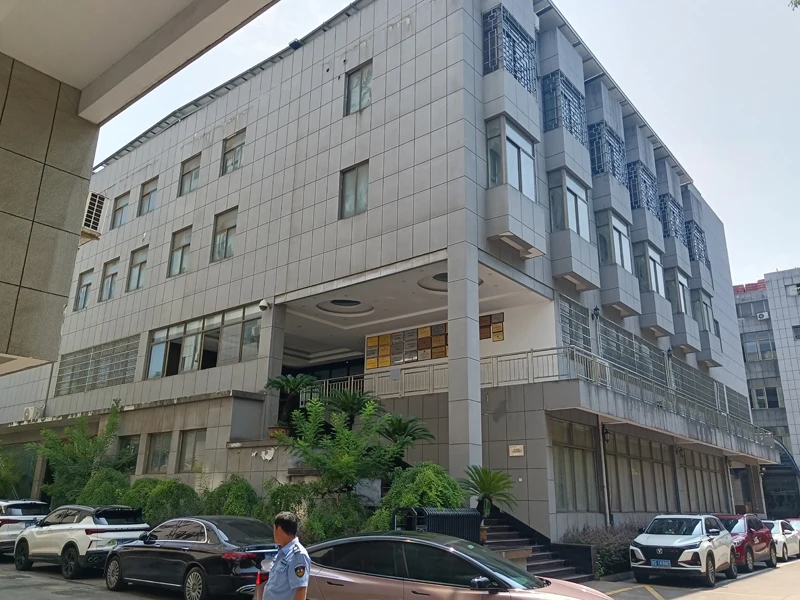
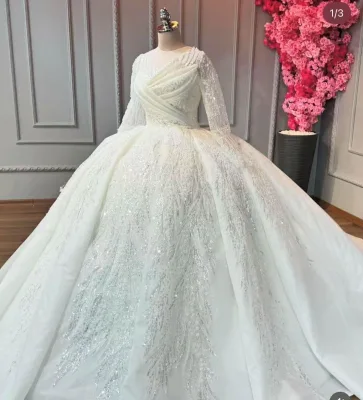
Luxury Beaded Long Sleeve Ball Gown Wedding Dress High Neck Bridal Gown with Train
$520.00 - $999.00
MOQ: 1 Pieces

Jinhua Agata Trading Co., Ltd.
- Trading Company
- Zhejiang, China
- Lead time7 days
- Avg. response≤ 2h
Main productsWomen's Clothes,Kids Clothes,Shoes,Jewelry,Bags
Main marketsEastern Europe(20.00%), North America(20.00%), Central America(10.00%), Western Europe(10.00%), Southern Europe(10.00%), South America(10.00%), Southeast Asia(5.00%), Northern Europe(3.00%), Domestic Market(3.00%), South Asia(3.00%), Oceania(2.00%), Africa(2.00%), Eastern Asia(2.00%)

- Verified by SGS
- Trading Company
- China Zhejiang
- Lead time15 days
- Avg. response≤ 19h
Main marketsEurope

Romantic Pearl Embroidered Tulle Ball Gown Lantern Sleeve V-Neck Wedding Dress
$20.18 - $22.56
MOQ: 44 Sets

High-End Women Ball Gown Open Back Design Lightweight Chiffon Event Luxury Dress
$9.23 - $10.31
MOQ: 100 Pieces

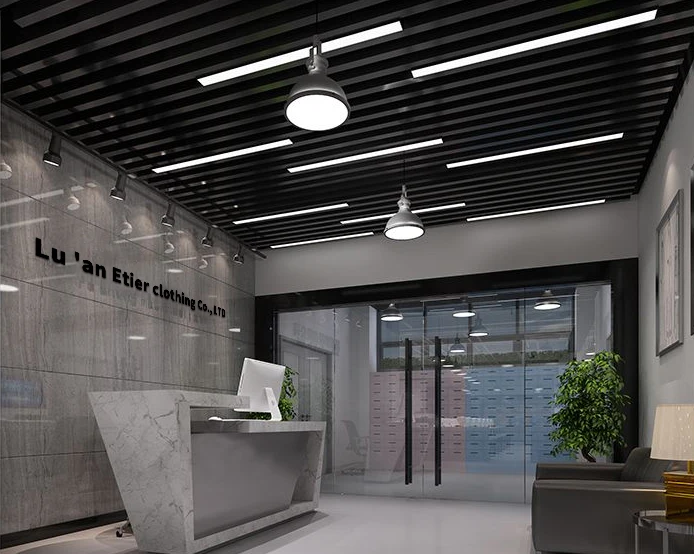
Lu'an Aitier Clothing Co., Ltd.
- Manufacturer, Trading Company
- Anhui, China
- Lead time10 days
- Avg. response≤ 1h
Main productsWedding dress.,Evening dress,Children's flower clothes,veil,Headwear
Main marketsMid East(16.00%), Southeast Asia(15.00%), North America(10.00%), Eastern Europe(6.00%), Oceania(6.00%), Southern Europe(6.00%), Western Europe(6.00%), Domestic Market(5.00%), South Asia(5.00%), Africa(5.00%), Northern Europe(5.00%), Central America(5.00%), South America(5.00%), Eastern Asia(5.00%)

Shanghai Hubei Apparel Co., Ltd
- Verified by BV
- Trading Company,Manufacturer/Factory
- China Shanghai
- Lead time45 days
- Avg. response≤ 21h
Main productsShirt, Dress, Skirt, Coat, Suit, Knitwear, Blazer, Shorts, Pants
Main marketsSouth America,Eastern Europe,Mid East,North America,Southeast Asia,Eastern Asia,Oceania,Western Europe,Africa

$13.50 - $15.50
MOQ: 100 Pieces

$13.50 - $15.50
MOQ: 100 Pieces

$13.50 - $15.50
MOQ: 100 Pieces

B2b Supplier Elegant White Ball Gown Dress for Bridal Party Banquet Performance Ball Gown Dress
$13.50 - $15.50
MOQ: 100 Pieces

$13.50 - $15.50
MOQ: 100 Pieces

OEM Fashion Supplier Red Tulle Ball Gown Dress for Stage Performance Banquet Wholesale Gown Dress
$13.50 - $15.50
MOQ: 100 Pieces
Hefei Yiyan Import And Export Trading Co., Ltd.
- Trading Company
- Anhui, China
- Lead time19 days
- Avg. response≤ 4h
Main productswedding dress,men suits,accessories,shoes,bags
Main marketsDomestic Market(10.00%), South Asia(10.00%), Southern Europe(10.00%), Northern Europe(10.00%), Central America(10.00%), Western Europe(10.00%), Eastern Asia(10.00%), Mid East(10.00%), Oceania(10.00%), Africa(10.00%), Southeast Asia(10.00%), Eastern Europe(10.00%), South America(10.00%), North America(10.00%)
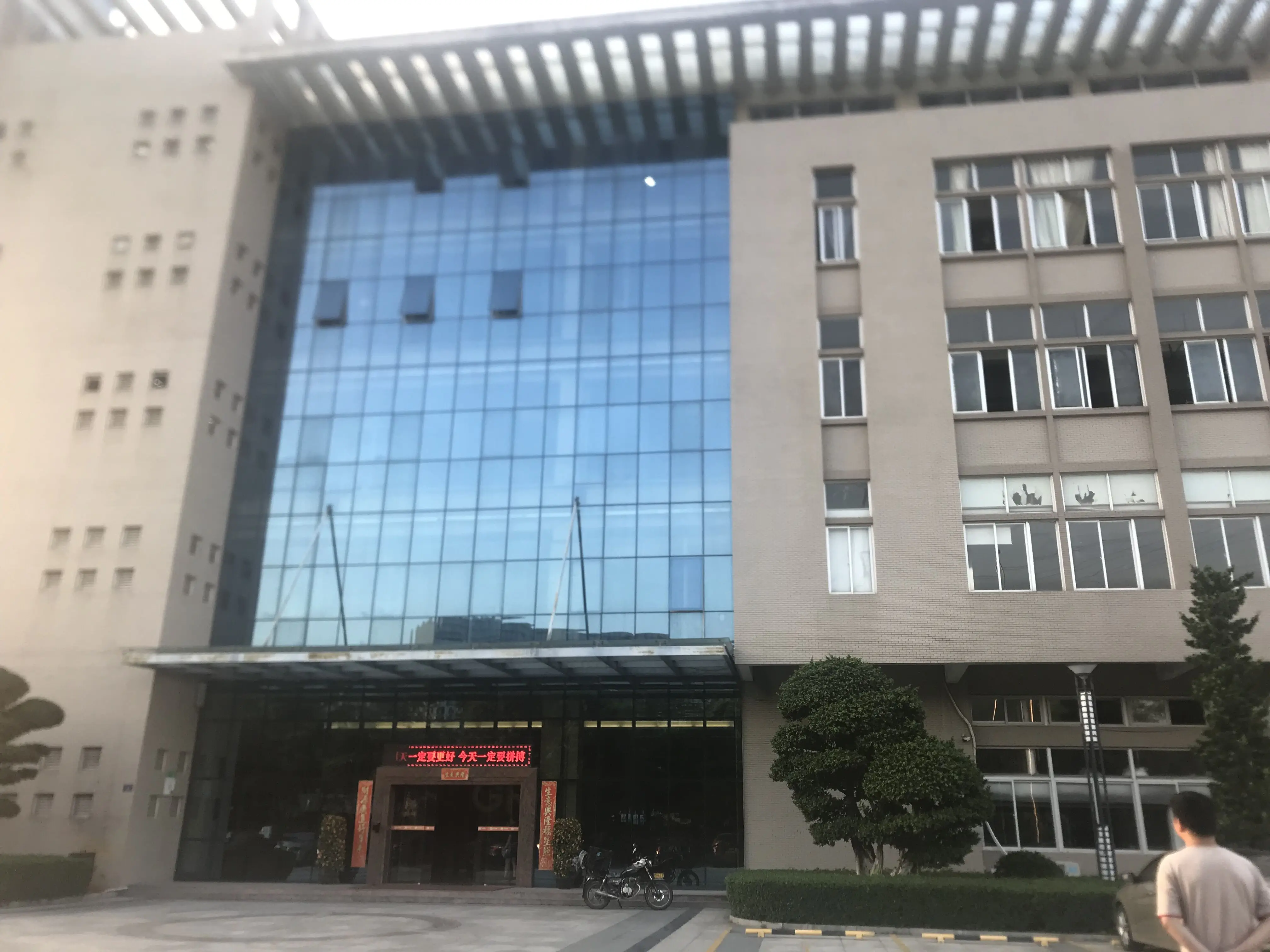
Quanzhou Huasheng Supply Chain Management Co., Ltd.
- Trading Company
- Fujian, China
- Lead time5 days
- Avg. response≤ 6h
Main products2 piece set women,casual dress,waist trainer,sexy lingerie,women clothes
Main marketsNorth America(35.00%), South America(20.00%), Western Europe(17.00%), Oceania(11.00%), Eastern Europe(3.00%), Southern Europe(3.00%), South Asia(2.00%), Africa(2.00%), Mid East(2.00%), Domestic Market(1.00%), Southeast Asia(1.00%), Eastern Asia(1.00%), Northern Europe(1.00%), Central America(1.00%)

Guangzhou Panyu district south village Jinluoxuan clothing factory
- Verified by CTI
- Combined
- China Guangdong
- Lead time15 days
- Avg. response≤ 7h
Main productsOutfit, Sequin Evening Gown
Main marketsDomestic


Budget-Friendly Short Gown That Looks High-End and Offers Year-Round Versatility
$25.00 - $26.00
MOQ: 50 Pieces

Sequin Party Dress with Comfortable Lining and Flattering High Waist Design
$25.00 - $26.00
MOQ: 50 Pieces
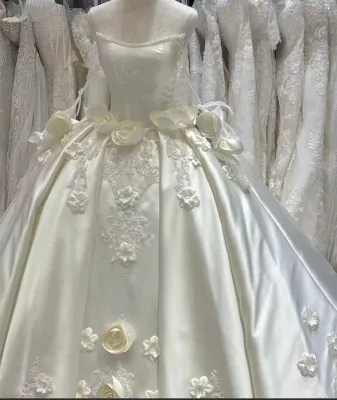
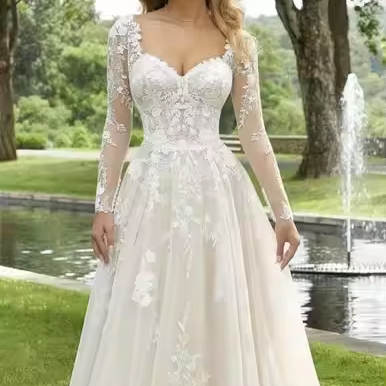
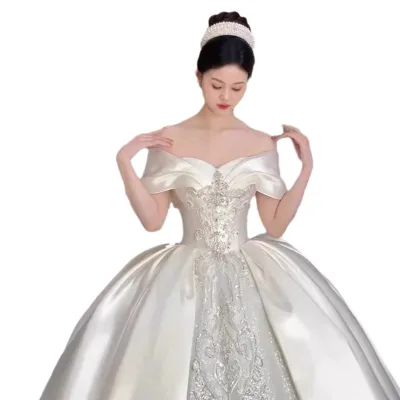
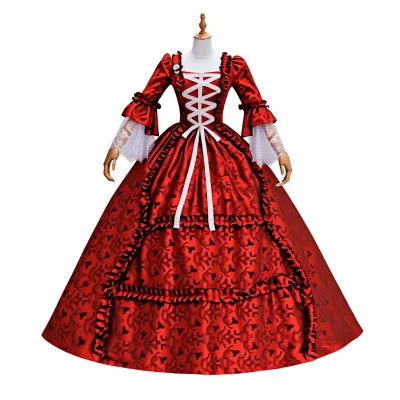
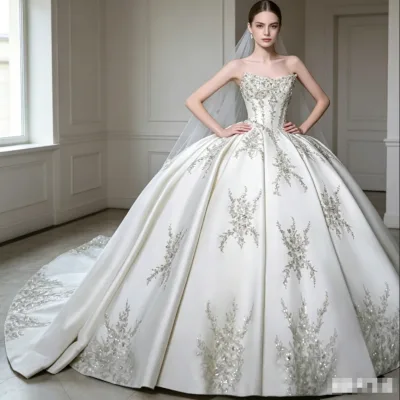
Comprehensive Sourcing Guide
Vintage Appliqued Ball Gown Supplier Concentration and Factory Types
Current data indicates a concentration of suppliers in China, specifically within the Shandong and Jiangsu provinces. These regions host a mix of trading companies and manufacturers capable of producing vintage appliqued ball gowns. Some entities operate as trading companies, while others function as manufacturers or a hybrid of both, offering direct factory access alongside sourcing capabilities. The presence of these diverse company types suggests that buyers can find partners ranging from pure production facilities to intermediaries managing complex supply chains. This variation allows for flexibility in sourcing strategies depending on whether the priority is direct manufacturing control or broader product aggregation.
When evaluating the specific factory types, it is essential to distinguish between those offering Original Design Manufacturing (ODM) and those providing Original Equipment Manufacturing (OEM) services. Evidence shows that some suppliers possess ODM capacity, meaning they can develop designs based on buyer requirements, while others focus on customizing existing models. The main products listed by these suppliers often include wedding dresses, prom dresses, and evening wear, indicating a specialized focus on formal apparel. Buyers should verify if a supplier's primary output aligns with the specific vintage aesthetic required, as some may specialize in modern styles rather than traditional vintage appliqués.
How to Verify Vintage Appliqued Ball Gown Suppliers
Verification is a critical step when engaging with suppliers in the Vintage Appliqued Ball Gown sector. One key indicator of reliability is third-party verification status, such as SGS certification, which confirms that the supplier has undergone external audits. Buyers should prioritize suppliers displaying such verification badges to ensure a baseline of operational integrity. Additionally, response times serve as a practical metric for supplier engagement; data shows response times varying significantly, with some suppliers responding within hours while others take longer. A faster response time often correlates with better communication channels and a more active sales team, which is vital for coordinating custom design details.
Beyond verification badges and response speeds, buyers must scrutinize the specific product attributes and customization capabilities listed. Evidence reveals that many suppliers offer customization options, including specific materials like tulle and organza, as well as design elements such as off-shoulder necklines and embroidered techniques. It is crucial to confirm that the supplier explicitly states "Customization: Available" and provides detailed attributes for sleeve styles, colors, and train lengths. Buyers should also check for specific product models, such as SXB-6102 or GLKJ03, to ensure the supplier has a track record with similar vintage styles. This detailed product evidence helps confirm that the supplier can meet the precise aesthetic and structural requirements of a Vintage Appliqued Ball Gown.
What to Compare Across Vintage Appliqued Ball Gown Suppliers
Comparing suppliers requires a systematic analysis of key operational metrics, including lead times, minimum order quantities (MOQ), and pricing structures. Lead times vary considerably, with some suppliers indicating a production window of zero days, while others list times around 23 days. This discrepancy highlights the need to align production schedules with event dates, as a zero-day lead time might imply ready-to-ship stock or a highly efficient process, whereas longer times suggest a made-to-order workflow. Buyers must also evaluate the MOQ, which ranges from as low as one unit to as high as 100 units. Understanding these thresholds is essential for budgeting and inventory planning, especially for buyers seeking small batches or custom runs.
Pricing and material specifications form another critical comparison point. The data shows price ranges for similar ball gowns varying from approximately $109 to $652, depending on the complexity of the design and the materials used. Suppliers offering gowns with intricate beading, lace appliqués, and custom sizing often command higher prices. Buyers should compare the specific attributes listed, such as the use of organza, tulle, or embroidered fabrics, against the quoted price to determine value. Additionally, the availability of custom sizes, ranging from standard measurements to extended plus sizes, should be factored into the decision. A supplier offering a wider range of custom sizes at a competitive price point may provide better value for diverse customer bases.
Common Vintage Appliqued Ball Gown Sourcing Risks
One significant risk in sourcing vintage appliqued ball gowns is the potential mismatch between the advertised product and the final sample. While suppliers list detailed attributes like "Sleeveless," "Off-Shoulder," or "Sweet Style," the actual execution of vintage appliqué work can vary. Buyers must be cautious of suppliers who claim customization is available but fail to provide clear examples of their craftsmanship. The complexity of vintage designs, which often involve delicate lace and beading, requires high precision. Without a verified sample or a clear understanding of the production process, there is a risk of receiving a gown that does not match the visual expectations set by the product keywords or images.
Another risk involves the reliability of lead times and the ability to meet tight deadlines. Some suppliers list a lead time of zero, which may be misleading if it refers only to the time to confirm an order rather than the actual production duration. Conversely, a lead time of 23 days might be insufficient for complex custom orders involving multiple revisions. Buyers should verify if the stated lead time includes shipping or is strictly for manufacturing. Furthermore, the lack of standardized certifications for specific fabric types or construction methods can lead to quality inconsistencies. It is vital to confirm that the supplier has a robust quality control process in place to ensure that the vintage appliqués are securely attached and the overall construction meets durability standards.
Vintage Appliqued Ball Gown Regional Sourcing and Logistics
Sourcing from specific regions in China, such as Shandong and Jiangsu, offers distinct logistical advantages and challenges. These provinces are known for their textile industries, with Jiangsu particularly noted for its expertise in embroidery lace fabrics and wedding gowns. Suppliers in these areas often have access to high-quality raw materials, which is crucial for creating authentic vintage appliqued ball gowns. However, buyers must consider the distance and shipping times associated with these locations. While some suppliers may offer faster response times, the physical distance to international ports can impact overall delivery schedules. Understanding the regional logistics network helps in planning the timeline from order placement to final delivery.
Logistics planning also involves understanding the packaging and shipping standards provided by the supplier. Evidence indicates that some suppliers use specific packing methods, such as OPP bags and cartons, to protect the delicate nature of the gowns during transit. For vintage appliqued ball gowns, which often feature fragile embellishments, proper packaging is essential to prevent damage. Buyers should inquire about the specific packing details and whether the supplier offers insurance or tracking services. Additionally, the origin of the product, such as Suzhou in Jiangsu, can influence the shipping route and customs clearance procedures. Buyers need to ensure that the supplier is experienced in handling international shipments to avoid delays or additional costs at the destination.
Vintage Appliqued Ball Gown Commercial Terms and Order Planning
Commercial terms for vintage appliqued ball gowns often include specific requirements regarding payment, customization, and order volume. Many suppliers offer flexible payment terms, but buyers must clarify the deposit structure and the balance payment schedule. The minimum order quantity (MOQ) is a critical factor in order planning, with some suppliers requiring as few as one unit, while others demand orders of 50 or 100 units. Buyers should align their order volume with their budget and sales projections to avoid overstocking or underutilizing production capacity. Understanding the MOQ helps in negotiating better pricing and ensuring that the supplier is committed to the order.
Customization is a central aspect of the commercial terms for this product category. Suppliers frequently offer options for custom colors, sizes, and design modifications, such as adding specific appliqués or adjusting the train length. Buyers must provide detailed specifications to ensure the final product meets their expectations. The availability of custom sizes, ranging from standard to extended measurements, allows for a broader market reach. However, buyers should confirm the lead time for custom orders, as these often take longer than standard production runs. Additionally, verifying the supplier's ability to handle complex customizations, such as specific fabric types or intricate embroidery, is essential for successful order planning and execution.
FAQs
What is the price range for vintage appliqued ball gowns?
Prices for these gowns typically range from 109 to 652 dollars per unit. Specific costs depend on the model, customization options, and material used. Buyers should check individual product listings for exact pricing details before placing an order.
What are the minimum order quantities for these dresses?
Minimum order quantities vary significantly between suppliers, ranging from one unit to one hundred units. Some vendors offer single-piece orders for custom designs, while others require bulk purchases for standard styles. Always verify the specific MOQ for your selected model.
How long does it take to receive these ball gowns?
Lead times for production and delivery can range from zero to twenty-three days depending on the supplier. Some manufacturers offer immediate availability, while others require up to three weeks for custom manufacturing. Confirm the specific timeline with your chosen vendor.
Are these gowns available for customization and design changes?
Yes, customization is widely available for many Vintage Appliqued Ball Gown models. Suppliers offer options for custom sizes, colors, and specific design elements like sleeve styles or train lengths. Check product attributes to confirm if your desired changes are supported.
Where are the manufacturers of these gowns located?
Manufacturers and trading companies are primarily located in China, specifically in Shandong and Jiangsu provinces. Some specific products originate from Suzhou. Buyers should verify the exact origin listed on the product page to ensure it meets their sourcing requirements.
What materials are commonly used for these ball gowns?
Common materials include tulle, organza, and various lace fabrics with embroidery or beading. Specific gowns may feature off-shoulder designs with printed tulle or soft tulle with lace appliques. Review the material attributes for each product to find the best fit.
How quickly do suppliers typically respond to inquiries?
Response times vary among suppliers, with some responding within four hours and others taking up to seventeen hours. Faster response times are often associated with manufacturers located in Jiangsu. Check the specific response time metric on the supplier profile for accurate expectations.