Source F Rated Nomex Paper for Transformers, Motors, and Generators
Compare 30 listings for F Rated Nomex Paper suitable for high-voltage transformers, electric motors, and industrial generators. Evaluate thermal ratings, thickness options, and customization capabilities to find the right insulation material for your specific engineering requirements; compare the available evidence and request quotations based on your requirements.
Key considerations
Products List

$6.00 - $10.00
MOQ: 200 Pieces


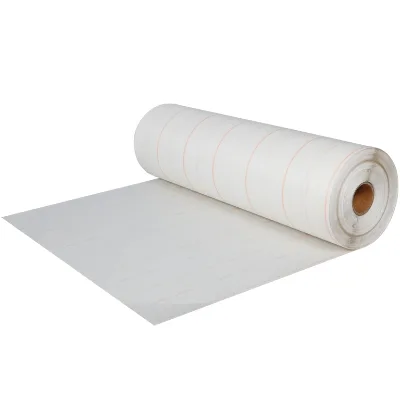
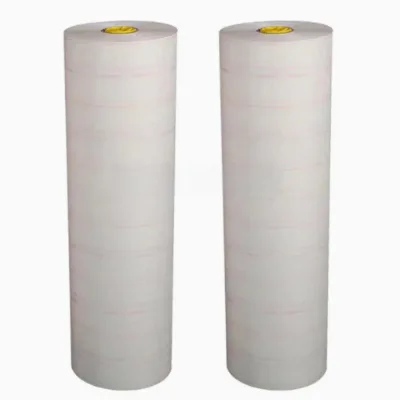


Fire Retardant Die Cutting Nomex Insulation Paper Nomex 410 for Battery Pack.
$59.55 - $68.67
MOQ: 100 Rolls

Insulating Materials Electrical Cheap Insulation Paperboard Nomex Paper
$5.50 - $6.50
MOQ: 1000 kilograms


Wholesale Durable Excellent Tensile Nomex Aramid Nmn Insulation Paper
$20.00 - $29.20
MOQ: 100 kilograms


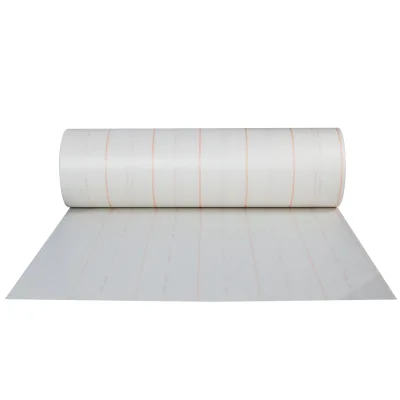
6644 nomex polymer paper imide filmnomex paper insulation paper dmd nomex paperdupon
$4.09 - $5.02
MOQ: 50 kilometers

Comprehensive Sourcing Guide
F Rated Nomex Paper Sourcing Guide
Procuring F-rated Nomex paper requires distinguishing between specific thermal classes, as the supplied data indicates products rated at 155°C alongside H-rated variants reaching 180°C. Buyers must verify that the specific thermal rating aligns with their transformer or motor design requirements, ensuring the insulation material will not degrade under operational heat stress. The distinction between F and H classes is critical for long-term reliability, as exceeding the thermal limit can compromise the dielectric strength of the paper.
Sourcing strategies should focus on suppliers offering customization options for dimensions and thickness, as observed listings show widths ranging from 914mm to 1000mm and thicknesses from 0.05mm to 0.76mm. Since the product origin is primarily Tianjin and Henan, China, buyers should account for regional manufacturing capabilities when evaluating lead times and logistics. Confirming the exact model number, such as KLY-NMN or 6640, ensures the material matches the intended application of mechanized slot insertion or high-voltage insulation.
Product Scope and Observed Listing Signals
The market for F-rated Nomex paper includes both pure inorganic insulation materials and hybrid compositions that combine aramid fibers with Mylar films. Listings reveal a diverse product scope where some items are classified strictly as inorganic insulation, while others utilize a hybrid chemistry to enhance mechanical properties. Buyers must carefully review the material composition to ensure the specific blend meets the electrical and thermal demands of their specific equipment, as the performance characteristics vary significantly between these formulations.
Observed listing signals indicate that products are available in various packaging formats, including pallets and cartons, which influences handling and storage costs. The presence of sample availability suggests that buyers should request physical specimens to verify tensile strength and surface quality before committing to large orders. Additionally, the wide range of observed prices and minimum order quantities implies that procurement volume and specific customization needs will heavily dictate the final commercial terms and unit economics.
Technical Specifications to Verify
Verification of the maximum voltage rating is essential, as observed data shows ranges from 10kV to 100kV depending on the specific product model. Buyers must confirm that the rated voltage of the selected paper matches the operating voltage of their transformer or motor to prevent dielectric breakdown. The tensile strength is described as excellent or good in various listings, but specific numerical values should be requested to ensure the material can withstand the mechanical stresses of winding and assembly processes.
Thermal performance must be validated against the intended working temperature, with some products rated for 155°C and others for 180°C or higher. The thickness and width specifications are critical for fitting into standardized slots, and buyers should verify that the customized size options align with their machinery constraints. Ensuring the material chemistry, whether inorganic or hybrid, supports the required electrical performance features is a key step in preventing premature failure in high-temperature environments.
Compliance and Safety Documentation
Compliance documentation should include ISO9001 certification, which is explicitly listed for several products in the observed data, indicating a baseline for quality management systems. Buyers should also verify if IEC standards are met, as some listings mention this certification alongside ISO9001, which is crucial for international market acceptance and safety compliance. The absence of specific safety test results in the general listing data means that buyers must request detailed test reports to confirm the material's fire resistance and dielectric properties.
Safety documentation must also address the chemical classification of the insulation material, ensuring it meets environmental and handling regulations for inorganic and hybrid insulations. Since the products are sourced from China Mainland, buyers should ensure that all export documentation includes necessary safety data sheets and material safety declarations. Verifying that the supplier adheres to international safety standards helps mitigate risks associated with the use of high-voltage insulation materials in critical electrical infrastructure.
Cost Drivers and Commercial Terms
Cost drivers for F-rated Nomex paper are heavily influenced by the complexity of the material composition, such as the inclusion of aramid fibers and Mylar films, which can increase production costs. Customization of size and thickness adds another layer of cost, as non-standard dimensions require specific manufacturing setups and may incur higher minimum order quantities. Buyers should analyze the trade-off between standard and custom specifications to optimize costs without compromising the technical performance required for their specific applications.
Commercial terms should be negotiated with attention to the observed minimum order quantity range of 1 to 1000 units, which varies by supplier and product type. Payment terms and lead times are likely to be influenced by the origin of the goods, with Tianjin and Henan being primary production hubs. Buyers should clarify whether the listed prices include packaging costs, such as pallets or cartons, and ensure that shipping terms clearly define responsibilities for freight and insurance to avoid unexpected expenses.
Supplier Qualification and Quality Control
Supplier qualification should prioritize manufacturers with a proven track record in producing insulation paper for transformers and motors, as indicated by the specific application data. Buyers should request evidence of consistent production quality, including tensile strength test results and thermal rating certifications, to ensure the supplier can meet the rigorous demands of high-voltage applications. The presence of multiple model numbers suggests a diverse product line, but buyers must verify that the specific supplier has the capacity to maintain quality across different product variants.
Quality control processes must be robust, with suppliers demonstrating the ability to provide samples for pre-production testing. Buyers should establish clear acceptance criteria for thickness, width, and electrical properties before finalizing orders. Regular audits of the supplier's production facilities in Tianjin or Henan can help ensure that the manufacturing processes remain consistent and that the final product meets the specified thermal and electrical ratings required for safe operation.
Long-Term Procurement Checks
Long-term procurement checks should focus on the stability of the supply chain and the consistency of product quality over time. Buyers should monitor the supplier's ability to maintain the specified thermal ratings and voltage capabilities as production scales up or as raw material sources change. Regular re-verification of certifications, such as ISO9001 and IEC standards, ensures that the supplier continues to meet the necessary quality and safety benchmarks throughout the contract period.
Performance monitoring should include tracking the field performance of the insulation paper in actual transformer and motor applications to identify any potential issues early. Buyers should establish a feedback loop with the supplier to address any deviations in tensile strength or thermal resistance that may arise during long-term use. Maintaining a relationship with a qualified supplier who can provide consistent customization and support is essential for ensuring the reliability and longevity of the electrical equipment.
FAQs
What is the thermal rating of F-class nomex paper?
The thermal rating is F 155, indicating a maximum operating temperature of 155 degrees Celsius. This classification ensures reliable insulation performance in high-temperature environments. The material maintains its structural integrity and electrical properties under sustained heat, making it suitable for demanding industrial applications where thermal stability is critical for long-term equipment safety.
Can I customize the size of F-rated insulation paper?
Yes, customization is available for F-rated insulation paper. Buyers can request specific dimensions to match their equipment requirements. The product supports customized sizes, allowing for precise fitting in transformers and motors. This flexibility ensures optimal coverage and performance, reducing waste and improving installation efficiency for various industrial electrical components and manufacturing processes.
What is the maximum voltage rating for this insulation material?
The maximum voltage rating ranges from 20KV to 100KV for certain models. Other variants support 10KV to 20KV. These ratings ensure safe operation in high-voltage electrical systems. The material provides robust dielectric strength, preventing electrical breakdown. Selecting the appropriate voltage class is essential for matching the insulation to specific transformer or motor applications to ensure safety and reliability.
Which certifications are provided for the insulation paper?
The insulation paper comes with ISO9001 certification, ensuring quality management standards are met. Some models also include IEC certification. These certifications verify that the manufacturing processes and product quality adhere to international standards. Buyers can rely on these credentials for compliance in global markets, ensuring that the materials meet rigorous safety and performance requirements for electrical insulation applications.
What is the typical packaging method for these products?
Products are packaged using pallets or cartons depending on the specific model. This packaging ensures safe transport and protection during shipping. The choice of packaging helps prevent damage to the insulation paper. Buyers should specify their preferred packaging method to ensure the materials arrive in optimal condition. Proper packaging is crucial for maintaining the integrity of the insulation material until installation.
Where is the origin of the F-rated nomex paper?
The origin is primarily Tianjin, China, with some products sourced from Henan, China. These locations are known for manufacturing high-quality insulation materials. Buyers can verify the specific origin based on the product model. Sourcing from these regions ensures access to established supply chains and manufacturing capabilities. The origin information helps buyers assess logistics and compliance with regional trade requirements.