Source Eyeshadow Case for Cosmetics, Makeup, and Shadow Boxes
Compare 30 Eyeshadow Case options from Chinese manufacturers featuring ABS and plastic materials. Buyers can review dimensions, customization, and MOQs for cosmetic packaging needs. Explore various models like ZMP756 and Y337 with standard export cartons. Check delivery times and color options for your specific requirements.
Key considerations
Products List


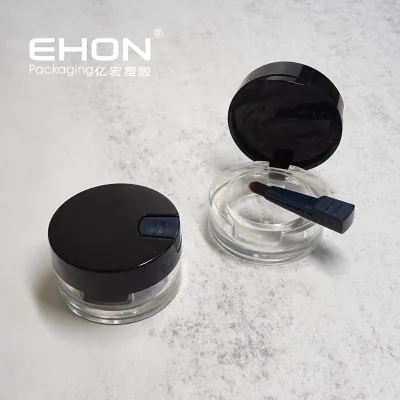
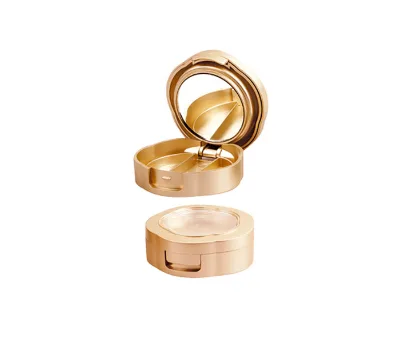
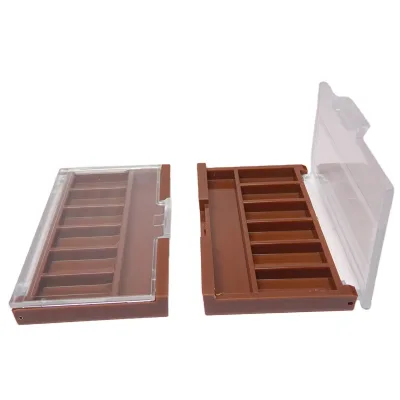
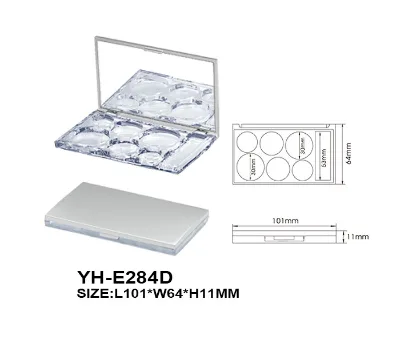
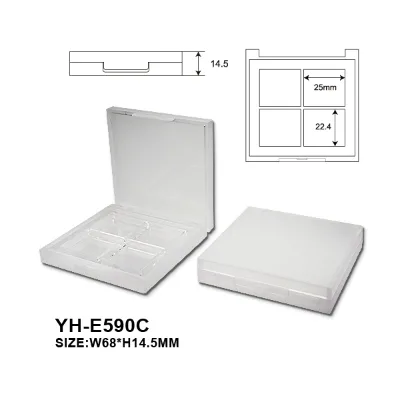
Custom Eyeshadow Case Square Eyeshadow Palette Case 6 Colors Eye Shadow Case
$0.45 - $0.58
MOQ: 12000 Pieces

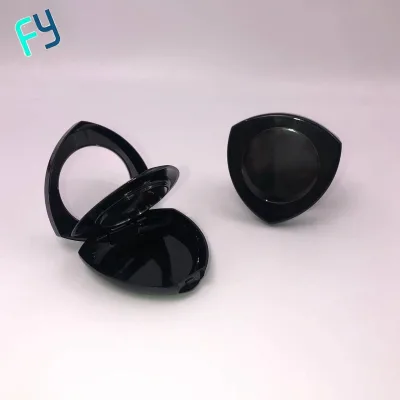
Eyeshadow Case Eye Shadow Palette Clear Black Plastic Eyeshadow Packaging Cases
$0.10 - $1.00
MOQ: 12000 Pieces


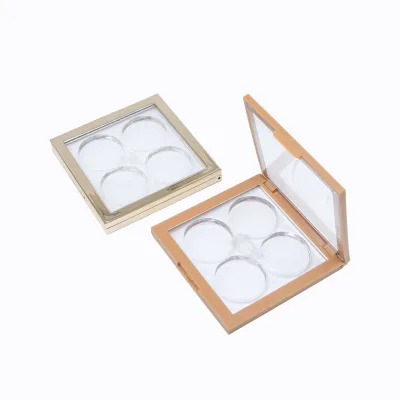
Eyeshadow Case Portable Rectangle Plastic Luxury Blue Glitter Eyeshadow Case
$0.10 - $1.00
MOQ: 12000 Pieces







Comprehensive Sourcing Guide
Eyeshadow Case Sourcing Guide
Sourcing eyeshadow cases requires a strategic balance between aesthetic appeal, functional durability, and regulatory compliance. Buyers must navigate a market where plastic materials like ABS and AS dominate, offering versatility in design and cost-efficiency. The observed product landscape indicates a strong presence of manufacturers in Shantou and Guangdong, China, who specialize in custom cosmetic packaging solutions. Understanding the specific material properties and structural integrity of these cases is essential for ensuring that the final packaging protects the product while enhancing brand perception on retail shelves.
Procurement decisions are heavily influenced by customization capabilities and minimum order quantities (MOQs). Suppliers often provide options for single-page printing, UV coating, and various lamination techniques to achieve matte, shiny, or metallic finishes. Buyers need to align their volume requirements with supplier MOQs, which can range significantly from small batches to large-scale production runs. This guide outlines the critical technical, commercial, and quality assurance factors necessary for securing reliable Eyeshadow Case suppliers who meet both functional and branding objectives.
Product Scope and Observed Listing Signals
The current market for eyeshadow cases features a diverse array of models, such as ZMP756, ZMP349C, and Y337, each with distinct dimensional standards. Observed listings highlight a price range of $0.1 to $2.1 USD, reflecting variations in material thickness, decorative complexity, and order volume. These cases are primarily constructed from plastic, with ABS and AS being the most common material structures due to their impact resistance and ease of molding. Buyers should note that while prices are competitive, the final cost is heavily dependent on the chosen customization level and the specific model selected for production.
Customization is a key driver in this segment, with suppliers offering tailored solutions for color, logo placement, and surface decoration. Options include UV coating, glossy or matte lamination, and stamping, allowing brands to create unique tactile experiences. The observed MOQs vary widely, from 12,000 to 24,000 pieces for certain models, while others may accept lower quantities. This flexibility allows buyers to scale their orders based on market demand, but it requires careful planning to balance inventory costs with production efficiency. Understanding these signals helps in selecting the right supplier for specific brand needs.
Technical Specifications to Verify
Verifying technical specifications is crucial for ensuring that the eyeshadow cases fit the product and meet durability standards. Dimensions vary significantly across models, with examples like ZMP443B(2) measuring 1504013mm and Y187 at 36.551.7916.6mm. Buyers must confirm that the internal cavity dimensions align perfectly with their eyeshadow pans to prevent movement or damage during transit. Additionally, the material structure, whether AS or ABS, impacts the case's clarity, strength, and resistance to cracking. It is essential to request physical samples to assess the hinge mechanism, closure tightness, and overall structural integrity before committing to large orders.
Surface finish and printing quality are also critical technical aspects that influence consumer perception. Suppliers offer various decoration options, including matte, shiny, and metallic colors, which can be achieved through different printing and lamination techniques. Buyers should verify the consistency of color matching and the durability of the print under normal use conditions. The standard export cartons and individual carton packing methods should also be evaluated to ensure they provide adequate protection during shipping. Confirming these details helps in avoiding defects and ensuring a premium unboxing experience for the end consumer.
Compliance and Safety Documentation
Compliance with safety standards is non-negotiable for cosmetic packaging, especially when materials come into direct or indirect contact with beauty products. While specific certifications like REACH are mentioned in background data, buyers must independently verify that all materials used in the eyeshadow cases meet relevant regional regulations, such as FDA or EU cosmetic packaging standards. This includes ensuring that the plastics, inks, and adhesives are free from harmful substances like phthalates or heavy metals. Requesting material safety data sheets (MSDS) and compliance certificates from suppliers is a critical step in mitigating legal and reputational risks.
Documentation should also cover the sourcing of raw materials, particularly if recycled materials are claimed as a feature. Buyers need to confirm the validity of any sustainability claims and ensure that the recycling process does not compromise the safety or quality of the packaging. Additionally, verifying that the supplier adheres to good manufacturing practices (GMP) can provide assurance of consistent quality and hygiene standards. Proper documentation not only facilitates smoother customs clearance but also builds trust with consumers who are increasingly conscious of product safety and environmental impact.
Cost Drivers and Commercial Terms
Several factors influence the total cost of eyeshadow cases, including material selection, customization complexity, and order volume. The observed price range of $0.1 to $2.1 USD reflects these variables, with higher costs associated with intricate designs, special finishes, and smaller order quantities. Buyers should analyze the cost breakdown to understand how much is attributed to material, labor, and decoration. Negotiating volume discounts and optimizing design to reduce production complexity can help in achieving better pricing. It is also important to consider the total landed cost, including shipping, duties, and insurance, when evaluating supplier quotes.
Commercial terms such as MOQ, lead time, and payment conditions play a significant role in procurement planning. Lead times can extend up to 35 days, requiring careful inventory management to avoid stockouts. Suppliers may offer flexible MOQs, but lower quantities often come with higher per-unit costs. Buyers should negotiate clear payment terms and delivery schedules to ensure alignment with their production and sales cycles. Understanding these commercial dynamics helps in creating a realistic budget and avoiding unexpected costs or delays in the supply chain.
Supplier Qualification and Quality Control
Qualifying suppliers involves assessing their manufacturing capabilities, quality control processes, and track record. Buyers should prioritize suppliers with established facilities in regions known for cosmetic packaging, such as Shantou and Guangdong, China. Requesting references and conducting factory audits can provide insights into their production capacity and quality management systems. It is essential to verify that the supplier has robust QC measures in place, including incoming material inspections, in-process checks, and final product testing. This ensures that the eyeshadow cases meet the specified standards and are free from defects.
Quality control should also extend to the packaging and shipping process to prevent damage during transit. Buyers should confirm that the supplier uses standard export cartons and appropriate packing methods to protect the cases. Implementing a pre-shipment inspection protocol can help identify and rectify any issues before the goods are dispatched. Building a strong relationship with the supplier through regular communication and feedback can also enhance quality consistency. By focusing on supplier qualification and rigorous QC, buyers can ensure a reliable supply of high-quality eyeshadow cases.
Long-Term Procurement Checks
Long-term procurement success depends on continuous monitoring of supplier performance and market trends. Buyers should establish key performance indicators (KPIs) to track delivery times, defect rates, and responsiveness to issues. Regular reviews of supplier performance can help identify areas for improvement and strengthen the partnership. Additionally, staying informed about changes in material costs, regulatory requirements, and consumer preferences is crucial for adapting procurement strategies. This proactive approach ensures that the supply chain remains resilient and competitive in a dynamic market.
Sustainability and innovation are becoming increasingly important in cosmetic packaging. Buyers should explore opportunities to incorporate eco-friendly materials and designs that align with brand values and consumer expectations. Engaging with suppliers on product development can lead to innovative solutions that enhance brand differentiation. By focusing on long-term relationships and continuous improvement, buyers can secure a stable supply of high-quality eyeshadow cases that support their brand growth and market success. This strategic approach minimizes risks and maximizes value over time.
FAQs
What materials are used for eyeshadow cases?
Eyeshadow cases are typically manufactured from durable plastic materials such as ABS or AS. These materials provide the necessary rigidity and smooth finish required for cosmetic packaging. The choice between ABS and AS depends on the desired impact resistance and surface quality for the final product.
Can I customize the color of my Eyeshadow Case?
Yes, customization is available for eyeshadow cases. Buyers can select from standard white options or request fully customized colors to match their brand identity. This flexibility allows for unique packaging designs that stand out in the competitive cosmetics market while maintaining high manufacturing standards.
What is the typical MOQ for eyeshadow cases?
The minimum order quantity for eyeshadow cases generally ranges from 12,000 to 24,000 pieces. Specific models may have fixed MOQs, such as 10,000 or 12,000 units. Buyers should verify the exact MOQ for their chosen model to ensure it aligns with their production volume and budget constraints.
How long is the delivery time for orders?
The standard delivery time for Eyeshadow Case orders is approximately 35 days. This lead time allows for production, quality control, and packaging preparation. Buyers should plan their inventory accordingly to avoid stockouts, considering that custom designs or high-volume orders may require additional processing time.
Where are these eyeshadow cases manufactured?
These eyeshadow cases are manufactured in Shantou, Guangdong, China. This region is a well-known hub for cosmetic packaging production, offering efficient supply chains and specialized manufacturing capabilities. Buyers can rely on the established infrastructure in this location for consistent quality and timely production of their packaging needs.
What printing options are available for eyeshadow cases?
Various printing and decoration options are available, including UV coating, glossy lamination, matte lamination, and stamping. These techniques allow for high-quality branding and aesthetic enhancements. Buyers can choose finishes that range from matte to shiny or metallic colors to achieve the desired visual appeal for their cosmetic products.