Source F-Theta Scan Lens for Engraving, Marking, and Cutting
Find and compare 27 F-Theta Scan Lens options for laser engraving, marking, and cutting applications. Evaluate specifications such as wavelength, scan field, and distortion to select the right optical component for your industrial needs.
Key considerations
Products List


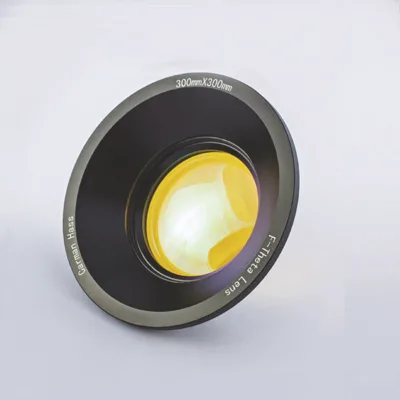
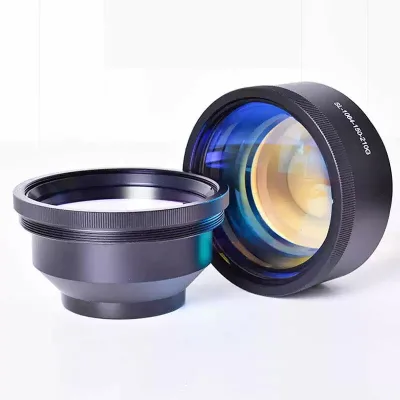
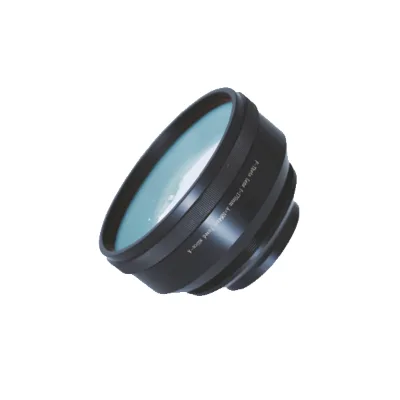


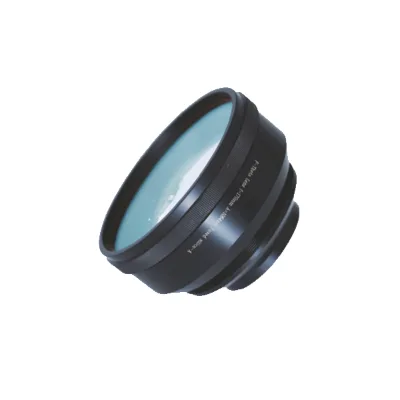
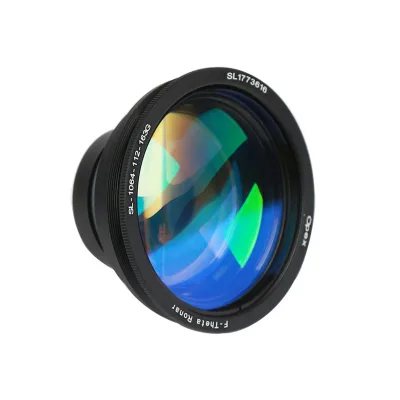
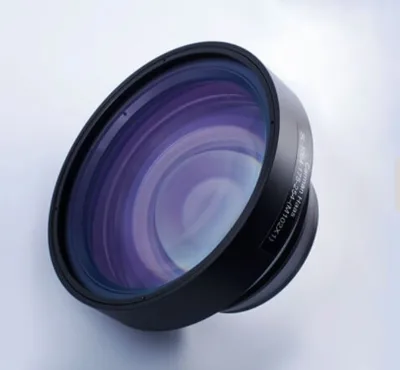
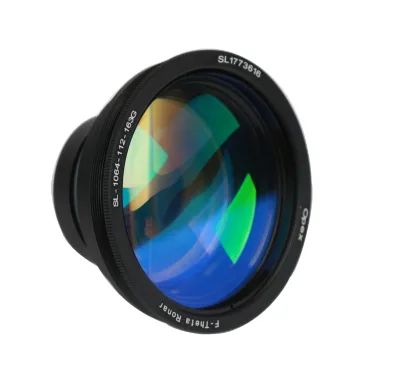
Comprehensive Sourcing Guide
F-Theta Scan Lens Sourcing Guide
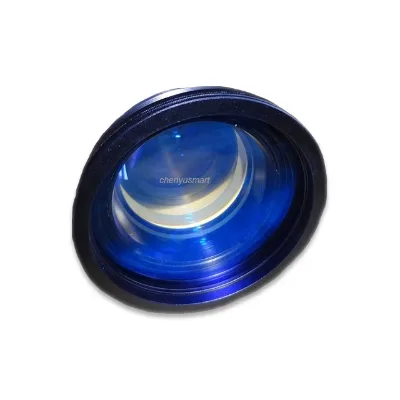
F-theta scan lenses are critical optical components designed to focus laser beams onto a flat plane, ensuring that the focal point remains at a consistent distance from the lens regardless of the scan angle. In industrial laser processing, these lenses enable high-speed, high-precision marking, engraving, and cutting by correcting for the natural curvature of the focal field that occurs in standard focusing optics. Procuring the correct F-theta lens requires a deep understanding of the laser source parameters, the required scan field size, and the specific material processing needs of the application. Buyers must navigate a market where specifications vary significantly between manufacturers, making it essential to verify technical compatibility before placing orders.
The sourcing landscape for F-theta lenses is characterized by a wide range of customization options and specialized materials tailored to different laser wavelengths. Suppliers often offer lenses optimized for specific wavelengths such as 355 nm, 532 nm, 1064 nm, and 10640 nm, each requiring distinct substrate materials and anti-reflective coatings to maximize transmission and minimize thermal distortion. Because these lenses are often non-standard components, buyers cannot rely on off-the-shelf solutions for every application. Instead, they must engage with suppliers who can provide custom manufacturing services, ensuring that the lens geometry, focal length, and working distance align precisely with the laser marking machine’s galvanometer scanner and software settings.
Product Scope and Observed Listing Signals
The observed market for F-theta scan lenses reveals a diverse product range with prices spanning from approximately $1.02 to $1600, reflecting variations in optical quality, customization level, and material composition. Minimum order quantities (MOQs) typically range from 1 to 100 units, indicating that suppliers cater to both prototyping needs and bulk industrial procurement. Buyers should note that lower-priced items may correspond to standard configurations or smaller scan fields, while higher-priced units often involve custom coatings, larger scan areas, or specialized substrates like fused silica or CVD ZnSe. Understanding this price spectrum helps buyers set realistic budgets and identify when a quote may be unusually low or high relative to the specified technical requirements.
Listing signals indicate that many suppliers offer customized solutions, with attributes such as "Customized" and "Available Customization" prominently featured. The product scope includes lenses with scan fields ranging from 30 mm by 30 mm to 500 mm by 500 mm, and focal lengths from 60 mm to 600 mm. Working distances are similarly variable, typically spanning from 80 mm to 600 mm, which directly impacts the mechanical integration of the lens into existing laser systems. Buyers must carefully match these observed ranges with their machine’s physical constraints and optical requirements, as mismatched working distances or scan fields can lead to significant performance degradation or hardware incompatibility.
Technical Specifications to Verify
Verifying the operating wavelength is the first critical step in selecting an F-theta lens, as the optical material and coating must be optimized for the specific laser source. Common wavelengths include 355 nm (UV), 532 nm (green), 1064 nm (fiber/IR), and 10640 nm (CO2), each requiring distinct substrates such as fused silica, quartz glass, or CVD ZnSe. Buyers should confirm that the lens transmittance meets their efficiency requirements, with observed values ranging from greater than 95% to over 99.3% for specific coatings. Mismatching the lens material to the laser wavelength can result in poor transmission, thermal lensing, or even catastrophic damage to the optical element, so precise alignment between the laser source and lens specifications is non-negotiable.
Beyond wavelength, buyers must verify the scan field size, focal length, and distortion characteristics to ensure uniform focus across the entire marking area. Observed specifications indicate distortion levels of less than 0.1 percent and telecentricity angles better than 0.1 degree, which are crucial for maintaining consistent spot size and energy density throughout the scan field. The entrance pupil diameter, typically ranging from 10 mm to 20 mm, must also be compatible with the laser beam diameter and the galvanometer scanner’s output. Additionally, the housing material, often Invar or aluminum, should be evaluated for thermal stability, as temperature fluctuations can affect the lens’s focal length and overall performance in high-power continuous wave applications up to 1000 Watts.
Compliance and Safety Documentation
Compliance with international standards is a key consideration for industrial laser equipment, with many suppliers providing certifications such as CE, ISO, and RoHS. These certifications indicate that the manufacturing processes and materials adhere to specific safety, environmental, and quality management standards, which is particularly important for buyers operating in regulated markets. Buyers should request valid certification documents to verify that the lenses meet the necessary regulatory requirements for their region, ensuring that the products are safe for use in industrial environments and do not contain restricted substances.
Safety documentation should also include detailed information on the lens’s damage threshold and handling instructions. Given that F-theta lenses can be exposed to high-power laser beams, understanding the maximum continuous wave power and pulse energy the lens can withstand is essential for preventing optical damage. Buyers should ensure that suppliers provide clear guidelines on the lens’s high damage threshold, which may be specified up to 1000 Watts for continuous wave applications. Proper handling and installation procedures, including cleaning protocols and mounting techniques, should also be documented to maintain optical performance and extend the lifespan of the component.
Cost Drivers and Commercial Terms
The cost of F-theta scan lenses is influenced by several factors, including the complexity of the optical design, the quality of the substrate material, and the precision of the anti-reflective coatings. Customized lenses, which require specific focal lengths, scan fields, or working distances, typically command higher prices due to the additional manufacturing and testing efforts involved. Buyers should also consider the impact of surface quality specifications, such as 40-20/60-40 scratch-dig, which can affect both the price and the optical performance of the lens. Higher surface quality standards generally result in better transmission and less scatter, but they also increase production costs.
Commercial terms, including packaging and shipping, play a significant role in the total cost of ownership. Observed packaging options range from standard packages to carton and wood cases, with some suppliers offering bulk packaging such as 100 pieces per carton. Buyers should evaluate the protective measures taken by suppliers to prevent damage during transit, as optical components are fragile and sensitive to shock and vibration. Additionally, lead times and MOQs should be negotiated based on the buyer’s production schedule and inventory needs, with custom orders potentially requiring longer lead times due to the specialized manufacturing processes involved.
Supplier Qualification and Quality Control
Supplier qualification is essential for ensuring the reliability and consistency of F-theta scan lenses, particularly when dealing with custom manufacturing. Buyers should assess the supplier’s manufacturing capabilities, including their ability to perform precision polishing, coating, and assembly processes. The use of high-quality materials, such as optical glass and fused silica, and the implementation of strict quality control measures are indicators of a reputable supplier. Buyers should request information on the supplier’s production facilities, testing equipment, and quality management systems to verify their ability to meet the required technical specifications.
Quality control processes should include rigorous testing of the lens’s optical performance, including measurements of focal length, distortion, and transmittance. Buyers should inquire about the testing standards and procedures used by the supplier to ensure that each lens meets the specified tolerances. Additionally, suppliers should provide documentation on the surface quality and edge thickness of the lenses, which are critical for proper mounting and alignment. By verifying the supplier’s quality control practices, buyers can minimize the risk of receiving defective or substandard components that could compromise the performance of their laser marking systems.
Long-Term Procurement Checks
Long-term procurement success depends on establishing a reliable supply chain and maintaining consistent quality over time. Buyers should conduct periodic audits of their suppliers to ensure that manufacturing processes and quality control measures remain consistent. This includes verifying that the suppliers continue to use the specified materials, coatings, and manufacturing techniques, and that they adhere to the agreed-upon standards and certifications. Regular communication with suppliers can help identify potential issues early and allow for timely adjustments to procurement strategies.
Performance monitoring of the installed F-theta lenses is also crucial for long-term procurement checks. Buyers should track the performance of the lenses in their laser marking systems, monitoring for any signs of degradation, such as reduced transmission, increased distortion, or thermal damage. By maintaining detailed records of lens performance and supplier responsiveness, buyers can make informed decisions about future procurement, including whether to continue with current suppliers or explore alternative options. This proactive approach ensures that the laser marking systems operate efficiently and reliably, minimizing downtime and maximizing productivity.
FAQs
What wavelengths are supported by these f theta scan lenses?
These lenses support 355 nm, 532 nm, 1064 nm, and 10640 nm operating wavelengths. This versatility allows integration with UV, green, and infrared laser systems. Specific models may also offer customized wavelength options to match unique application requirements. The substrate material, such as fused silica or CVD Znse, is selected to ensure high transmittance and durability for each specific spectral band.
Can I customize the scanning range and focal length?
Yes, customization is available for scanning ranges and focal lengths. The standard scan field ranges from 30 mm by 30 mm to 500 mm by 500 mm. Focal lengths are typically available in 60 mm to 600 mm increments. Buyers can request custom manufacturing for edge thickness and effective focal length to precisely fit their specific engraving or marking machine configurations.
What certifications do these optical components hold?
These components hold CE, ISO, and RoHS certifications. These standards ensure compliance with international safety and environmental regulations. The products are manufactured in China using optical glass and specialized coatings. Buyers can verify these certifications to ensure the lenses meet the necessary quality and regulatory requirements for industrial laser marking and medical applications.
How does distortion affect laser marking precision?
Distortion is kept less than 0.1 percent to ensure high precision. This low distortion rate guarantees uniform focus across the entire scan area. The telecentricity angle is better than 0.1 degree, further enhancing accuracy. These specifications are critical for applications requiring precise engraving and laser marking, ensuring consistent beam quality and minimal geometric deviation across the working distance.
What is the maximum power handling capacity?
The lenses feature a high damage threshold of up to 1000 Watts continuous wave. This capacity supports high-power CO2, fiber, and UV lasers. The housing is temperature stable, using Invar or Aluminum to maintain optical performance. This robust design prevents thermal deformation, ensuring reliable operation in demanding industrial environments where high energy density is common.
What packaging options are provided for shipping?
Packaging options include standard packages, cartons, and wood cases. Some models are packed with 100 pieces per carton. Others use individual carton and wood case protection for safety. These methods ensure the optical glass and coated surfaces remain undamaged during transit. Buyers can select the appropriate packaging level based on the quantity ordered and the fragility of the specific lens model.