Source FDA ISO CE Cardiology Stethoscope for Clinics, Schools, and Home Care
Explore 30 verified listings for the FDA ISO CE Cardiology Stethoscope to compare specifications, materials, and pricing. Buyers can evaluate options featuring manual power sources, reusable designs, and certifications like CE and ISO for clinical and household applications.
Key considerations
Products List


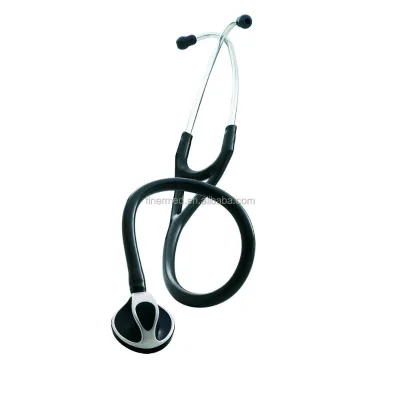
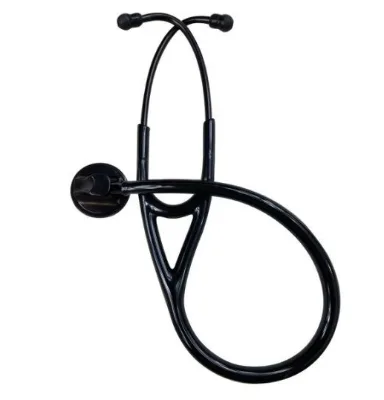
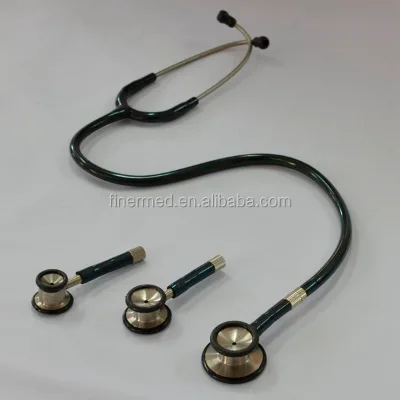
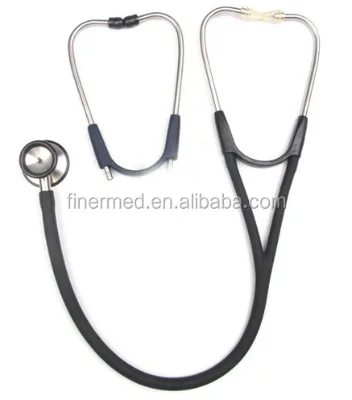




Comprehensive Sourcing Guide
Strategic Sourcing Guide for FDA, ISO, and CE Certified Cardiology Stethoscopes
Procuring high-fidelity diagnostic equipment requires a rigorous approach that balances technical performance with regulatory compliance. For buyers searching for an FDA, ISO, and CE certified cardiology stethoscope, the market presents a complex array of options ranging from pediatric models to triple-head interchangeable clinical instruments. This guide outlines the essential verification steps, technical specifications, and compliance frameworks necessary to secure reliable medical devices while avoiding common procurement pitfalls. The focus remains on evidence-based criteria derived from observable product attributes and established industry standards.
Technical Specifications and Model Differentiation
The core of any cardiology stethoscope selection lies in its physical specifications and acoustic capabilities. Unlike general-purpose stethoscopes, cardiology models are engineered for high-frequency sound transmission to detect subtle heart murmurs and valve abnormalities. In the current market, specific model numbers such as HS-L85 and UW-M026-007 represent distinct configurations available to buyers. It is critical to distinguish between standard lengths and pediatric variants, as the standard length is typically 400mm, while pediatric models measure 310mm. This dimensional variance directly impacts usability for different patient demographics.
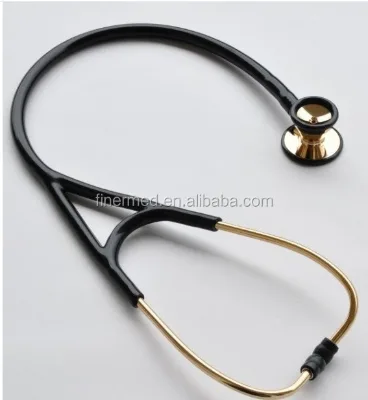
Material composition is another primary differentiator. High-end cardiology stethoscopes often utilize stainless steel or aluminum alloy to ensure durability and acoustic fidelity. Some listings indicate a combination of metal and plastic components, which may affect the weight and tactile feel of the instrument. Buyers should verify whether the specific unit features a triple-head interchangeable design, a common specification for clinical versatility, or a single-head configuration optimized for specific frequencies. The presence of a "Black Edition" or similar color coding often denotes a specific aesthetic or material finish, such as plated techniques, but does not inherently guarantee superior acoustic performance without further testing.
Furthermore, the power source and sterilization status are fundamental technical attributes. Most professional stethoscopes in this category are manual instruments, relying on the physical pressure of the diaphragm rather than electronic amplification. This manual operation ensures reliability in various clinical environments. Regarding hygiene, the majority of these devices are classified as non-sterilized or non-disinfecting upon delivery, requiring the end-user to implement their own sterilization protocols. The classification as "Class i" instrumentation suggests a specific regulatory categorization regarding electrical safety and risk, which must be cross-referenced with the intended clinical use.
Regulatory Compliance and Certification Verification
Navigating the regulatory landscape is paramount when sourcing medical devices. The keywords FDA, ISO, and CE represent the gold standard for international market access. However, buyers must treat these certifications as specific attributes of individual listings rather than universal guarantees for all products in a category. The provided data confirms that certain models possess FDA, ISO, and CE certifications, while others may only list ISO or CE. For instance, some entries explicitly mention "FDA, ISOCE" or "ISO, CE" as product certifications, whereas others reference "MFDS" (Korea's Ministry of Food and Drug Safety) or "CE, FDA" as safety standards.
Buyers must verify the exact scope of these certifications. A product listing stating "Product certifications: CE" implies compliance with European Union safety standards, but it does not automatically validate FDA clearance for the US market unless explicitly stated. Similarly, the presence of "ISOCE" in a certification field requires clarification on whether this refers to a specific ISO standard like ISO 13485 for quality management systems or a combined marking. The data also lists "Quality certification: Iso" and "Certificate: ISO, CE," suggesting that multiple layers of verification may be present. It is essential to request the specific certificate numbers and the issuing authority to confirm that the certification applies to the exact model number being purchased, such as the "Black Edition Cardiology Stethoscope" or "Triple Head interchangable Clinical Stethoscope."
Safety standards further reinforce compliance. Listings may cite "Safety standard: CE, FDA" or "Safety standard: MFDS." These designations indicate that the manufacturer claims adherence to specific regional safety protocols. However, the absence of a specific standard in a listing does not necessarily mean the product is non-compliant, but it does require the buyer to demand documentation. The "Instrument classification: Class i" designation is particularly relevant for electrical safety, though most stethoscopes are manual. Buyers should ensure that the "Disinfecting type: NO" attribute aligns with the facility's infection control policies, as this implies the device requires external cleaning rather than being pre-sterilized.
Cost Drivers and Pricing Structures
Understanding the cost structure of cardiology stethoscopes involves analyzing the interplay between materials, certifications, and order volume. The observed price range in the market spans from 1 to 78 USD, a significant variance that reflects differences in build quality, brand positioning, and certification depth. Lower-priced units may utilize standard steel or plastic composites, while higher-priced models often feature aluminum alloy, plated finishes, or specialized acoustic chambers. The "Black Edition" or "Triple Head" configurations typically command a premium due to their enhanced functionality and material costs.
Minimum Order Quantity (MOQ) is a critical factor influencing the final cost per unit. The observed MOQ range is 1 to 1000 units. For small clinics or individual practitioners, the ability to purchase single items is a significant advantage, as many suppliers accept "Small Orders: Accepted." Conversely, larger procurement teams may leverage bulk purchasing to reduce unit costs, though the data does not specify exact tiered pricing. Packaging details, such as "1PC/Colour Box" or bulk packaging of "5628.836cm/20PCS/12kg," also impact logistics costs. Buyers must calculate the total landed cost, including shipping and handling, which can vary based on the packing density and weight of the shipment.
Customization is another cost driver. Attributes like "Customization: Available" and "Customized support: OEM, ODM" indicate that buyers can request specific branding, such as "Customer Logo: Customized," or tailored specifications. These services often incur additional fees and may extend lead times. The "Brand Name: OEM" attribute suggests that many suppliers offer white-label options, allowing buyers to rebrand the product. While this adds value, it requires careful contract management to ensure that the underlying quality and certification standards remain intact during the customization process.
Typical Applications and Clinical Utility
Cardiology stethoscopes are designed for specialized applications where acoustic precision is non-negotiable. The primary use cases include "Household" and "Clinical" settings, as indicated by the product attributes. In clinical environments, these devices are essential for primary care physicians, cardiologists, and nurses conducting routine physical examinations. The "Triple Head interchangable Clinical Stethoscope" is particularly versatile, allowing clinicians to switch between bell and diaphragm functions to detect a wide range of heart sounds and bowel noises.
The "Style: Classic" and "Light weight" attributes suggest that these devices are designed for prolonged use without causing fatigue, a crucial factor for medical professionals who may wear the stethoscope around their neck for extended periods. The "Waterproof," "Dustproof," and "Shockproof" features enhance durability in busy hospital environments where the device may be exposed to fluids, dust, or accidental drops. The "Reusable" nature of the product aligns with sustainability goals, reducing waste compared to disposable alternatives.
However, the "Disinfecting type: NO" attribute necessitates a clear understanding of the post-purchase workflow. Since the device is not pre-sterilized, healthcare facilities must have established protocols for cleaning and disinfecting the stethoscope between patients. The "After-sale service: Onsite inspection" and "Return and Replacement" policies provide a safety net for buyers, ensuring that any defects or performance issues can be addressed promptly. The "Shelf Life: 3 Years" specification indicates the expected longevity of the product under proper storage conditions, which is vital for inventory management and budgeting.
Supplier Evaluation and Quality Assurance
Selecting a reliable supplier is as important as selecting the right product. The data indicates that many suppliers originate from "Zhejiang, China" or "China (Mainland)," regions known for manufacturing medical devices. Buyers should verify the "Place of Origin" to ensure it aligns with their sourcing preferences and regulatory requirements. The "After-sale service: Onsite inspection" and "After-sale Service: Return and Replacement" attributes are strong indicators of a supplier's commitment to quality and customer satisfaction. These services suggest that the supplier is willing to support the buyer beyond the point of sale, which is critical for maintaining operational continuity.
Quality assurance should be a central part of the evaluation process. Buyers must request evidence of the claimed certifications, such as ISO, CE, and FDA, and verify that they apply to the specific model. The "Instrument classification: Class i" and "Safety standard: CE, FDA" claims should be backed by official documentation. Additionally, the "Technique: Plated" and "Material: Stainless steel" or "Aluminum alloy" attributes should be confirmed through product samples or detailed technical datasheets. The "Feature: Light weight, Waterproof, Shockproof, Portable, Dustproof, Durable" list provides a checklist for performance testing, but buyers should not assume all listed products satisfy every feature without verification.
Long-Term Procurement Considerations
Sourcing medical equipment is a long-term investment that requires consideration of maintenance, warranty, and supply chain stability. The "Warranty: 5 year" attribute for certain models offers significant peace of mind, indicating a manufacturer's confidence in the product's durability. This extended warranty period can reduce the total cost of ownership by covering potential repairs or replacements. The "Customized support: OEM, ODM" capability ensures that buyers can maintain a consistent brand identity and product specification over time, which is beneficial for large healthcare networks.
Buyers should also consider the "Selling Units: Single item" option, which allows for flexible procurement strategies. This flexibility is useful for testing new suppliers or models before committing to larger orders. The "Packaging Details: 1PC/Colour Box" and bulk packaging options provide options for different distribution needs, whether for retail, direct hospital supply, or emergency stockpiling. The "Low-confidence background" regarding standards like ISO 13485:2016 or ISO 27001 should be treated with caution; buyers should verify if these specific standards are actually met by the product rather than assuming they are based on general industry knowledge.
In conclusion, sourcing an FDA, ISO, and CE certified cardiology stethoscope requires a meticulous approach that prioritizes verified specifications, regulatory compliance, and supplier reliability. By focusing on the tangible attributes provided in product listings and demanding concrete evidence for all claims, buyers can secure high-quality diagnostic tools that meet the rigorous demands of modern healthcare. The balance between cost, functionality, and compliance is key to making informed procurement decisions that support patient care and operational efficiency.
FAQs
Which certifications are available for these cardiology stethoscopes?
Many models carry FDA, ISO, and CE certifications, though specific listings vary. Some products explicitly list FDA and ISOCE, while others show only CE or MFDS standards. Buyers must verify the exact certificate numbers for the specific model like HS-L85 before purchasing to ensure regulatory compliance.
What are the standard length specifications for these instruments?
Standard models typically measure 400mm in length, while pediatric variants are designed at 310mm. These dimensions are critical for selecting the right device for adult or child patients. The product data confirms these specific length standards for the HS-L85 and similar clinical instruments.
Can I order single items or small quantities of these stethoscopes?
Yes, suppliers accept small orders with a minimum quantity as low as one unit. The observed MOQ range spans from 1 to 1000 units depending on the vendor. This flexibility allows individual practitioners to purchase single items without needing to meet bulk purchase requirements.
What materials are used to construct these diagnostic stethoscopes?
Manufacturers use stainless steel, aluminum alloy, and combinations of metal and plastic for durability. Some models feature plated techniques to enhance finish and acoustic properties. The material choice impacts weight and tactile feel, with options ranging from lightweight aluminum to robust steel.
Are these stethoscopes pre-sterilized or ready for immediate clinical use?
No, the majority of these devices are classified as non-sterilized and do not include disinfecting types upon delivery. Users must implement their own sterilization protocols before clinical application. This attribute is consistent across most listings which specify non-sterilization as a standard feature.
What customization options like OEM or ODM are available?
Customization is available with support for OEM and ODM services to create branded products. Buyers can request customized customer logos and specific branding on the device. These services allow for tailored specifications but may involve additional fees and require careful contract management.
How long is the warranty period for these medical instruments?
Certain models offer a warranty period of up to five years to ensure long-term reliability. This warranty covers defects and provides peace of mind for clinical equipment investments. Buyers should confirm the specific warranty terms for the exact model number before finalizing the procurement.