Source Fiberglass Steel Outdoor Playground Equipment for Schools
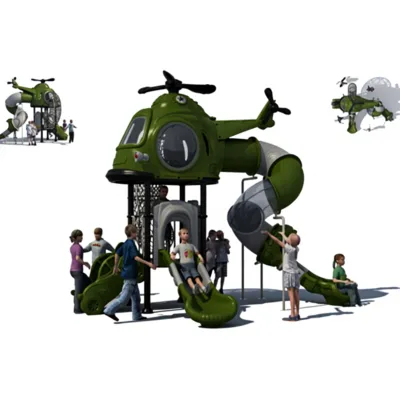
Find 26 Fiberglass Steel Outdoor Playground Equipment options for schools, amusement parks, and shops. Compare models like TS-HW-324 and HD-HKG012-22105, featuring rotational moulding, galvanized steel, and CE/TUV certifications for safe, durable play structures; compare the available evidence and request quotations based on your requirements.
Key considerations
Products List

Commerical Fiberglass Kids Playground Equipment Outdoor Playground Equipment
$249.00 - $300.00
MOQ: 1 Pieces

Castle Series Playground Outdoor Children Equipment Outdoor Playground Equipment
$249.00 - $300.00
MOQ: 1 Pieces

Playground Equipment Outdoor Children Commercial Plastic Playground Equipment
$3000.00 - $3600.00
MOQ: 1 Pieces

Plastic Slide Outdoor Playground Outdoor Kids Outdoor Playground Equipment for Children
$1290.00 - $1500.00
MOQ: 1 Pieces


Different Types Premium Steel Outdoor Community Playground Equipment for Kids
$3400.00 - $3500.00
MOQ: 1 Pieces

Multi-Functionality Children Outdoor Playground Equipment with Tunnel Slide
$4500.00 - $5000.00
MOQ: 1 Pieces

Stainless Steel Outdoor Playground Equipment for Kids’ Fun and Fitness
$255.00 - $260.00
MOQ: 1 Pieces




Comprehensive Sourcing Guide
Fiberglass Steel Outdoor Playground Equipment Sourcing Guide
Procurement teams must first distinguish between rotational moulded plastic components and structural steel frameworks when evaluating Fiberglass Steel Outdoor Playground Equipment. The observed product data indicates that while the primary entertainment surfaces often utilize plastic materials like EVA or polyethylene, the structural integrity relies heavily on galvanized steel pipes and 304 stainless fasteners. Buyers should verify that the "fiberglass" designation refers to specific composite panels or is a misnomer for the durable plastic shell, as the core structural elements listed are explicitly steel-based.
Sourcing decisions should prioritize the specific application environment, as the observed listings target schools, amusement parks, and supermarkets. The equipment is designed for children aged 3 to 14 years, requiring a balance between durability and safety. When reviewing catalogs, buyers must confirm that the "fiberglass" claim aligns with the actual material composition of the slide or swing components, ensuring the selected unit meets the specific load and wear requirements of the intended high-traffic venue.
Product Scope and Observed Listing Signals
The market for this equipment displays a wide variance in pricing, ranging from approximately 249 USD to 610,000 USD, reflecting differences in scale, complexity, and customization levels. Buyers should analyze the minimum order quantity, which typically starts at one set, allowing for flexible procurement strategies for smaller community projects or larger commercial developments. The observed models, such as the TS-HW series and HD-HKG series, suggest a modular approach where specific dimensions and configurations can be tailored to fit unique site constraints.
Visual and functional signals indicate a strong focus on customization, with options for custom colors and sizes available to match brand identities or site aesthetics. The product scope includes diverse entertainment projects like swings, slides, trampolines, and ocean ball pits, all integrated into a cohesive outdoor playground system. Procurement teams must verify that the "custom" attributes extend to the structural steel framework and not just the plastic shells, ensuring that the final installation meets the specific spatial and safety requirements of the project site.
Technical Specifications to Verify
Technical due diligence requires a rigorous check of the structural materials, specifically confirming the use of galvanized steel pipes for the frame and 304 stainless steel for all fasteners to prevent corrosion. The observed data highlights rotational moulding as the primary productive technology for the plastic components, which offers superior durability compared to injection moulding for large, hollow structures. Buyers must ensure that the specified dimensions, such as the 2580x1880x700mm or 4300x1620x920mm models, align with the available site footprint and clearance heights.
Verification of the allowable passenger capacity is critical, as the observed listings cite ranges from 10 to 35 users depending on the specific model and configuration. The product specifications indicate that the equipment is designed for outdoor use with anti-UV and anti-static properties, which are essential for maintaining material integrity under direct sunlight. Procurement teams should request detailed engineering drawings to confirm that the structural load calculations account for the dynamic forces generated by children using swings and slides simultaneously.
Compliance and Safety Documentation
Safety compliance is non-negotiable, and buyers must demand documentation proving adherence to recognized international standards such as TUV, ISO, and CE certifications. The observed product data explicitly lists these certifications, but procurement teams must verify that the specific batch or model being purchased carries valid, current certificates rather than generic claims. The documentation should include detailed test reports for structural integrity, material toxicity, and impact absorption to ensure the equipment meets the rigorous safety requirements for public use in schools and amusement parks.
Beyond the initial certification, the procurement process should include a review of the complete documentation package, which typically includes professional CAD instructions and assembly procedures. The observed listings emphasize "European Standards" as a key advantage, suggesting that the design philosophy prioritizes rigorous safety margins. Buyers should ensure that the supplier provides a comprehensive safety manual that covers installation, regular maintenance schedules, and user guidelines to mitigate liability risks associated with playground equipment operation.
Cost Drivers and Commercial Terms
The final cost of Fiberglass Steel Outdoor Playground Equipment is driven by the complexity of the design, the volume of custom materials, and the extent of the structural steel framework required. While the observed listings mention a "factory direct-selling market mode" to offer good prices, the wide price range indicates that customization, packaging, and shipping logistics significantly impact the final invoice. Buyers should scrutinize the packing details, which range from bubble bags and PP film for plastic parts to batt and waterproof velum for larger assemblies, as these affect shipping volume and protection during transit.
Commercial terms must clearly define the lead time, payment schedule, and the scope of after-sales service provided by the supplier. The observed data highlights professional sales support and good after-sale service as key value propositions, which should be formalized in the contract to include warranty periods and response times for technical issues. Procurement teams should negotiate terms that account for the potential need for on-site assembly assistance or professional installation guidance, ensuring that the total cost of ownership remains predictable and manageable.
Supplier Qualification and Quality Control
Supplier qualification should focus on verifying the manufacturing location and the specific production capabilities regarding rotational moulding and steel fabrication. The observed data points to origins in China, specifically Wenzhou and Zhejiang, regions known for their manufacturing clusters, but buyers must confirm the specific factory's capacity and quality control processes. It is essential to validate that the supplier has a proven track record of producing equipment that meets the stated certifications and that their internal quality checks align with the rigorous standards required for playground safety.
Quality control protocols must extend beyond the factory floor to include pre-shipment inspections and verification of the final product condition. Buyers should require evidence that the galvanized steel pipes and stainless fasteners have been treated to resist corrosion and that the plastic components are free from defects. The procurement strategy should include a clear acceptance criteria based on the observed specifications, ensuring that the delivered equipment matches the ordered model numbers and dimensions before final payment is released.
Long-Term Procurement Checks
Long-term procurement success depends on establishing a relationship with a supplier capable of providing consistent replacement parts and ongoing technical support. The observed listings emphasize professional installation instructions and after-sale service, which are critical for maintaining the safety and functionality of the playground over many years. Buyers should verify the availability of spare parts, such as specific fasteners or plastic panels, to ensure that repairs can be conducted quickly without disrupting the operation of the facility.
Regular audits of the installed equipment are necessary to monitor wear and tear, particularly on high-use components like swings and slides. Procurement teams should establish a maintenance schedule based on the manufacturer's recommendations and the observed usage patterns in schools or amusement parks. By maintaining a proactive approach to equipment management, buyers can extend the lifespan of the Fiberglass Steel Outdoor Playground Equipment and ensure a safe environment for children for years to come.
FAQs
How is Fiberglass Steel Outdoor Playground Equipment installed on site?
Installation typically follows professional CAD instructions and a documented assembly procedure supplied with the equipment. Buyers should prepare a level base and basic tools before the crew or their own team begins assembly. Larger structures with multiple modules may take several days, so confirming the installation documentation package before shipment helps avoid delays.
What age range is Fiberglass Steel Outdoor Playground Equipment designed for?
The listed products target children roughly 3 to 14 years old, with some sets specified for 4-14 years and others for 3-12 years. Capacity also varies, with some models accommodating 10-35 children. Check each model's age range and allowable passenger details before ordering to match your site's user group.
Which certifications should Fiberglass Steel Outdoor Playground Equipment carry for export?
Buyers commonly look for TUV, CE, and ISO-related certification when sourcing this equipment category. The product pages list TUV, ISO, and CE certification together with European standards documentation. Always request the actual certificate copies for the specific model you intend to purchase, since certification coverage can differ between models and production batches.
Can Fiberglass Steel Outdoor Playground Equipment be customized in color and layout?
Yes, customization is available on the listed products. Buyers can choose custom colors, and the EVA mats come in different sizes and colors for selection. Entertainment elements such as swings, slides, trampolines, and ocean balls can be arranged according to your site plan, subject to confirmation with the supplier during the design stage.
What materials are used in Fiberglass Steel Outdoor Playground Equipment?
Plastic components are produced by rotational moulding, offering anti-UV and anti-static properties suitable for outdoor use. Iron parts use galvanized steel pipe for corrosion resistance, and fasteners are 304 stainless steel. Matting uses EVA material. This material combination is intended to withstand outdoor weather exposure while keeping surfaces safe for children.
How is Fiberglass Steel Outdoor Playground Equipment packed for shipping?
Packing generally uses bubble bags and PP film for plastic parts, with some products packed using batt and waterproof velum. This protects surfaces and components during ocean freight and handling. Buyers should confirm the exact packing method for their chosen model and consider container space when planning shipment volume.
What is the typical MOQ when ordering Fiberglass Steel Outdoor Playground Equipment?
The listed products show an MOQ of 1 set, so a single unit can be ordered for evaluation or small projects. Larger orders may qualify for better pricing under the factory direct-selling model. Confirm the MOQ and price structure for each specific model before placing a purchase order.
Which venues suit Fiberglass Steel Outdoor Playground Equipment best?
The listed products are suitable for amusement parks, schools, shops, and supermarkets, making them versatile for both public and commercial sites. Selection depends on available space, expected capacity of 10-35 children, and the mix of entertainment projects such as swings, slides, trampolines, and ocean balls that fit your visitors.