Source Fine Mist Spray Cosmetic Bottle for Perfume, Hair, and Body
Find and compare 30 Fine Mist Spray Cosmetic Bottle options from China. These plastic containers feature pump sprayers and screw caps, available in capacities from 10ml to 500ml. Customize designs for personal care, beauty products, and travel applications with various sealing types and printing methods.
Key considerations
Products List


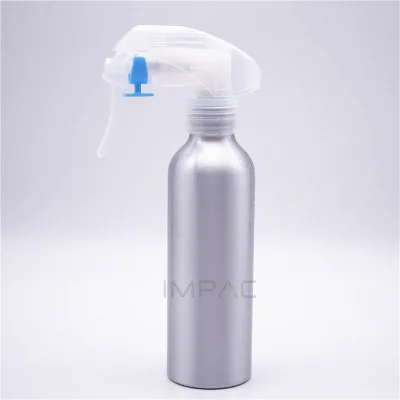
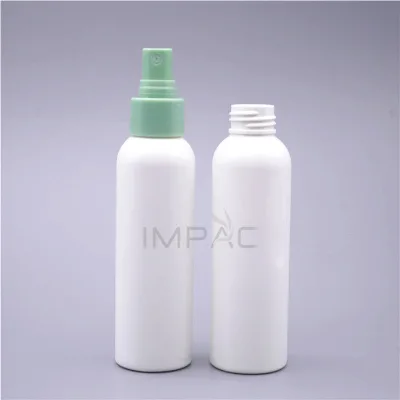
Popular China Manufacturing 120ml Fine Mist Plastic Spray Cosmetic Bottle
$0.21 - $0.25
MOQ: 10000 Pieces


150ml Fine Sprayer Mist Pump Bottle Cosmetic Packing Container Bottles
$0.23 - $0.26
MOQ: 10000 Pieces




Comprehensive Sourcing Guide
Fine Mist Spray Cosmetic Bottle Sourcing Guide
Sourcing fine mist spray cosmetic bottles requires a careful balance between aesthetic appeal, functional performance, and supply chain reliability. These packaging components are critical for personal care products, including perfumes, facial mists, hair sprays, and body mists, where the quality of the spray directly influences the consumer’s sensory experience. Buyers must navigate a market characterized by diverse material options, varying closure types, and specific customization capabilities to ensure the final packaging aligns with brand identity and product formulation requirements.
The procurement process involves verifying technical specifications such as spray type, capacity, and material compatibility while also assessing commercial terms like minimum order quantities (MOQ) and lead times. With observed market data indicating a wide range of capacities from 10ml to 500ml and materials ranging from plastic to polypropylene (PP), buyers need a structured approach to evaluate suppliers. This guide provides a disciplined framework for sourcing these components, focusing on evidence-based verification steps and risk mitigation strategies to secure high-quality packaging solutions.
Product Scope and Observed Listing Signals
The current market landscape for fine mist spray bottles reveals a significant diversity in product models and standard capacities. Observed listings indicate that manufacturers offer a broad spectrum of sizes, including 10ml, 15ml, 20ml, 25ml, 30ml, 40ml, 50ml, 60ml, 80ml, 100ml, 120ml, 150ml, and even up to 500ml for larger applications. Specific product models such as SH-902-100UPG, SH-902-100FM, SH-902-150DZ, SH-802-13A, SH-902-50A, A537, and A125 are frequently cited, suggesting a standardized yet modular approach to production. Buyers should recognize that these model numbers often correspond to specific spray mechanisms or bottle shapes, necessitating precise communication with suppliers to avoid mismatches between the desired aesthetic and functional outcome.
Material composition and closure types are pivotal factors in defining the product scope. Most observed units are constructed from plastic, with polypropylene (PP) being a notable material choice, likely due to its durability and chemical resistance. The closure types vary, with mist sprayers, pump sprayers, and screw caps being common configurations. Additionally, the spray types available include pump spray, fine mist, continuous spray, and trigger spray, allowing for tailored solutions based on the viscosity and application method of the cosmetic liquid. Understanding these variations is essential for buyers to select packaging that not only looks appealing but also performs reliably with their specific product formulation.
Technical Specifications to Verify
When evaluating technical specifications, buyers must prioritize the spray mechanism’s performance and consistency. The fine mist attribute is critical for products like facial mists and perfumes, where a uniform, non-dripping spray enhances user satisfaction. It is important to verify whether the supplier offers continuous spray options or standard pump sprays, as this distinction affects the product’s usage experience. Additionally, the sealing type, often described as a pump sprayer or mist sprayer, must be compatible with the bottle’s neck finish to prevent leaks and ensure airtight storage. Buyers should request samples to test the spray pattern, atomization quality, and actuation force, ensuring that the mechanism meets the brand’s quality standards.
Capacity and dimensional accuracy are equally important technical considerations. While observed capacities range widely, buyers must confirm that the actual volume matches the labeled capacity, especially for premium products where underfilling can lead to customer dissatisfaction. The bottle shape, often round in observed listings, should be evaluated for ergonomic handling and shelf stability. Furthermore, the production technique, such as injection molding, influences the bottle’s structural integrity and surface finish. Buyers should verify that the manufacturing process allows for consistent wall thickness and minimal defects, which are crucial for maintaining the bottle’s strength during transportation and use.
Compliance and Safety Documentation
Compliance and safety are non-negotiable aspects of sourcing cosmetic packaging, particularly when the bottles will come into direct contact with personal care products. Buyers must ensure that the materials used, such as plastic or PP, are food-grade or cosmetic-grade, meaning they are free from harmful substances like BPA or phthalates that could leach into the product. Although specific certifications like ISO 9001 or ISO 14001 are mentioned in background data, buyers should not assume these are held by every supplier without verification. Instead, they should request current certification documents and audit reports to confirm that the supplier adheres to recognized quality and environmental management standards.
Documentation regarding chemical compatibility and migration testing is essential to prevent interactions between the packaging and the cosmetic formulation. Buyers should ask for test results that demonstrate the bottle’s resistance to the specific ingredients in their product, such as alcohols, oils, or acids, which can degrade certain plastics over time. Additionally, compliance with regional regulations, such as those in the European Union or the United States, must be verified, especially if the products are intended for international markets. This includes ensuring that the packaging meets labeling requirements and safety standards for consumer goods, thereby protecting the brand from legal liabilities and reputational damage.
Cost Drivers and Commercial Terms
Cost drivers for fine mist spray cosmetic bottles include material costs, customization complexity, and order volume. The observed price range of 0-2.52 USD suggests that basic models are competitively priced, but costs can increase significantly with customizations such as hot stamping, silk printing, or label application. Buyers should be aware that these decorative elements add value but also increase production time and cost. Additionally, the choice of spray mechanism, whether a standard pump or a specialized fine mist atomizer, can impact the unit price. Understanding these variables allows buyers to negotiate more effectively and align their budget with their branding priorities.
Commercial terms, including minimum order quantities (MOQ) and lead times, play a crucial role in procurement planning. Observed MOQs range from 5,000 to 50,000 pieces, with some suppliers specifying 10,000 pieces as a standard threshold. These volumes can be substantial for small brands, so buyers should assess their inventory capacity and sales forecasts before committing. Lead times also vary, with observed delivery periods ranging from 20 to 35 days, depending on the complexity of the order and the supplier’s production schedule. Buyers should factor in these timelines when planning product launches and ensure that payment terms, such as T/T, are clearly defined to avoid cash flow issues.
Supplier Qualification and Quality Control
Supplier qualification is a critical step in mitigating procurement risks. Buyers should conduct thorough due diligence on potential suppliers, verifying their manufacturing capabilities, production capacity, and quality control processes. Given that many suppliers are located in regions like Xiamen or China, buyers should consider the logistical implications of shipping and import duties. It is advisable to visit the supplier’s facility or hire a third-party inspection agency to assess their production lines, raw material storage, and finished goods testing procedures. This hands-on verification ensures that the supplier can consistently deliver high-quality products that meet the buyer’s specifications.
Quality control measures should be established before production begins and maintained throughout the manufacturing process. Buyers should define clear acceptance criteria for cosmetic defects, such as scratches, discoloration, or spray mechanism failures, and include these in the purchase agreement. Regular in-process inspections and pre-shipment inspections are recommended to catch any deviations early. Additionally, buyers should request a sample approval process where the final production sample is tested for spray performance, leak resistance, and aesthetic quality. This rigorous approach helps ensure that the bulk order matches the approved sample in both form and function.
Long-Term Procurement Checks
Long-term procurement success depends on establishing a sustainable relationship with suppliers and continuously monitoring performance. Buyers should implement a supplier scorecard system to track key metrics such as on-time delivery, product quality, and responsiveness to issues. Regular reviews of these metrics can help identify potential problems early and facilitate corrective actions. Furthermore, buyers should stay informed about industry trends and technological advancements in packaging, such as new sustainable materials or improved spray mechanisms, to remain competitive. This proactive approach ensures that the packaging strategy evolves in line with market demands and consumer preferences.
Sustainability and regulatory changes are also important considerations for long-term procurement. As environmental regulations become stricter, buyers should explore options for recyclable or biodegradable packaging materials and work with suppliers who prioritize eco-friendly practices. Additionally, staying updated on changes in cosmetic packaging regulations can help buyers avoid compliance issues and adapt their sourcing strategies accordingly. By maintaining a flexible and informed procurement approach, buyers can secure a reliable supply of fine mist spray cosmetic bottles that support their brand’s growth and reputation in the market.
FAQs
What materials are used for fine mist spray cosmetic bottles?
These bottles are primarily made from plastic, specifically PP material. The manufacturing process utilizes injection molding to ensure durability. This material choice supports various applications in personal care and beauty products while maintaining structural integrity for fine mist delivery.
Which capacities are available for these cosmetic spray bottles?
Available capacities range from 10ml up to 500ml, including specific options like 60ml, 80ml, 100ml, and 120ml. Some listings also mention 30ml and 150ml variants. Buyers can select sizes that fit their specific product volume requirements within the 51-100ml or larger ranges.
Can these bottles be customized for specific branding needs?
Yes, customization is available for these cosmetic bottles. Suppliers offer printing options such as hot stamping, silk printing, and label application. The closure types and spray mechanisms can also be tailored to meet specific design and functional requirements for different beauty product lines.
What is the minimum order quantity for these spray bottles?
The minimum order quantity varies by supplier but typically ranges from 5000 to 10000 pieces. Some specific listings indicate an MOQ of 5000 pieces, while others require 10000 pieces. Buyers should verify the exact threshold with the manufacturer before placing an order.
How long does it take to receive an order of these bottles?
Lead times generally range from 20 to 35 days depending on the supplier and order volume. Specific production timelines may vary based on customization requirements and current factory capacity. Buyers should confirm the exact delivery schedule during the negotiation phase to ensure timely receipt.
Which spray types are compatible with these cosmetic bottles?
These bottles support multiple spray types including pump spray, fine mist, trigger spray, and continuous spray. The closure types often feature a mist sprayer or spray pump mechanism. This versatility allows them to be used for perfumes, hair mists, facial mists, and body sprays effectively.
Where are these cosmetic spray bottles manufactured?
The products originate from China, with specific manufacturing hubs located in Xiamen. This location is a known center for plastic packaging production. Buyers sourcing from this region can expect established supply chains and competitive pricing for bulk orders of cosmetic containers.